
In the rapidly evolving landscape of social media, TikTok has emerged as a titan of short-form video content. With over a billion active users globally, the platform’s proprietary algorithm is renowned for its uncanny ability to serve highly personalized content to diverse demographics. However, with such a vast and varied user base comes the technical challenge of ensuring safety and age-appropriateness. This is where “Restricted Mode” enters the fray. As a critical component of TikTok’s digital security and wellness suite, Restricted Mode serves as a proactive filter designed to limit the visibility of content that may not be appropriate for all audiences. In this comprehensive guide, we will explore the technical architecture, implementation, and broader implications of Restricted Mode within the tech ecosystem.

1. The Mechanics of TikTok’s Restricted Mode: How the Algorithm Filters Content
At its core, Restricted Mode is not a simple “on-off” switch for specific videos; it is a sophisticated layer applied to TikTok’s recommendation engine. To understand how it works, one must first understand the “For You” Page (FYP) algorithm, which utilizes machine learning to analyze user behavior, metadata, and visual signals.
The Role of AI and Machine Learning in Content Classification
TikTok employs advanced Artificial Intelligence (AI) and Computer Vision to scan every video uploaded to the platform. When Restricted Mode is activated, the software triggers an additional filtering protocol. The AI evaluates several data points:
- Visual Analysis: The system identifies imagery that may contain “mature” themes, such as simulated violence, suggestive content, or high-risk activities.
- Audio Transcription: Using Natural Language Processing (NLP), the app transcribes audio to detect profanity or sensitive topics.
- Metadata and Hashtags: The software cross-references the hashtags and descriptions provided by the creator against a database of restricted keywords.
When a user enables Restricted Mode, the recommendation engine excludes any content that has been flagged by these automated systems, ensuring that the user’s feed remains within a “safe” threshold.
Technical Limitations and the Complexity of Moderation
While the technology is impressive, it is not infallible. Content moderation at scale is one of the most significant challenges in software engineering today. Algorithms can occasionally suffer from “false positives”—where benign content is hidden—or “false negatives,” where inappropriate content slips through the cracks. This is because AI often struggles with context, such as satire or educational medical content. Tech enthusiasts and developers often point to this as a primary reason why Restricted Mode is frequently updated with new data sets to improve its accuracy and nuance.
2. Implementing Restricted Mode: A Technical Walkthrough for Users
For those looking to secure their digital environment or manage the experience of a minor, understanding the UI/UX path to activate Restricted Mode is essential. The feature is nested within the app’s “Settings and Privacy” architecture, designed to be accessible yet secure through the use of passcodes.
Enabling Restricted Mode via Privacy Settings
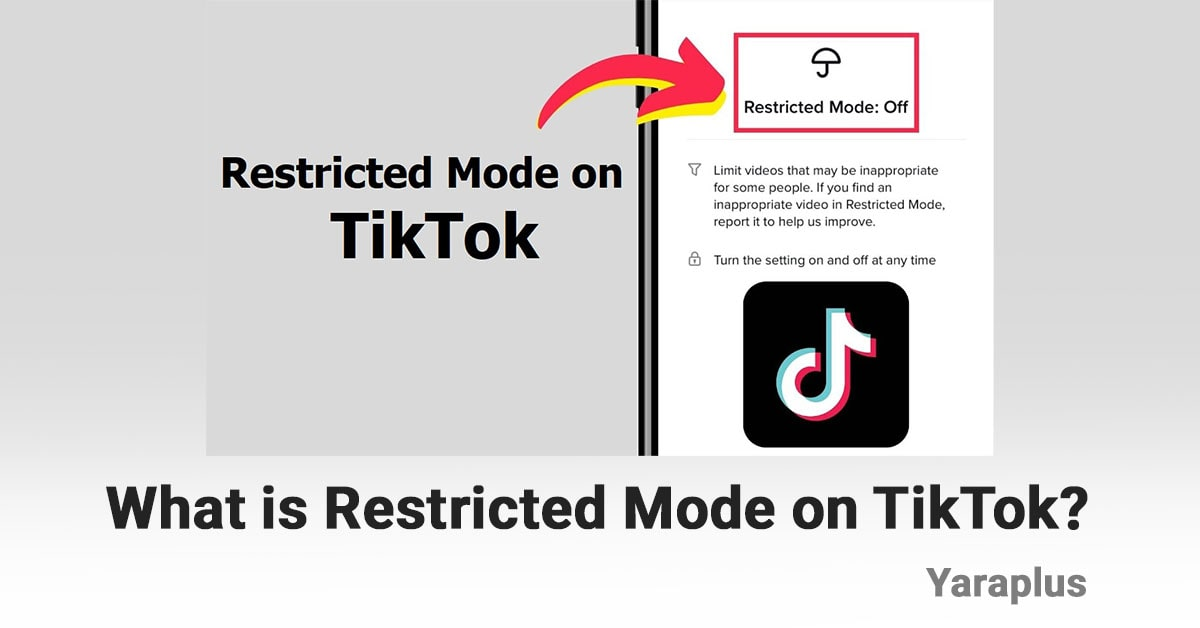
To activate the feature, a user must navigate to their profile and access the “Settings and Privacy” menu. Under the “Content & Display” header, the “Content Preferences” section houses the Restricted Mode toggle.
The technical brilliance of this feature lies in its implementation of a four-digit passcode. Once Restricted Mode is turned on, it cannot be disabled without this code. This serves as a vital security layer, preventing unauthorized users (such as children) from reverting the settings. From a software design perspective, this creates a “walled garden” within the application, ensuring that the filtering parameters remain static until deliberately changed by the administrator.
Utilizing Family Pairing for Multi-Device Control
For a more robust tech-driven approach to safety, TikTok offers “Family Pairing.” This feature allows a parent or guardian to link their TikTok account to a minor’s account. Once linked, the “Parent” device can remotely manage Restricted Mode settings on the “Child” device. This is achieved through a secure API handshake between the two accounts, allowing for real-time synchronization of privacy settings across different hardware. This functionality highlights the shift in app development toward “Safety by Design,” where security features are integrated into the very fabric of the user experience.
3. Digital Wellbeing and the Cybersecurity Aspect of Content Filtering
Restricted Mode is more than just a parental control; it is a tool for digital wellbeing. In an era where digital consumption can significantly impact mental health, the ability to curate a “cleaner” digital space is a technical necessity.
Mitigating Exposure to Sensitive or Inappropriate Content
The internet is often referred to as the “Wild West,” and TikTok is no exception. Restricted Mode acts as a digital guardrail. By filtering out high-risk content, the platform reduces the likelihood of users encountering “challenges” that might encourage physical harm or digital misinformation. In the context of digital security, this also serves to minimize exposure to accounts that might be spreading malicious links disguised as viral trends. By narrowing the scope of viewable content to verified and “safe” categories, the software indirectly bolsters the user’s overall cybersecurity posture.
Data Privacy and the Protection of Minor Users
The activation of Restricted Mode often triggers stricter data privacy protocols within the app’s backend. For instance, when an account is identified as being in Restricted Mode, TikTok may limit the types of personalized advertisements served to that user. This is a crucial intersection of software functionality and data ethics. By limiting the data points collected for ad-targeting in a restricted environment, the platform adheres to global privacy regulations such as GDPR and COPPA, showcasing how tech features are often driven by legal and ethical compliance frameworks.
4. Advanced Customization: Keyword Filtering and Granular Control
While Restricted Mode provides a broad safety net, TikTok has introduced more granular technical tools that allow users to fine-tune their experience. These features represent the next level of user-controlled content moderation.
Keyword Filtering: Granular Control Over the “For You” Page
Beyond the blanket “Restricted Mode,” users can utilize “Keyword Filters.” This feature allows a user to input specific words or hashtags they wish to avoid. From a technical standpoint, this creates a custom “blacklist” in the user’s local database. Whenever the app fetches new video data from the server, it runs a local check against this blacklist. If a match is found, the video is discarded before it even reaches the user’s screen. This provides a level of personalization that a global “Restricted Mode” cannot offer, allowing users to block specific niches or triggers that are unique to them.
Screen Time Management and Passive Security Measures
Restricted Mode is often used in tandem with TikTok’s Screen Time Management tools. These features allow users to set technical limits on how long the app can be used per day. From an engineering perspective, these are “interrupter” functions that override the app’s primary engagement loop. When the time limit is reached, the app locks the interface until a passcode is entered. Combined with Restricted Mode, these tools create a comprehensive “safe mode” for the device, ensuring that technology serves the user’s health rather than detracting from it.
5. The Future of Content Filtering and AI Moderation
As we look toward the future of social media apps, the technology behind Restricted Mode will only become more sophisticated. We are moving away from reactive moderation (deleting content after it is reported) toward proactive, real-time filtering.
Evolving Algorithms: Toward More Nuanced Moderation
The next generation of Restricted Mode will likely leverage Generative AI and more advanced sentiment analysis. Instead of just looking for “bad words,” the AI will be able to understand the intent of a video. For example, it will be able to distinguish between a dangerous stunt and a professional gymnastics routine with greater accuracy. This will reduce the “over-filtering” that currently plagues many tech platforms, where legitimate creators sometimes have their content restricted unfairly.

The Balance Between User Privacy and Proactive Surveillance
As filtering technology becomes more powerful, a technical and ethical debate emerges regarding the balance between safety and privacy. To filter content effectively, the software must “watch” and “analyze” everything a user does. The challenge for future tech developers will be to maintain the effectiveness of Restricted Mode while ensuring that the data used for filtering is processed locally on the device (Edge Computing) rather than being sent to a central server. This move toward decentralized moderation would represent a major leap forward in digital security, protecting the user from both inappropriate content and potential data breaches.
In conclusion, Restricted Mode on TikTok is a vital technological tool in the modern digital age. It represents the intersection of AI, user interface design, and digital security. By understanding how these filters work, how to implement them, and the technical logic behind them, users can better navigate the digital landscape with confidence. As software continues to evolve, features like Restricted Mode will remain at the forefront of the conversation regarding how we build a safer, more intentional relationship with our technology.
aViewFromTheCave is a participant in the Amazon Services LLC Associates Program, an affiliate advertising program designed to provide a means for sites to earn advertising fees by advertising and linking to Amazon.com. Amazon, the Amazon logo, AmazonSupply, and the AmazonSupply logo are trademarks of Amazon.com, Inc. or its affiliates. As an Amazon Associate we earn affiliate commissions from qualifying purchases.