
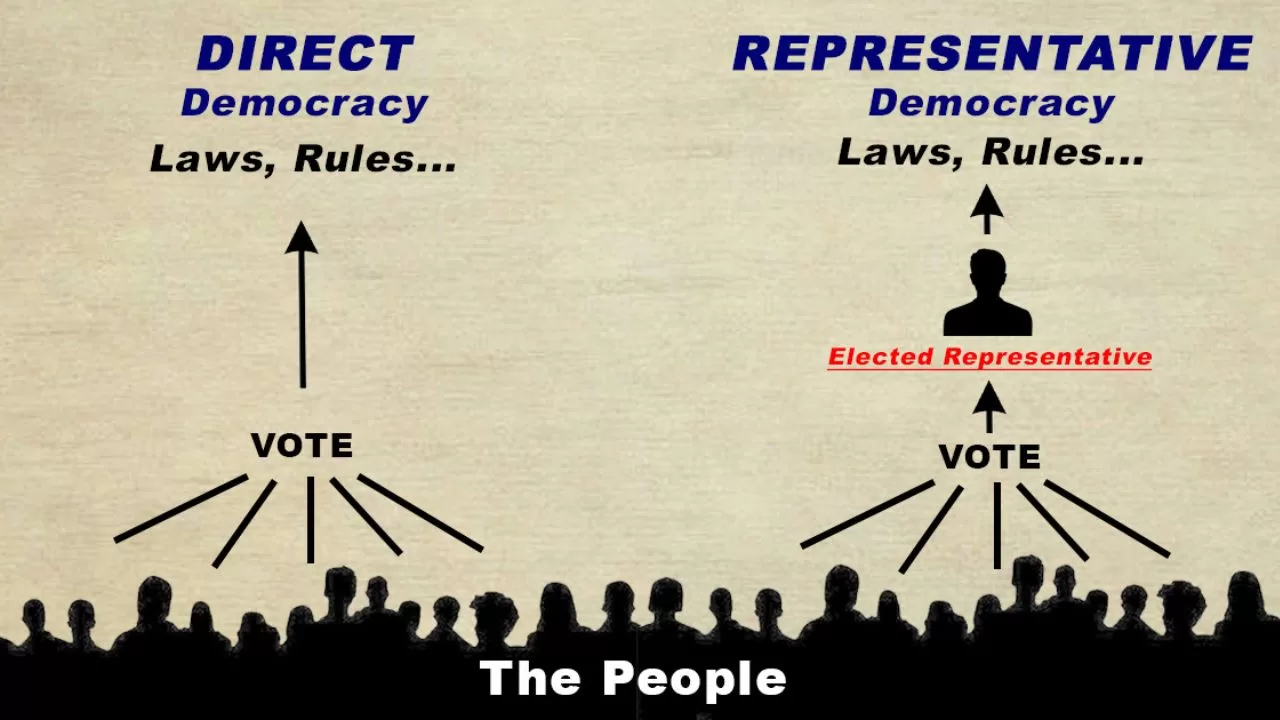
The traditional definition of representative democracy—a system where citizens elect officials to make decisions on their behalf—has remained largely unchanged for centuries. However, the rapid acceleration of the digital age is fundamentally transforming how representation is defined, executed, and secured. In the tech sector, “representative democracy” is no longer just a political science term; it is becoming a framework for decentralized software governance, algorithmic transparency, and the digital infrastructure that connects a population to its leaders.
As we move deeper into the decade, the intersection of software engineering, blockchain protocols, and artificial intelligence is creating a new version of representative democracy. This tech-driven evolution promises more transparency and efficiency but also introduces complex challenges regarding cybersecurity and data privacy.

The Evolution of Representation: From Physical Ballots to Digital Platforms
In its historical context, representation was limited by geography and physical logistics. Today, technology has dismantled these barriers, redefining the “representative” as a node within a high-speed data network. The tech niche views representative democracy through the lens of Civic Tech—a burgeoning sector dedicated to software solutions that enhance the relationship between the governing and the governed.
The Role of Civic Tech in Enhancing Voter Engagement
Civic Tech startups are developing sophisticated apps and platforms designed to bridge the communication gap between representatives and their constituents. Instead of waiting for a biennial election to voice concerns, digital platforms allow for real-time sentiment analysis and direct feedback loops. For example, mobile applications integrated with verified digital IDs enable citizens to participate in micro-polls on local issues, providing representatives with a data-driven understanding of public needs. This shift moves the definition of representation from a static four-year term to a dynamic, ongoing digital conversation.
Digital Identity and the Security of Representative Integrity
At the core of any tech-enabled democracy is the concept of Digital Identity. Without a secure, immutable way to verify that a “user” is a “citizen,” representative democracy online falls apart under the weight of bots and foreign interference. Modern tech solutions are pivoting toward biometric verification and decentralized identifiers (DIDs) to ensure that every digital vote or feedback point is authentic. By utilizing hardware-level security (such as the Secure Enclave in smartphones), tech developers are creating the “trust layer” necessary for a functional digital representative system.
Blockchain and the Rise of Decentralized Governance (DAOs)
Perhaps the most radical tech-based redefinition of representative democracy is found in the world of Web3 and Decentralized Autonomous Organizations (DAOs). In these software-based ecosystems, the principles of representation are encoded directly into the blockchain, removing the need for traditional intermediaries and redefining what it means to delegate power.
On-Chain Voting: A New Definition of Proxy Representation
In a DAO, representative democracy is often manifested through “liquid democracy” or proxy voting protocols. Technology allows token holders to delegate their voting power to “representatives” who possess more expertise in specific areas—such as software security or treasury management. Unlike traditional politics, these digital proxies can be revoked instantly via a smart contract if their actions no longer align with the interests of the delegators. This is a significant technological advancement in accountability, where the “representative” is bound not just by a campaign promise, but by the literal code of the platform.
Smart Contracts: Automating the Will of the Electorate
One of the primary frustrations in traditional representative democracy is the delay or failure of representatives to implement the will of the people. In the tech sector, smart contracts solve this by automating the execution of decisions. When a representative body within a DAO votes to fund a new software feature, the smart contract automatically releases the funds and updates the repository once conditions are met. This “programmable democracy” ensures that the definition of representation includes the guaranteed execution of outcomes, a feat impossible in manual bureaucratic systems.
Artificial Intelligence as a Tool for Representative Feedback
The sheer volume of data generated by modern societies makes it impossible for any human representative to truly “represent” every constituent’s nuance. This is where Artificial Intelligence (AI) and Machine Learning (ML) are stepping in to redefine the analytical side of democracy.
Algorithmic Analysis of Public Sentiment
Natural Language Processing (NLP) tools are now capable of scanning millions of public comments, social media interactions, and town hall transcripts to identify emerging trends and grievances. For a representative, this AI-driven “dashboard of democracy” provides a granular view of their constituency that was previously unattainable. Tech companies are building AI tools that can categorize public opinion into actionable insights, allowing for a more responsive form of representation that is based on real-time data rather than periodic, and often flawed, polling.
AI-Driven Policy Modeling for Better Representation
Beyond just listening, AI is being used to model the potential outcomes of proposed legislation. Tech-forward governance platforms use “digital twins” of urban or economic systems to simulate how a new tax or zoning law might affect different demographics. By using these simulations, representatives can make decisions based on predictive analytics rather than ideology alone. This elevates the definition of representative democracy to a more scientific and evidence-based standard, where technology provides the “foresight” that human representatives might lack.
Challenges and Security Risks in Tech-Enabled Democracy
While the integration of technology into representative democracy offers unprecedented opportunities, the tech niche is also hyper-aware of the vulnerabilities this creates. Moving representation into the digital realm turns democratic institutions into targets for cyberwarfare.
Cybersecurity and the Threat to Digital Ballots
The most significant hurdle for digital representative democracy is the “unhackable” ballot. While blockchain offers some solutions, the reality of zero-day exploits and social engineering remains a constant threat. Tech experts argue over the merits of end-to-end verifiability (E2E-V), a system where a voter can verify their vote was counted correctly without compromising the secrecy of the ballot. Developing these cryptographic protocols is the current “space race” of the tech world, as the security of the entire democratic process depends on the robustness of the code.
The Digital Divide: Ensuring Equitable Representation
A tech-based definition of representative democracy risks excluding those who are not digitally literate or do not have access to high-speed internet. From a software design perspective, this is a “user experience” (UX) and accessibility challenge. If the “platform” of democracy is only available to the tech-savvy, it ceases to be representative. Therefore, the tech industry must focus on “inclusive design”—creating low-bandwidth, high-accessibility interfaces that ensure the digital representative system remains a tool for everyone, not just a privileged elite.
The Future of Representation in a Hyper-Connected World
As we look toward the future, the definition of representative democracy will likely continue to merge with the evolution of the global tech stack. We are moving toward a hybrid model where physical representation is augmented by digital layers. The “representative” of the future will not just be a person in a suit, but a node in a vast network of AI-enhanced feedback loops, blockchain-secured votes, and transparent digital ledgers.
The tech industry’s role is no longer just to provide the tools for communication, but to build the very infrastructure of governance itself. By prioritizing security, transparency, and accessibility, technology can revitalize the definition of representative democracy, making it more resilient and responsive to the needs of a 21st-century global society. Whether through the decentralized power of DAOs or the analytical power of AI, the future of our democratic representation is being written in code, one line at a time.
aViewFromTheCave is a participant in the Amazon Services LLC Associates Program, an affiliate advertising program designed to provide a means for sites to earn advertising fees by advertising and linking to Amazon.com. Amazon, the Amazon logo, AmazonSupply, and the AmazonSupply logo are trademarks of Amazon.com, Inc. or its affiliates. As an Amazon Associate we earn affiliate commissions from qualifying purchases.