
In the hyper-competitive landscape of the global beverage industry, the term “Red Beer” serves as a masterclass in brand semiotics and market segmentation. To the casual consumer, it describes a beverage with a distinct crimson hue. To the brand strategist, however, “Red Beer” represents a deliberate effort to carve out a “middle-ground” identity that bridges the gap between the approachable lightness of pale lagers and the intimidating complexity of dark stouts.
Understanding what red beer is requires looking past the ingredients—barley, hops, and water—and examining the narrative structures that brands use to sell a specific sensory experience. Whether it is marketed as an “Irish Red Ale,” an “Amber Lager,” or a “Flanders Red,” the branding of red beer is built on a foundation of heritage, warmth, and accessible craft.
The Psychology of the “Red” Label in Consumer Branding
Color is one of the most powerful tools in a brand’s arsenal. In the context of the beverage industry, the color red evokes a specific set of psychological triggers that influence purchasing decisions long before the consumer takes their first sip.
Color Theory and its Impact on Beverage Perception
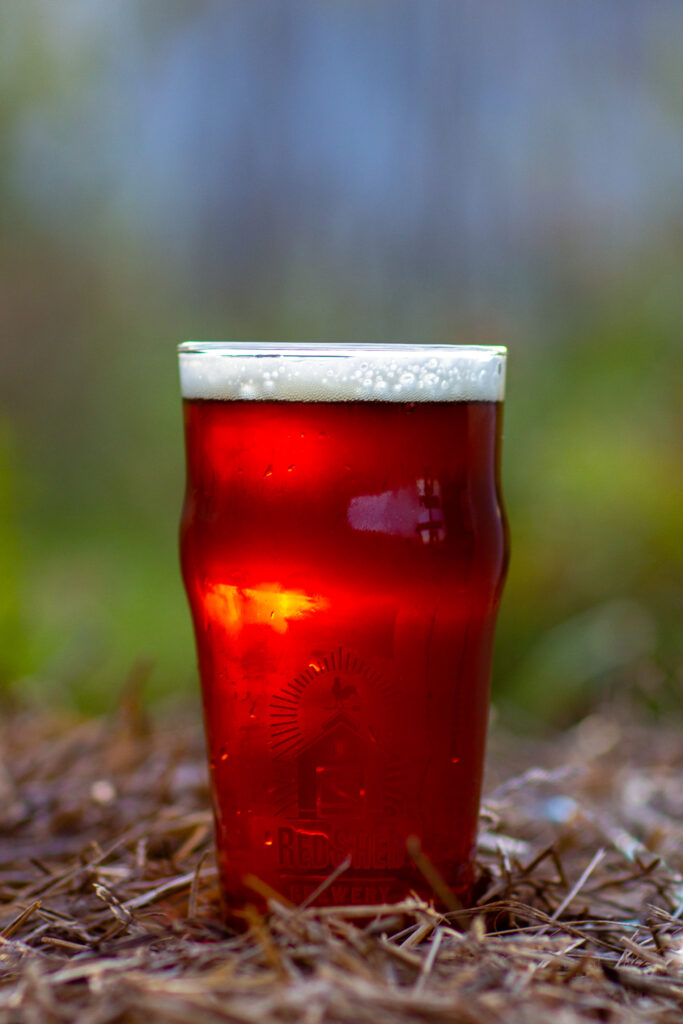
In branding, red is often associated with energy, passion, and heat. However, when applied to beer, the “red” label shifts toward the “earthy” end of the spectrum. It suggests a toasted, caramelized flavor profile that is perceived as “richer” than a golden pilsner but “smoother” than a black porter.
Brand managers leverage this visual cue to set consumer expectations. By naming a product “Red Beer,” a company is signaling a specific flavor architecture: one that emphasizes malt sweetness over hop bitterness. This clear communication through color helps reduce the “cognitive load” on the consumer, making the brand an easy choice for those seeking a specific, reliable experience.
Establishing Emotional Connections Through Visual Identity
Beyond flavor, the “red” identity often taps into a sense of rustic authenticity and tradition. Many brands use copper-toned packaging and warm lighting in their marketing materials to reinforce the “Red Beer” identity. This visual strategy aims to create an emotional connection with the consumer, positioning the drink as a “comfort” beverage—perfect for cozy pubs, autumn evenings, and social gatherings. This emotional resonance is a key component of brand loyalty, as consumers often identify with the “personality” of the beer they choose to hold in their hand.
Case Studies: Brands That Defined the Red Beer Category
To understand how “Red Beer” functions as a corporate identity, we must look at the brands that successfully commodified the style and turned a generic description into a recognizable market niche.
George Killian’s Irish Red: From Heritage to Mass Market
Perhaps the most famous example of red beer branding is George Killian’s Irish Red. Originally a recipe from a small brewery in Enniscorthy, Ireland, the brand was licensed by Coors (now Molson Coors) for the American market.
The brilliance of the Killian’s strategy lay in its “heritage-based” branding. By leaning heavily into Irish iconography—despite being produced in large-scale American facilities—the brand positioned itself as an “import-style” beer that was more sophisticated than a standard domestic lager. It successfully occupied the “premium-plus” tier, allowing the parent company to capture a demographic that wanted something slightly more “authentic” without the high price tag or challenging palate of true craft imports.
The Craft Revolution and the “Amber” vs. “Red” Naming Debate
As the craft beer movement took hold in the 1990s and 2000s, the nomenclature of red beer became a strategic battleground. Many American craft breweries opted for the term “Amber Ale” to distance themselves from the mass-market “Red” labels.
However, the “Red” moniker persisted among brands looking to emphasize a specific European lineage. Brands like Smithwick’s (owned by Diageo) have maintained a dominant global position by sticking to the “Red” identity, associating the brand with centuries of Irish brewing history. The choice between “Amber” and “Red” is rarely about the liquid itself; it is a strategic decision based on whether the brand wants to appear modern and “crafty” (Amber) or traditional and “established” (Red).

Strategic Differentiation: How to Market a Niche Style in a Saturated Market
In a market saturated with IPAs (India Pale Ales) and light lagers, red beer brands must fight for relevance. This requires a sophisticated approach to differentiation and targeted marketing.
Targeting the “Middle-Ground” Consumer
The most successful red beer brands target the “Goldilocks” consumer—someone who finds light lagers too thin or boring, but finds heavy, hop-forward IPAs too aggressive. This positioning is a classic “Blue Ocean” strategy within a “Red Ocean” market. By focusing on “drinkability” combined with “flavor depth,” red beer brands provide a safe harbor for the average consumer.
Marketing campaigns for these brands often focus on the “all-rounder” nature of the product. It is branded as a beer that pairs well with food, fits any season, and appeals to both men and women across various age groups. This broad appeal is a deliberate brand strategy designed to maximize market share in the mid-tier segment.
Storytelling as a Tool for Brand Loyalty
Because red beer often lacks the extreme flavor profiles of other craft styles, its brand value is heavily reliant on storytelling. Brands that succeed in this category often create a narrative around the “roasting process” or the “selection of specialty malts.”
By educating the consumer on the “craft of the red,” brands elevate the product from a simple commodity to an artisanal experience. This storytelling is often delivered through “heritage-style” labeling, including fonts that evoke old-world calligraphy and illustrations of traditional brewing equipment. In the absence of a radical flavor profile, the story becomes the product.
The Future of Beverage Branding: Adapting to Changing Palates
As the beverage industry evolves with the rise of non-alcoholic options, hard seltzers, and a more health-conscious consumer base, the “Red Beer” category faces new branding challenges.
Sustainability and Transparency in Modern Brand Identity
The modern consumer, particularly within the Millennial and Gen Z cohorts, demands more than just a good story; they demand transparency and corporate responsibility. For red beer brands to remain relevant, their identity must now incorporate elements of sustainability.
This might include branding centered around “locally sourced grains” or “carbon-neutral brewing.” We are seeing a shift where the “Red” in the beer’s name is being joined by “Green” initiatives in its corporate identity. Brands that fail to integrate these values into their core identity risk appearing dated and out of touch with contemporary social values.
Digital Branding and Social Proof in the Alcohol Industry
The battle for the “Red Beer” market is increasingly being fought on digital platforms. Brand strategy now involves more than just television spots or billboards; it requires a robust presence on social media and beer-rating apps like Untappd.
For a red beer brand, the challenge is to remain “Instagrammable” despite its traditional roots. This has led to a reimagining of packaging design—moving away from cluttered, traditional labels toward “minimalist-retro” aesthetics that pop on a mobile screen. Furthermore, brands are leveraging “influencer” partnerships with chefs and “foodies” to emphasize the beer’s culinary versatility, ensuring that “Red Beer” remains a staple in the digital conversation surrounding lifestyle and gastronomy.
Conclusion: The Enduring Power of a Well-Defined Niche
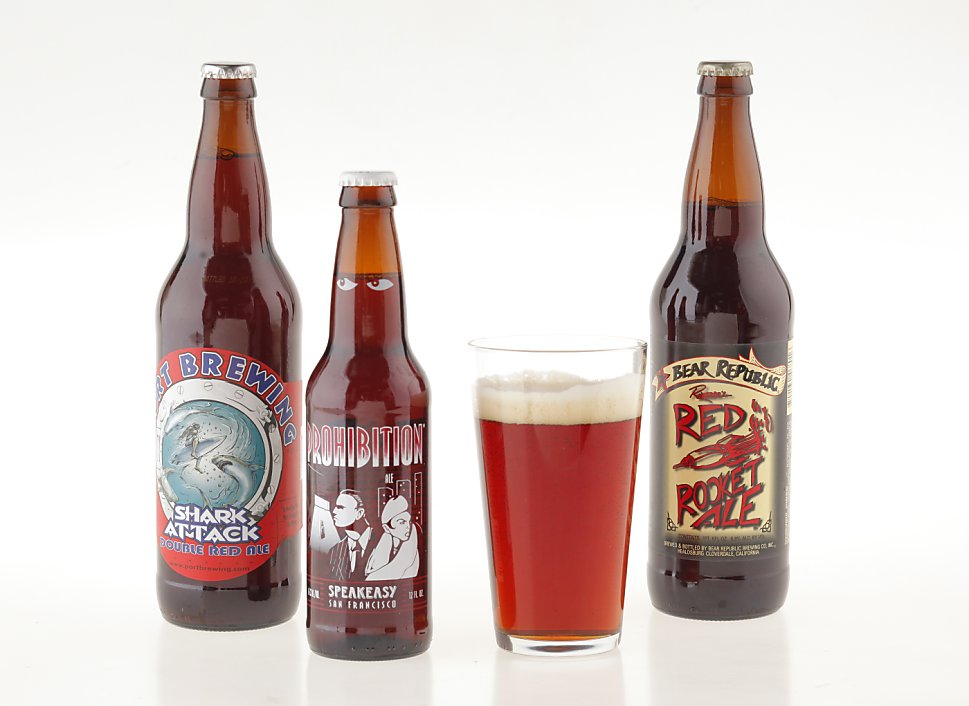
What is red beer? From a branding perspective, it is a masterfully crafted identity that promises balance, tradition, and accessibility. It is a product that refuses to be pigeonholed as either “boring” or “extreme,” occupying a strategic sweet spot that has allowed it to endure through decades of shifting trends.
For companies looking to build a brand in the beverage space, the story of red beer offers a vital lesson: success is not just about the quality of the product, but about the clarity of the promise you make to the consumer. By leveraging color psychology, heritage-based storytelling, and targeted market positioning, red beer brands have created a category that is as much about a feeling and an identity as it is about the liquid in the glass. As the industry continues to move forward, the brands that can successfully marry the “rustic” appeal of red beer with modern values of sustainability and digital engagement will be the ones that continue to thrive.
aViewFromTheCave is a participant in the Amazon Services LLC Associates Program, an affiliate advertising program designed to provide a means for sites to earn advertising fees by advertising and linking to Amazon.com. Amazon, the Amazon logo, AmazonSupply, and the AmazonSupply logo are trademarks of Amazon.com, Inc. or its affiliates. As an Amazon Associate we earn affiliate commissions from qualifying purchases.