
In the world of corporate identity and marketing strategy, the term “navel lint” is rarely used to describe physical debris. Instead, it serves as a powerful metaphor for the accumulation of internal biases, self-congratulatory narratives, and redundant corporate jargon that clogs the machinery of a brand’s communication. Just as physical navel lint is a collection of stray fibers and dead skin cells that serve no functional purpose, “brand navel lint” is the byproduct of a company focusing too much on its internal ego and not enough on its external value.
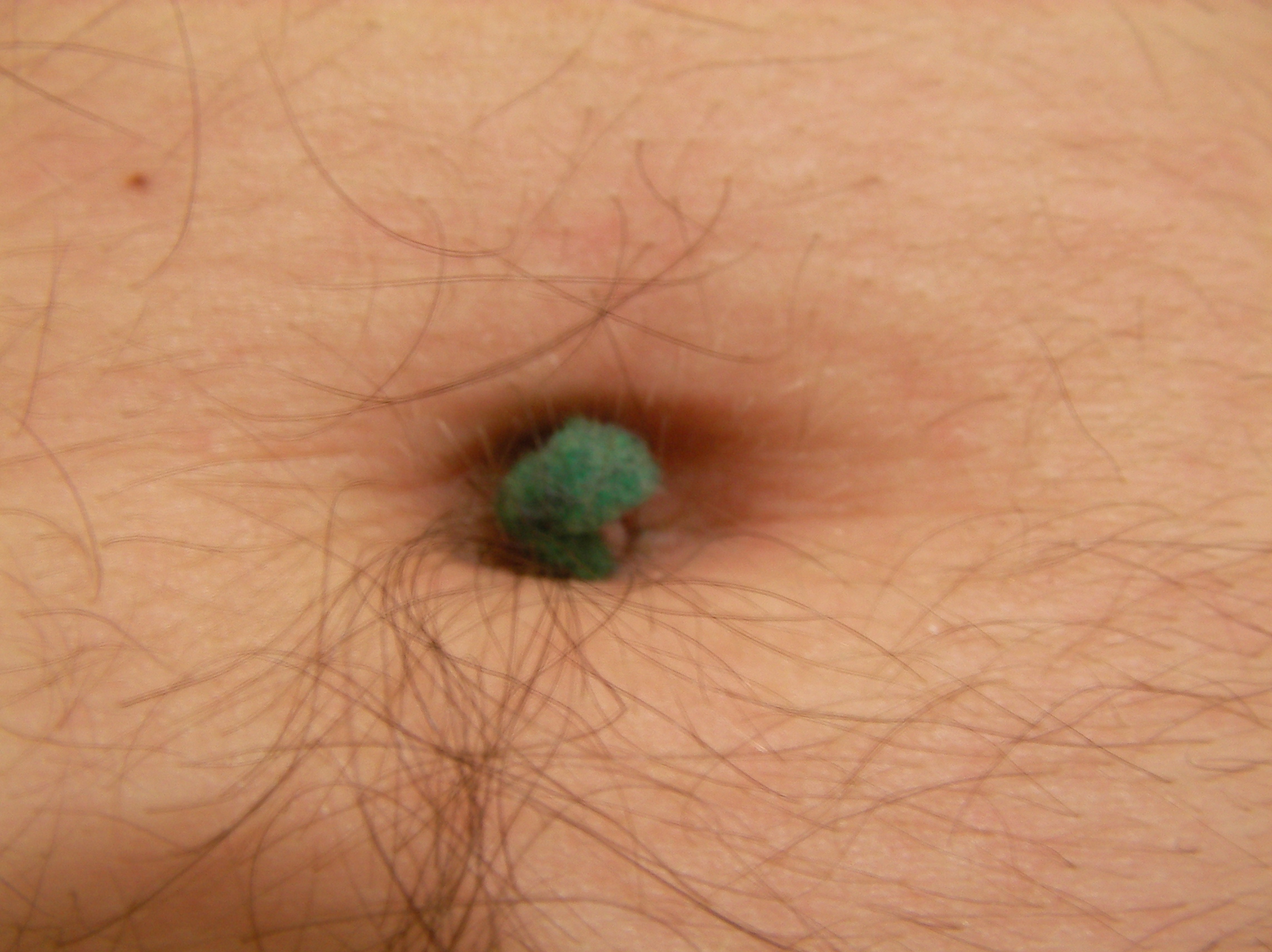
When a company becomes obsessed with its own history, its internal culture, or its complex technical processes at the expense of the customer experience, it is engaging in “navel-gazing.” This article explores why this phenomenon occurs, how it manifests in modern branding, and why scrubbing away this strategic “lint” is essential for long-term market relevance.
The Anatomy of Navel Lint in Corporate Identity
To understand what navel lint represents in a professional context, one must look at the “outside-in” versus “inside-out” approach to branding. Many organizations suffer from an inside-out perspective, where they assume that because a feature or a milestone is important to the CEO, it must be inherently valuable to the consumer. This creates a buildup of unnecessary “fluff” in the brand’s messaging.
Identifying the Symptoms of “Fluffy” Branding
The most common sign of brand navel lint is the overuse of industry buzzwords that mean nothing to the average user. Phrases like “synergistic paradigms,” “innovative disruption,” or “holistic solutions” are the fibers of navel lint. They sound impressive in a boardroom but offer zero clarity to a potential lead. When your marketing materials are more concerned with how “cutting-edge” you are rather than how you solve a specific pain point, you have a lint problem.
Another symptom is the “About Us” obsession. While a brand’s history is important, it becomes navel lint when the company spends 80% of its homepage talking about its founding year and its internal mission statement, leaving only 20% for the customer’s needs. This imbalance signals that the brand is more interested in its own reflection than in the community it serves.
Why Companies Fall into the Self-Referential Trap
Navel-gazing usually happens by accident. It is often the result of “the curse of knowledge”—a cognitive bias where individuals communicating on behalf of an organization assume that others have the background to understand the internal complexities they find so fascinating. Marketing teams, immersed in the company culture day in and day out, begin to view their internal milestones as major external events.
Furthermore, corporate hierarchy often fuels the production of navel lint. When branding decisions are made to please internal stakeholders rather than to convert customers, the result is a brand identity that reflects the ego of the executive suite. The strategy becomes a mirror rather than a window.
The High Cost of Internal Obsession: How Navel Lint Smothers Growth
While “lint” might seem harmless, in the competitive landscape of modern business, it acts as a significant friction point. Every piece of irrelevant information a customer has to navigate is an opportunity for them to bounce to a competitor who speaks their language.
The Disconnect Between Corporate Ego and Consumer Reality
The primary danger of navel lint is the erosion of empathy. A brand that is too busy looking inward loses its pulse on the market. When consumer trends shift, navel-gazing brands are the last to notice because they are too preoccupied with their internal “excellence.”
Consider the difference between a brand that promotes a product by listing its technical specifications (internal focus) versus one that promotes the lifestyle transformation the product allows (external focus). The former is often bogged down by technical “lint” that confuses the buyer, while the latter cuts through the noise. High-performance brands like Apple or Nike rarely talk about the “fibers” of their process; they talk about the “feeling” of the result.
The Financial Implications of Strategic Clutter
From a marketing ROI perspective, navel lint is expensive. It inflates the cost of customer acquisition because your messaging is inefficient. If a customer has to read three paragraphs to understand what you do, your conversion rate will plummet. In the digital age, where attention spans are measured in seconds, “linty” content—content that is heavy on self-promotion and light on utility—is a direct drain on the marketing budget.
Moreover, it complicates the sales cycle. If your sales team is armed with decks that focus on “Who We Are” rather than “How We Help,” they spend more time defending the company’s honor than closing deals. This internal friction slows down growth and creates a stagnant corporate environment.

Scrubbing the Slate: Strategies to Remove Brand Navel Lint
Cleaning up a brand requires a ruthless commitment to objectivity. It involves stripping away the layers of corporate ego to reveal the core value proposition. This process isn’t about diminishing the company’s achievements; it’s about repositioning them so they matter to the world outside the office walls.
Implementing an Outside-In Strategic Framework
The most effective way to remove navel lint is to adopt a “customer-as-hero” framework. In this model, the brand is not the protagonist of the story; the customer is. The brand’s role is that of the guide or the tool that helps the hero achieve their goal.
To implement this, marketing teams should perform a “Lint Audit.” This involves reviewing every piece of collateral—from the website to social media bios—and asking: “Does this sentence solve a customer problem, or does it just make us look good?” If it’s the latter, it’s lint, and it needs to be removed. Replacing “We are the leading provider of…” with “You can achieve [Result] by using…” is the first step toward a lint-free identity.
The Role of Data in Piercing the Corporate Bubble
Data is the ultimate vacuum cleaner for brand navel lint. Internal opinions about what the brand “should” be are subjective, but customer behavior is objective. By analyzing bounce rates, heatmaps, and customer feedback, brands can see exactly where their audience loses interest.
If data shows that users consistently skip over the “Our Philosophy” video to get to the pricing page, that is a clear indicator that the philosophy section is currently acting as lint. High-performing brands use A/B testing to pit “ego-driven” copy against “benefit-driven” copy. In almost every case, the benefit-driven copy wins, proving that customers have little interest in a brand’s internal musings.
Building a “Lint-Free” Personal Brand
The concept of navel lint isn’t restricted to large corporations; it is perhaps even more prevalent in personal branding. As individuals build their online presence on platforms like LinkedIn or X (formerly Twitter), the temptation to engage in performative professional behavior is high.
Authenticity vs. Performance: Finding the Sweet Spot
Personal brand navel lint often manifests as “hustle culture” posts or over-sharing internal milestones that lack a “so what?” factor for the audience. An individual might post about their third cup of coffee at 5:00 AM, thinking it demonstrates work ethic. To the observer, however, this is often perceived as self-indulgent lint.
A “lint-free” personal brand focuses on providing value through insights, curation, or mentorship. It acknowledges the person’s journey but always ties it back to a lesson or a benefit for the follower. The goal is to be “the most helpful person in the room,” not the “most important person in the room.”
The “So What?” Test for Content Creation
Before posting or publishing, every personal brand strategist should apply the “So What?” test. If you state that you just completed a certification, ask “So what?” until you reach a conclusion that benefits the reader.
- Statement: I just got my Project Management Professional (PMP) certification. (Lint)
- So what? It means I know more about frameworks.
- So what? I can now help my clients reduce project delivery times by 20%. (Value)
By focusing on the 20% reduction in delivery time, you’ve cleaned the lint off your personal brand and replaced it with a clear value proposition.

Future-Proofing Your Brand Against Internal Clutter
Maintaining a clean, efficient brand is not a one-time event; it is a continuous process of hygiene. As companies grow, they naturally accumulate more layers, more departments, and more “lint.” Strategic vigilance is required to ensure the brand remains lean and customer-centric.
Future-proofing involves creating a culture where internal feedback is balanced with external reality. This might mean regularly bringing in outside consultants who haven’t been “indoctrinated” by the company culture to provide an honest assessment of the brand’s messaging. It also means rewarding marketing and sales teams not for how “on-brand” they are, but for how well they resonate with the target audience.
In conclusion, “navel lint” in branding is the silent killer of engagement. It is the byproduct of an organization that has forgotten that its primary purpose is to serve, not to be admired. By identifying the symptoms of navel-gazing, understanding its costs, and implementing rigorous audits to remove strategic clutter, brands can ensure they remain relevant, agile, and—most importantly—focused on the people who actually matter: their customers. In a world full of noise, the cleanest brand always wins.
aViewFromTheCave is a participant in the Amazon Services LLC Associates Program, an affiliate advertising program designed to provide a means for sites to earn advertising fees by advertising and linking to Amazon.com. Amazon, the Amazon logo, AmazonSupply, and the AmazonSupply logo are trademarks of Amazon.com, Inc. or its affiliates. As an Amazon Associate we earn affiliate commissions from qualifying purchases.