
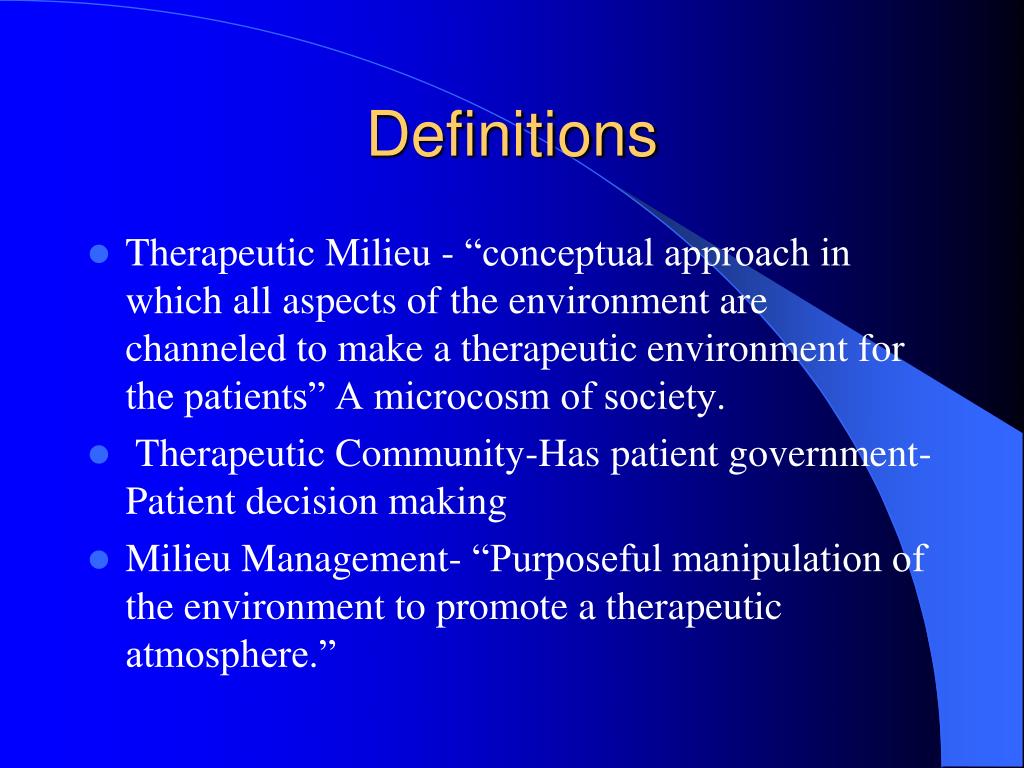
In the contemporary landscape of marketing and corporate strategy, the traditional boundaries of branding have expanded far beyond logos, slogans, and color palettes. Today, successful organizations are moving toward a more holistic concept: Milieu Management. While the term “milieu” originates from sociology and psychology—referring to the social environment or surroundings in which someone lives or something happens—in the context of brand strategy, it represents the deliberate curation and oversight of the entire environment in which a brand exists and interacts with its audience.
Milieu management is the art and science of controlling the brand’s “world.” It is not just about what a brand says in an advertisement; it is about the culture it fosters, the physical and digital spaces it occupies, and the psychological state it induces in its consumers. For a modern brand to remain relevant, it must move beyond transactional relationships and begin managing its milieu with surgical precision.

The Foundations of Milieu Management in Brand Strategy
To understand milieu management, one must first recognize that a brand is no longer a static entity. It is a living ecosystem. In the past, brand management was defensive—protecting the trademark and ensuring visual consistency. Today, it is proactive and environmental.
The Shift from Product to Environment
Consumer behavior has shifted from a focus on the utility of a product to the “vibe” or environment that product provides. When a consumer buys a luxury watch, they are not just buying a timekeeping device; they are buying entry into a specific social and cultural milieu. Milieu management involves identifying the specific environmental cues that signal status, belonging, or values. By managing the milieu, brand strategists ensure that every touchpoint—from the ambient lighting in a retail store to the tone of a social media reply—contributes to a singular, immersive experience.
Moving Beyond Demographics to Psychographic Context
Traditional branding relies heavily on demographics (age, location, income). Milieu management, however, prioritizes the psychographic context—the shared values, interests, and lifestyles of a community. Instead of targeting “males aged 25–40,” milieu management targets “the urban minimalist who values sustainability and high-tech integration.” By understanding the milieu of the target audience, a brand can weave itself into the fabric of their daily lives, making the brand feel like a natural extension of the consumer’s identity rather than an external intrusion.
Core Components of a Brand Milieu
Effective milieu management requires a deep dive into the various layers that constitute a brand’s environment. These layers work in tandem to create a cohesive reality for the consumer.
The Cultural Narrative and Shared Values
At the heart of any brand milieu is the narrative. This is the “why” behind the brand’s existence. Milieu management ensures that this narrative is not just a mission statement on a website but a lived reality. For example, if a brand’s milieu is built around “adventure and ruggedness,” every action the company takes—from sponsoring extreme sports to using recycled, durable materials—must reinforce that specific cultural space. When the narrative is consistent, the milieu becomes a powerful filter that attracts like-minded individuals and repels those who do not fit, creating a strong, loyal tribe.
The Integration of Physical and Digital Touchpoints
In a “phygital” world, the brand milieu exists across both physical and digital realms simultaneously. Milieu management requires that the “feeling” of a brand’s website mirrors the “feeling” of its flagship store. This is achieved through sensory branding: the UI/UX design of an app must evoke the same emotional response as the interior design of a physical office or shop. If a brand promotes luxury and ease, but its mobile app is clunky and frustrating, the milieu is broken. Management of these touchpoints ensures a seamless transition for the consumer as they move through different brand environments.

Community and Social Dynamics
The most potent brands are those where the consumers themselves become part of the milieu. This is seen in high-end automotive clubs or exclusive software developer communities. Milieu management involves facilitating these social dynamics without over-controlling them. It is about providing the “venue” (whether digital or physical) where the brand’s community can interact. By managing the rules of engagement and the tone of the community, the brand ensures that the social environment remains a positive reflection of its core identity.
Strategic Execution: How to Manage a Brand’s Milieu
Managing a milieu is a continuous process of observation, curation, and adaptation. It is not a “set it and forget it” strategy; it requires constant pulse-checking of the cultural landscape.
Curating the Brand Atmosphere
Curating an atmosphere involves a meticulous attention to detail. This includes the “unseen” elements of branding: scent, sound, and the pacing of service. In luxury hospitality, milieu management is the difference between a high-end hotel and a legendary one. It is the specific playlist curated to change moods throughout the day, the signature fragrance in the lobby, and the way staff are trained to anticipate needs. In the digital space, this translates to the “vibe” of content—using specific types of photography, color grading, and even specific slang or terminology that resonates with the target milieu.
Maintaining Consistency Across the Ecosystem
The greatest threat to a brand milieu is incongruence. If a brand claims to be “disruptive and edgy” but operates with a traditional, bureaucratic corporate structure, the milieu will eventually collapse under the weight of its own hypocrisy. Milieu management extends inward to corporate culture. Employees must embody the milieu so that their interactions with partners, stakeholders, and customers are authentic. A brand milieu is only as strong as its weakest link; therefore, every department—from HR to R&D—must be aligned with the environmental goals of the brand.
Adaptive Responses to Cultural Shifts
No milieu exists in a vacuum. External cultural shifts—such as changes in social justice movements, economic downturns, or technological breakthroughs—can alter how a brand’s environment is perceived. Effective milieu management involves “scanning the horizon” to anticipate these shifts. If the cultural milieu moves toward “quiet luxury,” a brand that was previously “loud and flashy” must subtly recalibrate its environment to stay relevant without losing its core identity. This adaptability ensures that the brand doesn’t become a relic of a past era.
The Role of Milieu Management in Building Long-term Brand Equity
The ultimate goal of milieu management is to move a brand from being a choice to being a destination. When managed correctly, the milieu creates a level of brand equity that is difficult for competitors to disrupt.
Creating Deep Emotional Resonance
Milieu management taps into the human need for belonging and meaning. By providing a structured, curated environment, brands offer more than just products—they offer a sense of place. When a consumer feels “at home” within a brand’s milieu, their loyalty becomes emotional rather than rational. They are less likely to switch to a competitor based on price because the competitor does not offer the same environmental “feeling.” This emotional resonance is the cornerstone of premium pricing and long-term sustainability.
Fostering Advocacy and Organic Growth
When a brand manages its milieu successfully, it turns customers into advocates. These advocates do not just buy the product; they live the brand’s lifestyle and invite others into the milieu. This organic growth is far more valuable than paid acquisition because it is built on social proof and shared identity. In this stage, the milieu begins to manage itself to some extent, as the community upholds the standards and culture of the brand. However, the brand manager must remain the “custodian” of this space, ensuring it doesn’t drift away from the founding vision.
Conclusion: The Future of Branding is Environmental
As we move further into an era defined by experience and identity, Milieu Management will become the standard framework for high-level brand strategy. It requires a move away from the loud, intrusive marketing tactics of the past toward a more nuanced, atmospheric approach. By focusing on the “milieu,” brands can create immersive worlds that captivate, engage, and retain audiences in an increasingly distracted market.
In the end, products can be copied, and features can be duplicated, but a well-managed milieu is unique. It is the soul of the brand, manifested in every detail of its environment. For the modern brand strategist, the mandate is clear: stop just managing the brand, and start managing the milieu.
aViewFromTheCave is a participant in the Amazon Services LLC Associates Program, an affiliate advertising program designed to provide a means for sites to earn advertising fees by advertising and linking to Amazon.com. Amazon, the Amazon logo, AmazonSupply, and the AmazonSupply logo are trademarks of Amazon.com, Inc. or its affiliates. As an Amazon Associate we earn affiliate commissions from qualifying purchases.