
In the modern digital landscape, data is often referred to as the “new oil.” However, raw data by itself is frequently unintelligible, disorganized, and difficult to navigate. To transform raw data into a valuable asset, technology professionals rely on a foundational concept known as metadata. While the term “metadata” might sound like abstract jargon, it is the invisible architecture that allows every database, application, and AI tool to function efficiently. Simply put, if a database is a vast library of information, metadata is the sophisticated cataloging system that tells you where every book is, who wrote it, when it was published, and how it relates to other volumes on the shelf.

Understanding the Concept of Metadata
At its most fundamental level, metadata is defined as “data about data.” While this definition is technically accurate, it often fails to capture the complexity and necessity of the concept in a database environment. Metadata provides the context, description, and classification required to manage and use information effectively.
Defining Metadata: The “Data About Data” Paradox
When you look at a spreadsheet or a SQL table, you see rows of values—names, dates, and currency figures. Metadata is the information that defines what those values mean. For example, if a cell contains the number “20231024,” metadata tells the system whether that number is a date (October 24, 2023), a product serial number, or a transaction ID. Without this descriptive layer, a database would be nothing more than a chaotic digital landfill of numbers and strings.
Why Databases Can’t Function Without Metadata
In the world of software engineering and database administration, metadata serves as the communication bridge between the user and the storage engine. When a developer writes a query to retrieve “Customer Name,” the database management system (DBMS) refers to its internal metadata to identify which table contains that column, what data type it is (e.g., VARCHAR), and where that data is physically stored on the disk. Without metadata, automated processes would stall, as the computer would have no way of interpreting the raw bits and bytes it processes.
The Primary Types of Database Metadata
To manage complex systems, technology professionals categorize metadata into several distinct types. Each type serves a specific purpose in the lifecycle of data management, from the initial architectural design to long-term security auditing.
Structural Metadata: The Blueprint of Your Data
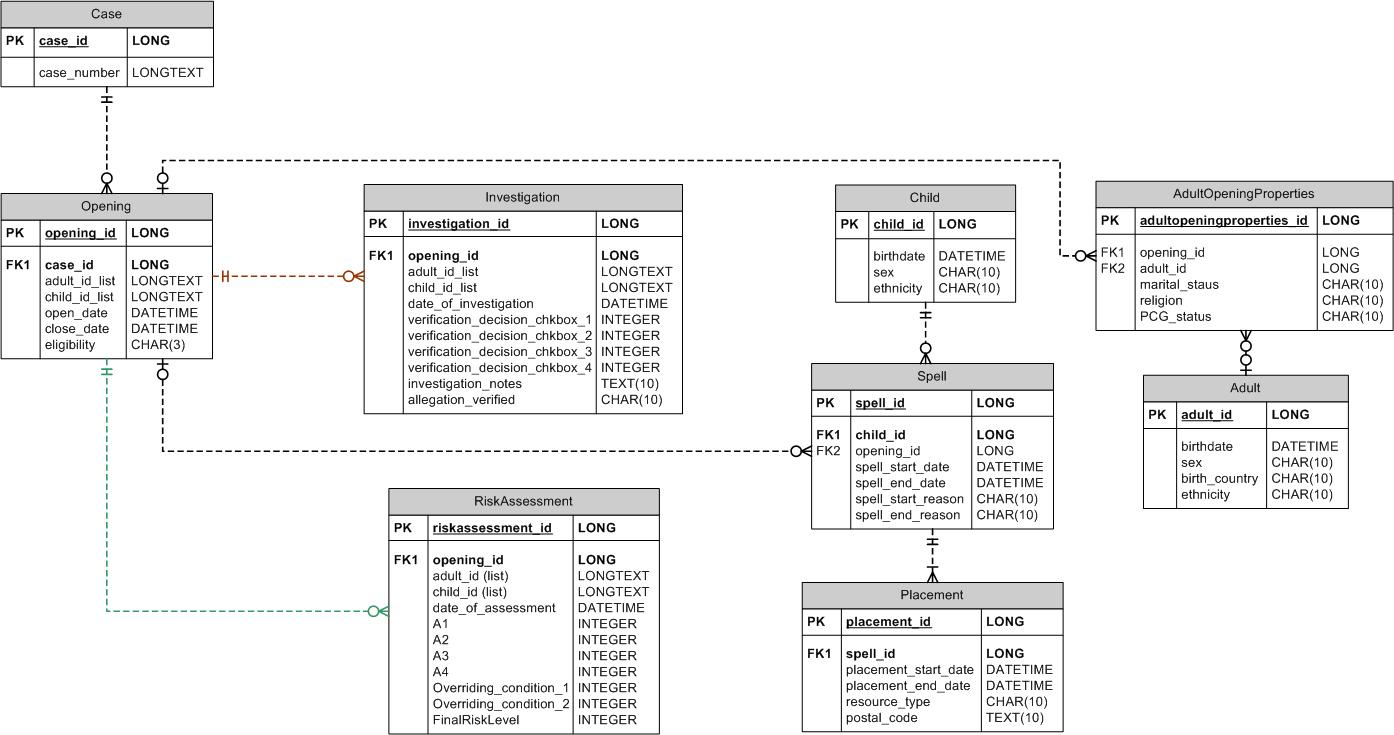
Structural metadata is perhaps the most critical form of metadata in a relational database. It defines the “containers” that hold the data. It includes the names of tables, the names of columns, the data types assigned to those columns (integers, strings, booleans), and the relationships between tables.
For instance, structural metadata defines “Primary Keys” and “Foreign Keys,” which are the logical links that allow a “Orders” table to connect to a “Customers” table. This structural layer ensures data integrity; if a column is defined as a “Number,” metadata prevents a user from accidentally entering text, thereby maintaining the stability of the entire software application.
Descriptive Metadata: Content and Context
Descriptive metadata focuses on the discovery and identification of data. In a database, this often manifests as annotations, tags, and documentation that help human users understand what the data represents. It answers questions like: Who created this record? What is the purpose of this table? Which department owns this data?
In modern Big Data environments and Data Lakes, descriptive metadata is vital for searchability. By tagging datasets with keywords or business-logic descriptions, organizations allow data scientists and analysts to find the specific information they need among petabytes of disparate files.
Administrative Metadata: Management and Security
Administrative metadata provides the technical instructions for managing a database. This includes information regarding access permissions (who is allowed to see or edit the data), data lineage (where the data came from and how it has changed over time), and storage details.
In the realm of digital security, administrative metadata is indispensable. It tracks audit trails, recording every time a piece of sensitive information is accessed or modified. This level of technical oversight is essential for maintaining “least privilege” access models and protecting against internal and external data breaches.

Metadata Repositories and Catalogs
For metadata to be useful, it must be organized and accessible. In professional technology environments, this is handled through specialized structures that act as the brain of the database system.
The Data Dictionary: A Developer’s Best Friend
A Data Dictionary is a centralized repository of metadata. It is a set of read-only tables or views provided by the DBMS that describes every object in the database. When a database administrator (DBA) needs to know which tables in a massive enterprise system are reaching their storage limits or which columns contain sensitive PII (Personally Identifiable Information), they query the Data Dictionary.
In systems like Oracle, SQL Server, or PostgreSQL, the Data Dictionary is automatically updated every time a schema change occurs. This automation ensures that the “map” of the data always matches the “territory” of the actual data stored.
Modern Metadata Management and Automation
As we move into the era of cloud-native applications and microservices, the volume of metadata has exploded. This has led to the rise of specialized Metadata Management Tools. These platforms automate the collection of metadata from various sources—SQL databases, NoSQL clusters, and cloud storage—into a single “Data Catalog.” This unified view allows organizations to manage their entire tech stack’s information architecture from a single pane of glass, facilitating better collaboration between software engineers and business stakeholders.
The Strategic Role of Metadata in the Modern Tech Stack
Beyond the basic functions of storage and retrieval, metadata plays a strategic role in the evolution of modern technology, particularly in the fields of governance, compliance, and artificial intelligence.
Enhancing Data Discovery and Searchability
In an era where companies collect more data than they can possibly analyze, the “findability” of information is a major bottleneck. Metadata acts as a sophisticated search engine for internal data. By utilizing robust metadata schemas, organizations can implement self-service data platforms. This allows developers and analysts to use natural language or keyword searches to locate specific datasets, significantly reducing the time-to-insight for software development projects.
Ensuring Data Governance and Compliance
With the rise of global regulations such as GDPR and CCPA, metadata has become a critical tool for legal compliance. Organizations must be able to prove they know exactly where personal data is stored and how it is being used. Metadata allows for “Data Labeling,” where specific columns can be marked as “Sensitive” or “Private.” Automated security protocols can then read this metadata to apply encryption or masking, ensuring that sensitive information is never exposed to unauthorized users or insecure environments.
Driving AI and Machine Learning Insights
Artificial Intelligence and Machine Learning (ML) are only as good as the data used to train them. Metadata provides the “labels” that ML models need to learn. For example, in an image recognition database, the metadata attached to each file (e.g., “contains a car,” “outdoor setting,” “daytime”) is what allows the algorithm to recognize patterns. In the context of database management, metadata helps AI-driven tools optimize query performance by analyzing patterns in how data is accessed and suggesting structural changes to improve speed and efficiency.
Best Practices for Effective Metadata Management
To truly leverage the power of metadata, technology teams must move beyond passive storage and adopt active management strategies. Effective metadata management requires a combination of technical rigor and organizational discipline.
- Automate Metadata Extraction: Relying on manual documentation is a recipe for failure, as documentation quickly becomes outdated. Use tools that automatically extract structural and administrative metadata during the ETL (Extract, Transform, Load) process.
- Standardize Naming Conventions: Metadata is most effective when it follows a consistent language. Establishing a standardized “Business Glossary” ensures that terms like “Customer_ID” mean the same thing across every database in the enterprise.
- Prioritize Data Lineage: Understanding the history of a piece of data is crucial for troubleshooting and accuracy. Implementing metadata that tracks the source, transformations, and final destination of data (lineage) allows engineers to trace errors back to their root cause.
- Incorporate Metadata into the Development Lifecycle: Treat metadata as a first-class citizen in the software development life cycle (SDLC). When designing new features or database schemas, ensure that the corresponding metadata is defined and cataloged from day one.
In conclusion, metadata is far more than a technical footnote; it is the fundamental framework that gives data its meaning, utility, and security. By understanding and effectively managing metadata, technology professionals can ensure that their databases remain organized, their applications remain performant, and their organizations remain compliant in an increasingly data-driven world. Whether you are a database architect, a software developer, or a tech enthusiast, mastering the nuances of metadata is essential for navigating the complexities of modern information systems.
aViewFromTheCave is a participant in the Amazon Services LLC Associates Program, an affiliate advertising program designed to provide a means for sites to earn advertising fees by advertising and linking to Amazon.com. Amazon, the Amazon logo, AmazonSupply, and the AmazonSupply logo are trademarks of Amazon.com, Inc. or its affiliates. As an Amazon Associate we earn affiliate commissions from qualifying purchases.