
In the modern digital landscape, data is often described as the new oil. However, just like raw petroleum, data is of little use without the sophisticated infrastructure required to extract, refine, and distribute it. This is where the Database Management System (DBMS) becomes the cornerstone of the technology stack. When we ask, “What is management in DBMS?” we are not simply referring to the storage of information. We are discussing the complex software layer that facilitates the interaction between users, applications, and the physical data stored on disks.
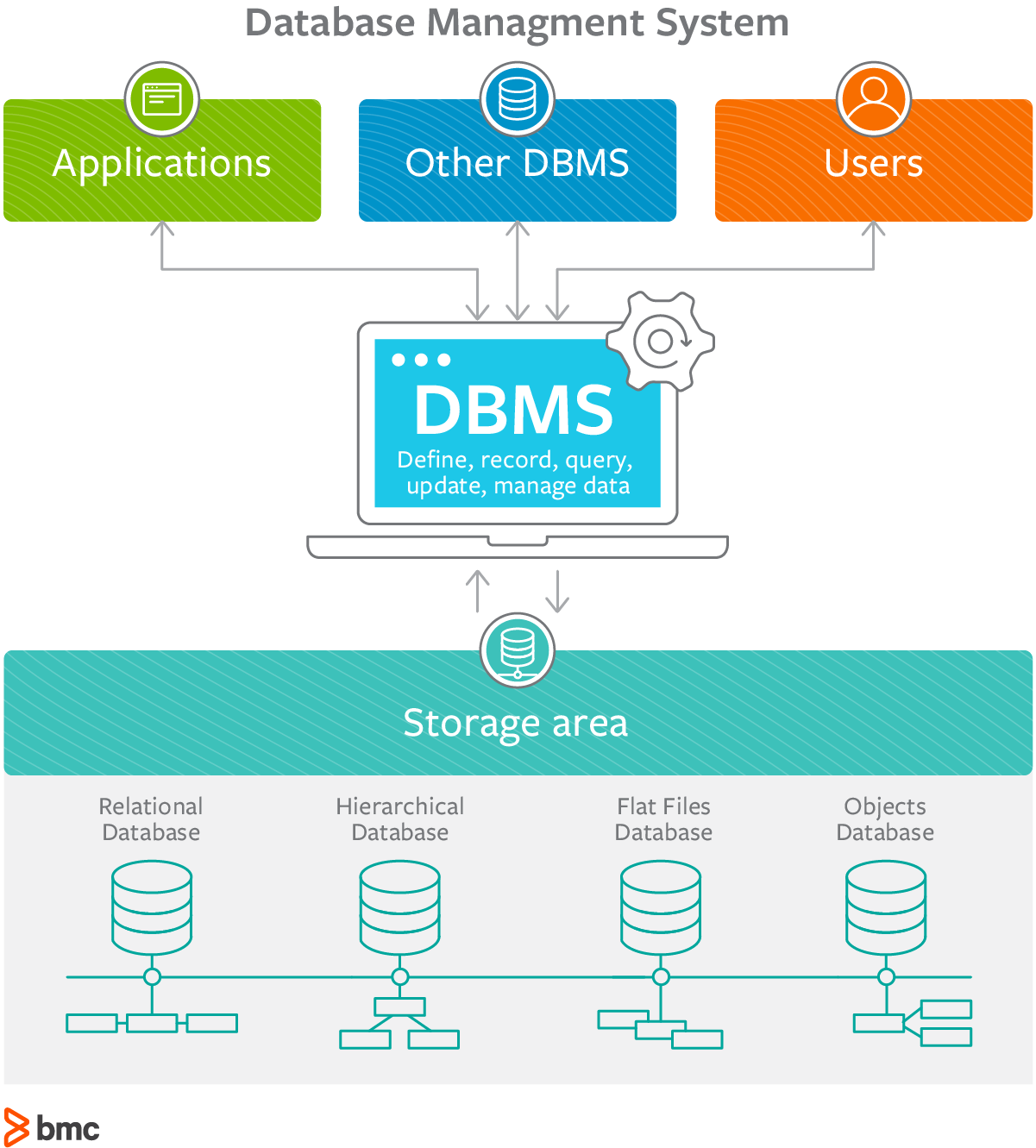
Management in a DBMS context encompasses the orchestration of data integrity, security, concurrency, and recovery. It is the invisible hand that ensures when you withdraw money from an ATM, your balance is updated instantly and accurately across the globe, or when millions of users access a social media platform, the right content reaches the right screen without delay.
The Architectural Core of Database Management
To understand management within a DBMS, one must first look at the architectural framework that allows these systems to function. The management layer acts as an intermediary, abstracting the physical complexities of hardware so that users can interact with logical data structures.
Data Storage and Retrieval Management
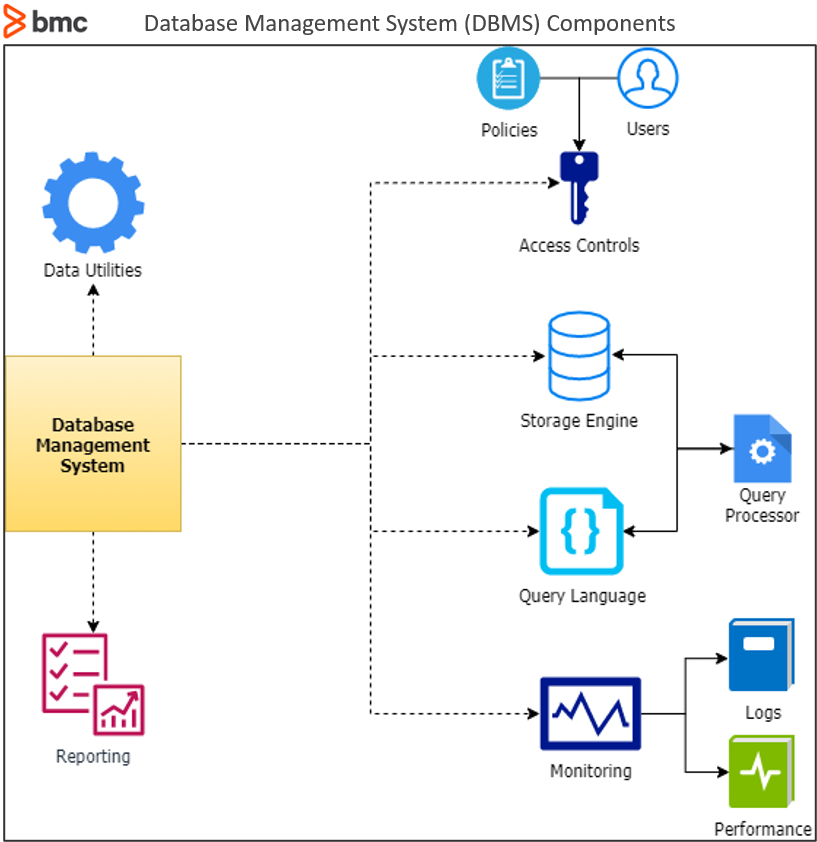
At its most fundamental level, management involves the “Data Manager” component. This subsystem is responsible for interacting with the file manager of the operating system. It translates high-level requests (like a SQL query) into low-level file system commands. Effective storage management ensures that data is stored in a way that minimizes latency. This involves managing data buffers, indexing strategies, and organizing data into pages or blocks to optimize I/O operations.
Schema Management and Data Abstraction
A critical aspect of DBMS management is the maintenance of the “Data Dictionary” or “Metadata.” This is the data about the data. Management involves defining and enforcing the schema—the logical structure of the database. By utilizing the Three-Schema Architecture (Physical, Conceptual, and External levels), the DBMS manages data independence. This means a developer can change the physical storage hardware without needing to rewrite the application code, a feat of management that provides immense flexibility to modern tech infrastructures.
The Role of the Query Processor
Management also extends to how queries are handled. When a user submits a request, the Query Processor manages the parsing, optimization, and execution of that request. It determines the most efficient path to retrieve data, much like a GPS manages a route to avoid traffic. Without this management function, complex queries could stall a system, leading to significant performance bottlenecks.
Essential Functions of Transaction and Concurrency Management
In a multi-user environment, management becomes significantly more complex. If two people try to book the last seat on a flight at the exact same millisecond, the DBMS must manage that conflict.
Transaction Management and ACID Properties
A “transaction” is a single logical unit of work. The management of these transactions is governed by the ACID properties: Atomicity, Consistency, Isolation, and Durability.
- Atomicity ensures that a transaction happens entirely or not at all.
- Consistency ensures the database moves from one valid state to another.
- Isolation manages concurrent transactions so they don’t interfere with each other.
- Durability ensures that once a transaction is committed, it remains so, even in the event of a system failure.
Managing these properties is what makes a DBMS “enterprise-grade.”
Concurrency Control Protocols
Concurrency management prevents “dirty reads,” “non-repeatable reads,” and “phantom reads.” The DBMS manages this through locking mechanisms (shared vs. exclusive locks) or timestamping. By managing who can read or write to a specific data row at any given time, the system prevents data corruption while still allowing thousands of simultaneous users to interact with the system.
Security and Access Control Management
Security is perhaps the most visible management function in the current era of cyber threats. Management in DBMS involves implementing Role-Based Access Control (RBAC). The system manages user permissions, ensuring that a marketing intern cannot access the payroll table, even if they are on the same network. This includes managing encryption at rest and in transit, as well as logging every access attempt to provide a comprehensive audit trail for digital security compliance.
Data Lifecycle and Integrity Management
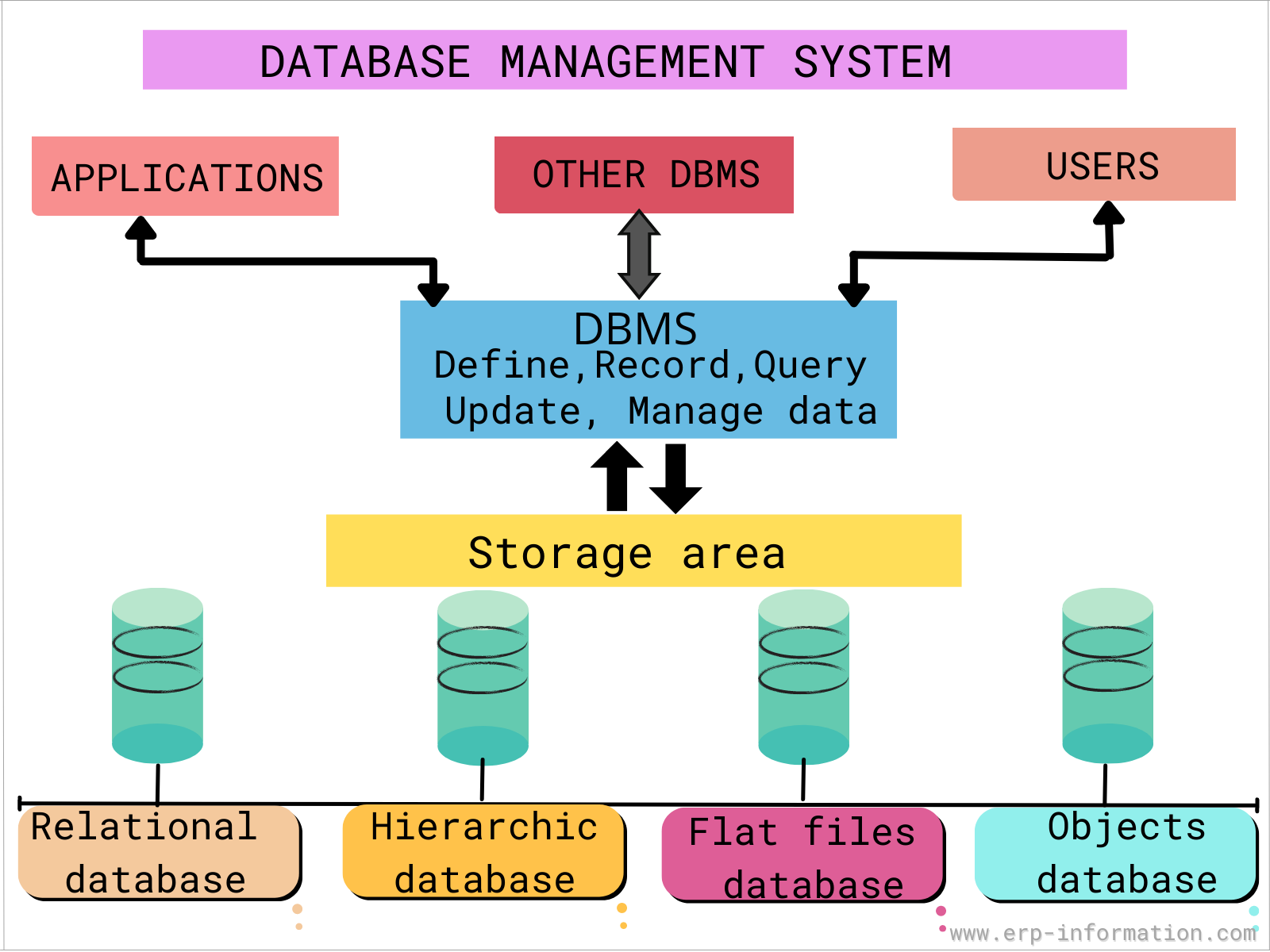
Data is not static; it grows, ages, and occasionally becomes corrupted. Managing the lifecycle of this data is a primary responsibility of the DBMS.
Maintaining Data Integrity and Constraints
Integrity management involves the enforcement of rules that keep the data accurate. This includes “Entity Integrity” (ensuring primary keys are unique and not null) and “Referential Integrity” (ensuring relationships between tables remain consistent through foreign keys). By managing these constraints at the database level rather than the application level, the DBMS acts as a final gatekeeper, preventing “bad data” from entering the system regardless of which app is trying to write it.
Backup and Recovery Management
Technological failures are inevitable. Whether it is a hardware crash, a power surge, or a software bug, the DBMS must manage the recovery process. This involves maintaining transaction logs and creating periodic backups. The “Recovery Manager” is the specific component that ensures the system can return to a consistent state following a crash, minimizing downtime and preventing data loss.
Performance Tuning and Optimization
Management is an ongoing process of refinement. Modern DBMS tools include management consoles that allow administrators to monitor “health” metrics. This includes managing index fragmentation, optimizing buffer cache hit ratios, and re-organizing data to reduce disk seek times. In the tech world, a well-managed database is the difference between a snappy, responsive application and one that frustrates users with long loading times.
Modern Trends in DBMS Management
The definition of “management” in DBMS is evolving rapidly as we shift toward cloud-centric and AI-driven environments.
Cloud-Native and Managed Database Services
We are seeing a massive shift toward “Managed Databases” (DBaaS – Database as a Service). In this model, the cloud provider (like AWS, Azure, or Google Cloud) handles the underlying physical management—patching the OS, scaling hardware, and managing backups—allowing developers to focus solely on the logical management of their data. This shift has democratized high-level database management for startups that lack the resources for a dedicated Database Administrator (DBA).
AI-Driven Automation in Database Administration
The latest frontier in DBMS management is “Autonomous Databases.” Using machine learning, these systems can now manage themselves. They can automatically tune queries, predict when more storage will be needed, and even detect security anomalies in real-time. This reduces the human error factor and allows the system to manage performance at a scale that was previously impossible.
Distributed and NoSQL Management Paradigms
The rise of Big Data has led to the management of distributed databases. Unlike traditional relational databases, NoSQL systems (like MongoDB or Cassandra) manage data across multiple geographic locations. This requires managing “Eventual Consistency” and “Partition Tolerance,” balancing the need for speed with the need for data accuracy across global server clusters.
The Impact of Effective DBMS Management on Digital Infrastructure
The management capabilities of a DBMS are what allow modern organizations to scale. Without robust management, the “Digital Transformation” many companies seek would be impossible.
Scalability and Business Growth
Effective management allows for both vertical scaling (adding more power to a single server) and horizontal scaling (adding more servers). As a tech product grows from 1,000 to 1,000,000 users, the DBMS management layer ensures that the increase in data volume does not result in a linear increase in latency. This scalability is essential for any tech tool looking to compete in the global market.
Compliance and Data Governance
In an era of GDPR, CCPA, and other data privacy regulations, the management functions of a DBMS are vital for legal compliance. The ability to manage data residency (where data is physically stored), manage the “right to be forgotten” (deleting all traces of a user), and manage data masking (hiding sensitive info from unauthorized users) is no longer optional. It is a fundamental requirement of modern software engineering.
In conclusion, management in a DBMS is the comprehensive set of processes and software functions that ensure data is accessible, secure, accurate, and resilient. It is the bridge between raw binary code and the meaningful information that powers our apps, gadgets, and digital services. As technology continues to advance toward more complex AI and distributed systems, the sophistication of these management layers will only increase, remaining the most critical component of the global tech ecosystem.
aViewFromTheCave is a participant in the Amazon Services LLC Associates Program, an affiliate advertising program designed to provide a means for sites to earn advertising fees by advertising and linking to Amazon.com. Amazon, the Amazon logo, AmazonSupply, and the AmazonSupply logo are trademarks of Amazon.com, Inc. or its affiliates. As an Amazon Associate we earn affiliate commissions from qualifying purchases.