
In the world of global marketing and corporate identity, few names carry as much weight, controversy, and equity as “Madonna.” To the casual observer, she is a pop icon, a provocateur, and a cultural mainstay. However, to the brand strategist, she represents one of the most successful case studies in personal branding history. While millions know her simply by her mononym, her real name is Madonna Louise Ciccone.
The transition from a young dancer from Bay City, Michigan, named Madonna Louise Ciccone to the global entity known simply as Madonna is not merely a story of musical talent; it is a masterclass in strategic brand positioning. By stripping away her surname and leaning into the religious and cultural weight of her given name, she created a brand that is both singular and infinitely adaptable.
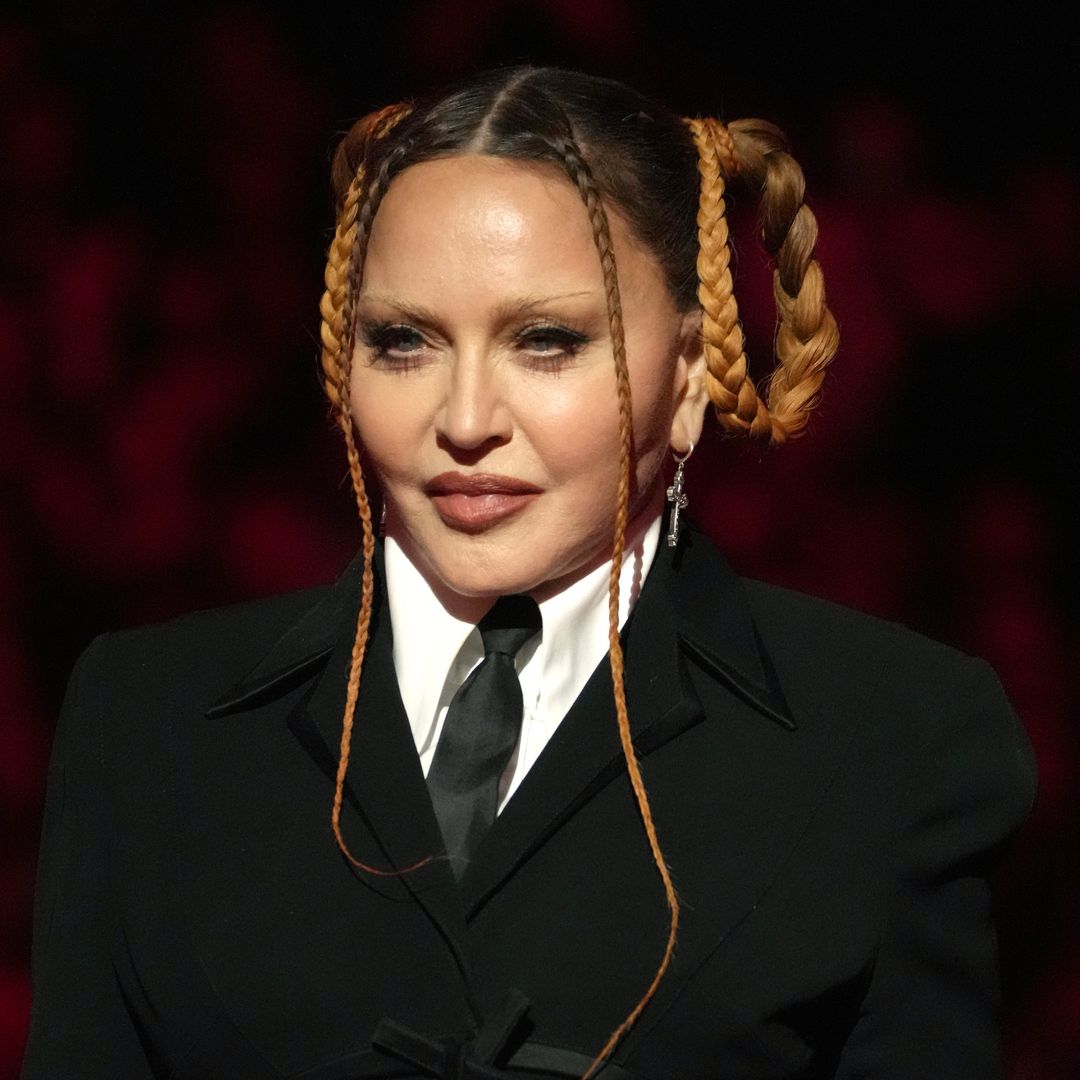
From Ciccone to Icon: The Evolution of a Personal Brand Identity
To understand the strength of the Madonna brand, one must first look at the foundation. Born on August 16, 1958, her name was not a stage fabrication. Unlike many of her contemporaries who adopted pseudonyms—think Reginald Dwight becoming Elton John or Stefani Germanotta becoming Lady Gaga—Madonna chose to lean into her birthright. However, the strategic decision to drop “Louise Ciccone” in professional contexts was the first major move in her branding journey.
The Origin Story and Narrative Architecture
Every powerhouse brand requires a compelling origin story. For Madonna, the narrative of arriving in New York City with “35 dollars and a pair of dance shoes” became the bedrock of her brand’s “self-made” ethos. By using her real name, she maintained a sense of authenticity, but by isolating the first name, she elevated herself to a mythic status. In branding terms, this is known as “Narrative Architecture”—creating a story that consumers can buy into, which provides context for every product (or album) released thereafter.
Strategic Simplification and the Mononym
In the early 1980s, the music industry was crowded with bands and solo artists with long, often forgettable names. By choosing to be “Madonna,” she utilized a “Strategic Simplification” model. A single name is easier to trademark, easier to design a logo around, and significantly easier for a global audience to remember. In the “Brand” niche, we recognize that the less friction a consumer has when recalling a name, the higher the brand recall and market penetration.
Consistency Through Constant Reinvention
A paradox of the Madonna brand is that its primary constant is change. While a corporate brand like Coca-Cola relies on visual consistency (the red and white logo), a personal brand often relies on a “Core Identity” while allowing for “Surface Reinvention.” Whether she was the “Material Girl,” the “Empress of Pop,” or the “Yogi” of the late 90s, the core brand identity—rebellion, female empowerment, and boundary-pushing—remained the same even as the aesthetic shifted.
The Archetype of the Mononym in Marketing Strategy
The decision to move away from “Madonna Louise Ciccone” toward the singular “Madonna” aligns with the psychology of mononymity. In the landscape of brand strategy, a single name suggests a level of fame so pervasive that no further clarification is needed. It moves the individual from a “person” to an “archetype.”
The Psychology of Singular Brand Recognition
When a brand can be identified by a single word, it occupies a unique space in the consumer’s mind. This is similar to how “Apple” or “Google” operate. There is no need to say “Apple Computers” anymore; the single word encompasses the entire ecosystem. For Madonna, her name became shorthand for a specific type of cultural disruption. This psychological shortcut allows for faster “Brand Equity” building across international borders where surnames might be difficult to pronounce or remember.
Differentiating the Human from the Brand Entity
One of the most difficult challenges in personal branding is the “Human-Brand Blur.” By operating under the mononym Madonna, she created a professional distance between Madonna Louise Ciccone (the private citizen) and “Madonna” (the commercial product). This distinction is vital for long-term brand health. It allows the creator to make “brand decisions” that might be controversial or edgy without necessarily reflecting their private persona, thereby protecting the longevity of the individual behind the machine.
Universal Appeal and Transcending Language Barriers
From a marketing perspective, “Madonna” is a linguistic powerhouse. It has Latin roots, is recognized across all Romance languages, and carries deep religious connotations globally. By utilizing her real name rather than a manufactured one, she tapped into pre-existing cultural “brand awareness.” She didn’t have to explain what a “Madonna” was; the history of art and religion had already done the marketing for her for two millennia.
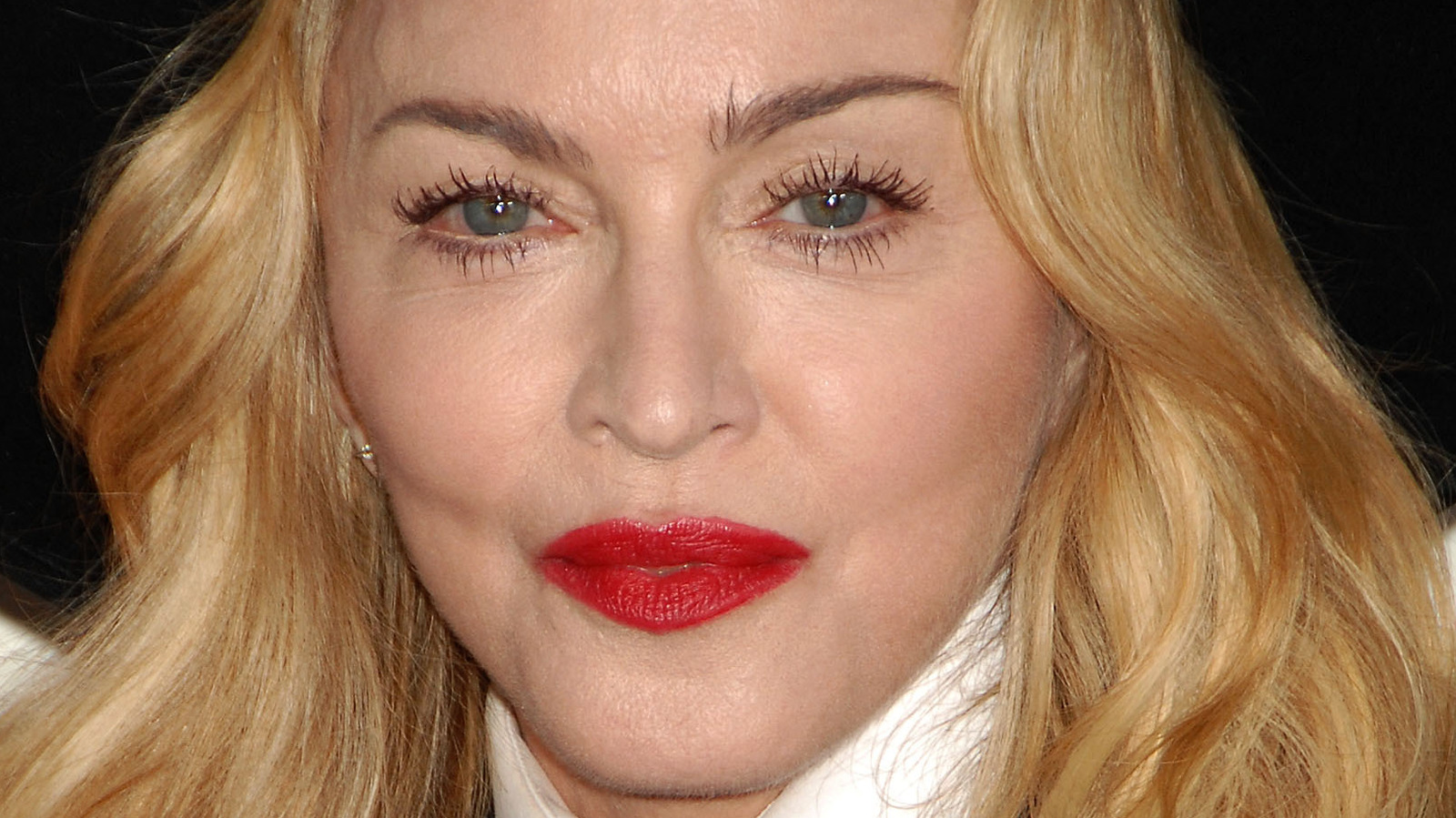
Building a Global Corporate Identity through Artistic Pivot Points
Madonna’s career is often cited in business schools as a prime example of “Lifecycle Management.” A brand that stays the same for 40 years will eventually face “Brand Fatigue.” Madonna avoided this by treating each career phase as a “Product Pivot.”
Managing Brand Equity over Decades
Brand equity is the value of a brand name that goes beyond the functional purpose of the product. Madonna’s equity is so high that she can sell out stadiums regardless of the critical reception of her latest work. This is because she has spent decades building “Loyalty Equity.” Her “Ciccone” roots provided the grit, but her “Madonna” persona provided the aspiration. Marketing professionals call this “Relationship Marketing”—building a bond with the audience that survives the ups and downs of specific product cycles.
Pivot Points: Constant Innovation as Brand Strategy
In the corporate world, companies like Netflix or Amazon are praised for their ability to pivot (from DVDs to streaming, or from books to everything). Madonna performed these pivots before they were standard business practice. Each album cycle represented a “Brand Refresh.”
- The 1980s: Market penetration and establishing the visual identity.
- The 1990s: Brand diversification (film, book publishing with Sex, and founding Maverick Records).
- The 2000s: Global expansion and digital adaptation.
Through these pivots, she ensured that the Madonna brand never became a “legacy brand” (one that only lives on past glories), but remained a “challenger brand” that sought to disrupt the current status quo.
The Maverick Records Case Study: Brand Extension
Madonna’s business acumen extended beyond her own image when she co-founded Maverick Records. This was a classic “Brand Extension.” She leveraged her personal brand power to sign and market other artists, most notably Alanis Morissette. This move proved that the Madonna brand wasn’t just about her voice; it was about her “Taste Leadership.” In branding, being a taste leader is the highest form of authority, as it implies that the brand’s endorsement is more valuable than the product itself.
The Legal and Digital Infrastructure of the Madonna Brand
A brand is only as strong as its protection. While she was born Madonna Louise Ciccone, she had to legally and commercially defend the “Madonna” mark to ensure it remained her exclusive intellectual property.
Trademarking the Mononym
In the niche of brand strategy, trademarking is the “moat” that protects the castle. Madonna was one of the first entertainers to treat her name with the same legal rigor as a Fortune 500 company. By securing trademarks for her name across various categories—from music and film to clothing and fragrances—she ensured that no one else could dilute her brand’s value. This is a critical lesson for modern influencers: your name is your most valuable asset, and it requires legal fortification.
Digital Presence and Legacy Management
In the age of social media, personal branding has moved into the digital realm. Madonna’s transition to digital platforms shows a commitment to “Omnichannel Marketing.” Whether it is Instagram, TikTok, or YouTube, the brand remains active. However, the challenge for an established brand like Madonna is “Legacy Management”—balancing the celebration of her 40-year history (the “Heritage Brand” aspect) with the need to remain relevant to Gen Z (the “Target Growth Demographic”).
Intellectual Property as a Financial Engine
The real name “Madonna Louise Ciccone” appears on the copyright registrations and the corporate documents of her various holding companies. This highlights the “Corporate Identity” behind the pop star. She isn’t just a singer; she is the CEO of a multi-faceted entertainment conglomerate. Her brand strategy involves meticulous control over her “Master Recordings” and “Image Rights,” which are the primary drivers of her long-term net worth.

Conclusion: The Enduring Legacy of Madonna’s Brand Strategy
The question “what is Madonna’s real name” often stems from a disbelief that such a powerful, singular name could be anything other than a marketing invention. Yet, the fact that Madonna Louise Ciccone used her birth name to build a global empire is a testament to the power of authentic personal branding.
She didn’t need to invent a persona; she simply needed to refine her identity into its most potent form. By embracing mononymity, masterfully managing her brand lifecycle through constant reinvention, and protecting her intellectual property with corporate rigor, she created a blueprint for every personal brand that followed.
In the world of brand strategy, Madonna remains the gold standard. She proves that a name is more than just a label—it is a vessel for storytelling, a tool for market disruption, and, when managed correctly, an asset that can appreciate in value for a lifetime. Whether she is referred to by her full legal name or her iconic mononym, the brand of Madonna is an indelible mark on the global marketplace.
aViewFromTheCave is a participant in the Amazon Services LLC Associates Program, an affiliate advertising program designed to provide a means for sites to earn advertising fees by advertising and linking to Amazon.com. Amazon, the Amazon logo, AmazonSupply, and the AmazonSupply logo are trademarks of Amazon.com, Inc. or its affiliates. As an Amazon Associate we earn affiliate commissions from qualifying purchases.