
In the rapidly evolving landscape of biotechnology and bioinformatics, certain biological processes serve as the fundamental “data entry” points for the most advanced systems on earth. Among these, the “lysis of a cell” stands out as the most critical precursor to genetic sequencing, pharmaceutical development, and diagnostic software analysis. While a biologist might view lysis as a simple act of cell membrane rupture, the technology sector views it as the essential hardware-software interface required to unlock biological data.
From high-throughput screening gadgets to AI-driven genomic platforms, the ability to effectively execute and monitor lysis determines the quality of the “raw material” fed into our digital health ecosystems. This article explores the technical mechanisms of lysis, the software-driven automation optimizing the process, and the hardware gadgets revolutionizing how we interact with the building blocks of life.
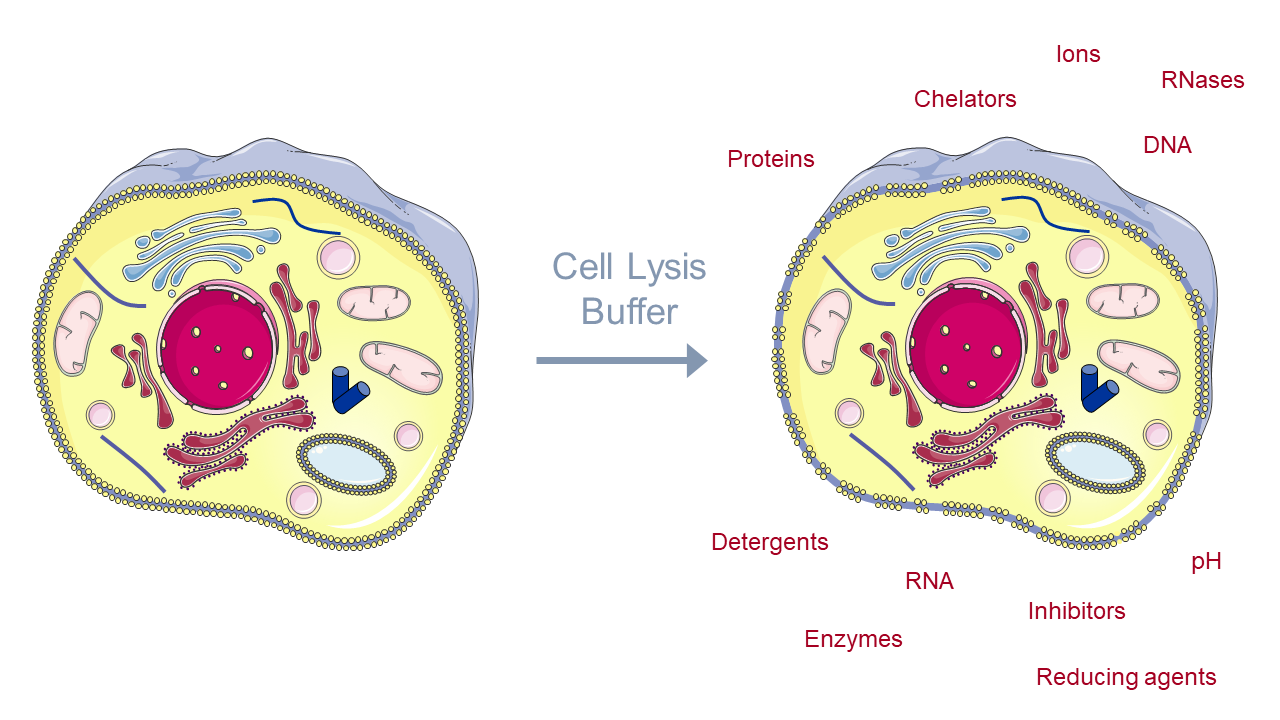
Understanding the Mechanism: From Natural Process to Tech-Enabled Precision
Lysis, derived from the Greek word lyein (to unbind), refers to the disintegration of a cell by rupturing its cell wall or membrane. In a natural environment, this might be the result of a viral infection or osmotic imbalance. However, in the tech world—specifically within the laboratory automation and “lab-on-a-chip” sectors—lysis is a high-precision engineering task.
The Mechanics of the “Break”: Chemical vs. Mechanical Hardware
To extract the DNA, RNA, or proteins required for tech-driven analysis, the “cell wall” must be bypassed. Modern tech uses two primary approaches:
- Chemical Lysis: This involves utilizing specialized detergents and enzymes (like lysozymes) to degrade the lipid bilayer. For tech firms specializing in “Sample-to-Result” diagnostic apps, the challenge lies in creating stabilized chemical reagents that can be integrated into consumer-level hardware without requiring a PhD to operate.
- Mechanical Lysis (Bead Beating and Sonication): This is where high-end hardware shines. Devices like ultrasonic processors use sound waves to create cavitation bubbles that implode near the cell, shearing the membrane. This is a “brute force” tech solution that requires precise software control to ensure the delicate genetic material inside isn’t destroyed by the heat generated during the process.
How Modern Software Optimizes Lysis Protocols
The “one size fits all” approach to lysis is being replaced by AI-driven optimization software. Different cell types—whether they are tough plant cells or fragile mammalian cells—require specific frequencies or chemical concentrations. Leading laboratory software suites now include “Lysis Libraries” that use machine learning to predict the optimal settings for a cell sample based on historical data. This ensures that the digital output (the sequenced data) is of the highest possible fidelity, reducing the “noise” in the genetic data stream.
Lysis in the Age of AI: Revolutionizing DNA Sequencing and Data Acquisition
The explosion of AI tools in medicine, such as Google’s AlphaFold or various drug discovery platforms, relies entirely on the successful lysis of billions of cells. Without lysis, there is no data; without data, AI is blind. The tech trend here is the shift from manual “wet lab” work to automated, digital pipelines.
From Raw Samples to Digital Data: The Role of AI Tools
Once a cell undergoes lysis, the resulting mixture (the lysate) is a chaotic soup of biological components. The role of modern bioinformatics software is to filter this “analog” biological noise into “digital” data. AI tools are now used to monitor the lysis process in real-time through optical sensors. If a system detects that the lysis is incomplete, the software can autonomously adjust the mechanical vibration or chemical flow, ensuring the downstream DNA sequencing hardware receives a perfect sample every time.
High-Throughput Screening and the Software Behind It
In the pharmaceutical tech sector, high-throughput screening (HTS) allows companies to test thousands of chemical reactions simultaneously. Lysis is a bottleneck in this process. Innovative software platforms now manage “Lysis-on-Demand” workflows, where robotic arms and micro-dispensers perform lysis at a scale and speed impossible for humans. This automation is what allows tech companies to shorten the drug discovery cycle from years to months, as seen during the rapid development of mRNA technologies.
Lab-on-a-Chip: The Gadgets Shrinking the Lab to the Palm of Your Hand

One of the most exciting trends in the tech niche is the miniaturization of laboratory processes. “Lab-on-a-Chip” (LoC) technology aims to put an entire diagnostic laboratory onto a single microchip, and lysis is the first step in that chip’s functional pipeline.
Microfluidic Lysis: The Hardware of Modern Diagnostics
Microfluidic devices utilize tiny channels—often narrower than a human hair—to move cells through a series of “obstacles” designed to cause lysis. Some chips use “electro-lysis,” where an electric field is applied across the micro-channel to pop the cell membrane as it passes through. This is a masterpiece of electrical engineering and material science, representing the cutting edge of medical gadgets. These chips are being integrated into handheld devices that can detect pathogens in the field, providing a tech solution to global health challenges.
Wearable Tech and Real-Time Cellular Monitoring
While we are not yet lysing cells inside our bodies via a smartwatch, the research into “interstitial fluid monitoring” is the next frontier. Current wearable tech, like continuous glucose monitors (CGMs), uses a form of “minimally invasive sampling” that mirrors the philosophy of lysis—accessing the internal chemistry of the body to provide a digital readout. Future gadgets may utilize “non-destructive lysis” techniques to sample small amounts of cellular data without killing the host cells, bridging the gap between biological monitoring and digital health tracking.
Digital Security and the Biological Metaphor: Protecting the Network Cell
In the realm of digital security, the term “lysis” has been adopted as a powerful metaphor for system breaches. Just as biological lysis involves the breakdown of a cell’s protective membrane, a “Cyber-Lysis” event occurs when the defensive perimeter of a software network is compromised, allowing the “internal data” to leak into the external environment.
“Cellular” Cybersecurity: Drawing Parallels Between Bio-Lysis and System Breaches
Modern cybersecurity experts often look to biology to design better defense mechanisms. This “biomimicry” in tech leads to the development of “membrane-style” firewalls. In biology, a cell membrane is selectively permeable—it knows what to let in and what to keep out. If a hacker initiates a “brute force” attack (similar to mechanical lysis), the goal is to rupture the system’s integrity. Understanding how cells resist lysis—through structural reinforcement and signaling—is helping software engineers build more resilient, self-healing code.
Designing “Membrane” Defenses in Modern Software
The transition from monolithic software architecture to microservices is another tech trend that mirrors cellular biology. By “encapsulating” different parts of an application into “containers” (similar to organelles within a cell), developers ensure that if one part of the system undergoes “lysis” (a crash or a breach), the rest of the “organism” (the application) survives. This modular approach is the gold standard in modern cloud computing and digital security.
The Future of Bio-Tech Integration: Scaling Beyond the Microscope
As we look toward the future, the integration of cellular processes like lysis into our technological ecosystem will only deepen. We are moving toward a world where biological systems and digital systems are increasingly indistinguishable.
Emerging Trends in Synthetic Biology
Synthetic biology is a field that treats DNA like computer code and cells like hardware. In this niche, lysis is being re-engineered. Tech companies are now designing “programmable lysis,” where a cell is engineered to self-destruct (lyse) upon a specific software-triggered command or when it has finished “manufacturing” a specific protein or medicine. This level of control represents the ultimate merger of software engineering and biological reality.

Personalized Healthcare Apps and the Consumerization of Lysis Tech
The final stage of this technological evolution is consumerization. We are seeing the rise of “At-Home Bio-Tech.” Startups are developing gadgets that allow consumers to perform their own sample collection and lysis at home. These samples are then processed via a smartphone app that uses AI to analyze the lysate for markers of inflammation, vitamin deficiencies, or even early-stage cancer.
In this context, the answer to “what is lysis of a cell” is no longer just a biological definition; it is the starting point of a digital journey. It is the moment when the physical becomes data, and when the secrets of our biology are uploaded into the cloud for analysis, protection, and improvement. As tech continues to advance, the “lysis of a cell” will remain the essential spark that ignites the engine of 21st-century innovation.
aViewFromTheCave is a participant in the Amazon Services LLC Associates Program, an affiliate advertising program designed to provide a means for sites to earn advertising fees by advertising and linking to Amazon.com. Amazon, the Amazon logo, AmazonSupply, and the AmazonSupply logo are trademarks of Amazon.com, Inc. or its affiliates. As an Amazon Associate we earn affiliate commissions from qualifying purchases.