
The quest for financial independence almost invariably leads to the stock market. For decades, equities have remained one of the most effective vehicles for compounding wealth, outperforming inflation and traditional savings accounts by significant margins. However, for the modern investor, the primary challenge is no longer access—with a smartphone, one can trade globally in seconds—but rather discernment. Knowing exactly where to invest in stocks requires a blend of macroeconomic understanding, risk assessment, and a clear vision of one’s long-term financial goals.
Whether you are a novice looking to make your first contribution or a seasoned investor seeking to rebalance a portfolio, identifying the right sectors and vehicles is paramount. This guide explores the diverse landscape of the stock market, categorizing opportunities into strategic segments designed to provide stability, growth, and consistent income.

Core Equity Categories: Building a Balanced Foundation
The architecture of a successful portfolio begins with understanding the different “flavors” of stocks. Not all equities serve the same purpose; some are designed to protect your capital during downturns, while others are engines of aggressive growth.
Blue-Chip Stocks: The Pillars of Stability
Blue-chip stocks refer to well-established, financially sound companies with a history of reliable earnings and, often, consistent dividend payments. These are typically industry leaders—think of names that dominate the consumer goods, healthcare, and financial sectors. Investing here is less about “striking it rich” overnight and more about steady, long-term appreciation. Because these companies have massive cash reserves and dominant market shares, they tend to be less volatile during market corrections, making them an essential anchor for any conservative or moderate portfolio.
Growth Stocks: Capturing Future Innovations
If blue chips are the foundation, growth stocks are the skyscraper. These companies are expected to grow sales and earnings at a faster rate than the average business in their industry. Many growth stocks are found within the technology and biotech sectors, where innovation drives massive shifts in consumer behavior. While they often do not pay dividends—preferring to reinvest all profits back into the company—the potential for capital gains is significantly higher. However, growth investing requires a higher risk tolerance, as these stocks are more sensitive to interest rate changes and market sentiment.
Value Stocks: Finding Discrepancies in Market Pricing
Value investing is the art of buying stocks that appear to be trading for less than their intrinsic or book value. Often, these are companies that have fallen out of favor with the market due to temporary setbacks or cyclical industry trends. Investors like Warren Buffett have built fortunes by identifying these “diamonds in the rough.” The goal is to wait for the market to eventually recognize the company’s true worth, leading to a correction in the stock price that benefits the patient investor.
Exchange-Traded Funds (ETFs) and Index Funds
For many investors, picking individual stocks is either too time-consuming or too risky. This is where diversified investment vehicles like Index Funds and ETFs become invaluable. These tools allow you to own a “slice” of hundreds or thousands of companies simultaneously.
The Power of the S&P 500 and Total Market Funds
The S&P 500 represents the 500 largest publicly traded companies in the United States. Historically, it has provided an average annual return of approximately 10% before inflation. By investing in an S&P 500 index fund, you are essentially betting on the continued growth of the American economy. It is a “set-it-and-forget-it” strategy that has outperformed the majority of active fund managers over long periods. For those who want even broader exposure, Total Stock Market funds include small- and mid-cap companies, ensuring no corner of the domestic economy is left out.
Sector-Specific ETFs: Targeted Exposure
Sometimes, an investor may have a strong conviction about a specific industry but doesn’t want to bet on a single company. Sector ETFs allow you to invest specifically in categories like Cybersecurity, Clean Energy, Semiconductors, or Healthcare. This approach allows for tactical “tilting” of a portfolio. For instance, if you believe that aging demographics will lead to a boom in medical services, increasing your allocation to a Healthcare ETF provides a diversified way to capitalize on that trend.
International and Emerging Markets
Limiting your investments to a single country creates “home country bias,” which can limit growth and increase risk. Investing in international stocks—specifically in developed markets like Europe and Japan, or emerging markets like India and Southeast Asia—provides a hedge against a declining domestic currency and offers exposure to faster-growing economies. While emerging markets carry higher geopolitical risk, they often provide the high-growth opportunities that mature economies lack.
Income-Focused Investing: Yield and Longevity

Not every investor is looking for price appreciation alone. For those nearing retirement or seeking to supplement their salary, the stock market serves as a powerful engine for passive income.
Dividend Growth and the “Dividend Aristocrats”
Dividend investing involves purchasing shares in companies that distribute a portion of their earnings to shareholders. The most coveted of these are the “Dividend Aristocrats”—companies that have not only paid but increased their base dividend every year for at least 25 consecutive years. This strategy creates a compounding effect: as the company grows, your quarterly checks grow, and if you choose to reinvest those dividends, you purchase more shares, which in turn generate more dividends.
Real Estate Investment Trusts (REITs)
REITs are a unique category of stocks that allow individuals to invest in large-scale, income-producing real estate without having to buy or manage properties themselves. By law, REITs must distribute at least 90% of their taxable income to shareholders as dividends. Whether it’s commercial office buildings, apartment complexes, or data centers, REITs offer a way to add a “real asset” component to a stock portfolio, often providing higher yields than traditional equities.
Defensive Sectors for Economic Downturns
When the economy slows down, consumer spending habits change. Investors often move their money into “Defensive” stocks—sectors like Utilities and Consumer Staples (groceries, household goods). Regardless of the economic climate, people still need electricity, water, and toothpaste. These stocks rarely experience explosive growth, but their dividends are generally secure, and their stock prices tend to hold up better during recessions.
Strategic Implementation and Modern Tools
Deciding where to invest is only half the battle; the other half is determining how to execute that strategy using the financial tools available today.
Choosing the Right Brokerage Environment
The modern investor has a wealth of options, from zero-commission discount brokers to full-service wealth management firms. For self-directed investors, platforms that offer robust research tools, real-time data, and fractional shares are ideal. Fractional shares are particularly important for those looking to invest in high-priced stocks (like major tech giants) with limited capital, allowing you to buy $10 worth of a $3,000 stock.
The Role of Robo-Advisors and Automation
For those who prefer a hands-off approach, robo-advisors use algorithms to build and manage a diversified portfolio based on your risk tolerance and time horizon. These platforms automatically handle tasks like tax-loss harvesting and rebalancing—ensuring that if your tech stocks grow too large for your target allocation, the system automatically sells some to buy underrepresented assets. This removes the emotional bias that often leads to poor investment decisions.
Fundamental vs. Technical Analysis
Where you invest should be informed by data. Fundamental analysis involves looking at a company’s financial statements, management team, and market position to determine its health. Technical analysis, conversely, looks at price patterns and market trends. For long-term wealth building, a focus on fundamentals is generally preferred, as it aligns the investor with the actual business performance of the company rather than the “noise” of daily market fluctuations.
Risk Management and Wealth Preservation
Investing in stocks is inherently risky, but those risks can be mitigated through disciplined strategies. The goal is to stay in the market long enough for compounding to work its magic.
Dollar-Cost Averaging (DCA)
One of the greatest enemies of the investor is the urge to “time the market.” Dollar-cost averaging is the practice of investing a fixed amount of money at regular intervals, regardless of the stock price. When prices are high, your investment buys fewer shares; when prices are low, it buys more. Over time, this lowers your average cost per share and eliminates the stress of trying to predict market tops and bottoms.
Portfolio Rebalancing and Asset Allocation
Your “asset allocation”—the percentage of your money in stocks vs. bonds or cash—is the single biggest determinant of your portfolio’s volatility. As certain stocks perform well, they will begin to represent a larger portion of your portfolio than originally intended. Annual or semi-annual rebalancing involves selling a portion of your winners to buy more of your laggards. While counterintuitive, this forces you to “buy low and sell high” while maintaining your desired risk profile.
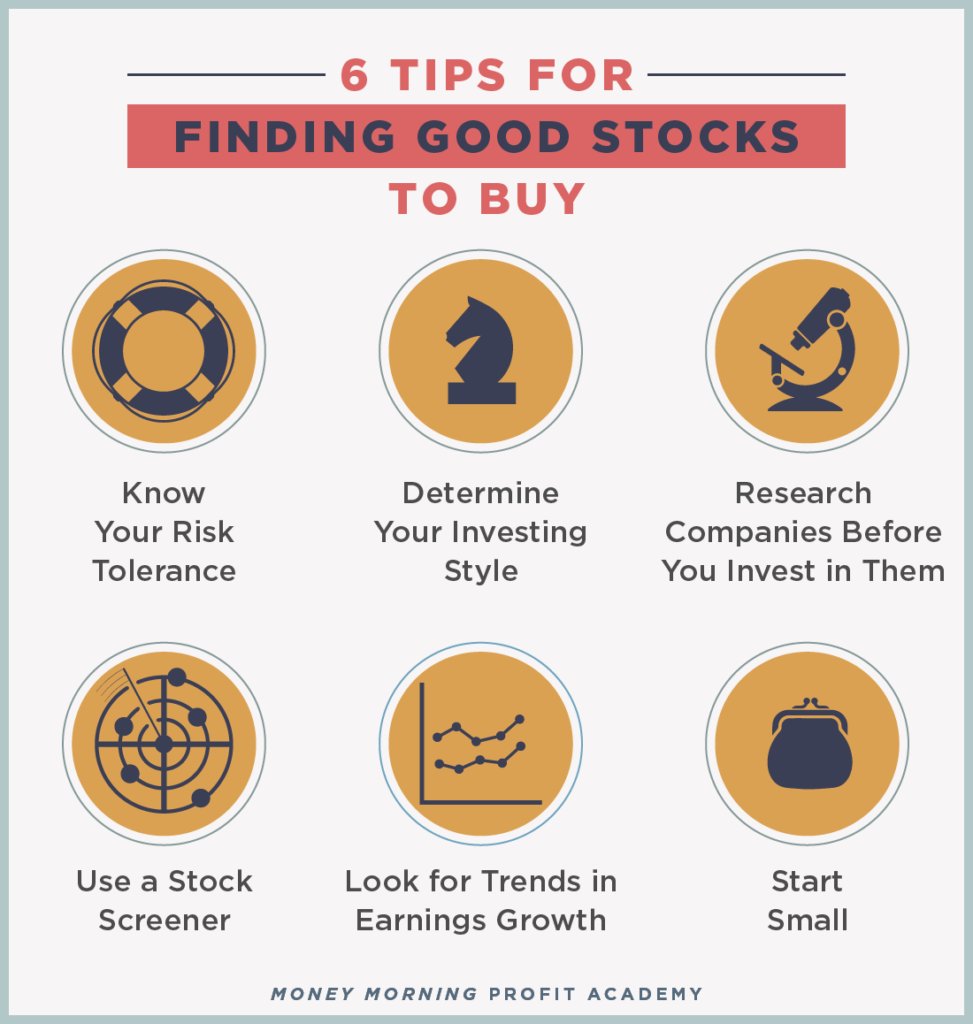
The Psychological Aspect: Staying the Course
The final destination of your investment journey is often determined by your behavior during a market crash. The history of the stock market is a series of “permanent uptrends” interrupted by “temporary declines.” Successful investors view market volatility not as a threat, but as an opportunity to acquire high-quality assets at a discount. Maintaining a long-term perspective and avoiding reactionary selling is the “secret sauce” to significant wealth accumulation.
In conclusion, knowing where to invest in stocks is not about finding a single “magic” ticker symbol. It is about constructing a diversified ecosystem of blue-chip stability, high-growth potential, and reliable income streams. By leveraging modern ETFs, focusing on dividend-paying assets, and maintaining a disciplined approach to risk, any investor can navigate the complexities of the market and build a portfolio that stands the test of time.
aViewFromTheCave is a participant in the Amazon Services LLC Associates Program, an affiliate advertising program designed to provide a means for sites to earn advertising fees by advertising and linking to Amazon.com. Amazon, the Amazon logo, AmazonSupply, and the AmazonSupply logo are trademarks of Amazon.com, Inc. or its affiliates. As an Amazon Associate we earn affiliate commissions from qualifying purchases.