
At its heart, longanisa is more than just a sausage; it is a profound culinary identifier, a testament to regionality, tradition, and the potent branding power of food itself. In the world of gastronomy, certain dishes transcend their ingredients to become emblems – symbols that evoke a sense of place, history, and communal identity. Longanisa, a staple across the Philippines and with counterparts in other Spanish-influenced cultures, perfectly embodies this phenomenon, serving as a powerful and recognizable component of a national culinary brand. To understand “what is longanisa” is to delve into the intricate layers of its product identity, its marketing through heritage, and its undeniable role in shaping and representing a vibrant food culture.
The Core Identity of Longanisa: A Branded Culinary Staple
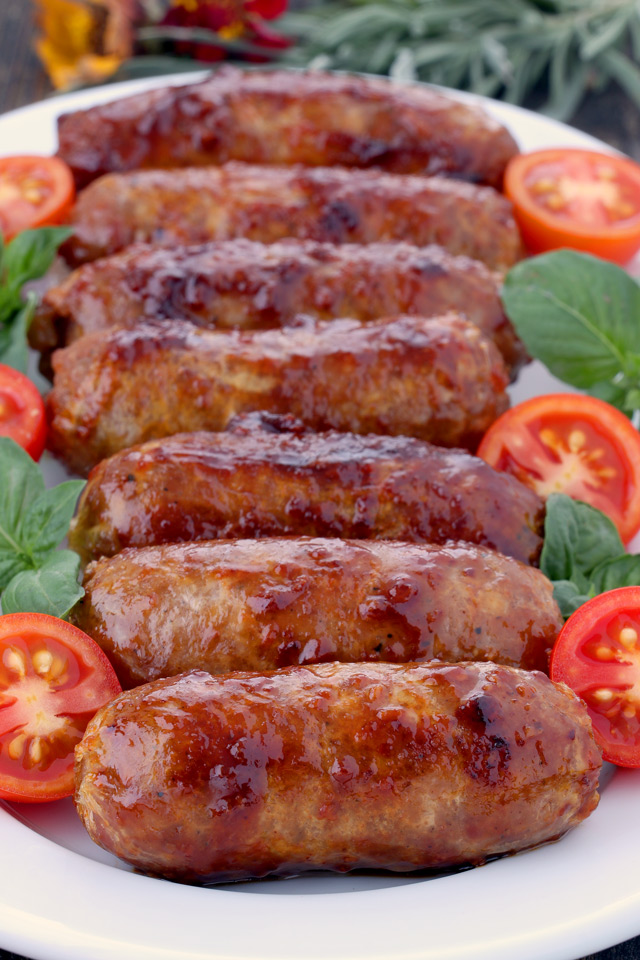
The fundamental “brand” of longanisa is built upon its status as a cured sausage, typically made from ground pork, infused with a distinct blend of spices and seasonings. Yet, this simple definition belies a staggering diversity, making “longanisa” not a singular product, but a branded category brimming with regional variants, each possessing its own unique flavour profile and cultural narrative. This inherent variability is, paradoxically, one of its greatest brand strengths, allowing for broad appeal while maintaining deep local roots.
Defining Characteristics and Regional Brand Variations
The generic longanisa product brand is characterized by its robust flavor and often reddish hue. However, its true branding brilliance lies in its regional differentiations. These are not merely recipes; they are established sub-brands within the broader longanisa identity, each recognized for specific attributes.
For instance, the Vigan longanisa from Ilocos Sur is a brand synonymous with a garlicky, sour profile, often smaller in size, and made without preservatives, embodying an artisanal, authentic brand image. Its distinct bite and pungency are its signature. Contrast this with the Lucban longanisa from Quezon, which carries a tart, garlicky, and vinegary brand, often presented in linked bundles, emphasizing its heritage and traditional preparation. Then there is the Chorizo de Cebu, a sweet, savory, and garlicky brand, often brightly colored and beloved for its caramelized notes when fried.
Perhaps the most commercially widespread brand variant is the “sweet longanisa” or longanisa hamonado, popular in various regions, including Pampanga. This brand is characterized by its significant sugar content, often with a hint of aniseseed or paprika, appealing to a broader palate and often associated with breakfast. On the other end of the spectrum is the “garlic longanisa” or longanisa recado, which leans heavily into the savory, pungent notes of garlic and black pepper, appealing to those who prefer a more robust and less sweet profile.
These regional “brands” are not merely descriptive; they carry weight and expectation. A consumer seeking “Vigan longanisa” is not just looking for a pork sausage; they are seeking a very specific sensory experience, rooted in a particular place and tradition. This speaks volumes about the power of geographic origin and traditional craft as branding elements for food products.
The Craft of Longanisa: A Tradition-Rich Product Identity
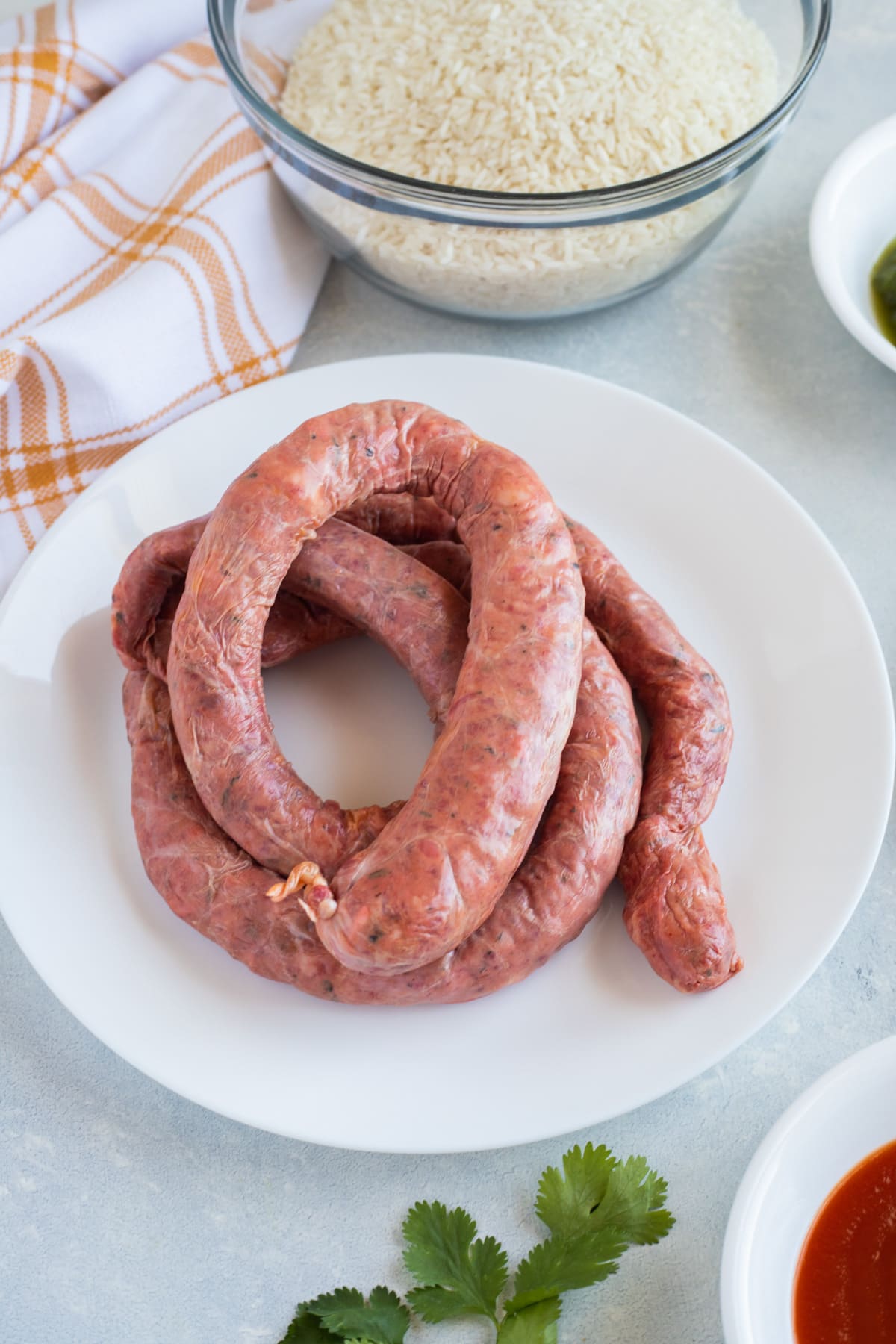
The brand identity of longanisa is also deeply intertwined with its craftsmanship. Traditionally, longanisa making is a labor of love, often a family endeavor passed down through generations. This heritage of artisanal production contributes significantly to its authentic brand appeal. The process typically involves grinding pork, often with a higher fat content for succulence, mixing it thoroughly with a carefully balanced blend of spices (garlic, vinegar, black pepper, salt, sugar, aniseseed, paprika, etc.), then stuffing the mixture into natural casings. The sausages are then often air-dried or cured for a period, which develops their complex flavors and texture.
This traditional approach, though sometimes adapted for modern mass production, remains a core part of its brand narrative. It speaks to quality, authenticity, and a connection to culinary roots. Even commercially produced longanisa often strives to emulate the flavor profiles and textures associated with these time-honored methods, leveraging the established brand equity of traditional preparation. The act of making longanisa, whether in a home kitchen or a commercial facility, reinforces its identity as a product deeply embedded in culinary tradition rather than merely a generic processed meat.
Longanisa as a Pillar of National Culinary Branding
Beyond its individual product identity, longanisa serves as a crucial building block in the broader “brand” of Filipino cuisine. Just as croissants define French pastries or tacos characterize Mexican street food, longanisa offers a distinctive and memorable taste of the Philippines, acting as a culinary ambassador on a global stage.
From Local Delicacy to Global Brand Ambassador
For many, particularly those in the Filipino diaspora, longanisa is more than just food; it’s a tangible link to home, a taste of heritage. This emotional connection transforms it into a powerful brand ambassador for Filipino culture and cuisine. When Filipinos introduce their food to others, longanisa often features prominently, alongside dishes like adobo or sinigang. Its versatility – enjoyed for breakfast, lunch, or dinner – makes it accessible, and its distinctive flavor profile makes it memorable.
The growing popularity of Filipino cuisine internationally has inevitably elevated the “brand recognition” of longanisa. Food blogs, travel shows, and ethnic grocery stores now routinely feature it, demystifying it for a wider audience. This organic word-of-mouth and cultural sharing act as incredibly effective, grassroots marketing strategies, building a global brand identity for longanisa far beyond targeted advertising campaigns. It’s a testament to the fact that authentic taste and cultural resonance are powerful drivers of brand adoption.
Marketing Through Heritage: The Brand Story of Longanisa
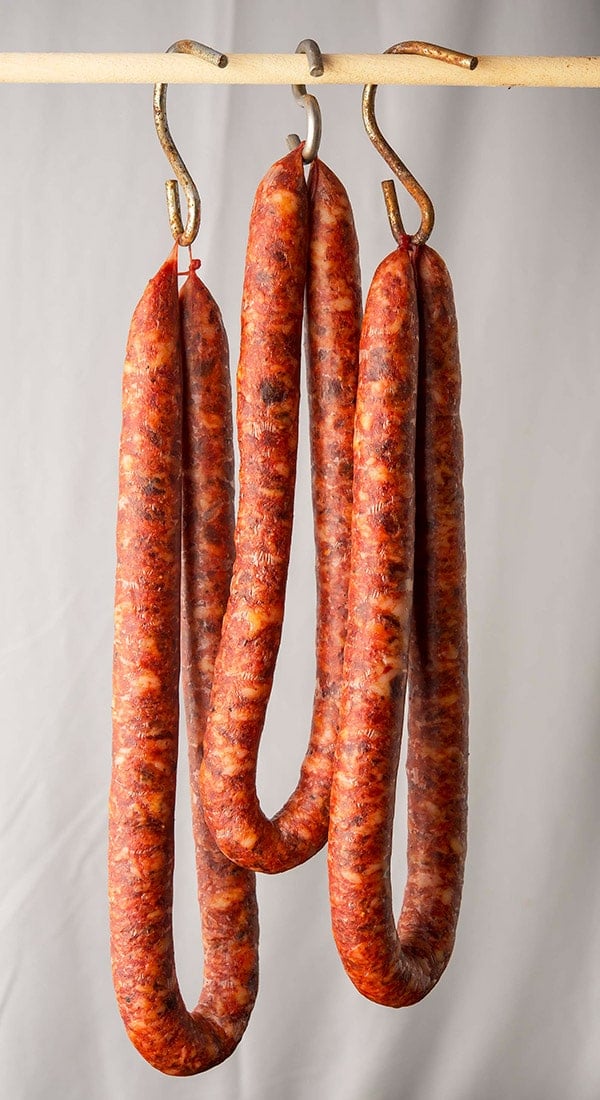
The “marketing” of longanisa doesn’t rely on flashy advertisements as much as it does on its rich brand story, steeped in heritage and tradition. Its Spanish etymology (derived from “longaniza”) immediately situates it within a historical context of colonial influence, while its numerous regional variations speak to the ingenuity and adaptability of local culinary traditions. Each variant tells a tale of local ingredients, microclimates, and ancestral preferences.
This heritage marketing is potent because it offers more than just a product; it offers an experience, a narrative. When a consumer chooses a particular type of longanisa, they are, in essence, buying into a piece of cultural history. Restaurants and food producers often highlight the origin and traditional preparation methods of their longanisa, leveraging this heritage to establish authenticity and premium brand positioning. The “story” behind the sausage – from the specific blend of spices used in a certain province to the generations of families who have perfected its craft – is a significant part of its brand value. This narrative differentiation is a sophisticated branding technique, appealing to consumers who seek authenticity and connection in their food choices.
Cultivating the Longanisa Brand: Challenges and Opportunities
Like any established brand, the longanisa category faces both challenges and opportunities in maintaining its integrity and expanding its reach. The proliferation of variations and mass-produced versions, while increasing accessibility, also poses questions about authenticity and quality consistency.
Maintaining Authenticity in a Diversifying Market
One of the primary challenges for the longanisa brand is maintaining authenticity amidst increasing commercialization and diversification. As longanisa gains wider appeal, many producers emerge, some adhering strictly to traditional methods and ingredient ratios, while others innovate or cut corners to meet demand or appeal to broader tastes. This can lead to a dilution of the core brand identity if quality standards vary wildly.
For traditionalists and connoisseurs, preserving the distinct regional characteristics is paramount. Efforts by local governments or culinary organizations to designate and protect specific “appellations of origin” for longanisa (similar to wines or cheeses in Europe) could be a strategic branding move. This would ensure that, for example, “Vigan longanisa” truly comes from Vigan and adheres to specific production standards, thus safeguarding the brand’s authenticity and premium status. This challenge is also an opportunity to elevate artisanal brands through certification and consumer education.
Modern Branding Strategies for Artisanal Longanisa
For artisanal longanisa producers, modern branding strategies offer immense opportunities to compete with larger commercial brands. Highlighting the “craft” aspect through elegant, informative packaging that tells the specific story of their longanisa (e.g., “Handmade Lucban Longanisa, cured for 3 days with local vinegar and garlic”) can create a premium niche.
Digital presence, through social media, food blogs, and e-commerce platforms, allows smaller producers to reach a global audience directly. Engaging content that showcases the production process, family history, and traditional serving suggestions further strengthens their brand narrative. Collaborations with renowned chefs or food influencers can also introduce artisanal longanisa to new markets and elevate its gourmet status. Furthermore, exploring new product formats, such as longanisa patties, longanisa-flavored spreads, or even vegan longanisa alternatives, can expand the brand’s market reach while maintaining its core flavor profile. This innovation, if done thoughtfully, can refresh and broaden the longanisa brand without compromising its heritage.
The Consumer Experience: Building Brand Loyalty Through Taste
Ultimately, the enduring brand loyalty for longanisa is built on the consumer experience, primarily through its unique taste and the emotional connections it fosters. It’s a brand that resonates on a deeply personal level, becoming more than just food, but a memory, a comfort, and a celebration.
The Emotional Connection: Longanisa as a Comfort Food Brand
For many, longanisa is the quintessential comfort food. It evokes memories of childhood breakfasts, family gatherings, and special occasions. This emotional resonance is a powerful element of its brand strength. The aroma of longanisa frying in the pan, the burst of flavor with each bite – these sensory experiences create lasting impressions and foster deep brand loyalty. This is particularly true within Filipino communities worldwide, where longanisa often serves as a culinary anchor, connecting individuals to their cultural roots and shared heritage. This emotional branding is something large corporations often strive for, but longanisa achieves it organically through its cultural significance.
Culinary Versatility: Extending the Brand’s Reach Beyond Breakfast
While often associated with breakfast – paired famously with garlic rice (sinangag) and a fried egg (itlog) to form the iconic “longsilog” – longanisa’s culinary versatility significantly extends its brand appeal. It’s used in sandwiches, as a pizza topping, integrated into pasta dishes, or crumbled into fried rice. This adaptability demonstrates the brand’s flexibility and potential for innovation within different culinary contexts.
Chefs and home cooks constantly experiment with longanisa, showcasing its ability to elevate various dishes. This versatility allows the longanisa brand to transcend its traditional breakfast niche and find new audiences and applications, continually reinforcing its relevance and expanding its market footprint. Each new culinary creation featuring longanisa effectively acts as a marketing campaign, showcasing its adaptability and rich flavor profile to a broader audience.
Conclusion
“What is longanisa?” is a question that, when viewed through the lens of branding, reveals a complex and fascinating story. It is a product whose identity is intricately woven with regionality, tradition, and personal connection. As a category, longanisa represents a robust culinary brand, comprising numerous distinct sub-brands, each with its own heritage and consumer following. It acts as a powerful ambassador for Filipino cuisine, marketing itself through an authentic narrative of culture and craftsmanship. As it navigates the modern global food landscape, the longanisa brand faces opportunities to innovate and grow while diligently preserving the authenticity that defines its enduring appeal. Its continued success lies in its ability to offer not just a delicious meal, but a taste of history, a slice of culture, and a comforting reminder of home.
aViewFromTheCave is a participant in the Amazon Services LLC Associates Program, an affiliate advertising program designed to provide a means for sites to earn advertising fees by advertising and linking to Amazon.com. Amazon, the Amazon logo, AmazonSupply, and the AmazonSupply logo are trademarks of Amazon.com, Inc. or its affiliates. As an Amazon Associate we earn affiliate commissions from qualifying purchases.