
When planning a trip, renting a car often presents a convenient solution for getting around. However, amidst the excitement of choosing your ideal vehicle, you’ll inevitably encounter a range of optional add-ons, one of the most prominent being the Loss Damage Waiver (LDW). Frequently misunderstood and sometimes mistakenly referred to as “LDW insurance,” this offering can significantly impact your financial liability if the rental car is damaged or stolen. For many, the decision to accept or decline the LDW is a moment of hesitation at the rental counter, often made without a full understanding of its implications.

At its core, the LDW is designed to waive your financial responsibility for specific types of damage to the rental vehicle. It’s a risk management tool offered by rental car companies, promising peace of mind at an additional cost. But is it always necessary? Does it overlap with existing coverage you might already possess through your personal auto insurance or credit card benefits? Navigating these questions is crucial for making a financially savvy decision that aligns with your personal risk tolerance and budget. This article delves into the intricacies of LDW, equipping you with the knowledge to confidently decide whether it’s a wise investment for your next rental.
Unpacking the Loss Damage Waiver (LDW)
To make an informed decision about LDW, it’s essential to understand precisely what it is, what it covers, and how it’s typically priced. Often conflated with traditional insurance, the LDW functions differently, yet provides a similar protective shield against unexpected costs.
Defining LDW: More Than Just “Insurance”
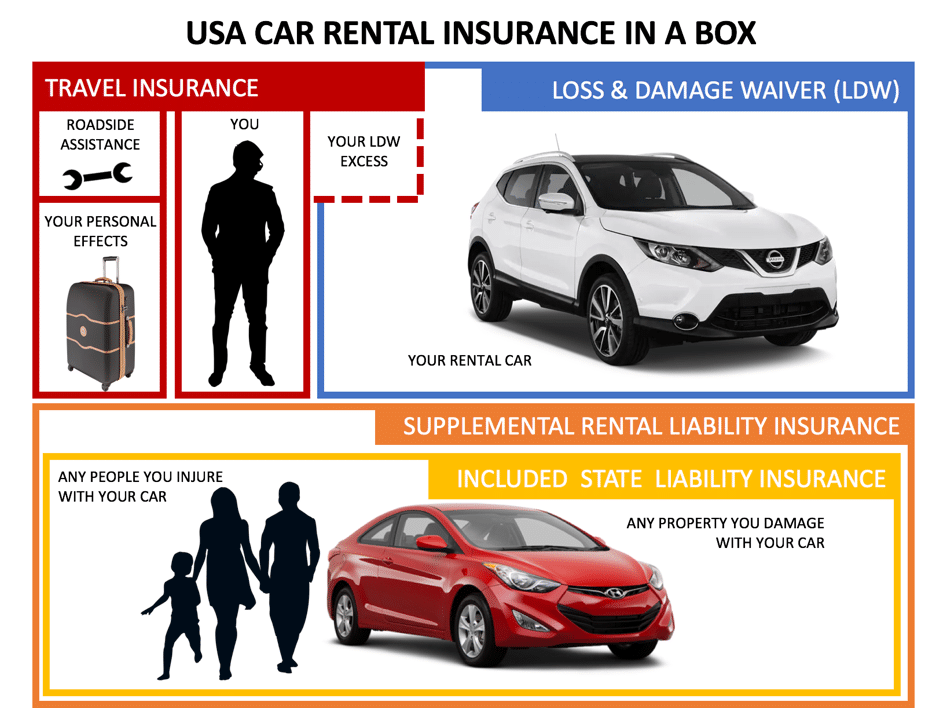
Technically, the Loss Damage Waiver is not an insurance policy in the conventional sense. When you purchase an LDW, you are not buying insurance from a third-party insurer. Instead, you are entering into an agreement with the rental car company where they waive their right to hold you financially responsible for damage or theft of the rental vehicle. This distinction is subtle but important; it means that in the event of an incident, you deal directly with the rental company, potentially simplifying the claims process compared to involving your personal auto insurer. The rental company agrees not to pursue you for the costs associated with repairing or replacing the car, subject to the terms and conditions of the waiver. This direct relationship can bypass the complexities of deductibles, claim filings with personal insurers, and the potential impact on your personal insurance premiums.
The Scope of LDW Coverage
The primary appeal of LDW lies in its comprehensive coverage for a range of unfortunate events. Generally, an LDW typically covers:
- Collision Damage: Costs associated with repairing the rental car due to an accident, regardless of fault.
- Theft: The market value of the car if it is stolen.
- Vandalism: Damages caused by malicious acts.
- Natural Disasters: Damage incurred from events like hail, floods, or storms.
- Loss of Use: This is a critical component. If the rental car is damaged and out of commission for repairs, the rental company can charge you for the income they lose during that period. LDW often covers this.
- Towing and Administrative Fees: Costs for towing the damaged vehicle and fees the rental company charges for processing the claim.
However, it’s equally important to understand what an LDW typically doesn’t cover. There are often exclusions that can leave you exposed if you’re not careful. Common exclusions include:
- Driving under the influence of alcohol or drugs.
- Driving on unpaved roads or off-road.
- Allowing unauthorized drivers (not listed on the rental agreement) to operate the vehicle.
- Intentional damage or gross negligence.
- Damage to specific parts like tires, windshields, or the interior in some restrictive waivers.
- Violation of the rental agreement terms (e.g., taking the car into an unauthorized country).
Always scrutinize the specific terms and conditions of the LDW offered by the rental company, as coverage details can vary significantly.
The Cost Factor: How LDW is Priced
LDW is usually offered at a daily rate, which can range from $10 to $30 or more, depending on the rental company, location, and the type of vehicle. For a week-long rental, this can easily add hundreds of dollars to your total cost, sometimes increasing the rental price by 20-50%. While this might seem steep, it’s often justified by the potential out-of-pocket expenses you could face if an incident occurs without LDW coverage. Without it, you could be responsible for the full cost of repairs, loss of use charges, administrative fees, and any diminished value of the vehicle, which could run into thousands of dollars. Understanding this cost-benefit analysis is central to managing your personal finance when renting a car.
Navigating Your Coverage Options: When to Buy LDW and When to Decline
The decision to purchase LDW is rarely straightforward because you might already possess alternative forms of coverage that can negate the need for this additional expense. Evaluating your existing financial protections is a crucial step in making an informed choice.
Your Personal Auto Insurance Policy
Many personal auto insurance policies include collision and comprehensive coverage that extends to rental cars. If you have these coverages on your primary vehicle, your policy will likely cover damages to a rental car in the same way it would cover your own car. However, there are important caveats:
- Deductibles: Your personal policy’s deductible will still apply, meaning you’d have to pay that amount out of pocket before your insurance kicks in.
- Coverage Limits: Ensure your policy’s limits are high enough to cover the value of the rental car, especially if you’re renting a luxury vehicle that’s more expensive than your personal car.
- Exclusions: Some personal policies have exclusions for certain types of rental vehicles (e.g., exotic cars, large vans) or specific driving conditions.
- Loss of Use & Administrative Fees: This is where personal auto insurance often falls short. While it covers damage, it typically doesn’t cover the rental company’s “loss of use” fees (the revenue lost while the car is being repaired) or the administrative fees they charge for processing the claim. These can add hundreds, if not thousands, of dollars to your bill.
- Impact on Premiums: Filing a claim through your personal insurance could lead to an increase in your premiums, even if it’s for a rental car incident.
Credit Card Rental Car Benefits
Many credit cards, particularly premium travel or rewards cards, offer rental car insurance benefits. These benefits are usually “secondary” coverage, meaning they kick in after your personal auto insurance has paid its share. However, some high-tier cards offer “primary” coverage, which means they pay first, potentially allowing you to avoid involving your personal insurer and thus protecting your personal premiums.

Key aspects of credit card benefits:
- Requirements: You must typically use that specific credit card to reserve and pay for the entire rental, and often decline the rental company’s LDW.
- Limitations: Coverage often has limitations on the duration of the rental (e.g., 15-30 days), the type of vehicle (e.g., no exotic cars, trucks, or certain SUVs), and geographical restrictions.
- What’s Covered: Like personal auto insurance, credit card benefits usually cover collision and theft, but they may or may not cover loss of use or administrative fees. It’s crucial to call your credit card issuer to understand the exact terms of their coverage.
Travel Insurance Policies
Some comprehensive travel insurance policies offer rental car damage protection as an optional add-on or as a standard feature. This can be a good option for travelers who don’t have robust personal auto insurance or adequate credit card coverage, especially for international travel where personal policies may not apply. These policies often cover damage and theft, but like other options, it’s vital to check for deductibles, limits, and exclusions. For business finance, if a company has a robust travel insurance policy for its employees, this might be a viable alternative.
The Financial Decision: Weighing the Pros and Cons of LDW
The choice to accept or decline the LDW boils down to a personal finance decision based on your existing coverage, risk tolerance, and the potential financial implications of an incident.
Pros: Peace of Mind and Simplicity
- No Deductible: Most LDW policies offered by rental companies come with no deductible, meaning you pay nothing out of pocket if damage occurs.
- Direct Claims Process: Dealing directly with the rental company simplifies the claims process. You avoid involving your personal insurance company, potentially saving you from higher premiums later.
- Comprehensive Coverage for Gaps: LDW often covers “loss of use” and “administrative fees,” which are commonly excluded from personal auto insurance and credit card benefits. These charges can be substantial.
- Reduced Stress: For many, the peace of mind knowing that any damage to the rental car is fully covered, without affecting their personal insurance record, is worth the additional cost. This is particularly true in unfamiliar driving environments or when renting high-value vehicles.
Cons: The Cost and Potential Redundancy
- Significant Expense: The daily cost of LDW can significantly inflate the total price of your rental, potentially making it an unnecessary expenditure if you already have robust alternative coverage.
- Redundancy: If your personal auto insurance policy, coupled with your credit card’s benefits, provides adequate coverage for collision, theft, loss of use, and administrative fees, purchasing LDW could be redundant and a waste of money.
- Profit Center for Rental Companies: It’s no secret that LDW is a significant revenue generator for rental car companies. They actively promote it because it’s highly profitable. This doesn’t mean it’s never a good idea, but it highlights the importance of critical evaluation.
Real-World Scenarios and Risk Assessment
- When to Strongly Consider LDW:
- International Travel: Your personal auto insurance typically doesn’t extend beyond your home country’s borders. Even credit card benefits might have geographical restrictions. LDW or a dedicated travel insurance policy becomes much more crucial here.
- Limited Personal Auto Coverage: If you only carry liability insurance on your personal vehicle, you have no collision or comprehensive coverage, making LDW a necessity for damage protection.
- High-Value Rentals: If you’re renting a luxury car, SUV, or a specialty vehicle, the potential cost of damage or theft can be exorbitant, making LDW a safer bet.
- Business Travel: Sometimes, company policy or corporate travel programs might dictate that LDW must be purchased, or they might not cover certain liabilities.
- Risk Aversion: If avoiding any potential hassle or financial surprise is paramount to you, the cost of LDW might be a worthwhile investment for complete peace of mind.
- When LDW is Likely Unnecessary:
- Robust Personal Auto Insurance: If your personal policy has low deductibles, high limits, and specifically covers rental cars for loss of use and administrative fees.
- Premium Credit Card with Primary Coverage: If you have a credit card that offers primary rental car insurance and you’ve confirmed its terms cover your rental scenario comprehensively.
- Low-Value Rental, High-Risk Tolerance: If you’re renting an inexpensive car for a short period, have sufficient emergency funds, and are comfortable shouldering potential costs or dealing with a personal insurance claim.
Making an Informed Choice: Best Practices for Rental Car Protection
Regardless of your decision, a proactive approach to understanding your financial liabilities and protections is always the best strategy when renting a car.
Pre-Rental Due Diligence
Before you even step up to the rental counter, do your homework:
- Contact Your Personal Auto Insurer: Call your insurance agent to clarify what your policy covers for rental vehicles, including deductibles, limits, exclusions, and whether it covers loss of use and administrative fees.
- Check Your Credit Card Benefits: Review the benefits guide for the credit card you plan to use for the rental. If in doubt, call the customer service number to ask specific questions about coverage type (primary/secondary), limits, duration, and exclusions.
- Review Rental Company’s LDW Terms: Understand the exact scope of the LDW offered by the rental company.
- Understand Destination Requirements: Some countries or specific regions might have mandatory insurance requirements that supersede your personal policies.
Inspecting the Vehicle
Upon receiving the rental car, conduct a thorough inspection:
- Document Existing Damage: Take photos or videos of any pre-existing scratches, dents, or damage, both inside and outside the vehicle. Ensure these are noted on your rental agreement. This prevents you from being charged for damage you didn’t cause.
- Dispute Any Discrepancies: If the rental company’s damage report doesn’t match your findings, insist they update it before you drive off.
Understanding the Claims Process (If You Decline LDW)
If you decide to decline LDW and rely on personal insurance or credit card benefits, be prepared for the claims process should an incident occur:
- Report Promptly: Immediately report any damage or theft to the rental car company and, if necessary, to the local police.
- Notify Your Providers: Contact your personal auto insurer and/or credit card company as soon as possible to initiate a claim.
- Gather Documentation: Collect all relevant documents, including the rental agreement, accident reports, photos of damage, and any correspondence with the rental company.
Conclusion
The decision to purchase Loss Damage Waiver is a nuanced personal finance choice, not a universal mandate. It hinges on a thorough understanding of your existing auto insurance policy, the benefits offered by your credit card, your personal risk tolerance, and the specific terms of the rental agreement. While LDW can offer unparalleled peace of mind and simplify the claims process by covering critical gaps like “loss of use” and administrative fees, it also represents a significant additional cost that may be redundant if your existing coverage is comprehensive.
By performing due diligence, comparing your options, and understanding the financial implications of each choice, you can confidently navigate the rental car counter. Whether you opt for the convenience of LDW or rely on your existing financial safeguards, the goal remains the same: to protect yourself from unforeseen expenses and ensure a smooth, worry-free travel experience.
aViewFromTheCave is a participant in the Amazon Services LLC Associates Program, an affiliate advertising program designed to provide a means for sites to earn advertising fees by advertising and linking to Amazon.com. Amazon, the Amazon logo, AmazonSupply, and the AmazonSupply logo are trademarks of Amazon.com, Inc. or its affiliates. As an Amazon Associate we earn affiliate commissions from qualifying purchases.