
When the term “knotweed” is uttered, it often conjures images of an innocuous garden weed. However, for property owners, developers, lenders, and even entire communities, Japanese knotweed (Fallopia japonica) is far from harmless. It represents a significant financial liability, a complex challenge to property transactions, and a formidable opponent to the integrity of land and structures. This article delves into the often-overlooked financial dimensions of knotweed, transforming what might seem like a botanical curiosity into a critical topic for financial prudence, property management, and strategic investment.
Understanding knotweed goes beyond mere botanical identification; it’s about comprehending a plant with a relentless growth habit that can undermine foundations, disrupt infrastructure, and drastically devalue assets. Its presence can trigger a cascade of financial consequences, from direct remediation costs to indirect impacts on mortgages, insurance, and the overall marketability of a property. For businesses operating in property development, landscaping, or environmental services, knotweed also presents both substantial risks and unique market opportunities.

The Silent Predator: How Knotweed Undermines Property Value
Japanese knotweed isn’t merely an unsightly garden pest; it’s a structural aggressor with a voracious appetite for growth, capable of causing considerable damage to built environments and natural landscapes. Its extensive root system, or rhizomes, can penetrate concrete, damage drainage systems, and compromise building foundations, leading to expensive repairs and significant depreciation in property value. The financial implications begin the moment knotweed is identified.
Identifying the Financial Threat: Early Detection and Cost Avoidance
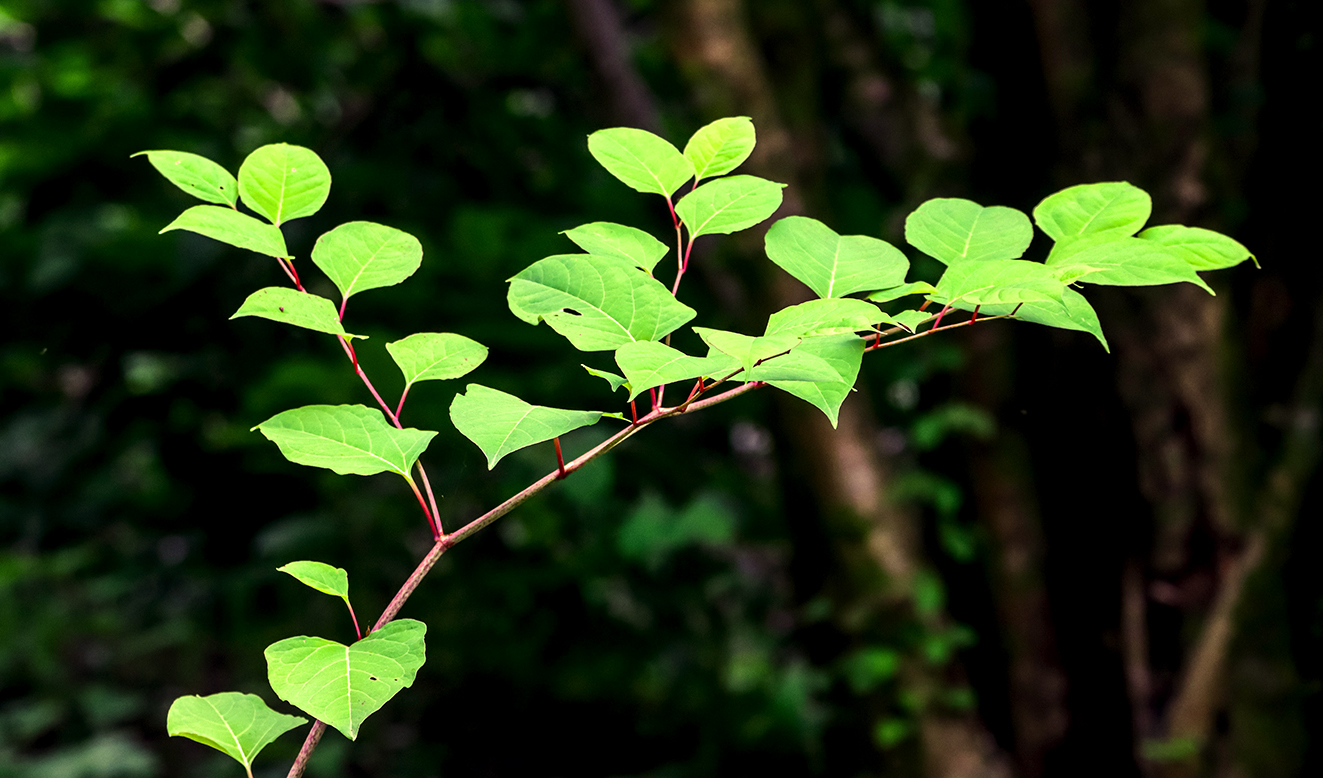
The first step in mitigating the financial damage caused by knotweed is accurate and early identification. Often mistaken for other common garden plants, knotweed’s distinctive shield-shaped leaves, hollow bamboo-like stems, and creamy white flowers can be deceptively benign. However, recognizing it promptly is paramount. An untrained eye might overlook a small patch, allowing it to establish itself and spread aggressively, leading to a much more costly and complex eradication process down the line. Investing in a professional survey at the earliest suspicion can save tens of thousands in future remediation costs, as smaller infestations are significantly easier and cheaper to manage than widespread, mature colonies. Homebuyers, in particular, should consider professional knotweed surveys as part of their due diligence, protecting against unforeseen liabilities that could drastically impact their investment.
Structural Damage and Direct Repair Costs
The true financial sting of knotweed lies in its capacity for structural damage. Unlike most plants, its powerful rhizomes can exploit weaknesses in concrete, tarmac, and brickwork, pushing through cracks and expanding them. This can compromise retaining walls, pathways, driveways, and even the foundations of buildings, leading to subsidence and structural instability. The repair costs associated with such damage can be exorbitant, often requiring specialized structural engineering work in addition to knotweed removal. For example, repairing a compromised foundation could cost upwards of £30,000 to £100,000 or more, a sum that few homeowners or property investors budget for. These direct repair costs become an unavoidable financial burden, eating into equity and draining financial reserves.
The Legal and Regulatory Burden: Fines, Injunctions, and Disclosure
Beyond physical damage, knotweed introduces a complex layer of legal and regulatory obligations that carry significant financial penalties. In many jurisdictions, allowing knotweed to spread from your property onto a neighbor’s land can lead to legal disputes, injunctions, and substantial compensation claims. Property owners have a duty of care to prevent the spread of invasive species, and failure to do so can result in costly litigation. Furthermore, stringent waste disposal regulations mean that knotweed, classified as controlled waste, cannot simply be discarded; it must be handled by licensed professionals and disposed of at approved sites, incurring additional costs. For sellers, there’s often a legal obligation to declare the presence of knotweed during property transactions. Non-disclosure, whether intentional or accidental, can lead to post-sale lawsuits, with buyers potentially seeking damages for remediation costs and loss of property value, sometimes years after the sale has completed. These legal and regulatory risks add another substantial financial layer to the problem of knotweed.
Navigating the Financial Labyrinth: Mortgages, Insurance, and Property Transactions
The presence of knotweed can throw a wrench into virtually every aspect of property ownership and transaction, particularly concerning financing and insurance. Lenders and insurers view knotweed as a significant risk, often leading to complications that can derail sales, limit financial options, and increase costs.
Mortgage Roadblocks and Lending Restrictions
Perhaps one of the most immediate and significant financial hurdles presented by knotweed is its impact on mortgages. Many mainstream lenders are highly cautious, if not outright resistant, to offering mortgages on properties affected by knotweed. The risk of structural damage and subsequent property value depreciation makes them wary. While some lenders may consider properties with knotweed, they often impose stringent conditions: a professional knotweed management plan must be in place, often with an insurance-backed guarantee, and paid for upfront. This can add thousands of pounds to the initial cost of a home purchase, often requiring buyers to have more capital available than initially planned. In severe cases, or where a management plan isn’t satisfactory, obtaining a mortgage might be impossible, effectively rendering a property unmortgageable and severely limiting its marketability to cash buyers only, who will expect a significant discount. This directly impacts both buyers’ ability to finance a purchase and sellers’ ability to achieve market value.
Insurance Pitfalls and Exclusions
The insurance landscape for properties with knotweed is equally fraught with financial implications. Standard home insurance policies typically do not cover damage caused by invasive plants like knotweed. This means that if knotweed causes structural damage to your home, you are unlikely to be able to claim for the repairs. While some specialized policies or endorsements might offer limited coverage, they often come at a premium and have strict conditions regarding the existing extent of the infestation and ongoing management. Furthermore, obtaining new home insurance for a property with a known knotweed problem can be challenging, or lead to higher premiums. Property owners must meticulously review their policies and potentially seek specialized advice to understand their exposure, ensuring they are not left with immense repair bills for which they have no coverage. This lack of insurance safety net places the full financial burden of damage directly on the homeowner.
Devaluation and Diminished Marketability
The cumulative effect of structural risk, mortgage difficulties, and insurance exclusions is a significant devaluation of the affected property. Even with a management plan in place, a property with knotweed will typically sell for less than an equivalent property without it. Market data suggests discounts can range from 5% to 15%, and in severe cases, even more. Beyond the price reduction, marketability also suffers. Potential buyers are often deterred by the perceived hassle and financial risk, narrowing the pool of interested parties and prolonging the sales process. This can be financially detrimental for sellers who need to move quickly or who have a specific price target in mind. For investors, purchasing a property with knotweed requires a careful calculation of the discount needed to offset future remediation costs and potential resale challenges, turning it into a complex financial arbitrage situation.
The Cost of Control: Investing in Eradication and Management
Addressing a knotweed infestation is not a one-time fix; it’s an investment in the long-term health and financial viability of a property. The costs associated with eradication and ongoing management vary significantly depending on the size of the infestation, the chosen method, and the specific site conditions.
DIY vs. Professional Intervention: A Cost-Benefit Analysis
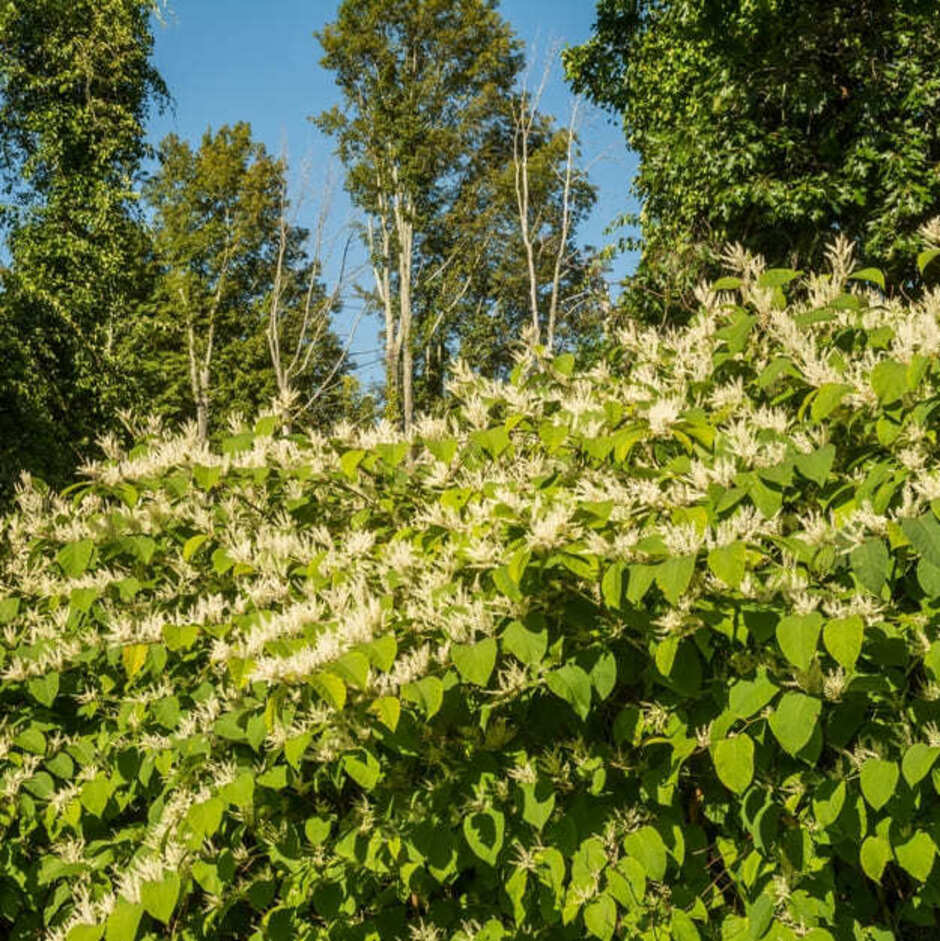
When faced with knotweed, property owners often weigh the option of a do-it-yourself approach against hiring professional specialists. While DIY methods, often involving herbicides, might seem cheaper initially, they rarely provide a complete or lasting solution. Knotweed is incredibly resilient; improper treatment can lead to dormant rhizomes re-emerging years later, or worse, cause the plant to spread further, creating a larger, more complex problem. The financial downside of a failed DIY attempt is significant: wasted money on ineffective herbicides, lost time, and a greater cost for professional intervention later.
Professional knotweed removal specialists, while more expensive upfront (typically ranging from £2,000 for small infestations to £10,000+ for larger, more complex sites), offer guaranteed and effective solutions. They employ advanced techniques like herbicide injection, excavation, and root barrier installation. Crucially, reputable professionals provide insurance-backed guarantees, which are often required by mortgage lenders and provide peace of mind. Investing in professional treatment from the outset is usually the most financially prudent decision, preventing escalating costs and ensuring compliance with lender requirements.
Long-Term Management and Monitoring Expenses
Eradication is often just the beginning. Due to knotweed’s persistent nature, ongoing management and monitoring are crucial, especially for several years after initial treatment. This involves regular site visits by specialists to check for regrowth and apply follow-up treatments. These monitoring plans, while less intensive than initial eradication, still incur annual costs, typically hundreds of pounds per year. However, these costs are a necessary investment to ensure the knotweed does not return, protecting the initial remediation investment and preventing a relapse into the cycle of property devaluation and mortgage complications. Without a robust long-term plan, the financial benefits of initial eradication can quickly be undone.
Capitalising on Prevention: The Value of Early Detection
The most financially savvy approach to knotweed is prevention and early detection. Proactive property owners who educate themselves on knotweed identification and regularly inspect their land can catch new growth early. Identifying and treating small, nascent infestations is significantly less expensive than tackling established colonies. For example, a localized spot treatment on a small patch of young knotweed might cost a few hundred pounds, whereas excavating and disposing of a mature, widespread infestation could cost tens of thousands. Incorporating knotweed checks into routine property maintenance or pre-purchase surveys represents a minimal upfront investment that offers substantial protection against potentially catastrophic financial liabilities. This forward-thinking approach transforms a potential crisis into a manageable expense, safeguarding the property’s value and the owner’s financial well-being.
Business Implications: Risks and Opportunities in the Knotweed Economy
The pervasive problem of knotweed extends beyond individual property owners, creating significant financial risks and, paradoxically, distinct business opportunities within various sectors. For developers, landscapers, environmental consultants, and even financial institutions, understanding the “knotweed economy” is becoming increasingly vital.
Development Delays and Increased Project Costs
For property developers and construction companies, encountering knotweed on a development site can be a costly nightmare. Remediation often requires specialized contractors and specific disposal methods, leading to substantial additional expenses not typically factored into initial project budgets. More critically, the eradication process can cause significant project delays. Construction cannot proceed safely or effectively until the knotweed is fully contained or removed, pushing back timelines by months, or even a year in severe cases. These delays result in increased holding costs, extended interest payments on development loans, potential penalties for missed deadlines, and lost revenue opportunities. For large-scale developments, the financial impact of knotweed can run into hundreds of thousands, if not millions, of pounds, underscoring the critical importance of thorough site surveys and due diligence before land acquisition.
Liability, Reputational Risk, and Professional Services
Businesses that operate in property-related fields, such as real estate agencies, conveyancers, and surveyors, face significant professional liability and reputational risk if they fail to identify or adequately advise clients about knotweed. A surveyor who misses a significant infestation could be sued for negligence, while a real estate agent failing to disclose known knotweed could face claims for misrepresentation. The financial repercussions of such lawsuits can be severe, including legal fees, compensation payouts, and increased professional indemnity insurance premiums. Beyond the direct financial costs, a damaged reputation can lead to a loss of client trust and future business. This has driven a need for specialized professional services, including environmental consultants and knotweed specialists, to provide accurate assessments and management plans, creating a niche market for expert advice and remediation.
The Rise of the Knotweed Industry: A Niche Market Opportunity
While knotweed presents significant financial risks, it has also spurred the growth of an entire industry dedicated to its management and eradication. Companies specializing in knotweed removal, environmental surveys, and even the development of new herbicides or biological controls represent a burgeoning market. For entrepreneurs and investors, this “knotweed economy” offers unique business opportunities. From specialist contractors offering guaranteed removal services to technology firms developing AI for early detection or advanced treatment methods, there is a clear demand for innovative and effective solutions. Companies that can provide reliable, cost-effective, and environmentally responsible knotweed management are well-positioned for growth, transforming a financial burden into a profitable venture. This includes not just physical removal but also consulting, training, and the provision of insurance-backed guarantees, all contributing to a growing specialist services sector.
Strategic Financial Planning in a Knotweed World
Given the profound financial implications of knotweed, strategic financial planning is no longer a luxury but a necessity for anyone involved with property. Proactive measures, comprehensive due diligence, and expert advice are crucial to mitigating risks and protecting investments.
Due Diligence Before Purchase: Protecting Your Investment
For prospective homebuyers and property investors, comprehensive due diligence is the ultimate financial safeguard against knotweed. This means going beyond standard property surveys to include specific knotweed surveys, especially if there’s any suspicion or if the property is in an area known to be affected. Reviewing property information forms (P.I.F.s) for knotweed declarations, asking direct questions of sellers, and scrutinizing environmental reports are critical steps. A small investment in a specialized survey can reveal a lurking problem that could otherwise cost tens of thousands of pounds in remediation, legal fees, and lost property value. Understanding the presence and extent of knotweed before committing to a purchase allows buyers to negotiate appropriately, factor in remediation costs, or walk away from a financially perilous deal, thus protecting their investment from the outset.
Budgeting for Remediation and Contingencies
For property owners who discover knotweed, or those acquiring an affected property, robust financial budgeting is essential. This budget must encompass not only the initial eradication costs but also long-term monitoring, potential repairs to damaged structures, and contingency funds for unforeseen complications. Obtaining detailed quotes from multiple professional knotweed specialists, understanding their proposed methodologies, and clarifying the scope of their guarantees are critical. It’s also wise to allocate an emergency fund for potential structural repairs that might become necessary after the knotweed is removed, or if previously undetected damage emerges. Integrating these costs into personal or business financial planning prevents unexpected financial shocks and allows for a structured approach to managing the problem rather than reacting to a crisis.
Seeking Expert Financial, Legal, and Environmental Advice
The complex interplay of botanical, structural, legal, and financial factors surrounding knotweed necessitates a multidisciplinary approach to advice. Property owners should not hesitate to consult a range of experts:
- Knotweed Specialists/Environmental Consultants: For accurate identification, assessment of the infestation’s extent, and development of a professional eradication plan.
- Property Valuers and Surveyors: For an unbiased assessment of the knotweed’s impact on property value and structural integrity.
- Conveyancers and Solicitors: For legal advice regarding disclosure obligations, potential liabilities, and negotiation of clauses in property contracts related to knotweed.
- Financial Advisors: To integrate knotweed-related costs into overall financial planning, explore financing options for remediation, and understand the long-term impact on property equity and wealth.
Relying on informed advice from these professionals can guide property owners through the financial complexities, ensuring legal compliance, mitigating risks, and ultimately protecting their financial well-being in the face of this formidable plant. In the world of property and finance, ignorance of knotweed is far from bliss; it’s a direct path to significant financial loss.
aViewFromTheCave is a participant in the Amazon Services LLC Associates Program, an affiliate advertising program designed to provide a means for sites to earn advertising fees by advertising and linking to Amazon.com. Amazon, the Amazon logo, AmazonSupply, and the AmazonSupply logo are trademarks of Amazon.com, Inc. or its affiliates. As an Amazon Associate we earn affiliate commissions from qualifying purchases.