
In the rapidly evolving landscape of digital transformation, the way we communicate has shifted from physical copper wires to the boundless potential of the internet. At the heart of this revolution is the IP phone number. Unlike the traditional telephone numbers that have defined the last century, an IP phone number represents a sophisticated fusion of telecommunications and data networking. To understand what an IP phone number is, one must look beyond the digits and explore the underlying technology of Voice over Internet Protocol (VoIP) that powers the modern global exchange of information.
Understanding the Technology Behind IP Phone Numbers
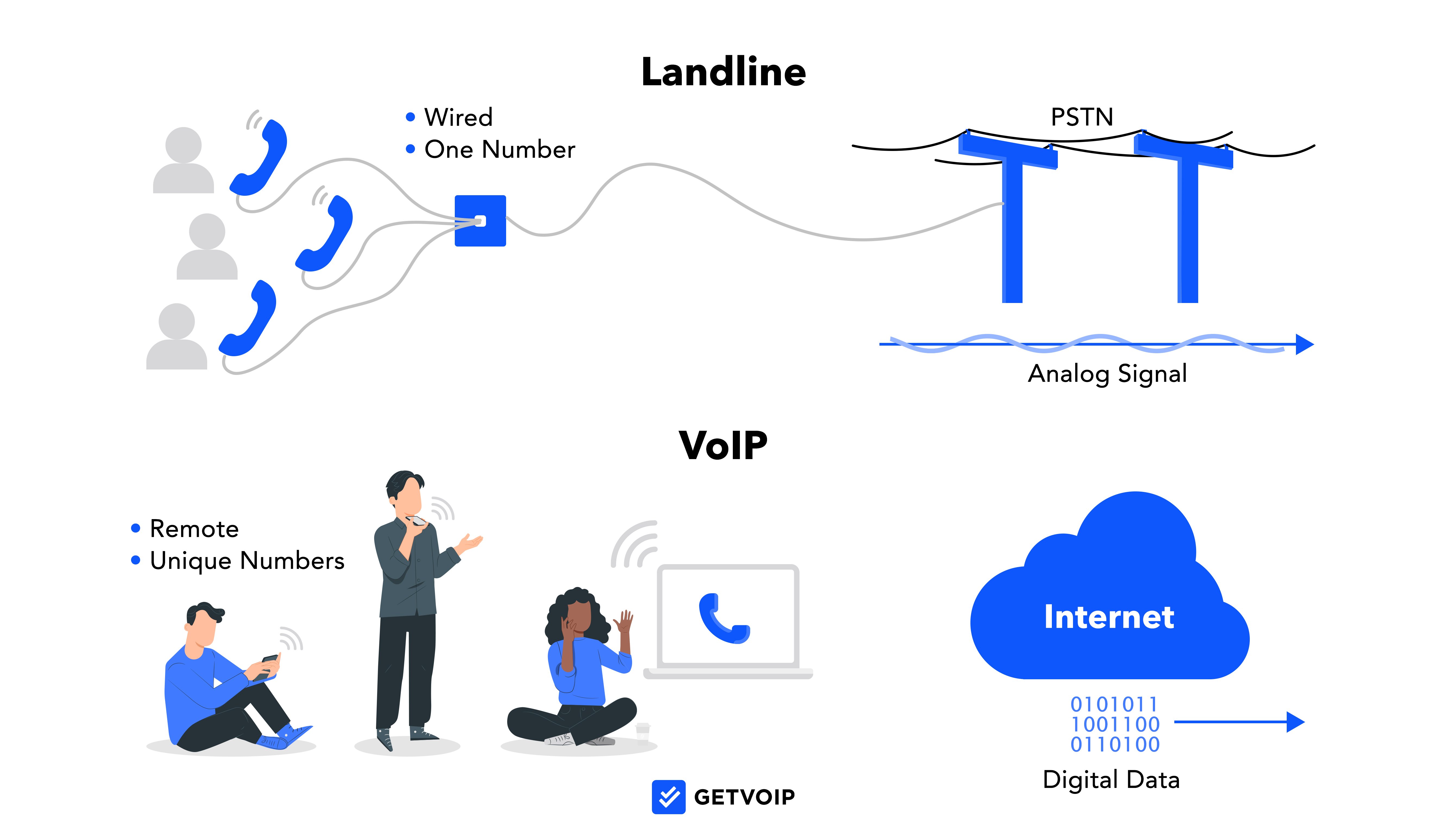
The fundamental difference between a traditional phone number and an IP phone number lies in the transmission medium. Traditional telephony relies on the Public Switched Telephone Network (PSTN), which uses circuit-switching technology to create a dedicated physical path between two callers. In contrast, an IP phone number operates through packet-switching, the same technology that allows you to browse the web or send an email.
How VoIP Transforms Voice into Data
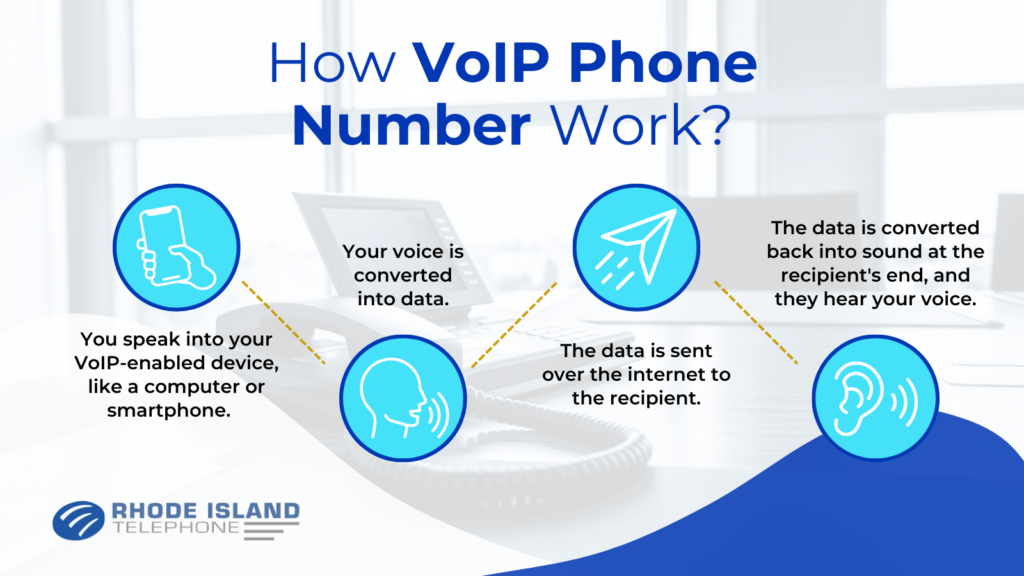
When you use an IP phone number, your voice is not transmitted as an electrical signal over a wire. Instead, the technology utilizes “codecs” (coder-decoders) to convert analog audio signals into digital data packets. These packets are labeled with an IP address and sent across the internet. Once they reach their destination, they are reassembled in the correct order and converted back into audio. This process happens in milliseconds, ensuring that the conversation remains fluid and high-fidelity.
The Role of the Session Initiation Protocol (SIP)
An IP phone number is often synonymous with a SIP address. Session Initiation Protocol (SIP) is the technical standard used to initiate, maintain, and terminate real-time interactive sessions that involve voice, video, and messaging. While the IP phone number serves as the “address” or identifier, SIP acts as the “courier” that negotiates the connection between two points on the network. This allows an IP phone number to be much more versatile than a traditional one, as it can handle multiple types of data simultaneously.
Difference Between Traditional PSTN and IP Telephony
The shift from PSTN to IP-based systems represents a move from hardware-centric communication to software-defined communication. In a traditional setup, a phone number is tied to a specific physical location or a “local loop.” With an IP phone number, the identity is decoupled from the geography. The “number” is essentially an account credential hosted in the cloud, allowing the user to send and receive calls from any device connected to the internet, regardless of their physical coordinates.
Key Features and Technical Advantages of IP Numbers
The transition to IP-based numbering is not merely a change in infrastructure; it is an upgrade in functionality. Because IP phone numbers exist within a data environment, they can be programmed and integrated with other digital tools in ways that were previously impossible.
Geographical Flexibility and Virtual Presence
One of the most powerful technical aspects of an IP phone number is the ability to acquire a “virtual” presence. A technology firm based in San Francisco can utilize an IP phone number with a London area code. When a client in the UK dials that number, the call is routed over the internet to the San Francisco office. This bypasses the technical limitations of physical distance and allows organizations to establish a local technical footprint without maintaining a physical server or office in that region.
Integration with Unified Communications (UC)
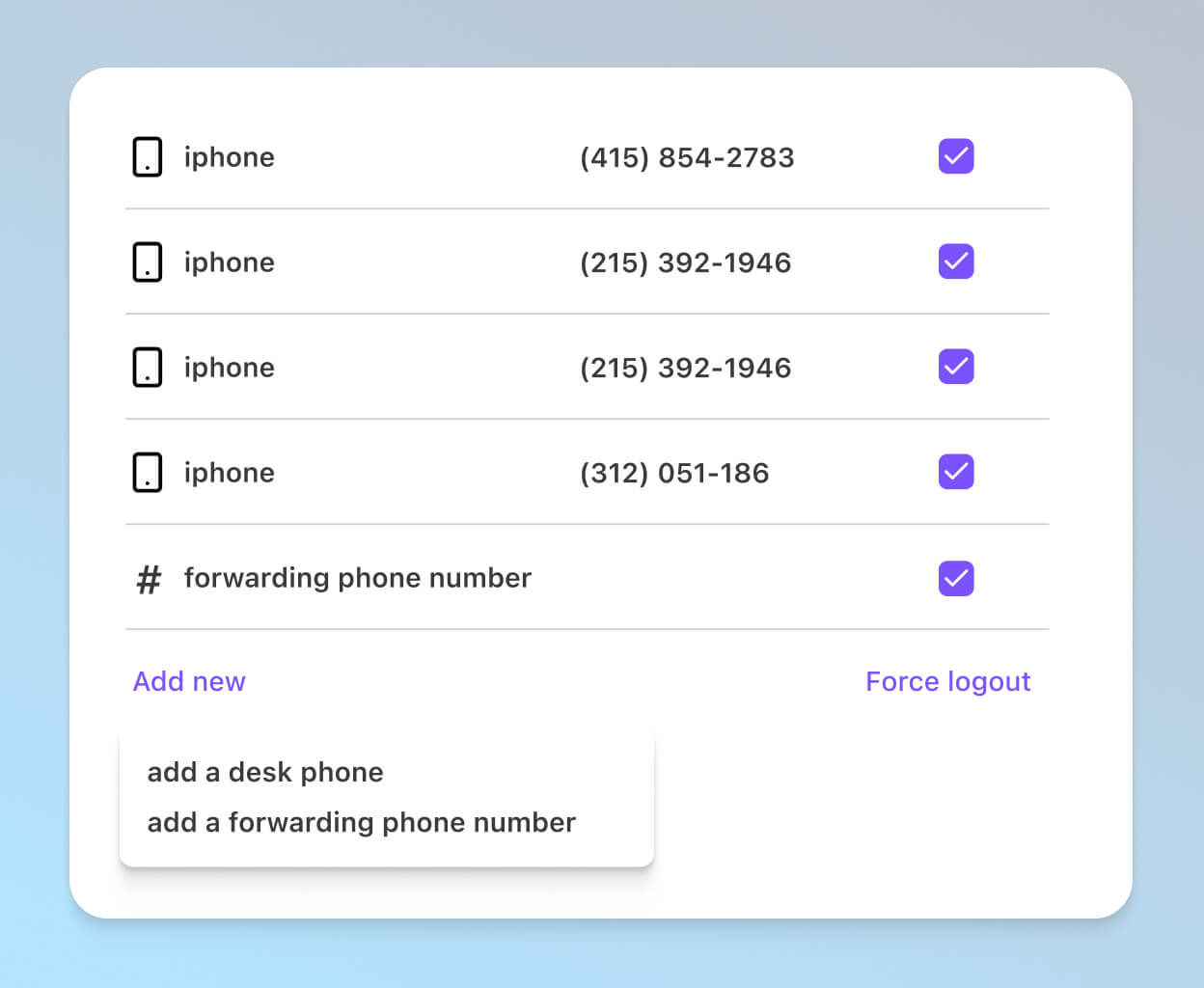
An IP phone number acts as a single point of entry for what the industry calls Unified Communications (UC). Because the number is data-driven, it can be linked to a user’s laptop, smartphone, tablet, and desk phone simultaneously. When the IP number is dialed, the network uses “find me/follow me” logic to ring all devices or route the call based on the user’s current status. This integration extends to software ecosystems, allowing the IP number to trigger pop-up windows in Customer Relationship Management (CRM) tools or log data directly into analytics software.
Advanced Call Management and Automated Logic
Unlike traditional numbers, IP phone numbers are highly programmable. They support advanced features such as Interactive Voice Response (IVR), automated call distribution (ACD), and sophisticated queuing algorithms. These features are managed through a web-based dashboard rather than a physical switchboard. From a technical standpoint, this means that call routing logic—such as sending calls to a different department after business hours—can be updated in real-time through a software interface.
Setting Up an IP Phone System: Hardware vs. Software
Deploying an IP phone number requires a specific set of hardware and software components designed to interface with the internet. Depending on the needs of the user or organization, this can range from specialized physical devices to entirely virtual applications.
Dedicated IP Hardware (Desk Phones)
While they may look like traditional telephones, IP phones (or VoIP phones) are essentially specialized computers. They connect to the network via Ethernet cables or Wi-Fi and feature built-in mini-switches to handle data traffic. Most modern IP phones support Power over Ethernet (PoE), meaning they receive both their data connection and their electrical power through a single network cable, simplifying the infrastructure required in a modern office or data center.
Softphones and Mobile Application Integration
Perhaps the most significant shift in IP numbering is the rise of the “softphone.” A softphone is a piece of software installed on a computer or mobile device that mimics the functionality of a physical phone. By logging into a softphone app with their IP phone number credentials, a user can transform their laptop into a full-featured communication terminal. This utilizes the device’s existing microphone, speakers, and internet connection, making physical hardware optional for the modern digital nomad or remote worker.
The Role of Analog Telephone Adapters (ATA)
For those who wish to transition to IP technology while retaining legacy equipment, the Analog Telephone Adapter (ATA) serves as a bridge. An ATA is a small hardware device that connects a traditional analog phone to an internet router. It performs the necessary analog-to-digital conversion, allowing a standard phone to function with an IP phone number. This is a common solution for residential users or small businesses in the initial stages of a digital migration.
Digital Security and the Future of IP Communication
As communication moves to the internet, it becomes subject to the same security challenges and opportunities as any other data-driven technology. The security of an IP phone number is a critical focus for network administrators and software developers alike.
Protecting Voice Data with Encryption
Because IP phone numbers transmit data over public and private networks, they are susceptible to interception. To combat this, modern IP systems employ Secure Real-time Transport Protocol (SRTP) and Transport Layer Security (TLS). These protocols encrypt the voice packets and the signaling data, ensuring that even if a packet is intercepted, the audio remains unreadable. This level of security is a significant upgrade over traditional analog lines, which are relatively easy to “tap” physically.
AI Integration and Smart Routing
The future of the IP phone number is deeply intertwined with Artificial Intelligence (AI). We are seeing the rise of “smart” IP numbers that can transcribe calls in real-time, perform sentiment analysis on conversations, and even use AI-driven noise cancellation to improve audio quality in high-traffic environments. Because the call is already in a digital format, it is much easier to feed that data into machine learning models that can provide insights into communication patterns and efficiency.
The Transition to 5G and Enhanced Connectivity
The rollout of 5G technology is set to further revolutionize IP phone numbers. With the increased bandwidth and lower latency of 5G, the reliability of IP-based communication will reach a point where it surpasses traditional landlines in every metric. This will enable more robust high-definition (HD) audio and seamless 4K video calling tied directly to the IP phone number. As we move toward an “Internet of Things” (IoT) world, the IP phone number may eventually serve as a universal identifier for not just humans, but for devices to communicate with one another autonomously.
Conclusion
An IP phone number is far more than a tool for making calls; it is a sophisticated piece of digital identity within the vast ecosystem of modern technology. By leveraging the power of the internet, SIP protocols, and cloud-based software, it offers a level of flexibility, scalability, and integration that traditional telephony simply cannot match. Whether through a physical IP desk phone or a mobile softphone app, this technology represents the current peak of communication engineering. As we look toward a future dominated by AI and 5G, the IP phone number will continue to evolve, remaining the primary gateway for digital interaction in the professional and personal spheres.
aViewFromTheCave is a participant in the Amazon Services LLC Associates Program, an affiliate advertising program designed to provide a means for sites to earn advertising fees by advertising and linking to Amazon.com. Amazon, the Amazon logo, AmazonSupply, and the AmazonSupply logo are trademarks of Amazon.com, Inc. or its affiliates. As an Amazon Associate we earn affiliate commissions from qualifying purchases.