
In the modern era of medicine, the intersection of biology and technology has transformed the way we understand human health. Among the most fundamental diagnostic tools is the “Chem 7” panel—formally known as the Basic Metabolic Panel (BMP). While it may seem like a simple blood draw to the average patient, the Chem 7 represents a sophisticated synergy of advanced robotics, ion-selective sensor technology, and complex data management systems. Understanding what is in a Chem 7 through a technological lens reveals a world of high-speed automation and algorithmic precision that drives contemporary clinical decision-making.
The Engineering of the Chem 7: Hardware and Sensor Technology
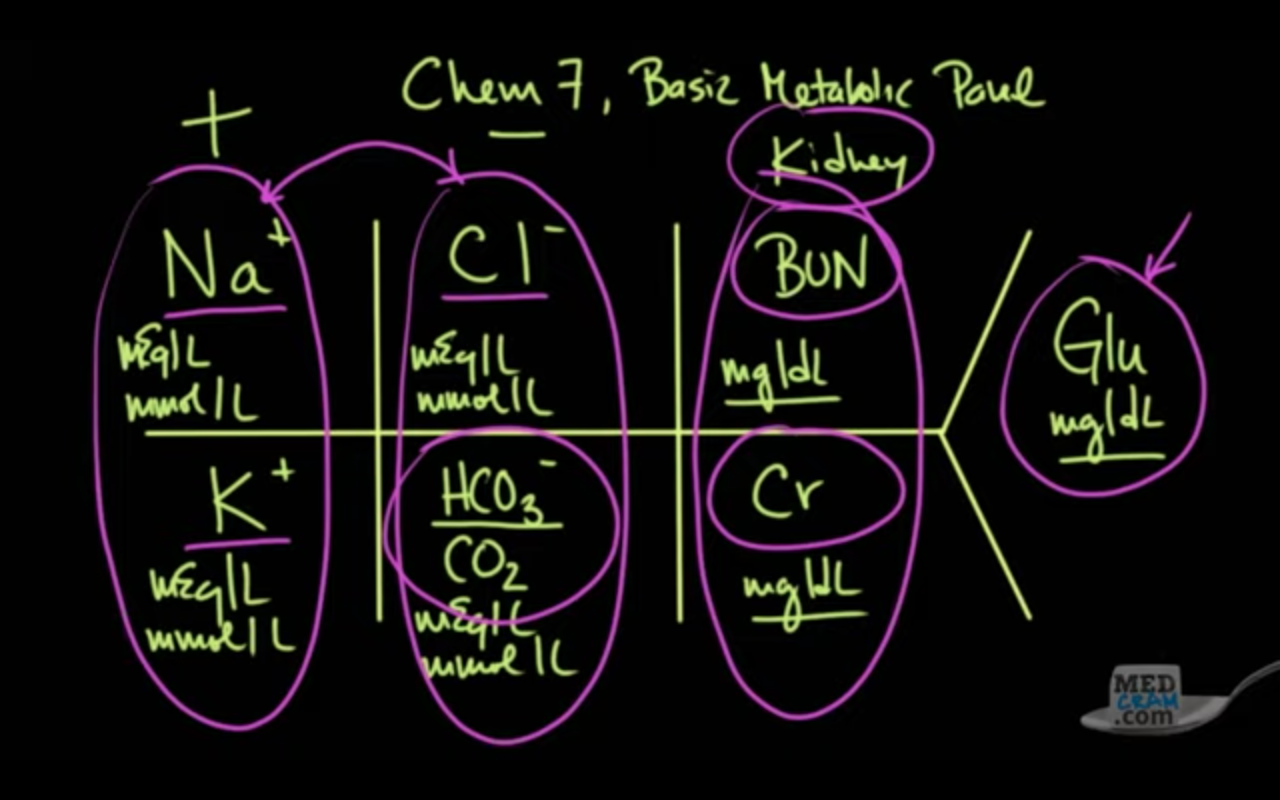
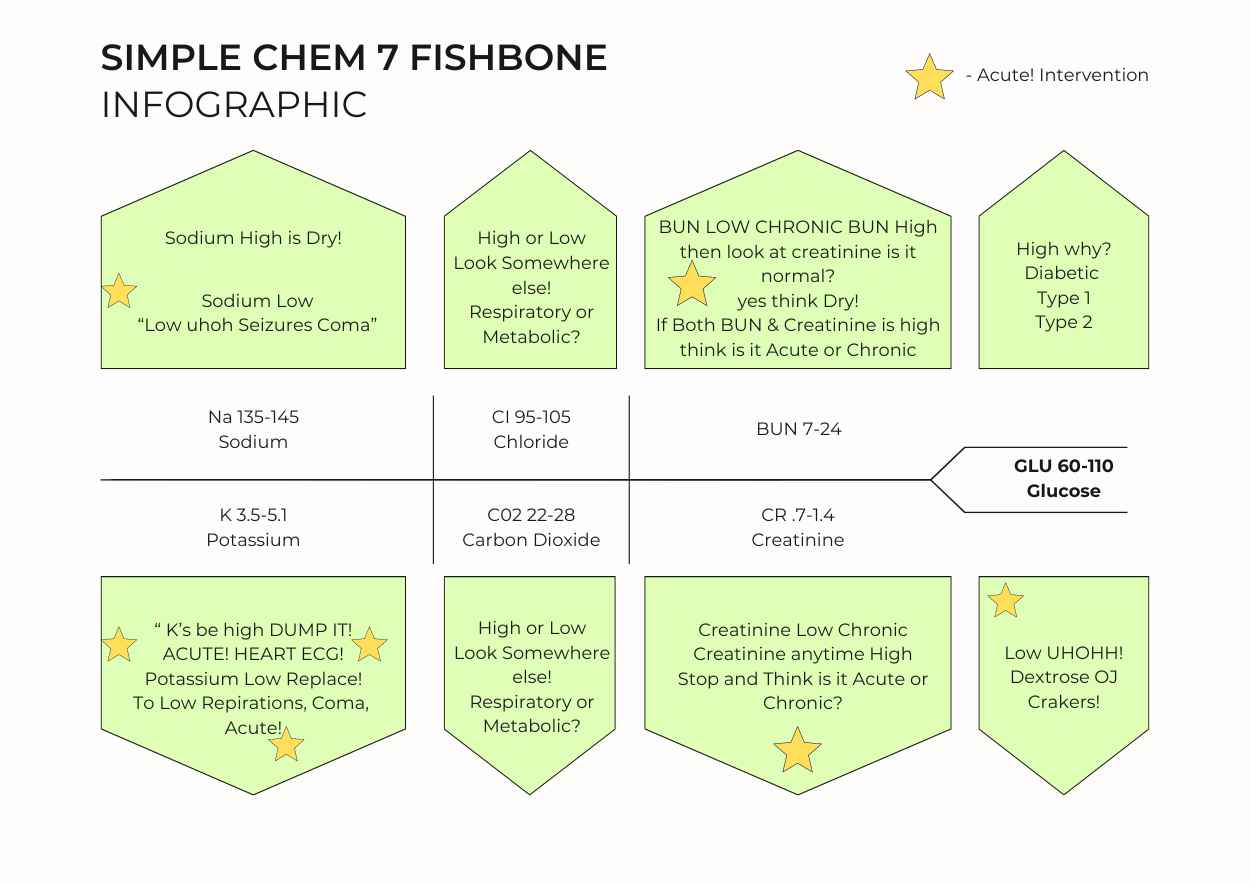
The Chem 7 panel measures seven key substances in the blood: sodium, potassium, chloride, bicarbonate (CO2), blood urea nitrogen (BUN), creatinine, and glucose. To extract these data points from a single milliliter of serum, laboratory technology employs a suite of specialized sensors and chemical analysis methods that have evolved significantly over the last two decades.
Ion-Selective Electrode (ISE) Technology
The measurement of electrolytes—sodium, potassium, and chloride—relies on Ion-Selective Electrode (ISE) technology. These are sensors designed to convert the activity of a specific ion dissolved in a solution into an electrical potential. Modern ISE modules are masterpieces of micro-engineering. They utilize a membrane that is selectively permeable to a single type of ion. When the patient’s sample passes over this membrane, a voltage change occurs that is proportional to the concentration of the ion. Digital signal processors then convert these analog electrical signals into the digital values that appear on a physician’s screen.
Spectrophotometry and Enzymatic Assays
For components like glucose and creatinine, the technology shifts from electrical to optical. High-throughput chemistry analyzers use spectrophotometry, a method that measures how much light a chemical substance absorbs. In a Chem 7 test, the analyzer introduces specific enzymes into the blood sample that react with glucose or creatinine to produce a color change. The machine’s optical sensors then pass light through the sample at specific wavelengths. By measuring the light intensity, the system’s software calculates the exact concentration of the substance based on the Beer-Lambert Law.
Automated Fluidics and Micro-Sampling
A major technological hurdle in laboratory medicine is the handling of microscopic fluid volumes. Modern analyzers utilize precision fluidics—a combination of high-precision pumps, Teflon-coated probes, and ultrasonic mixers. These components ensure that the exact ratio of reagent to sample is maintained, minimizing “carryover” (contamination between samples) and allowing labs to process hundreds of Chem 7 panels per hour with a degree of accuracy that manual testing could never achieve.
AI and Machine Learning in Metabolic Interpretation
As the volume of diagnostic data grows, the role of Artificial Intelligence (AI) and Machine Learning (ML) in interpreting Chem 7 results has become increasingly critical. The “tech” in the Chem 7 isn’t just in the hardware; it is in the software layers that sit on top of the raw data.
Algorithmic Validation and Error Detection
One of the most significant tech trends in clinical labs is the use of “autoverification” algorithms. Before a Chem 7 result ever reaches a doctor, it is vetted by a software system. These algorithms check for “delta shifts”—comparing the current result to the patient’s previous tests. If a result is biologically improbable or indicates a massive spike that suggests a technical error (such as a contaminated sample), the AI flags the result for manual review. This digital safety net drastically reduces the rate of diagnostic error.
Predictive Analytics for Chronic Disease
Tech companies are now leveraging historical Chem 7 data to build predictive models for kidney health. Creatinine and BUN levels are key indicators of renal function. By applying machine learning to longitudinal Chem 7 data, developers have created software that can predict the onset of Chronic Kidney Disease (CKD) years before a clinical diagnosis would typically occur. These tools analyze subtle trends in the data that are invisible to the human eye, shifting the paradigm from reactive treatment to proactive digital surveillance.
Reducing “Noise” in Critical Care
In high-acuity settings like the ICU, patients may have a Chem 7 performed multiple times a day. This generates a massive amount of data that can lead to “alarm fatigue” for clinicians. Modern health-tech platforms use smart filtering to distinguish between “noise” (minor fluctuations) and “signal” (clinically significant trends). By prioritizing critical deviations through mobile alerts and integrated dashboards, technology ensures that the most important data points in the Chem 7 panel get the immediate attention they require.
Laboratory Information Systems (LIS) and Data Interoperability
The value of a Chem 7 test is only realized when the data moves from the analyzer to the point of care. This movement is facilitated by Laboratory Information Systems (LIS), which serve as the central nervous system of the modern diagnostic facility.
The Role of HL7 and FHIR Standards
For a Chem 7 result to be useful, it must be interoperable. Technology standards like HL7 (Health Level Seven) and FHIR (Fast Healthcare Interoperability Resources) allow the diagnostic machine to “talk” to the hospital’s Electronic Health Record (EHR). When the analyzer finishes its run, the data is packaged into a standardized digital format. This ensures that whether the patient is in a rural clinic or a major metropolitan hospital, their metabolic data is presented in a consistent, readable, and actionable format.
Cybersecurity in Clinical Diagnostics
Because Chem 7 results contain highly sensitive Protected Health Information (PHI), the technology surrounding these tests must include robust digital security measures. Encryption at rest and in transit is the industry standard. Furthermore, as labs move toward cloud-based LIS platforms, the integration of blockchain technology is being explored to create immutable logs of who accessed a patient’s metabolic data and when, ensuring a transparent and secure digital audit trail.
Cloud-Based Patient Portals
The “Consumerization of Tech” has changed how patients interact with their Chem 7 results. Through cloud-integrated patient portals and mobile apps, individuals can now access their metabolic data on their smartphones. These platforms often include data visualization tools—graphs and charts that show how their glucose or sodium levels have trended over time. This transparency, powered by secure API integrations, empowers patients to take a more active role in their health management.
The Future Frontier: Wearables and Real-Time Chem 7 Monitoring
The current state of Chem 7 technology still requires a needle and a lab. However, the next wave of technological innovation aims to move these measurements out of the hospital and into the palm of the hand—or onto the skin.
Lab-on-a-Chip and Microfluidics
Researchers are currently developing “lab-on-a-chip” (LOC) technology that shrinks an entire chemistry analyzer down to the size of a credit card. By using microfluidic channels, these devices can perform a full Chem 7 panel using a single drop of blood, with the results transmitted via Bluetooth to a mobile device. This technology holds the promise of bringing high-level metabolic monitoring to remote areas and developing nations where traditional lab infrastructure is non-existent.
Continuous Metabolic Monitoring (CMM)
Following the success of Continuous Glucose Monitors (CGMs), tech startups are working on Continuous Metabolic Monitors (CMMs). These are wearable patches equipped with microneedles that sit just under the skin. While currently focused on glucose, the roadmap for these devices includes the other components of the Chem 7, such as potassium and sodium. This would allow for real-time tracking of electrolyte balance in athletes or patients with congestive heart failure, representing a massive leap forward in personalized health technology.
The Integration of Bio-Tech and Consumer Gadgets
We are entering an era where the boundary between medical devices and consumer electronics is blurring. As optical sensor technology in smartwatches becomes more sophisticated, there is ongoing research into non-invasive ways to estimate certain metabolic markers found in the Chem 7. While we are not yet at the point of a “no-needle” Chem 7, the rapid advancement in spectroscopic sensors suggests that the digital devices we wear daily may soon provide a window into our internal chemistry.

Conclusion
The Chem 7 panel is far more than a list of seven markers; it is a testament to the power of modern technology to decode the complexities of human biology. From the precision of ion-selective electrodes to the predictive power of artificial intelligence, every step of the Chem 7 process is underpinned by cutting-edge digital and mechanical innovation. As we look to the future, the continued evolution of microfluidics, cybersecurity, and wearable sensors will ensure that the Chem 7 remains a cornerstone of the high-tech diagnostic landscape, providing the data needed to save lives and optimize human performance in an increasingly digital world.
aViewFromTheCave is a participant in the Amazon Services LLC Associates Program, an affiliate advertising program designed to provide a means for sites to earn advertising fees by advertising and linking to Amazon.com. Amazon, the Amazon logo, AmazonSupply, and the AmazonSupply logo are trademarks of Amazon.com, Inc. or its affiliates. As an Amazon Associate we earn affiliate commissions from qualifying purchases.