
In the world of marketing and corporate strategy, few brands achieve the level of “indelible identity”—a state where the brand is so interwoven with a culture that the two become synonymous. When asking the question, “What is hurling in Ireland?”, one might initially receive a technical explanation of a sport involving sticks (hurleys) and balls (sliotars). However, from a brand strategy perspective, hurling represents one of the most successful examples of cultural branding, community-led marketing, and heritage management in existence today.
Managed by the Gaelic Athletic Association (GAA), hurling is not merely a pastime; it is a multi-generational brand that anchors Irish identity. To understand hurling is to understand how a brand can maintain absolute relevance for over 2,000 years by leveraging emotional resonance, localized distribution models, and a unique value proposition that defies modern commercial norms.
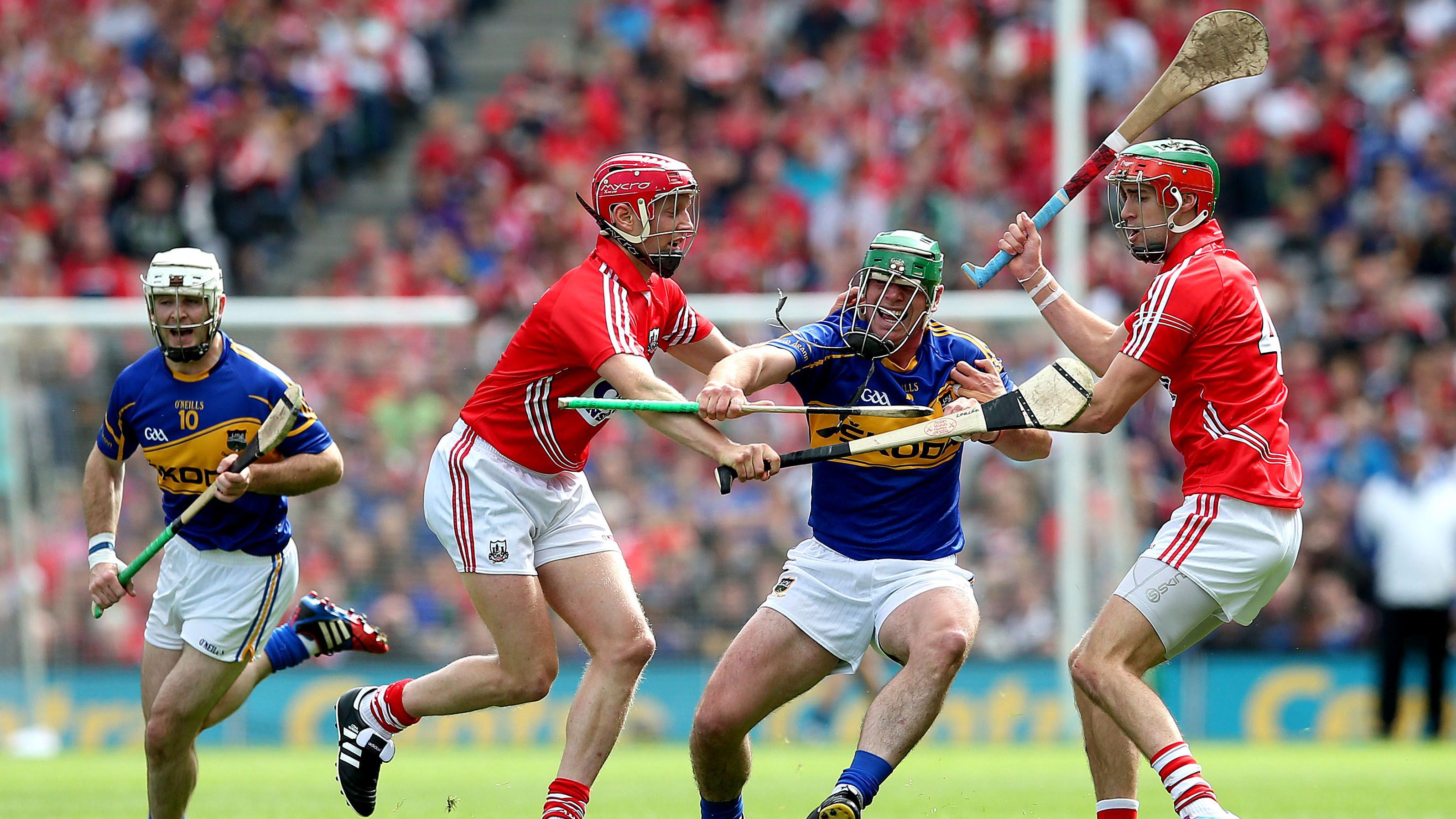
The Anatomy of a Legacy Brand: Heritage as a Strategic Asset
The foundation of any powerful brand is its origin story. In the corporate world, brands like Apple or Nike lean heavily on their “garage” or “track” stories. Hurling, however, utilizes a narrative that spans millennia, positioning it not just as a product of Irish culture, but as a foundational element of the Irish psyche.
The Mythological Roots of the Brand
The “hurling brand” is built upon the mythos of Cuchulainn, a central figure in Irish mythology who earned his name through a feat involving a hurley and ball. By anchoring the sport in ancient folklore, the GAA has created a brand that feels eternal. For a brand strategist, this is the ultimate form of “Legacy Positioning.” It suggests that the product is not a trend, but a permanent fixture of the human experience within a specific geography. This ancient association provides a level of brand authority that new, manufactured sports or entertainment products cannot replicate.
Reclaiming Identity through Strategic Rebranding
In the late 19th century, Ireland was under British rule, and many native traditions were in decline. The formalization of the GAA in 1884 was, in essence, one of the most significant rebranding exercises in history. The goal was to reclaim a “National Brand Identity.” By standardizing the rules of hurling, the GAA provided a tangible way for the Irish people to express their distinctiveness. This teaches a vital lesson in brand strategy: a brand is most powerful when it stands for something beyond its functional use. Hurling became a symbol of resistance, pride, and cultural sovereignty.
Community-Led Distribution: The “Parish Rule” and Localized Loyalty
Modern brands often struggle with “customer churn” and loyalty. Hurling solves this through a unique organizational structure that mirrors a hyper-localized franchise model. In the GAA, the fundamental unit is the “parish.”
The Parish Rule: Building Unbreakable Brand Loyalty
One of the most fascinating aspects of the hurling brand is the “Parish Rule,” which dictates that a player must play for the club in the area where they were born or live. In marketing terms, this is a forced-loyalty model, but because it is rooted in community and family, it is viewed as a badge of honor rather than a restriction.
This creates a brand ecosystem where the “consumers” (the fans) and the “producers” (the players) are the same people. When a local team plays, the entire community is invested because the brand represents their specific geography. For modern businesses, this highlights the power of “hyper-localization”—the idea that a global or national brand can gain more traction by empowering its smallest, local units to lead the narrative.
Amateurism as a Brand Value
In an era of multi-million dollar sports contracts, hurling remains strictly amateur. The players do not get paid. From a brand strategy viewpoint, this “Amateur Status” is a core Brand Pillar. It reinforces the values of “purity,” “passion,” and “community.” Because the players are seen as working-class heroes who go to their day jobs on Monday after playing in front of 80,000 people on Sunday, the brand authenticity is unparalleled. It removes the cynical commercial barrier between the brand and the audience, fostering a level of trust that professional sports brands often struggle to maintain.
Visual Identity and the Tangible Brand Experience
Every world-class brand requires iconic visual markers. Hurling possesses a distinct visual language that makes it instantly recognizable, even to those who do not understand the rules.
The Sliotar and the Ash: Iconic Tangibles
The tools of the trade—the “hurley” (the stick carved from ash wood) and the “sliotar” (the leather-clad ball)—serve as the brand’s physical touchpoints. There is a tactile, artisanal quality to these objects. Unlike the mass-produced plastic equipment of many modern sports, a hurley is a bespoke piece of craftsmanship. This reinforces a brand image of “Authenticity” and “Craft.” When a brand can associate itself with high-quality, natural materials, it elevates its perceived value in the eyes of the consumer.
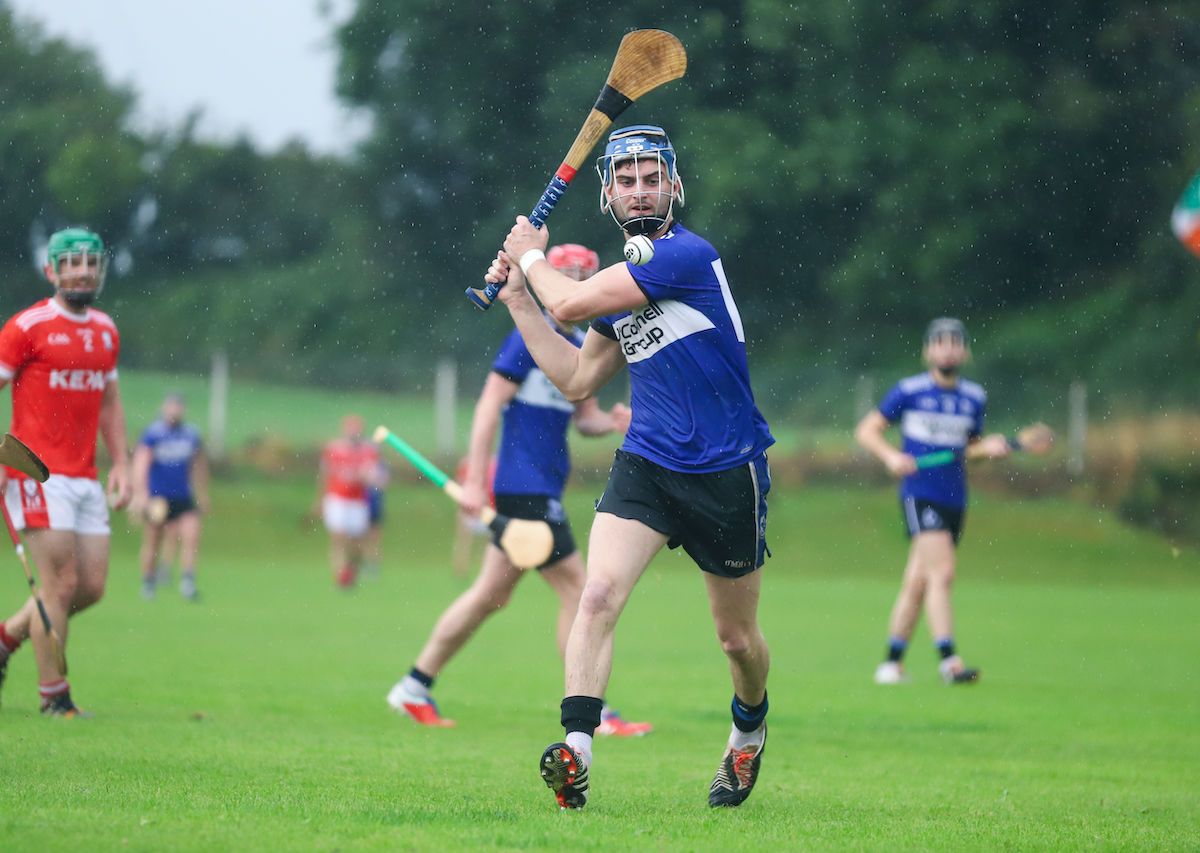
Modernizing the Gaelic Aesthetic
While rooted in tradition, the hurling brand has undergone significant visual modernization. The evolution of team “kits” (jerseys) and the branding of the All-Ireland Championship show a sophisticated understanding of contemporary design. The use of vibrant primary colors—the green and red of Mayo, the amber and black of Kilkenny—creates a visual shorthand for tribal identity. In brand design, these colors function as “Distinctive Brand Assets,” allowing fans to signal their loyalty from a distance. The consistency of these visual cues across decades ensures that the brand remains recognizable across generations.
Scaling the Brand: Global Expansion and Digital Transformation
How does a brand rooted in local Irish parishes scale to a global audience? The GAA has navigated this challenge by leveraging the Irish diaspora and embracing modern media platforms.
The Diaspora as Brand Ambassadors
The Irish diaspora is one of the most powerful brand-advocacy networks in the world. Wherever Irish people have emigrated—from Boston to Brisbane—they have taken hurling with them. These communities act as organic brand ambassadors, setting up clubs and introducing the sport to new demographics. This is a prime example of “Organic Growth Strategy,” where the brand expands not through top-down corporate spending, but through bottom-up community passion.
Digital Strategy and “The Fastest Game on Grass”
In the digital age, the hurling brand has leaned into its unique selling proposition (USP): speed. Often marketed as “The Fastest Game on Grass,” hurling is perfectly suited for the short-form video era. High-speed highlights, incredible displays of skill, and the sheer physicality of the game make for highly shareable social media content.
By utilizing platforms like GAAGO (the association’s streaming service), the brand has bypassed traditional geographic limitations. This digital transformation has allowed the GAA to monetize its content globally while maintaining control over its brand narrative. For brand managers, the lesson here is clear: identify your most exciting “Product Feature” (in this case, speed) and lead with it in your digital marketing efforts.
The All-Ireland Final: A Flagship Brand Event
Every great brand has a “Flagship Experience”—a moment where the brand’s promise is fully realized. For hurling, this is the All-Ireland Senior Hurling Championship Final at Croke Park.
Croke Park: The Brand’s Cathedral
Croke Park is more than a stadium; it is the headquarters and the spiritual home of the brand. The scale of the venue (the third-largest stadium in Europe) communicates the importance of the brand. When 82,000 people gather for a final, it creates a “social proof” that is undeniable. The atmosphere, the pageantry, and the high-stakes drama of the final are all carefully curated brand experiences that leave a lasting impression on the “consumer.”
Maintaining Brand Relevance in a Competitive Market
The hurling brand faces stiff competition from global entities like the Premier League, the NFL, and Netflix. To survive, the GAA has had to focus on “Brand Differentiation.” They don’t try to be like soccer or American football; they lean into what makes them different—the history, the amateur status, and the sheer speed of the game.
In business terms, this is a “Blue Ocean Strategy.” By offering a product that is fundamentally different from the “Red Ocean” of professionalized, commercial sports, hurling occupies a unique space in the market. It doesn’t need to compete on price or player salaries; it competes on identity, belonging, and heritage.
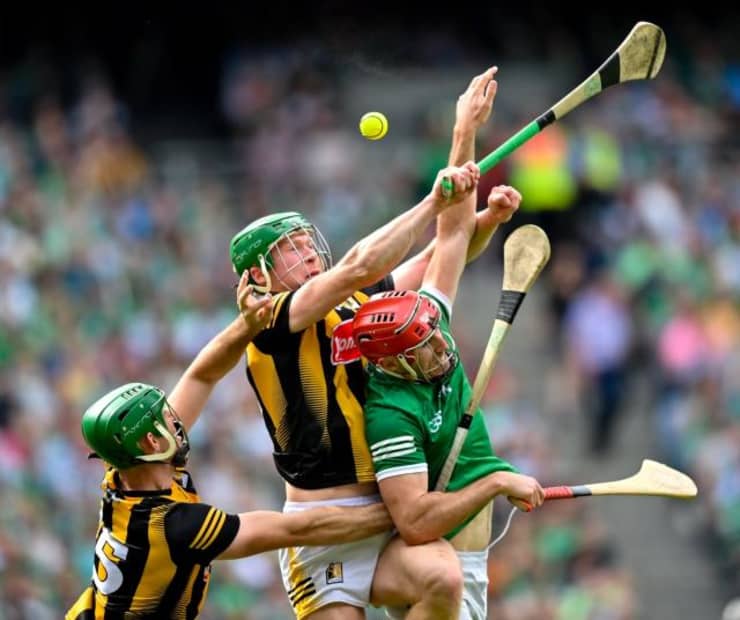
Conclusion: Lessons from the Hurling Brand
What is hurling in Ireland? It is a masterclass in building a brand that lasts. It proves that when a brand is built on a foundation of authentic heritage, powered by a loyal community, and clearly differentiated from its competitors, it can withstand the test of time and the pressures of globalization.
For brand strategists, the GAA’s management of hurling provides three key takeaways:
- Identity is the Strongest Moat: When a brand becomes part of a person’s identity, they will never switch to a competitor.
- Values Matter: Staying true to core values (like amateurism) can be a more powerful marketing tool than a million-dollar ad campaign.
- Localize to Globalize: The strongest global brands are often those that have the deepest roots in their local communities.
Hurling is not just a game; it is a living, breathing brand that continues to define what it means to be Irish, proving that the most successful “corporate” identities are often those that are owned by the people themselves.
aViewFromTheCave is a participant in the Amazon Services LLC Associates Program, an affiliate advertising program designed to provide a means for sites to earn advertising fees by advertising and linking to Amazon.com. Amazon, the Amazon logo, AmazonSupply, and the AmazonSupply logo are trademarks of Amazon.com, Inc. or its affiliates. As an Amazon Associate we earn affiliate commissions from qualifying purchases.