
In the lexicon of English idioms, “eating humble pie” refers to the act of making a humble apology and accepting humiliation after being proven wrong or failing at something. While the phrase has its origins in the “umbles” (the offal or less desirable parts of a deer) served to those of lower status in medieval times, its modern application has moved from the dining hall to the boardroom. In the context of brand strategy and corporate identity, humble pie is more than just a metaphorical meal; it is a critical strategic pivot.
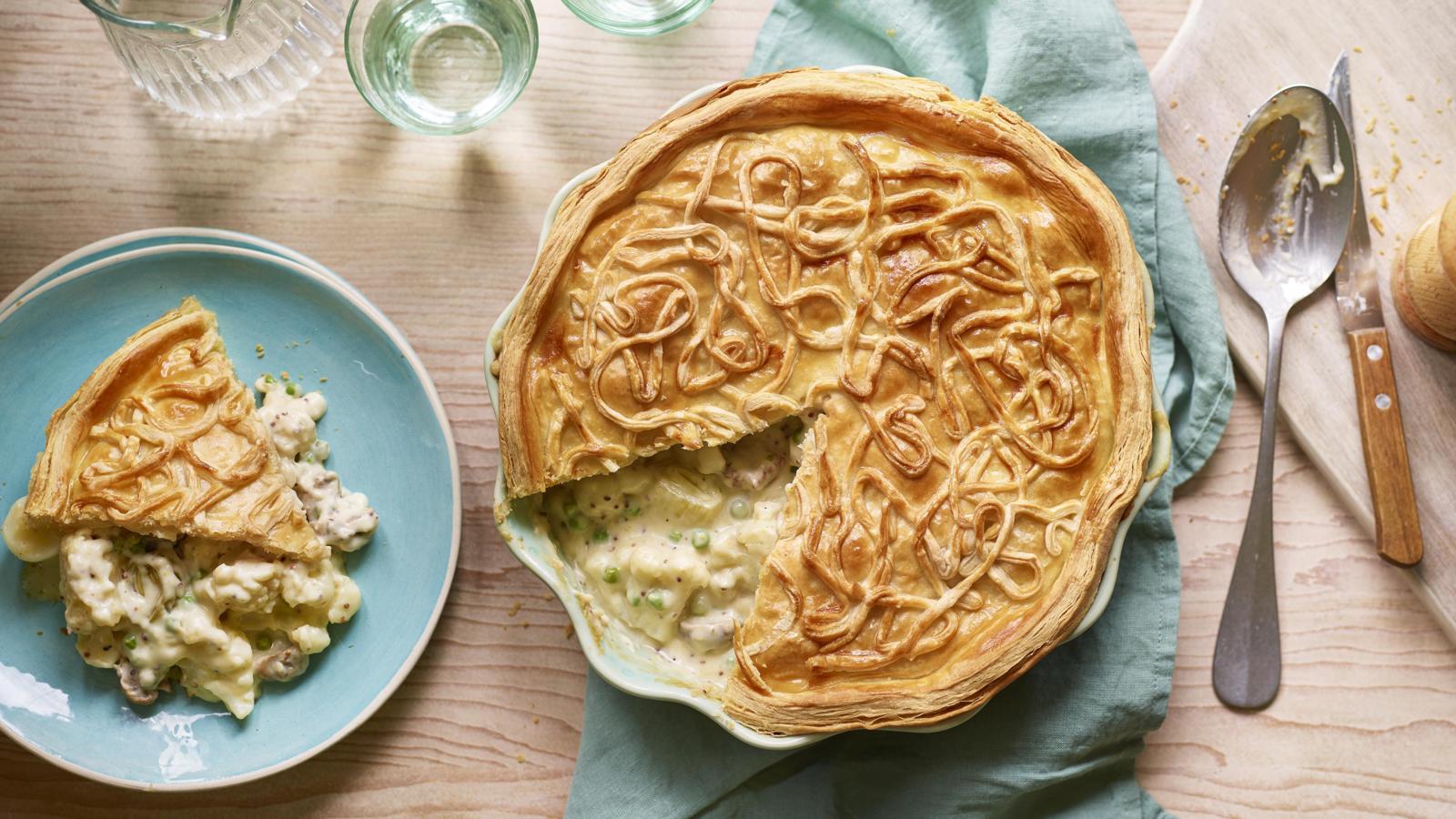
In an era of hyper-transparency and social media accountability, brands are no longer untouchable entities that can dictate narratives from high-rise offices. Today, the most successful brands understand that perfection is an impossible standard. Instead, they embrace the “humble pie” moment—the public admission of failure—as a powerful tool for rebuilding trust, humanizing their identity, and strengthening customer loyalty.
The Anatomy of a Brand’s “Humble Pie” Moment
A humble pie moment in branding occurs when there is a significant disconnect between a brand’s promise and its delivery. Whether it is a product recall, a tone-deaf advertisement, or a service failure, these moments force a company to choose between two paths: defensive obfuscation or radical humility.
Identifying the Gap Between Promise and Reality
Every brand is essentially a promise made to a consumer. When a premium tech brand promises “seamless connectivity” but delivers a buggy software update, or a luxury hotel promises “unparalleled service” but suffers from a staff shortage, the brand promise is broken. Eating humble pie starts with the internal realization that the brand has failed to live up to its own standards. This gap between marketing and reality is where brand equity is either lost forever or salvaged through honesty.
The Shift from Defensive to Transparent Communication
Historically, corporate strategy dictated a “deny and defend” approach. Legal departments would draft sterile statements that avoided liability but also avoided humanity. However, modern brand strategy favors transparency. Eating humble pie requires a shift in communication style—from the passive voice (“Mistakes were made”) to the active voice (“We messed up”). This transition is the first step in transforming a PR crisis into a moment of brand fortification.
Case Studies in Corporate Contrition: Turning Failure into Favor
Some of the most iconic brand transformations in recent history began with a plate of humble pie. By analyzing these instances, we can see how strategic humility functions as a catalyst for growth.
The KFC “FCK” Campaign: A Masterclass in Humility
In 2018, KFC faced a logistical nightmare in the UK when a change in delivery partners resulted in hundreds of restaurants running out of chicken. For a brand whose identity is centered entirely on “Finger Lickin’ Good” chicken, this was a catastrophic failure.
Instead of issuing a dry press release blaming their third-party logistics provider, KFC took out a full-page ad in newspapers. The ad featured an empty bucket with the letters rearranged to spell “FCK.” The accompanying text was a sincere, humorous, and deeply humble apology. By eating humble pie so publicly and creatively, KFC didn’t just stop the bleeding; they actually increased their brand favorability. They turned a supply chain failure into a demonstration of brand personality and authenticity.
Domino’s “Pizza Turnaround”: Owning the Failure
In the late 2000s, Domino’s Pizza was struggling with a brand identity crisis. Their product was widely criticized for tasting like “cardboard” and “ketchup.” Rather than attempting to “spin” the narrative with better photography or celebrity endorsements, Domino’s launched the “Pizza Turnaround” campaign.

They aired commercials featuring their own chefs reading brutal customer complaints. They admitted their pizza was bad and promised to do better. This was the ultimate humble pie moment. By acknowledging their flaws, they gave consumers a reason to try them again. The result was one of the most successful corporate turnarounds in history, leading to a decade of explosive stock growth and market share dominance.
The Psychological Impact of Brand Vulnerability
Why does eating humble pie work? The answer lies in human psychology. We are biologically wired to be suspicious of perfection but drawn toward vulnerability and honesty. In branding, this is often referred to as “humanizing the entity.”
Humanizing the Corporate Entity
Corporations are often viewed as faceless, profit-driven machines. When a brand eats humble pie, it breaks that facade. It signals that there are real people behind the logo—people who make mistakes, feel embarrassed, and want to make things right. This humanization creates an emotional bridge. Customers are much more likely to forgive a “person” than a “machine.” By admitting fault, the brand moves from being a vendor to being a partner in the consumer’s life.
The Pratfall Effect in Marketing
In social psychology, the “Pratfall Effect” suggests that people who are perceived as highly competent become more likable after they make a mistake. If a brand is generally seen as high-quality and professional, a minor slip-up—followed by a sincere apology—can actually make the brand more endearing. It makes the brand relatable. However, this only works if the brand was previously held in high regard; if a low-quality brand makes a mistake, it simply confirms the consumer’s negative bias. Therefore, humble pie is a strategic tool most effective for brands that have a foundation of competence to fall back on.
Building a Culture of Humility in Brand Strategy
Humility should not be a reactive tactic used only during a crisis; it should be a proactive component of a brand’s identity. Building a culture of humility allows a brand to stay agile and responsive to customer needs.
Active Listening and Social Monitoring
To know when it is time to eat humble pie, a brand must be listening. This goes beyond tracking mentions; it involves deep social listening to understand the sentiment behind the data. When a brand monitors feedback loops—customer service tickets, social media comments, and review platforms—they can identify small issues before they become “humble pie” level disasters. A brand that is humble enough to listen to its critics is a brand that is constantly evolving.
Empowering Front-line Employees to Solve Problems
A corporate identity is often defined by the interactions between customers and front-line staff. A brand strategy that values humility empowers its employees to admit mistakes on the spot. If a waiter, a cashier, or a support agent has the authority to say, “I’m sorry, we got that wrong, let me fix it for you immediately,” the brand is eating humble pie in real-time. This prevents the escalation of resentment and builds a reputation for accountability at every level of the organization.
Conclusion: Why Humble Pie is a Growth Meal
In the competitive landscape of modern business, many leaders fear that admitting a mistake is a sign of weakness. They worry that eating humble pie will embolden competitors and alienate investors. However, the evidence suggests the opposite. In a world of “fake news” and curated social media perfection, radical honesty is a rare and valuable commodity.
Eating humble pie is not about self-flagellation; it is about self-correction. It is a strategic acknowledgment that the path to excellence is paved with failures. By owning those failures, a brand demonstrates a commitment to its customers that goes deeper than a transaction. It shows that the brand values the relationship more than its own ego.
Ultimately, “what is humble pie” in the world of branding? It is the secret ingredient of resilience. Brands that are too proud to admit they are wrong eventually become obsolete, stuck in a cycle of defending outdated models. Brands that are willing to sit at the table and eat their share of humble pie are the ones that adapt, evolve, and ultimately thrive in the hearts of their consumers.
aViewFromTheCave is a participant in the Amazon Services LLC Associates Program, an affiliate advertising program designed to provide a means for sites to earn advertising fees by advertising and linking to Amazon.com. Amazon, the Amazon logo, AmazonSupply, and the AmazonSupply logo are trademarks of Amazon.com, Inc. or its affiliates. As an Amazon Associate we earn affiliate commissions from qualifying purchases.