
In the world of professional sports, a record is often viewed as a mere statistical summary of wins, losses, and draws. However, when examining Floyd “Money” Mayweather’s iconic 50-0 boxing record, the numbers transcend the sport of boxing. From a strategic perspective, Mayweather’s record is not just an athletic achievement; it is one of the most meticulously crafted brand assets in the history of global marketing.
To understand the magnitude of Mayweather’s 50-0 standing, one must look past the ring and into the boardroom. This article explores how Mayweather leveraged a perfect record to build a multi-billion-dollar personal brand, successfully pivoting from a talented athlete to a corporate entity that commands the highest premiums in entertainment history.
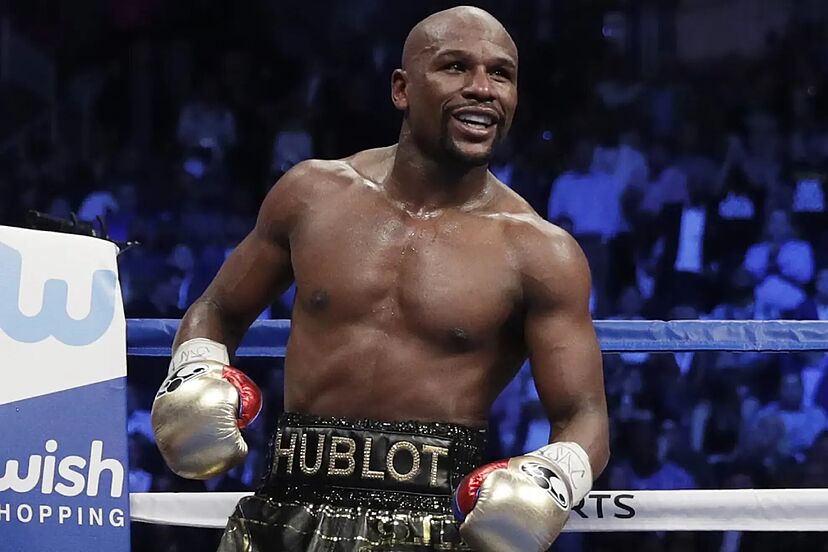
The Undefeated Metric: Building a Brand on Scarcity and Perfection
In brand strategy, the concept of “perfection” acts as a powerful psychological trigger. For Mayweather, the “0” in his loss column became his Unique Selling Proposition (USP). In a market saturated with high-level athletes, Mayweather realized early on that being “great” was common, but being “unbeatable” was a premium commodity.
The Psychology of “Zero” in Consumer Perception
The number zero represents a lack of failure, which in the eyes of a consumer—or in this case, a boxing fan—translates to high reliability and elite status. By maintaining an undefeated record, Mayweather created a narrative of invincibility. This narrative drove “hate-watching” and “fan-following” in equal measure. Consumers paid record-breaking Pay-Per-View (PPV) prices either to see the masterclass continue or to be there the moment the brand “broke” (i.e., when he finally lost). By never losing, he kept the tension of his brand narrative at a constant peak, ensuring that every subsequent product launch (each fight) was more valuable than the last.
Risk Management: Selecting Opponents to Protect the Asset
From a brand management standpoint, Mayweather was a master of “market timing.” He did not just fight anyone; he fought the right people at the right time. Critics often call this “cherry-picking,” but in corporate terms, it is high-level risk management. By facing opponents like Oscar De La Hoya, Manny Pacquiao, and Canelo Alvarez at specific inflection points in their careers, Mayweather maximized the “brand equity” of the win while minimizing the statistical risk to his primary asset: the undefeated record. This strategic matchmaking ensured that his brand remained untarnished while he extracted maximum revenue from the market.
From “Pretty Boy” to “Money”: The Evolution of a Brand Identity
A successful brand must be willing to pivot when the market landscape shifts. Mayweather’s career is divided into two distinct branding eras: the “Pretty Boy” era and the “Money” era. This transition is a textbook example of corporate rebranding to better align with consumer desires for drama and luxury.
Pivoting the Persona for Maximum Marketability
Early in his career, as “Pretty Boy” Floyd, Mayweather was a technical virtuoso with a high-speed defensive style. While he was respected by purists, he lacked the “mass market” appeal required to become a household name. The pivot to “Money” Mayweather around 2007 was a stroke of branding genius. He leaned into a “villain” persona, flaunting extreme wealth, luxury cars, and private jets. He understood that in the attention economy, being liked is good, but being talked about is profitable.
The “Villain” Archetype as a Commercial Catalyst
By positioning himself as the antagonist, Mayweather tapped into a lucrative market segment: the “anti-fan.” In branding, if you can evoke a strong emotional reaction—even a negative one—you can monetize it. People didn’t just pay to see him win; they paid in the hopes of seeing him humbled. This “villain” strategy allowed him to break free from the traditional constraints of an athlete and become a polarizing cultural figure, which significantly increased his leverage during contract negotiations with networks like HBO and Showtime.
Strategic Monetization of the 50-0 Legacy

A brand is only as good as its ability to generate revenue. Mayweather’s 50-0 record served as the foundation for a business model that bypassed traditional gatekeepers, allowing him to retain a higher percentage of earnings than any athlete before him.
Controlling the Distribution: Mayweather Promotions and TMT
One of the boldest moves in Mayweather’s branding journey was the decision to pay $750,000 to get out of his contract with Top Rank in 2006. He moved from being an “employee” to being the “owner.” By founding Mayweather Promotions, he gained control over the “supply chain” of his fights. He was no longer just the talent; he was the promoter, the marketer, and the distributor. This vertical integration allowed him to claim the “lion’s share” of the revenue, leading to his status as the highest-paid athlete of the decade.
The Pay-Per-View King: Leveraging Record-Breaking Stats for Negotiation
Mayweather’s record-breaking PPV buys—most notably the 4.6 million buys for the Pacquiao fight and the 4.3 million for the McGregor fight—were used as data points to solidify his brand authority. In the corporate world, data drives decisions. Mayweather used his historical performance data to negotiate unprecedented deals, such as his 30-month, six-fight deal with Showtime/CBS, which was valued at over $200 million. He proved that a well-managed personal brand could outperform traditional corporate structures.
Digital Influence and Global Brand Extension
In the modern era, a brand must exist beyond its primary product. Mayweather’s “The Money Team” (TMT) is a lifestyle brand that extends his influence far beyond the boxing ring, utilizing digital platforms to maintain brand relevance long after his active competitive years.
Social Media as a Real-Time Brand Ledger
Mayweather was an early adopter of using social media to provide “behind-the-scenes” access to his lifestyle, which served to reinforce his “Money” brand. By posting photos of his “bets,” his jewelry, and his travels, he created a continuous loop of brand reinforcement. Every post was a reminder of the rewards of his 50-0 record. This digital strategy ensured that his brand remained “top-of-mind” for a global audience, regardless of whether he had a fight scheduled or not.
Diversifying Beyond the Ring: The TMT Lifestyle
The TMT logo has become a global symbol of wealth and success. By merchandising this lifestyle through apparel, gyms (Mayweather Boxing + Fitness), and real estate ventures, Mayweather ensured that his brand had “legs” beyond his physical ability to box. He successfully transitioned from a person to a trademark. Today, the 50-0 record serves as the “origin story” for a diversified portfolio of business interests, providing a level of financial security rarely seen in professional sports.
Lessons for Modern Entrepreneurs: The Mayweather Branding Legacy
The 50-0 record is a testament to what happens when talent meets meticulous brand strategy. For entrepreneurs and personal brand builders, Mayweather’s career offers several critical takeaways regarding longevity and value creation.
The Importance of Owning Your Narrative
Mayweather never let the media or promoters define who he was. He took control of his image, his record, and his business dealings. In the world of personal branding, if you do not define yourself, the market will do it for you—and usually to your disadvantage. Mayweather’s insistence on being the “A-side” in every negotiation is a lesson in knowing your worth and refusing to settle for less than your market value.

Long-term Equity vs. Short-term Gains
Maintaining an undefeated record required discipline and a long-term view. Mayweather often took “easier” fights that built his brand longevity rather than high-risk “slugfests” that might have shortened his career or damaged his “0.” In business, this is the equivalent of protecting your brand’s core equity rather than chasing a quick, high-risk profit. By playing the “long game,” Mayweather was able to retire with his health, his wealth, and his perfect record intact—the ultimate successful exit strategy.
In conclusion, Floyd Mayweather’s 50-0 boxing record is much more than a list of victories. It is a masterclass in brand positioning, risk management, and the strategic monetization of a personal identity. By treating his career like a corporation and his record like a balance sheet, Mayweather redefined what it means to be a professional athlete in the 21st century. His legacy is not just that he never lost a fight, but that he never lost sight of the power of his brand.
aViewFromTheCave is a participant in the Amazon Services LLC Associates Program, an affiliate advertising program designed to provide a means for sites to earn advertising fees by advertising and linking to Amazon.com. Amazon, the Amazon logo, AmazonSupply, and the AmazonSupply logo are trademarks of Amazon.com, Inc. or its affiliates. As an Amazon Associate we earn affiliate commissions from qualifying purchases.