
In the contemporary marketplace, where products are easily replicated and price wars often lead to a “race to the bottom,” the true differentiator for any organization is no longer just what they sell, but how they support the person buying it. Exceptional customer service has evolved from a back-office function into the very heartbeat of brand strategy. It is the tangible manifestation of a brand’s promise, the bridge between a corporate identity and the lived experience of the consumer.
To understand what exceptional customer service is within the context of branding, one must look beyond the resolution of complaints. It is the proactive, consistent, and emotionally resonant delivery of value that transforms a one-time purchaser into a lifelong brand advocate. This article explores the strategic depths of exceptional service and how it serves as the cornerstone of a powerful brand identity.
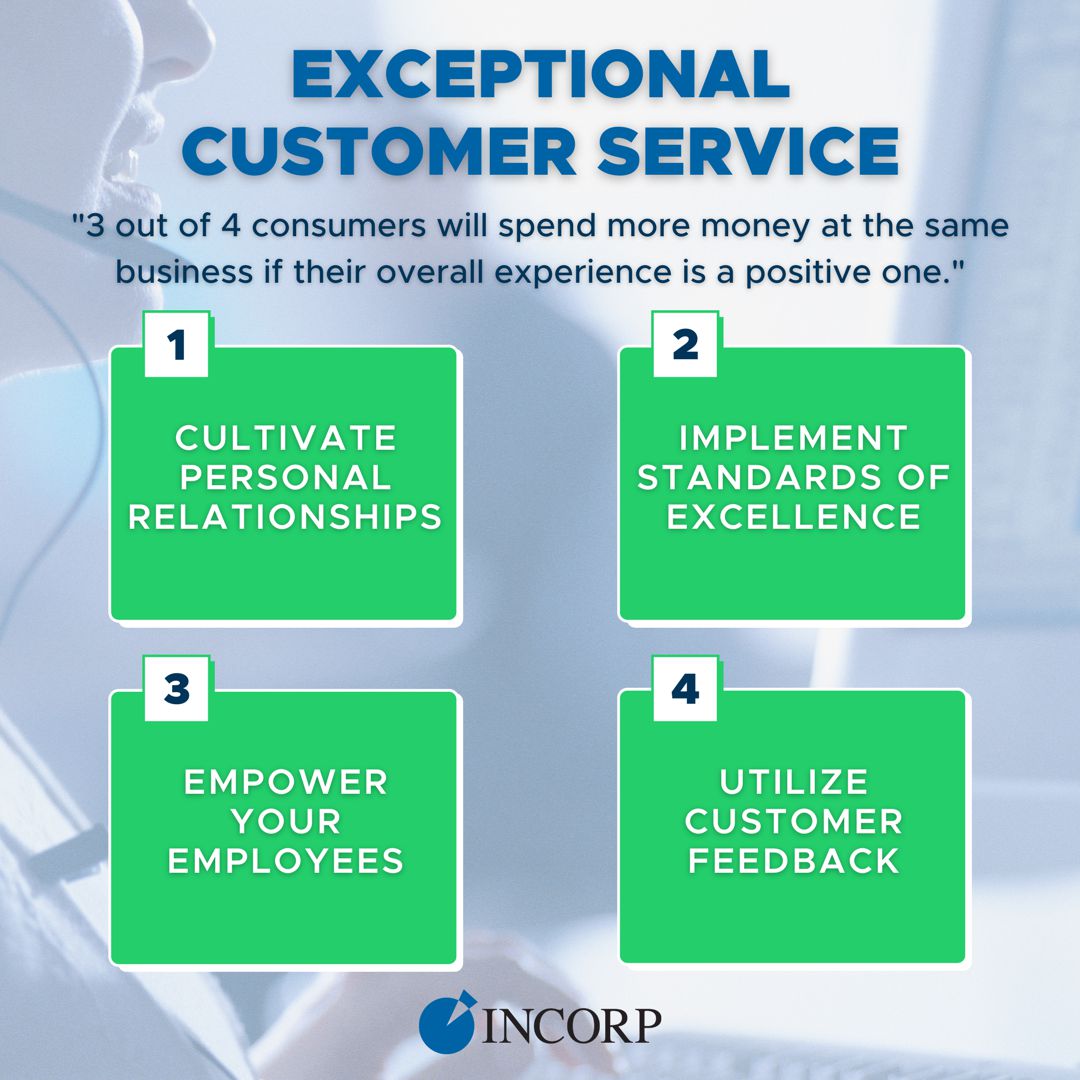
Defining the Core of the Service-Driven Brand
Exceptional customer service is often defined by its deviation from the norm. While “good” service meets expectations, “exceptional” service anticipates and exceeds them, creating a memorable moment that reinforces the brand’s core values. In the realm of brand strategy, service is not a cost center; it is a primary marketing vehicle.
Moving Beyond Basic Transactions
At its most fundamental level, exceptional service is about moving away from a transactional mindset toward a relational one. A transaction is a simple exchange of currency for goods. A relationship, however, is built on trust, reliability, and mutual benefit. When a brand prioritizes the relationship, every interaction—whether it’s a technical inquiry, a return, or a simple greeting—becomes an opportunity to strengthen the brand’s position in the consumer’s mind. Exceptional service means treating the customer not as a ticket number, but as a stakeholder in the brand’s success.
The Role of Emotional Connection in Brand Identity
Brands are essentially emotional constructs. People do not buy Harley-Davidson motorcycles solely for transportation; they buy them for the feeling of freedom and the sense of community. Exceptional customer service taps into this emotional layer. When a customer service representative demonstrates genuine empathy, or when a brand surprises a customer with a personalized gesture, it creates an emotional “high.” These positive emotional peaks are what customers remember, and they become synonymous with the brand itself. A brand that consistently delivers exceptional service becomes known as “caring,” “reliable,” or “innovative,” adjectives that carry immense weight in a crowded market.
Strategic Pillars of Exceptional Service in Branding
To integrate exceptional service into a brand strategy, it must be systemic rather than accidental. It requires a framework that ensures every touchpoint reflects the brand’s identity.
Consistency Across Touchpoints
A brand is only as strong as its weakest link. If a luxury brand offers an exquisite in-store experience but provides a frustrating, automated, and impersonal experience over the phone, the brand identity is fractured. Exceptional service requires “omnichannel consistency.” This means the tone of voice, the speed of response, and the level of care must be uniform whether the customer is interacting via social media, email, or in person. Consistency builds predictability, and predictability is the foundation of trust.
Personalization as a Brand Differentiator
In an era of big data, personalization has become a baseline expectation, but “exceptional” personalization goes deeper. It involves using customer insights to tailor experiences that feel bespoke. This could range from remembering a customer’s past preferences to anticipating a need before the customer even voices it. When a brand demonstrates that it truly “knows” its customer, it ceases to be a faceless corporation and becomes a partner. This level of personalization is a powerful branding tool because it makes the customer feel seen and valued, which is a rare commodity in a digital-first world.
Proactive Engagement vs. Reactive Support
Most customer service is reactive—the customer has a problem, and the brand fixes it. Exceptional service, however, is proactive. It involves identifying potential friction points in the customer journey and addressing them before they become issues. For example, a brand might send a proactive update about a shipping delay along with a small token of apology before the customer even thinks to check the tracking number. Proactive service signals that the brand is attentive and values the customer’s time, which significantly elevates the brand’s perceived prestige.

The Impact of Service on Brand Equity and Loyalty
The long-term value of exceptional customer service is found in the accumulation of brand equity. Every positive interaction is a deposit into the “trust bank,” which pays dividends in the form of loyalty and word-of-mouth marketing.
Transforming Customers into Brand Advocates
The ultimate goal of any brand strategy is to create advocates—customers who are so satisfied that they voluntarily promote the brand to their own networks. Exceptional customer service is the most direct path to advocacy. While a great product might get someone to talk, a great experience makes them rave. In the digital age, where a single viral post about a remarkable service experience can reach millions, the “service-as-marketing” model is incredibly cost-effective. These advocates become a protective shield for the brand, defending it against critics and providing social proof to prospective buyers.
Reducing Churn through the “Halo Effect”
Exceptional service creates a “halo effect” around the brand. When a customer has a history of excellent experiences, they are more likely to forgive a rare mistake or a product flaw. This resilience is vital for maintaining low churn rates. In a brand context, loyalty is not just about repeat purchases; it is about emotional commitment. A brand that masters exceptional service builds a community of loyalists who are less sensitive to price increases and more resistant to the lure of competitors, simply because they value the “peace of mind” that the brand provides.
Case Studies: Brands That Redefined Customer Service
To see exceptional customer service in action, we can look at organizations that have built their entire brand identity around the customer experience.
The Ritz-Carlton: Empowering the Individual
The Ritz-Carlton is legendary for its “Gold Standards,” but the true secret to their exceptional service is empowerment. Every employee, from the housekeepers to the general manager, is authorized to spend up to a certain amount per guest, per day, to resolve a problem or create a “wow” moment without needing managerial approval. This strategy reinforces a brand identity of extreme luxury and attentiveness. By trusting their employees, The Ritz-Carlton ensures that exceptional service is a living, breathing part of the daily operation, rather than a set of rigid rules.
Zappos: Delivering Happiness as a Corporate Identity
Zappos transformed the mundane task of buying shoes online into a masterclass in branding through service. Their philosophy, “Delivering Happiness,” is not just a slogan; it’s their business model. Zappos famously does not track “call handling time,” encouraging their representatives to stay on the phone with customers for as long as necessary to build a connection. Their 365-day return policy and free shipping both ways removed the risk for the consumer, but it was their legendary service stories—like a representative staying on a call for ten hours—that cemented their brand as the gold standard for customer-centricity in e-commerce.
Building a Service-First Culture: A Roadmap for Growth
Exceptional customer service cannot be dictated; it must be cultivated. It is a product of organizational culture and a commitment to the “internal brand.”
Internal Branding and Employee Buy-in
A brand cannot provide exceptional service to its customers if it does not provide the same to its employees. Internal branding involves treating employees as the primary audience. When employees feel valued, supported, and aligned with the brand’s mission, they are naturally more inclined to provide exceptional service to external customers. This “trickle-down” effect is essential. A service-first culture requires hiring for empathy and attitude as much as for skill, ensuring that every team member understands their role in upholding the brand’s reputation.

Measuring Success Beyond Net Promoter Scores
While metrics like Net Promoter Score (NPS) and Customer Satisfaction (CSAT) are useful, an exceptional service brand looks deeper. They measure “Customer Effort Score”—how easy was it for the customer to get what they needed? They also look at qualitative data, such as the stories customers tell about the brand. By shifting the focus from quantitative efficiency to qualitative impact, a brand can continually refine its service strategy to ensure it remains a competitive advantage.
In conclusion, exceptional customer service is the most authentic expression of a brand’s identity. It is the bridge between what a brand says it is and what a customer perceives it to be. In an era where the “what” of a business is easily copied, the “how”—the care, the attention, and the exceptional delivery of service—becomes the most enduring and valuable asset a brand can possess. By elevating service to a strategic pillar, organizations can build unshakeable loyalty, drive sustainable growth, and define themselves as leaders in the modern marketplace.
aViewFromTheCave is a participant in the Amazon Services LLC Associates Program, an affiliate advertising program designed to provide a means for sites to earn advertising fees by advertising and linking to Amazon.com. Amazon, the Amazon logo, AmazonSupply, and the AmazonSupply logo are trademarks of Amazon.com, Inc. or its affiliates. As an Amazon Associate we earn affiliate commissions from qualifying purchases.