
The allure of a degree can be powerful, promising career advancement, increased earning potential, and personal fulfillment. However, for some, this aspiration is exploited by fraudulent entities known as diploma mills. These organizations masquerade as legitimate educational institutions, offering degrees and diplomas for money and minimal or no academic effort. While the immediate implication is the devaluation of genuine academic credentials, the economic ramifications are far-reaching, impacting individuals, businesses, and the broader financial ecosystem. This article delves into the financial implications of diploma mills, exposing their deceptive practices and the significant financial risks they pose.
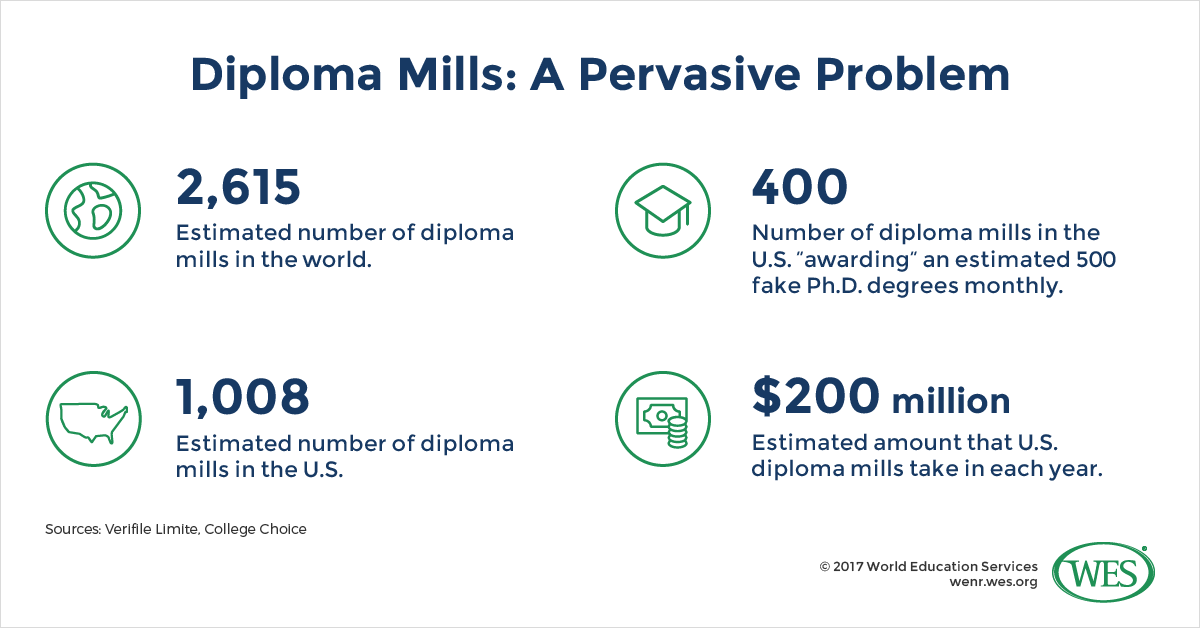
The Financial Deception: How Diploma Mills Prey on Aspirations
Diploma mills operate on a foundation of financial exploitation, leveraging individuals’ desires for educational attainment to extract money under false pretenses. Their business model is inherently predatory, prioritizing profit over education and customer well-being.
The Initial Investment: Fees, Tuitions, and Hidden Costs
The first point of financial contact with a diploma mill is typically through upfront fees. These can range from a few hundred to several thousand dollars, often presented as tuition, accreditation fees, or processing costs. Unlike legitimate institutions that break down costs into semesters or academic years with clear outlines of what is covered, diploma mills often demand lump-sum payments or aggressive installment plans that can be difficult to track and dispute.
The advertised price is rarely the final price. Many diploma mills employ upselling tactics, pushing for additional fees for “expedited processing,” “premium transcripts,” or “specialized certifications” that have no academic standing. These hidden costs can quickly inflate the initial outlay, leaving victims with a financial burden far exceeding their initial expectations, and for credentials that are ultimately worthless. The lack of transparency in their fee structures is a significant red flag, designed to extract as much money as possible before the fraudulent nature of the degree becomes apparent.
The Illusion of Value: Misrepresenting Credentials and Earning Potential
A core tenet of diploma mill operations is the misrepresentation of the value of the credentials they offer. They promise degrees that appear legitimate, often mimicking the names and formats of established universities. This deception is fueled by marketing that highlights inflated earning potentials and rapid career advancements, painting a picture of a quick and easy path to financial success.
Victims invest their hard-earned money, believing they are purchasing a ticket to a better financial future. However, the degrees obtained from diploma mills hold no real-world value. Employers, recognizing the signs of fraudulent credentials, will not hire individuals based on these “degrees.” This leaves individuals not only out of pocket for the fraudulent fees but also back at square one in their career aspirations, potentially facing even greater financial hardship due to wasted time and money. The long-term financial consequences include lost income opportunities and the need to start over with legitimate educational pursuits, often at a significant additional cost.
The Global Reach of Financial Fraud: International Operations and Payment Schemes
Diploma mills are not confined to a single geographical location. Many operate online, with websites designed to appear professional and legitimate, making it difficult to ascertain their true origin. This global reach allows them to target a wider audience and employ more sophisticated payment methods to obscure their operations and make it harder for authorities to track them.
These organizations often use offshore bank accounts, cryptocurrency, and anonymized payment platforms to receive funds. This deliberate obfuscation makes it challenging for victims to initiate chargebacks or legal proceedings to recover their money. The financial institutions involved in facilitating these transactions, even unknowingly, can also face scrutiny and reputational damage. The international nature of these operations also complicates regulatory oversight, as different countries have varying laws and enforcement capabilities regarding educational fraud.
The Economic Impact: Beyond the Individual Victim
The financial damage inflicted by diploma mills extends beyond the immediate losses of individual victims. These fraudulent operations have a corrosive effect on the economy, devaluing legitimate education and undermining the integrity of the workforce.
Undermining the Value of Legitimate Education: The Economic Distortion
Legitimate educational institutions invest heavily in curriculum development, faculty, infrastructure, and accreditation processes. These investments translate into the significant cost of tuition and fees, which are then reflected in the recognized value of their degrees. Diploma mills, by bypassing all these essential elements, offer their “credentials” at a fraction of the cost, creating a false perception of affordability and accessibility.
This financial distortion can discourage individuals from pursuing genuine education, leading them to believe that a cheaper, faster alternative is a viable option. Over time, a widespread acceptance of fraudulent credentials would devalue the entire concept of higher education, leading to a less skilled and knowledgeable workforce. This, in turn, would negatively impact economic productivity and innovation. Businesses would struggle to identify qualified candidates, and the overall economic competitiveness of nations could be compromised. The financial investment required for legitimate education, when seen as overly burdensome compared to the seemingly cheap alternative, can deter many from undertaking it, impacting long-term economic growth.
The Cost to Employers: Recruitment, Risk Management, and Lost Productivity

For businesses, the prevalence of diploma mills poses a significant financial risk during the recruitment process. Employers invest time and resources in screening candidates, conducting interviews, and verifying credentials. When fraudulent degrees enter the applicant pool, this process becomes more complex and prone to error.
Hiring an individual with a fraudulent degree can lead to substantial financial losses for a company. This includes the cost of recruitment, the salary paid to an unqualified employee, potential project delays or failures due to lack of skills, and the cost of retraining or terminating the employee once the fraud is discovered. Furthermore, in sensitive industries such as healthcare, aviation, or law, hiring unqualified individuals due to a fraudulent degree can have catastrophic financial and legal consequences, including malpractice lawsuits and regulatory fines. The burden of implementing robust credential verification systems adds another layer of cost for businesses striving to maintain workforce integrity.
The Strain on Financial Systems: Fraud Detection and Recovery Efforts
The fight against diploma mills places a burden on financial institutions and regulatory bodies. Banks and payment processors are tasked with identifying and blocking fraudulent transactions. This requires sophisticated fraud detection systems and dedicated resources. When fraudulent transactions do occur, the process of investigating and attempting to recover funds can be lengthy, complex, and often unsuccessful, especially when dealing with international operations.
Government agencies and consumer protection organizations also expend resources on investigating diploma mills, issuing warnings, and pursuing legal action. While these efforts are crucial in protecting consumers and upholding the integrity of the educational system, they represent a significant financial outlay that could otherwise be directed towards more productive initiatives. The ongoing battle against these fraudulent entities diverts financial and human capital that could be used for economic development and innovation.
Recognizing and Avoiding the Financial Pitfalls of Diploma Mills
The best defense against diploma mills is awareness and due diligence. By understanding their tactics and knowing where to look for red flags, individuals can protect themselves from significant financial loss and the subsequent reputational damage.
Due Diligence: Investigating Institutions and Credentials
Before investing any money or time in an educational program, thorough due diligence is paramount. This involves scrutinizing the institution itself. Legitimate universities are accredited by recognized accrediting bodies. A quick online search can reveal these bodies and allow you to verify an institution’s accreditation status. Be wary of claims of accreditation from obscure or unverified organizations, as these are often created by the diploma mills themselves to lend an air of legitimacy.
Examine the institution’s website carefully. Look for clear contact information, physical addresses (not just P.O. boxes), and detailed information about faculty qualifications and academic programs. Unprofessional websites, vague program descriptions, and a lack of transparency regarding faculty and curriculum are strong indicators of a diploma mill. Furthermore, research the institution’s reputation. Online reviews, alumni testimonials (if available and verifiable), and discussions on educational forums can provide valuable insights. The absence of a significant alumni network or any mention in academic or professional circles should be a cause for concern.
Red Flags in Offers and Payment Demands: Safeguarding Your Finances
Diploma mills often employ aggressive sales tactics and make tempting offers that are too good to be true. Be highly suspicious of unsolicited offers of degrees, particularly those that promise “life experience” credit or guarantee a degree within an impossibly short timeframe. Legitimate education requires time, effort, and academic rigor.
Pay close attention to how payment is demanded. Diploma mills often insist on upfront payment in full, through wire transfers, money orders, or cryptocurrency, making it difficult to trace or dispute the transaction. Legitimate institutions typically have clear payment plans tied to academic terms and offer multiple secure payment options, including credit cards that allow for chargebacks in case of fraud. Be wary of any institution that pressures you to pay quickly or refuses to provide a detailed breakdown of all associated fees. The absence of a refund policy or an overly restrictive one is another significant warning sign.
Reporting and Seeking Recourse: Protecting Yourself and Others
If you suspect you have been targeted by or have fallen victim to a diploma mill, it is crucial to take action. Report the fraudulent entity to relevant authorities. In the United States, the Better Business Bureau (BBB), the Federal Trade Commission (FTC), and your state’s Attorney General’s office are good starting points. In other countries, similar consumer protection agencies and educational oversight bodies exist.
Reporting not only helps to initiate investigations that can shut down these operations but also protects others from becoming victims. If you have paid with a credit card, contact your credit card company immediately to dispute the charges. While recovery is not always guaranteed, especially with international operations, pursuing all available avenues is essential. Sharing your experience can also serve as a vital warning to others, contributing to a collective effort to combat this financial deception.

Conclusion: A Financial Threat Requiring Vigilance
Diploma mills represent a significant financial threat, preying on the aspirations of individuals and undermining the integrity of the educational landscape. Their deceptive practices, from inflated promises to opaque fee structures, lead to substantial financial losses for victims and create an unfair playing field for legitimate educational providers. The broader economic impact includes the devaluation of genuine degrees, increased risks for employers, and a drain on resources dedicated to combating financial fraud.
By understanding the tactics employed by diploma mills, conducting thorough due diligence, and remaining vigilant against suspicious offers and payment demands, individuals can safeguard their finances and their futures. The pursuit of education is a noble endeavor, and it is essential that this pursuit is not exploited by fraudulent entities that prioritize profit over genuine learning and personal growth. The financial implications of falling victim to a diploma mill are severe, underscoring the critical importance of informed decision-making and robust defenses against this pervasive form of financial deception.
aViewFromTheCave is a participant in the Amazon Services LLC Associates Program, an affiliate advertising program designed to provide a means for sites to earn advertising fees by advertising and linking to Amazon.com. Amazon, the Amazon logo, AmazonSupply, and the AmazonSupply logo are trademarks of Amazon.com, Inc. or its affiliates. As an Amazon Associate we earn affiliate commissions from qualifying purchases.