
When walking down the streets of major American cities or scrolling through a digital list of the nation’s largest financial institutions, the acronym “PNC” is ubiquitous. For millions of account holders, it represents a place of financial security and modern banking convenience. However, few stop to consider the corporate lineage and the specific words that form those three famous letters. PNC stands for Pittsburgh National Corporation and Provident National Corporation.
This acronym is not merely a relic of the past; it is a testament to one of the most significant mergers in American financial history. The union of these two entities in 1983 created a blueprint for the modern super-regional bank. Today, PNC Bank stands as one of the largest diversified financial services institutions in the United States, with an extensive reach in retail banking, asset management, and corporate finance. Understanding what PNC stands for requires a deep dive into its financial history, its strategic growth through acquisitions, and its current role as a titan in the “Money” sector.

The Origins of the PNC Name: A Tale of Two Corporations
The story of PNC is a story of geographical consolidation and financial ambition. Before it became a singular entity, the components of its name represented two distinct powerhouses in the Pennsylvania banking landscape. The 1983 merger between Pittsburgh National Corporation and Provident National Corporation was, at the time, the largest banking merger in U.S. history, creating an entity with $10.3 billion in assets.
Pittsburgh National Corporation: The Steel City Roots
Pittsburgh National Corporation was the western half of the equation. Deeply rooted in the industrial boom of Pittsburgh, this institution was the primary financier for the steel industry and the burgeoning manufacturing sector of the early 20th century. Its predecessor, First National Bank of Pittsburgh, opened its doors in 1863. Over decades of industrial shifts, the bank evolved to handle complex commercial lending and the wealth management needs of the industrial elite. By the time of the merger, Pittsburgh National was known for its conservative fiscal management and a robust balance sheet that made it an attractive partner for expansion.
Provident National Corporation: The Philadelphia Connection
On the eastern side of Pennsylvania, Provident National Corporation reigned as a leader in trust and investment management. Based in Philadelphia, Provident had a lineage dating back to the mid-1800s, originally focused on the Quaker community’s financial needs. Its strength lay in asset management and institutional banking. While Pittsburgh National brought industrial lending prowess, Provident brought a sophisticated approach to managing capital for wealthy individuals and corporations. This synergy—industrial credit combined with sophisticated wealth management—formed the DNA of the modern PNC.
The 1983 Merger: Creating a Financial Powerhouse
When these two giants merged, they chose to keep the initials of their legacy brands to maintain customer trust while signaling a new, unified identity. The merger was a strategic response to the deregulation of the banking industry in the 1980s. By combining forces, the new PNC Financial Corporation could compete on a national stage, moving beyond regional limitations. This move set the stage for four decades of aggressive but calculated expansion, proving that the value of the name was rooted in the collective financial strength of its founding parts.
PNC Bank’s Role in Modern Personal Finance
In the decades following the merger, PNC transitioned from a regional player to a pioneer in personal finance tools. The bank’s philosophy shifted toward empowering the individual consumer through “Money” management technology and high-accessibility accounts. For the modern depositor, PNC is less about its historical names and more about the utility of its financial products.
Virtual Wallet: Redefining Digital Banking Tools
One of PNC’s most significant contributions to personal finance is the “Virtual Wallet.” Introduced at a time when digital banking was still in its infancy, Virtual Wallet was designed to help consumers visualize their money through three distinct sub-accounts: “Spend,” “Reserve,” and “Growth.” This tool moved banking away from a static ledger and toward an active budgeting ecosystem. By integrating “Calendar” views and “Danger Days” alerts for upcoming bills, PNC transformed the traditional checking account into a comprehensive financial planning instrument.
High-Yield Savings and Competitive Interest Rates
As interest rates fluctuated over the last decade, PNC leveraged its national scale to offer competitive high-yield savings products, particularly in markets where it does not have a heavy physical branch presence. This “digital-first” expansion strategy allows the bank to gather deposits by offering rates that often outperform smaller regional competitors. For the consumer, this represents a blend of the security offered by a “too big to fail” institution with the yields typically associated with online-only banks.
Credit Solutions for Modern Consumers
Beyond deposits, PNC has carved out a significant niche in the credit market. From flexible mortgage products to specialized auto loans, the bank utilizes sophisticated risk-assessment models to provide capital to a wide range of borrowers. Their focus on the “Money” niche extends to personal lines of credit and credit cards that offer cash-back rewards tailored to specific spending habits, ensuring that they remain a primary financial hub for the American household.
Business Finance and Corporate Banking Excellence
While retail consumers interact with the bank at ATMs and through apps, the “PNC” name carries immense weight in the corridors of corporate finance. A substantial portion of the bank’s revenue is derived from its institutional and business banking segments, where it provides the capital necessary for American commerce to function.
Treasury Management for Large Enterprises
PNC is a recognized leader in treasury management, providing the plumbing for corporate cash flow. Large enterprises require complex systems to manage payables, receivables, and liquidity across international borders. PNC’s proprietary platforms allow businesses to optimize their working capital, mitigate fraud, and automate their financial operations. In the world of business finance, the ability to move and protect large sums of money efficiently is a hallmark of the PNC brand.
Small Business Solutions and Growth Capital
Recognizing that small businesses are the engine of the economy, PNC offers specialized financial tools designed for growth. This includes Small Business Administration (SBA) loans, merchant services, and specialized payroll processing. By providing “growth capital,” PNC acts as a partner to entrepreneurs, helping them navigate the transition from a startup to a mid-market enterprise. Their focus on relationship banking ensures that small business owners have access to financial advisors who understand local market dynamics.
Investment Banking and Asset Management
Through its subsidiary, PNC Capital Markets, the bank engages in sophisticated financial activities including debt and equity capital markets, derivatives, and foreign exchange. This allows corporate clients to raise capital for acquisitions or expansions. Simultaneously, the bank’s asset management wing manages billions of dollars for institutional investors and private foundations, emphasizing long-term capital preservation and wealth generation.
The Financial Strength and Stability of PNC
In an era of banking volatility, the financial health of an institution is of paramount importance to investors and depositors alike. PNC has consistently maintained a reputation for a “Fortress Balance Sheet,” a term used in the finance world to describe an institution with high capital reserves and low-risk exposure.
Capital Reserve and Risk Management
The bank’s ability to weather economic downturns, such as the 2008 financial crisis and the 2020 pandemic-induced recession, is rooted in its disciplined approach to risk. By maintaining high Common Equity Tier 1 (CET1) ratios—a key measure of a bank’s financial strength—PNC ensures it has enough “Money” in reserve to handle unexpected losses. This stability is why many institutional investors view PNC as a bellwether for the health of the American middle market.
Strategic Acquisitions: The BBVA USA Takeover
PNC’s growth is not just organic; it is also fueled by strategic acquisitions funded by its immense capital reserves. A landmark moment occurred in 2021 when PNC acquired BBVA USA for approximately $11.6 billion. This move catapulted PNC into the position of the fifth-largest retail bank in the U.S. by assets. The acquisition gave PNC a massive footprint in high-growth markets like Texas, Arizona, and California, demonstrating the bank’s ability to deploy capital effectively to increase its market share and diversified revenue streams.
Economic Outlook and Future Growth
As we look toward the future of the financial sector, PNC is positioned to capitalize on the “fintech” evolution while maintaining its traditional banking strengths. With a focus on increasing its digital capabilities and expanding its national “thin-branch” model, the bank aims to lower overhead while increasing its deposit base. For those interested in the financial markets, PNC remains a core component of the banking sector, consistently paying dividends and demonstrating a commitment to shareholder value through prudent capital allocation.
Choosing PNC as Your Financial Partner
Ultimately, the question of what PNC stands for is answered by the value it provides to its clients. Whether you are an individual looking for a better way to save or a corporation seeking to expand operations, the institution offers a bridge between historical reliability and modern financial innovation.
Accessibility and Physical Presence
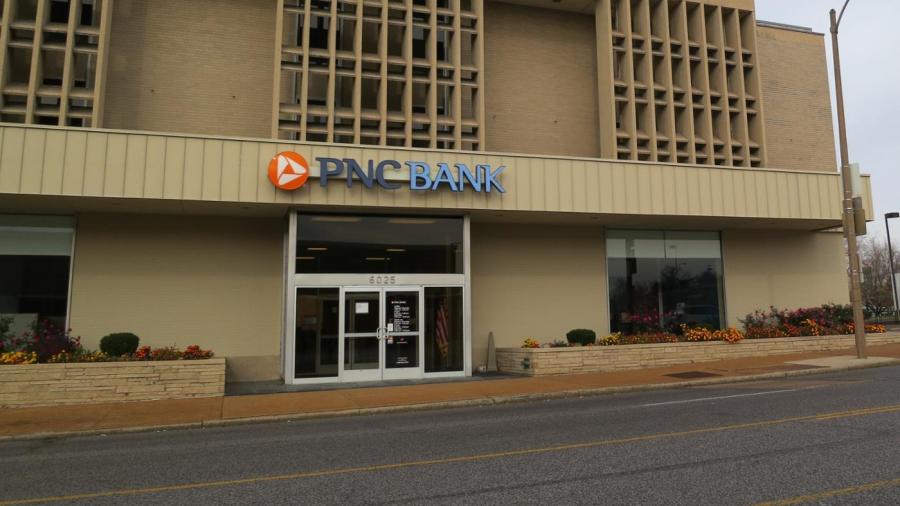
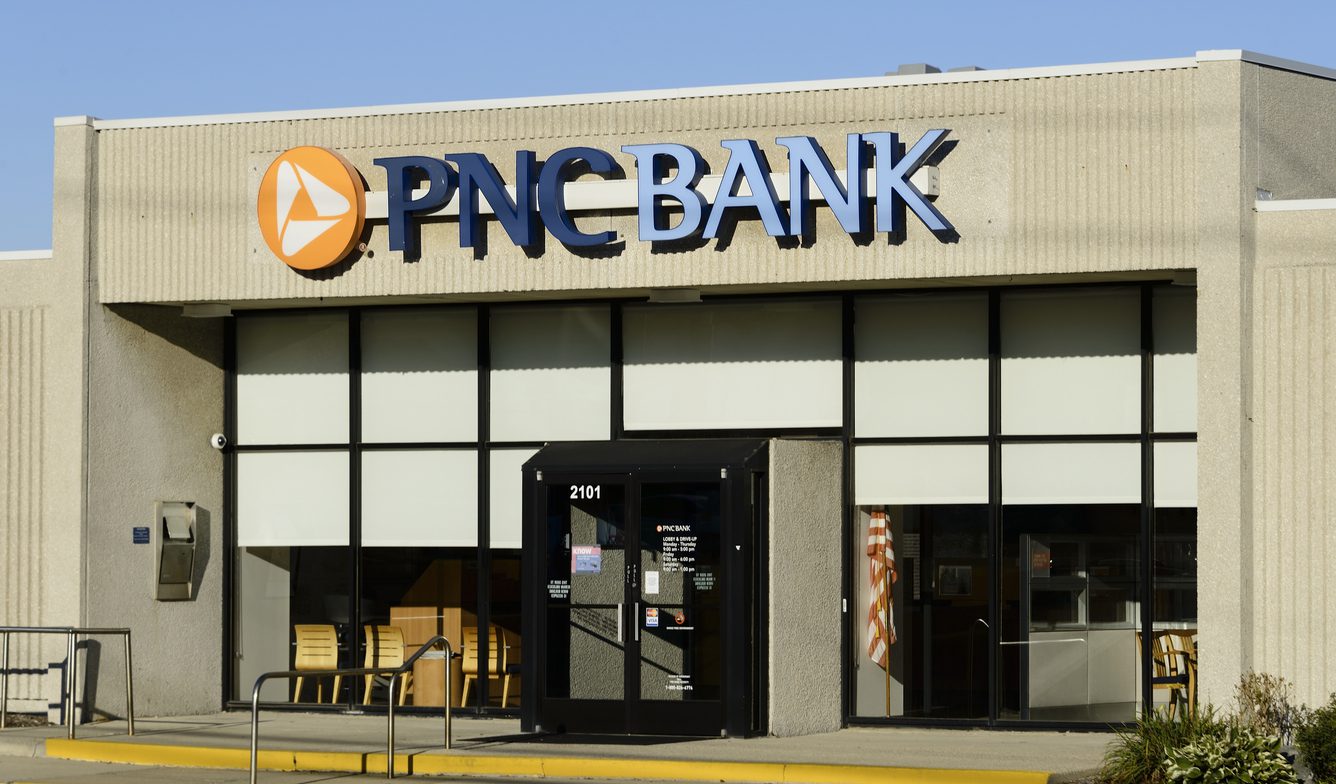
Despite the shift toward digital, PNC maintains thousands of branches and tens of thousands of ATMs. This physical presence provides a sense of security and accessibility that purely digital banks cannot match. In the niche of “Money,” trust is often built through visibility. The orange and blue logo serves as a physical reminder of the bank’s commitment to the communities it serves.
Community Development and Financial Literacy
PNC also invests heavily in community development and financial literacy programs. Through initiatives like “PNC Grow Up Great,” the bank has dedicated hundreds of millions of dollars to early childhood education, recognizing that long-term economic stability begins with a strong educational foundation. By fostering financial literacy, the bank ensures that the next generation of consumers and business owners is equipped to manage “Money” effectively, creating a virtuous cycle of economic growth and stability that honors the legacy of Pittsburgh National and Provident National.
aViewFromTheCave is a participant in the Amazon Services LLC Associates Program, an affiliate advertising program designed to provide a means for sites to earn advertising fees by advertising and linking to Amazon.com. Amazon, the Amazon logo, AmazonSupply, and the AmazonSupply logo are trademarks of Amazon.com, Inc. or its affiliates. As an Amazon Associate we earn affiliate commissions from qualifying purchases.