
The smartphone landscape is dominated by a fundamental rivalry that has defined the last decade of personal computing: Android versus iOS. While both platforms have converged in terms of basic functionality—allowing users to browse the web, capture high-quality media, and manage their lives through applications—the underlying technological philosophies remain worlds apart. Choosing between an Android device and an iPhone is no longer just a matter of aesthetic preference; it is a choice between two distinct technological infrastructures, software philosophies, and hardware engineering approaches.
In this deep dive, we explore the core technical differences between these two giants, examining how their operating systems, hardware integration, and security protocols shape the user experience in the modern digital age.
1. Operating System Architecture and Software Philosophy
At the heart of the debate lies the fundamental difference in operating system (OS) architecture. While both systems are built to provide a mobile interface, their roots and management styles offer different advantages for tech-savvy users.
The Open Source Flexibility of Android
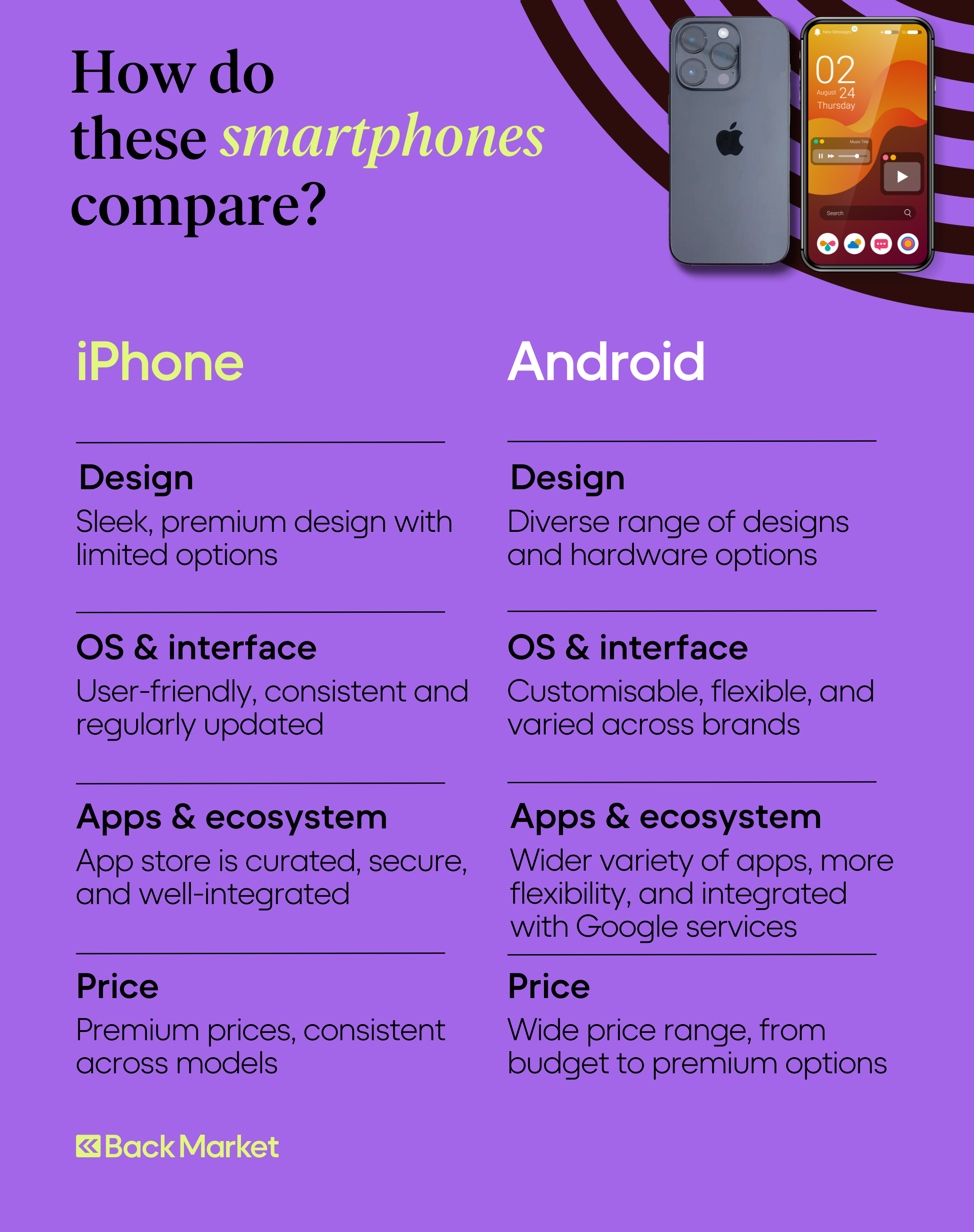
Android is based on the Linux kernel and is largely open-source via the Android Open Source Project (AOSP). This allows manufacturers (OEMs) like Samsung, Google, and OnePlus to modify the code to create custom “skins” or user interfaces (UIs) such as One UI or OxygenOS.
From a technical standpoint, this openness allows for deep-level customization. Users can sideload applications (installing apps from outside the official store), change default system launchers, and even flash custom ROMs to replace the factory-installed OS. For power users, the file management system in Android mimics a traditional computer, offering direct access to folders and directories, which facilitates easier data transfer and system-level tweaks.
The Proprietary Precision of iOS
In contrast, Apple’s iOS is a closed-source, proprietary system built on the Darwin Unix-based foundation. Apple maintains absolute control over the hardware and software stack. This “walled garden” approach ensures that the software is perfectly optimized for the specific silicon it runs on.
The result is a highly consistent user experience. Because Apple does not have to account for thousands of different hardware configurations, iOS is often cited for its “fluidity” and lower latency in touch response. However, this comes at the cost of flexibility. Users cannot easily modify system files, and the interface remains largely standardized across all devices, prioritizing stability and ease of use over deep customization.
2. Hardware Engineering and Silicon Performance
The divergence between Android and iPhone is most visible in the physical hardware and the chips that power them. The two platforms represent different ends of the engineering spectrum: specialized vertical integration versus broad horizontal diversity.
Apple’s Vertical Integration and Silicon Mastery
Apple’s transition to its custom-designed A-series chips (and more recently, the M-series in iPads) has set a high benchmark for mobile performance. Because Apple designs both the chip and the software, they can achieve incredible efficiency. These chips often lead the industry in single-core performance, which is critical for the snappy execution of everyday tasks and high-end mobile gaming.
Furthermore, Apple controls the entire supply chain. This allows for features like the “Action Button” or the “Dynamic Island” to be integrated seamlessly with software updates. The hardware is built for longevity; it is not uncommon for an iPhone to receive the latest software updates five to six years after its initial release, thanks to the headroom provided by its powerful internal silicon.
The Diversity of the Android Hardware Landscape
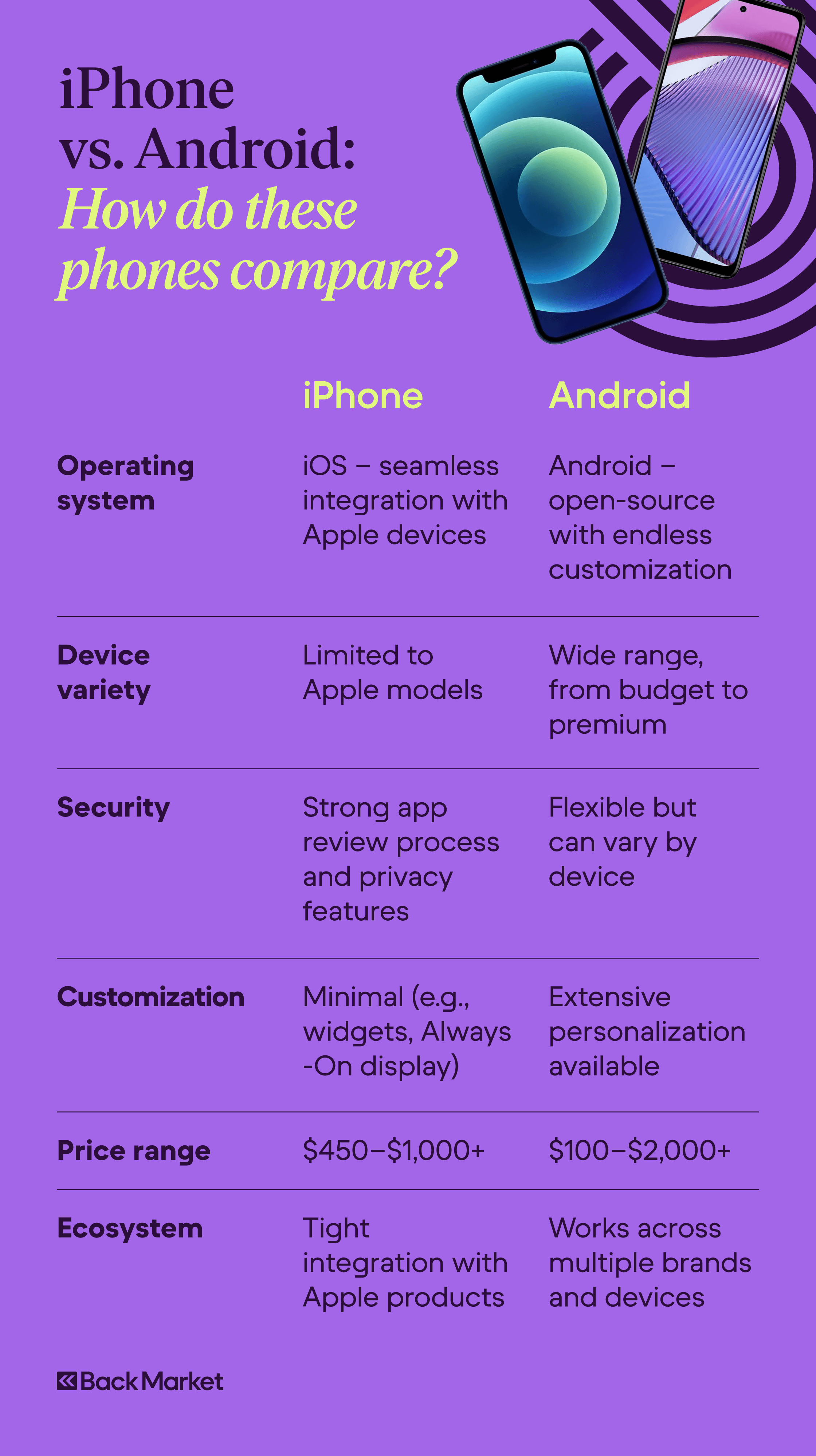
The Android ecosystem thrives on variety. Because Android is licensed to numerous manufacturers, the hardware options are nearly limitless. Users can choose between budget-tier devices, mid-range “flagship killers,” and ultra-premium foldables.
On the high end, Android devices often lead the way in hardware innovation. Features like periscope zoom lenses, 120Hz-165Hz refresh rate displays, and under-display cameras often debut on Android phones years before they appear on iPhones. Qualcomm’s Snapdragon and Google’s Tensor chips power these devices. While these chips are incredibly powerful, they must be designed to work across a variety of hardware configurations, which sometimes results in slightly less power efficiency compared to Apple’s bespoke designs.
3. App Ecosystems and Development Standards
How software is built and distributed on these platforms determines the quality of the apps we use daily. Developers approach Android and iOS with different strategies based on the technical requirements of each store.
The Google Play Store and Fragmentation
The Google Play Store offers a more permissive environment for developers. Android’s “Intent” system allows apps to communicate with each other more freely than on iOS, enabling features like system-wide automation and advanced file sharing.
However, developers face the challenge of “fragmentation.” Because there are thousands of different Android devices with varying screen sizes, processor speeds, and OS versions, optimizing an app for every Android user is a monumental task. This often leads to “unoptimized” apps on lower-end hardware, though the core experience on flagship Android devices remains top-tier.
The Apple App Store and Optimization
Apple’s App Store is known for its strict “Human Interface Guidelines” and rigorous review process. This results in a library of apps that generally feel more polished and consistent in their design language.
From a developer’s perspective, targeting iOS is often more profitable and technically simpler. There are only a handful of active iPhone models and screen resolutions to account for. This is why many high-end creative tools, such as professional video editors or music production apps, often launch exclusively on iOS or arrive there much earlier than on Android.
4. Digital Security and Privacy Protocols
In an era of increasing cyber threats, the security architecture of a smartphone is a primary concern. Both platforms have robust security, but they utilize different methodologies to protect user data.
Sandboxing and the iOS Security Model
Apple’s primary security strategy is “sandboxing.” Every app on an iPhone runs in its own isolated environment, unable to access the data of other apps or the system’s core files without explicit user permission. This makes it extremely difficult for malware to spread throughout the system.
Apple also emphasizes “On-Device Processing.” For example, FaceID data and Siri requests are often processed locally on the device’s Secure Enclave rather than being sent to a cloud server. While this limits some of the “intelligence” that relies on big-data crunching, it provides a high level of privacy for the end-user.
Android’s Layered Security and Google Play Protect
Android utilizes a layered security model. While it also uses sandboxing, its open nature requires a different approach to threat detection. Google Play Protect scans billions of apps daily to identify malware, even those installed from third-party sources.
One of Android’s technical advantages in security is its faster adoption of certain biometric standards and the ability to create “Work Profiles.” Using “Android for Work,” users can completely isolate professional data from personal data at the OS level, a feature that is highly valued in corporate IT environments. However, because many Android manufacturers are slow to push out security patches, users on older or cheaper hardware can remain vulnerable to known exploits for longer periods than iPhone users.
5. Connectivity and Ecosystem Integration
The modern smartphone is rarely used in isolation; it is a hub for a wider ecosystem of tablets, laptops, and smart home devices.
The Walled Garden: iMessage and iCloud
The “Apple Ecosystem” is perhaps the most effective example of tech integration. Through features like Handoff, Universal Clipboard, and AirDrop, an iPhone works in near-perfect synergy with a Mac or an iPad.
Technically, this is achieved through tightly integrated iCloud APIs. Services like iMessage and FaceTime are proprietary protocols that offer high-quality, encrypted communication but only within the Apple ecosystem. This creates “lock-in,” where the technical friction of leaving the platform (losing access to specialized backups or shared photo libraries) becomes a significant barrier for users.
Android’s Cross-Platform Flexibility
Android takes a more platform-agnostic approach. Because Google’s services (Drive, Photos, Gmail) are available on almost every device, including iPhones and Windows PCs, Android users enjoy greater flexibility.
Android is also the leader in adopting universal standards. Most Android phones have used USB-C for nearly a decade, allowing for a single cable to charge laptops, cameras, and phones. Furthermore, Google’s “Nearby Share” (now integrated with Samsung’s Quick Share) has evolved to provide an AirDrop-like experience that works across different Android brands and even Windows PCs, prioritizing a more open tech environment over a closed, branded one.
Conclusion: Engineering Your Digital Life
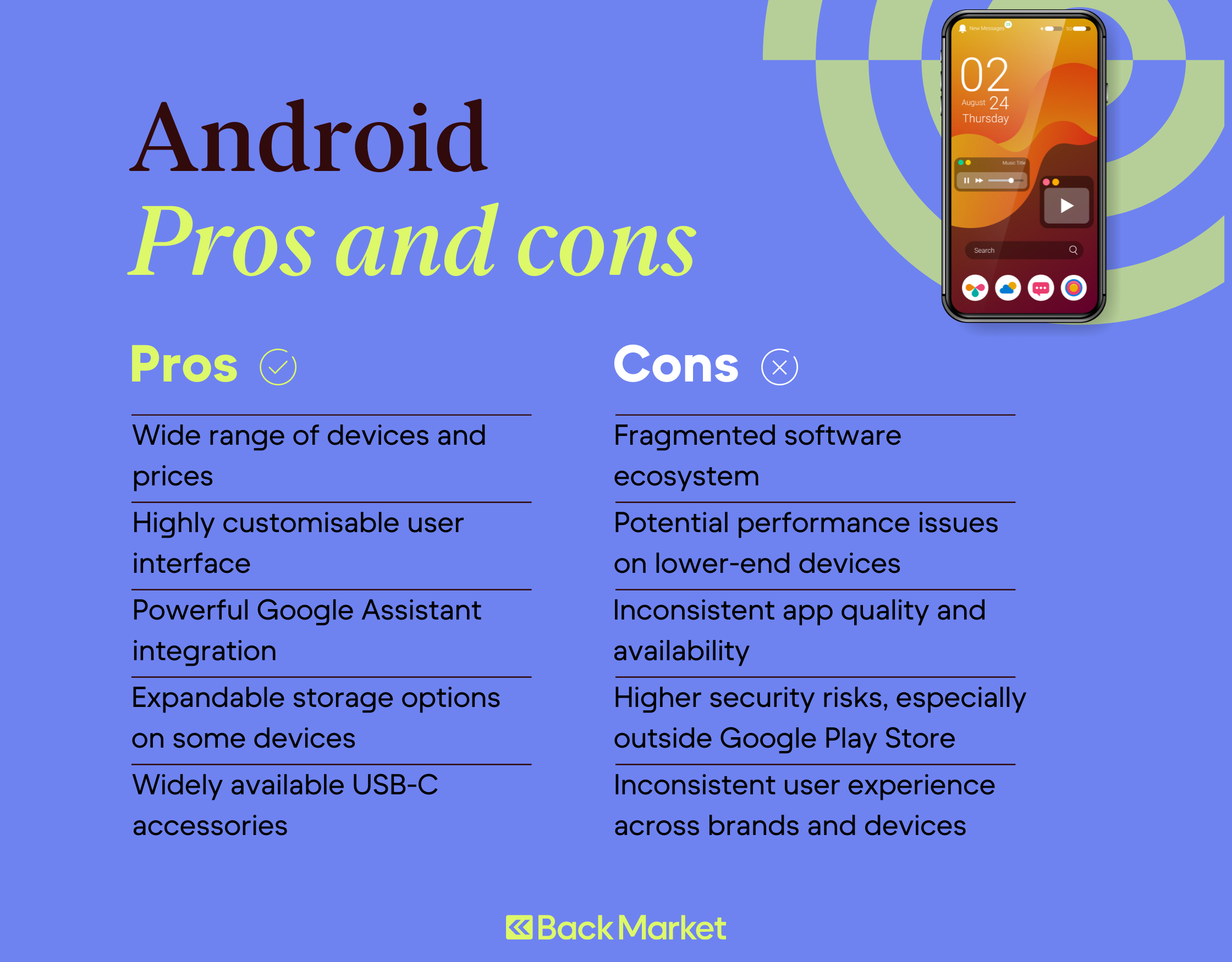
The difference between an Android phone and an iPhone ultimately comes down to a choice between customizable power and optimized simplicity.
Android is the platform of choice for the technophile who views their phone as a pocket computer—a tool that should be tweaked, expanded, and integrated into a diverse hardware setup. It represents the cutting edge of hardware experimentation and the freedom of open-source roots.
The iPhone, conversely, is the pinnacle of refined engineering. It is for the user who values a seamless, high-performance experience where the hardware and software are in such perfect sync that the technology itself becomes invisible.
As both platforms continue to evolve with AI integration and more powerful silicon, the gap in capability narrows, but the fundamental technical philosophies remain distinct. Understanding these differences ensures that you choose the tool that best aligns with your digital workflow and technological priorities.
aViewFromTheCave is a participant in the Amazon Services LLC Associates Program, an affiliate advertising program designed to provide a means for sites to earn advertising fees by advertising and linking to Amazon.com. Amazon, the Amazon logo, AmazonSupply, and the AmazonSupply logo are trademarks of Amazon.com, Inc. or its affiliates. As an Amazon Associate we earn affiliate commissions from qualifying purchases.