
In the rapidly evolving landscape of the digital age, data is often described as the “new oil.” However, for data to be refined into actionable insights, analyzed by artificial intelligence, or displayed on a mobile application, it must first originate from somewhere. This origin is known as a data source. In the realm of technology, a data source is the initial location where data is generated or where physical information is first digitized.
Understanding the nuances of data sources is critical for software developers, data scientists, and IT professionals. Whether you are building a simple web application or orchestrating a complex machine learning pipeline, the quality, speed, and reliability of your data source dictate the ultimate success of your technical infrastructure.
The Architecture of Data Sources: From Databases to Live Streams
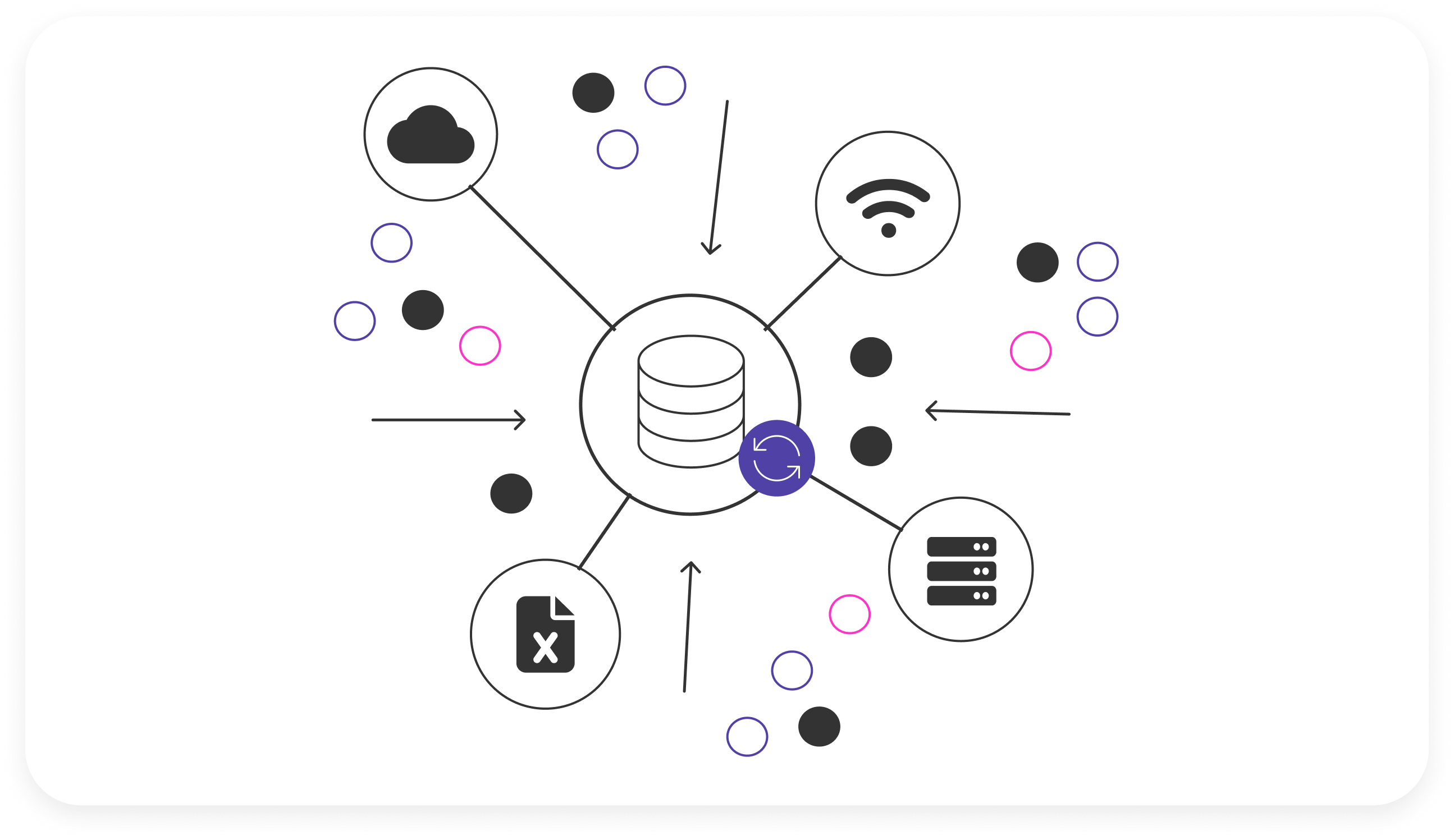
At its core, a data source serves as the “source of truth” for any computing system. It is the primary location from which a computer program or a database management system (DBMS) retrieves its information. To understand the technology behind it, we must categorize data sources based on their structure and delivery methods.
Relational Databases (SQL)
The most traditional and widely used data source in enterprise technology is the relational database. Systems like MySQL, PostgreSQL, and Microsoft SQL Server store data in structured tables with predefined schemas. These sources are ideal for transactional data—such as financial records or inventory management—where consistency and integrity (ACID compliance) are paramount.
NoSQL and Non-Relational Repositories
As technology trends shifted toward “Big Data,” the limitations of rigid schemas became apparent. NoSQL data sources, such as MongoDB, Cassandra, and Redis, allow for the storage of unstructured or semi-structured data. These sources are highly scalable and are used for social media feeds, content management systems, and real-time analytics where the data format may change frequently.
Real-time Data Streams and IoT
In the era of the Internet of Things (IoT), data sources are no longer just static files or databases. They are often continuous streams of information. Sensors in autonomous vehicles, smart thermostats, and industrial machinery generate “streaming data.” Technologies like Apache Kafka or Amazon Kinesis act as the pipeline to ingest these high-velocity data sources, allowing systems to react to information in milliseconds.
How Data Sources Power the Modern Software Ecosystem
Modern software applications are rarely self-contained. They function as a mesh of integrated services, each pulling from various data sources to provide a seamless user experience. The way these sources are accessed defines the architecture of the software.
The API Economy and External Data Sources
An Application Programming Interface (API) often acts as a bridge to a data source. For instance, a weather app on your smartphone does not have its own meteorological sensors; its primary data source is an external API provided by a service like The Weather Channel or NOAA. In this context, the API is the delivery mechanism for the data source, allowing developers to integrate complex datasets without hosting the data themselves.
Data Warehouses and Data Lakes
For large-scale tech enterprises, managing hundreds of disparate data sources is a monumental task. This has led to the rise of Data Warehouses (like Snowflake or Google BigQuery) and Data Lakes.
- Data Warehouses store processed, structured data that is ready for analysis.
- Data Lakes act as a raw data source, storing vast amounts of unstructured information in its native format until it is needed.
These central repositories aggregate data from CRM systems, web logs, and mobile apps, serving as a unified source for business intelligence (BI) tools.
Cloud Storage and Flat Files
Sometimes, a data source is as simple as a CSV, JSON, or XML file stored on a cloud server. Services like Amazon S3 or Azure Blob Storage provide highly available environments for these “flat files.” While they lack the complex querying capabilities of a database, they are essential for data migration, backups, and serving as the raw input for data processing scripts.
The Critical Role of Data Sources in AI and Machine Learning
The current revolution in Artificial Intelligence (AI) is entirely dependent on the availability of high-quality data sources. Without a robust source of information, a machine learning model is essentially an empty shell.
Training Sets and Validation Data
Machine learning models require two types of data sources: training sets and validation sets. The training data source must be massive and diverse enough to teach the model patterns. For example, a Large Language Model (LLM) uses the entire internet—digitized books, code repositories, and articles—as its primary data source. The quality of this source directly impacts the model’s accuracy and its ability to generalize information.
Data Sourcing for Real-Time Inference
Once an AI model is deployed, it requires a “live” data source to provide “inference.” If you use an AI-driven security camera, the data source is the live video feed. The system must process this source in real-time, identify a face or an object, and trigger an alert. The latency (delay) of the data source is a critical technical challenge here; high-latency sources can render an AI system useless in time-sensitive environments.
Ethical Sourcing and Bias in Tech
In the tech industry, the origin of a data source is now a matter of ethics and law. If a data source is biased—for example, if a facial recognition database primarily contains data from one demographic—the resulting AI will be flawed. Ensuring that data sources are ethically “harvested” and representative is a major focus for modern digital security and AI governance teams.
Managing Data Integrity and Security
Because data sources are the foundation of technology, they are also the primary targets for cyberattacks. Protecting the integrity and availability of these sources is a top priority for digital security professionals.
Access Control and Encryption
Securing a data source involves complex layers of authentication. Whether it is through OAuth tokens, SSH keys, or multi-factor authentication, tech stacks must ensure that only authorized services can “read” or “write” to the source. Furthermore, data must be encrypted both “at rest” (while stored in the source) and “in transit” (while moving from the source to the application).
Data Governance and Compliance
With the rise of regulations like GDPR (General Data Protection Regulation) and CCPA (California Consumer Privacy Act), tech companies must be meticulous about their data sources. They must know exactly where data comes from, how it is stored, and who has access to it. This has birthed a new niche in tech known as Data Governance, which uses automated tools to audit data sources and ensure they meet legal and privacy standards.
ETL and ELT: The Data Pipeline
To move data from its raw source to a usable state, developers use processes called ETL (Extract, Transform, Load) or ELT (Extract, Load, Transform).
- Extract: Pulling the raw data from the source.
- Transform: Cleaning the data, removing duplicates, and converting formats.
- Load: Depositing the refined data into a destination (like a dashboard or a database).
Advanced software tools like dbt (data build tool) or Apache Airflow are used to automate these pipelines, ensuring that the technology relying on the data source always has fresh, accurate information.
The Future of Data Sources: Edge Computing and Beyond
As we look toward the future of technology, the concept of the data source is moving closer to the user. This trend, known as Edge Computing, involves processing data at the “edge” of the network—on the device itself—rather than sending it back to a central cloud server.
In this scenario, the data source and the data processor exist in the same physical location, such as a smartwatch or a smart factory sensor. This reduces latency, increases privacy, and lessens the bandwidth load on global networks. As 5G and 6G technologies expand, the number of interconnected data sources will explode, leading to a world where every object in our physical environment is a potential source of digital information.
In conclusion, a data source is far more than just a place where numbers are stored. It is the bedrock of the digital ecosystem. From the SQL databases powering our banks to the massive datasets training the next generation of AI, understanding how to select, secure, and integrate data sources is the fundamental challenge of modern technology. As we continue to innovate, our ability to harness these sources will determine the pace of technological progress.
aViewFromTheCave is a participant in the Amazon Services LLC Associates Program, an affiliate advertising program designed to provide a means for sites to earn advertising fees by advertising and linking to Amazon.com. Amazon, the Amazon logo, AmazonSupply, and the AmazonSupply logo are trademarks of Amazon.com, Inc. or its affiliates. As an Amazon Associate we earn affiliate commissions from qualifying purchases.