
In the rapidly evolving landscape of medical technology and HealthTech, the transdermal delivery system—specifically the estrogen patch—represents a pinnacle of biochemical engineering. While often discussed in clinical settings, the technical architecture of these devices and the data-driven determination of what constitutes a “high dose” are subjects of intense technological scrutiny. As we move toward a future of personalized medicine and bio-integrated gadgets, understanding the parameters of hormone delivery technology is essential for both developers and high-tech health consumers.
This article explores the technical thresholds of estrogen delivery, the engineering behind transdermal flux, and how the digital health revolution is redefining our understanding of high-dose hormone therapy.
Understanding Transdermal Technology: The Mechanics of the Estrogen Patch
To understand dosage, one must first understand the delivery vehicle. An estrogen patch is not merely a bandage with medication; it is a sophisticated, multi-layered drug delivery gadget designed to bypass the first-pass metabolism of the liver.
The Engineering of Controlled Release
Modern patches utilize either “reservoir” or “matrix” technology. The matrix system, which is currently the industry standard in MedTech, involves embedding the estradiol (estrogen) directly into the adhesive layer. This requires precise polymer engineering to ensure that the medication crystallized within the adhesive is released at a constant, linear rate.
Technically, the “dose” isn’t just the total amount of hormone in the patch, but the “delivery rate” (flux) over a 24-hour period. Engineers must calculate the permeability of human skin (stratum corneum) to ensure the patch technology can maintain a steady state of hormone serum levels without technical failure or “dose dumping.”
Material Science and Adhesive Flux
A high-dose patch requires a different chemical concentration than a low-dose one. This poses a challenge for material scientists: how to increase the active ingredient without compromising the adhesive properties of the patch. If the concentration of estradiol is too high, it can crystallize, leading to a failure in the delivery tech. Therefore, a “high dose” patch is often a feat of balancing chemical saturation with physical adherence.
Defining High-Dose Thresholds through Data-Driven Analytics
In the realm of HealthTech and pharmacology, dosages are categorized based on their impact on the average biological system. When analyzing transdermal estradiol, the industry standard categorizes dosages into low, moderate, and high based on the milligrams delivered per 24 hours.
The Metrics of High-Dose Delivery
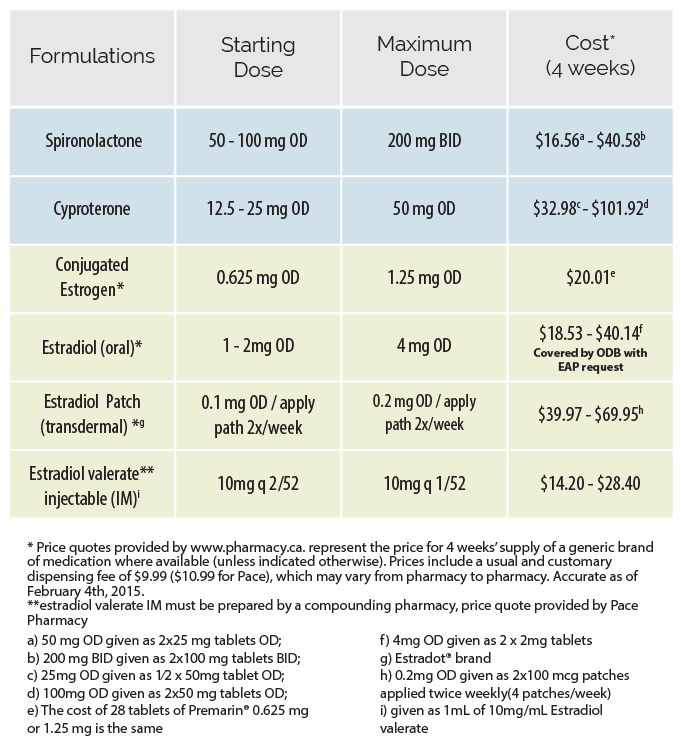
In standard medical technology delivery profiles, the following breakdown is generally accepted:
- Low Dose: 0.025 mg to 0.0375 mg per day.
- Moderate Dose: 0.05 mg per day.
- High Dose: 0.1 mg per day or higher.
A dose of 0.1 mg/day is universally considered a high dose in the context of transdermal technology. Some specialized treatments or advanced bio-identical hormone replacement therapy (BHRT) protocols may utilize “ultra-high” doses (0.15 mg to 0.2 mg), which often require the application of multiple patches or larger-surface-area delivery systems.
Bio-Simulations and Individual Flux
What the tech industry calls “inter-individual variability” plays a massive role here. Using AI-driven simulations, researchers have found that the same 0.1 mg patch can result in vastly different serum levels in different users. Factors such as skin thickness, lipid content, and local circulation act as “hardware variables” that affect the patch’s output. Consequently, in the world of personalized HealthTech, a “high dose” is increasingly being defined by the resulting blood concentration (measured in pg/mL) rather than just the number printed on the patch packaging.
Digital Health Integration and Dosage Monitoring

The future of hormone therapy is not just in the patch itself, but in the software ecosystem that monitors its effects. We are seeing a surge in apps and wearable integrations designed to track the efficacy of high-dose estrogen protocols.
Wearable Syncing and Symptom Tracking
As users move to high-dose patches, the need for precise monitoring increases. New software platforms allow users to log physiological data—such as basal body temperature, sleep quality, and mood fluctuations—which are then analyzed via machine learning algorithms. This data helps clinicians determine if a “high dose” is actually providing the therapeutic window required or if the delivery technology is being inhibited by external factors (like heat or moisture).
AI in Hormone Optimization
Artificial Intelligence is now being used to predict the optimal dosage for patients before they even apply their first patch. By analyzing genomic data and lifestyle biomarkers, AI tools can suggest whether a patient will likely require a high-dose (0.1 mg) patch or if they will be “fast metabolizers” who might require a more frequent patch rotation schedule. This intersection of pharmacology and data science is turning hormone replacement into a precision-engineered process.
The Evolution of Smart Patches: Beyond Static Dosing
We are currently on the verge of moving from “passive” patches to “active” or “smart” patches. This is where the true tech innovation lies.
Feedback Loops and Real-Time Delivery
The next generation of transdermal technology involves “smart” membranes that can sense biomarkers in the skin’s interstitial fluid. Imagine a patch that can detect when estrogen levels drop below a certain threshold and accelerate delivery, or slow down if levels become too high. This would move us away from the static definition of a “0.1 mg high dose” and toward a dynamic, responsive delivery system.
Iontophoresis and Microneedle Tech
To achieve higher doses without increasing the physical size of the patch, tech companies are experimenting with microneedle arrays and iontophoresis (using a small electric current to drive molecules through the skin). These gadgets represent the “Pro” version of the standard estrogen patch, allowing for higher concentrations of hormones to be delivered with pinpoint accuracy and reduced skin irritation.
Security, Privacy, and Data in the MedTech Space
As dosage tracking becomes more digitized, the conversation must shift toward digital security. When a user is on a high-dose regimen, their medical data becomes a highly sensitive asset.
Protecting Bio-Data
The apps used to monitor high-dose estrogen patches collect intimate biological information. Ensuring this data is encrypted and stored according to HIPAA and GDPR standards is a primary concern for developers in the HealthTech space. As we integrate hormone delivery with our digital identities, the “security” of the dose becomes as important as the dose itself.
The “Internet of Bodies” (IoB)
The estrogen patch is a foundational component of the “Internet of Bodies.” In this tech niche, the body is treated as a platform that can be optimized through hardware (the patch) and software (the tracking apps). Understanding what constitutes a high dose is critical for the safety protocols of these IoB devices, ensuring that the technology enhances human performance and longevity without overstepping biological boundaries.

Conclusion: The Precision of High-Dose Delivery
In the context of modern technology, a “high dose” of an estrogen patch (0.1 mg/day and above) is more than just a medical prescription—it is a specific setting in a complex biological interface. From the polymer science required to hold the hormone in place to the AI algorithms used to track its success, the estrogen patch is a testament to how far MedTech has come.
As we look toward the future, the distinction between “low” and “high” doses will likely become even more granular, driven by real-time data and smart delivery systems. For now, the 0.1 mg patch remains the high-performance standard for those requiring significant hormonal intervention, supported by a growing infrastructure of digital health tools designed to optimize every microgram.
aViewFromTheCave is a participant in the Amazon Services LLC Associates Program, an affiliate advertising program designed to provide a means for sites to earn advertising fees by advertising and linking to Amazon.com. Amazon, the Amazon logo, AmazonSupply, and the AmazonSupply logo are trademarks of Amazon.com, Inc. or its affiliates. As an Amazon Associate we earn affiliate commissions from qualifying purchases.