
In the realm of personal finance, we often discuss diversified portfolios, high-yield savings accounts, and tax-advantaged retirement vehicles. However, the most significant asset any individual possesses is their health. Just as a quarterly financial statement provides a snapshot of a company’s fiscal health, the Comprehensive Metabolic Panel (CMP) serves as the primary “balance sheet” for your body’s internal chemistry. Understanding what a CMP is for blood work is not just a medical necessity; it is a critical component of a proactive financial strategy designed to mitigate long-term healthcare costs and protect your earning potential.

Understanding the CMP: A High-Value Diagnostic Tool for Financial and Physical Health
A Comprehensive Metabolic Panel (CMP) is a broad-spectrum blood test that measures 14 different substances in your blood. It provides vital information about your body’s chemical balance and metabolism. From a financial perspective, the CMP is an “all-in-one” diagnostic tool that offers high utility at a relatively low cost compared to specialized genetic or imaging tests.
Defining the Comprehensive Metabolic Panel
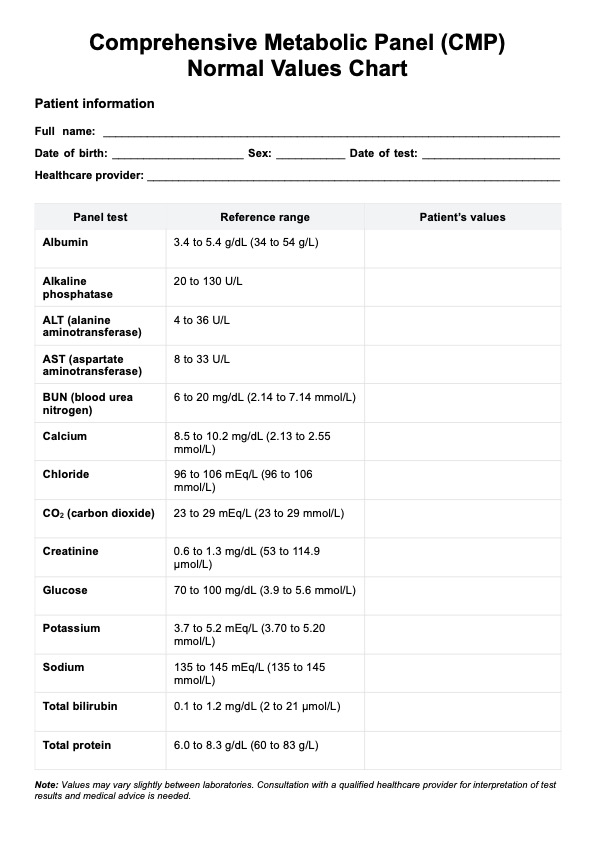
The CMP evaluates several key areas of bodily function. It measures glucose levels to screen for diabetes; electrolytes such as sodium, potassium, and chloride to monitor hydration and pH balance; and proteins like albumin and total protein. Furthermore, it assesses kidney function through Blood Urea Nitrogen (BUN) and Creatinine levels, as well as liver function through enzymes like ALP, AST, and ALT. By aggregating these 14 markers into a single draw, the medical industry has created an efficient “audit” of your metabolic status.
Why it’s the “Bread and Butter” of Preventative Care
In the world of investing, “preventative maintenance” is a term usually reserved for real estate or machinery. In personal finance, the CMP is the preventative maintenance of your human capital. Detecting a spike in blood glucose or a decline in kidney filtration early can be the difference between a lifestyle adjustment and a future involving five-figure pharmaceutical bills or six-figure surgical interventions. By identifying trends in these markers over several years, you are essentially performing “technical analysis” on your health, allowing for corrections before a “market crash” in your physical well-being occurs.
The Economics of the CMP: Cost Breakdown and Insurance Coverage
The financial landscape of lab testing in the United States is notoriously opaque. A CMP can cost as little as $20 or as much as $500 depending entirely on where the test is performed and how it is billed. For the savvy consumer, navigating these costs is a lesson in healthcare literacy and financial optimization.
Direct Costs: Out-of-Pocket vs. Insurance-Negotiated Rates
If you have traditional health insurance, the CMP is often categorized as part of an annual wellness exam. Under the Affordable Care Act (ACA), many preventative screenings are covered at 100%, meaning your out-of-pocket cost is zero. However, this only applies if the doctor codes the test as “preventative.” If the test is ordered to monitor a pre-existing condition (such as hypertension or high cholesterol), it may be subject to your deductible or coinsurance.
For those paying out-of-pocket, the disparity in pricing is staggering. Hospital-based laboratories typically charge the highest rates to cover their overhead. In contrast, independent laboratories like Quest Diagnostics or Labcorp offer much lower “cash prices.” Retail-facing disruptors have also entered the market, allowing consumers to purchase a CMP directly online for a flat fee, bypassing the traditional doctor’s office markup.
Navigating High-Deductible Health Plans (HDHPs) and HSAs
For individuals enrolled in High-Deductible Health Plans (HDHPs), every dollar spent on lab work is a dollar out of their Health Savings Account (HSA). Utilizing an HSA to pay for a CMP is a tax-advantaged move; you are using pre-tax dollars to fund a diagnostic that protects your future wealth. However, the goal should always be to maximize the value of those HSA dollars. Before agreeing to a blood draw at a specialist’s office, ask for the “billing code” (usually CPT code 80053 for a CMP) and check your insurer’s price transparency tool. You may find that walking across the street to an independent lab saves you 70% on the transaction.
Laboratory Choice: The Hidden Impact on Your Wallet
The logistics of where your blood is processed can significantly impact your monthly budget. Many physician offices have “in-house” labs for convenience, but these are often out-of-network for certain insurance tiers. Always confirm that the laboratory facility—not just the doctor—is in-network. A “surprise bill” from an out-of-network lab for a simple CMP is a common financial pitfall that can easily be avoided with five minutes of due diligence.

Strategic Health Spending: Leveraging the CMP for Long-Term Wealth Preservation
True financial planning goes beyond the numbers on a screen; it involves risk management. The CMP is a primary tool for “de-risking” your financial future. By investing in regular metabolic monitoring, you are effectively buying insurance against the most expensive chronic diseases in the modern economy.
Preventative Screening as a Financial Investment
Consider the return on investment (ROI) for a $50 CMP test. If that test reveals early-stage Prediabetes (elevated fasting glucose), the individual can implement diet and exercise changes immediately. The cost of managing Type 2 Diabetes is estimated by the American Diabetes Association to be approximately $16,750 per year per person. By spending $50 today to avoid a $16,000 annual liability, you are achieving an ROI that no stock market index can match. This is the essence of “Health-Wealth” integration: using small amounts of capital today to prevent massive capital outflows in the future.
Avoiding the “Sick Care” Premium
The American healthcare system is often described as “sick care” rather than “healthcare,” meaning costs skyrocket once a patient becomes symptomatic. When you wait until you feel ill to get a CMP, you are likely entering the system at a point where you require more expensive diagnostic imaging (MRIs, CT scans) and specialist consultations. By making the CMP a standard part of your annual financial audit, you stay in the “low-cost” tier of the medical system. You are paying for information, not just intervention.
Digital Tools and Fintech Solutions for Managing Lab Expenses
As technology and finance converge, new tools have emerged to help consumers manage the costs associated with blood work like the CMP. These digital solutions allow for a more “ecommerce-like” experience when purchasing healthcare services.
Using Cost Transparency Tools
In recent years, federal regulations have pushed for greater price transparency in healthcare. Websites and apps now allow users to compare the price of a CMP across various zip codes. Tools like Healthcare Bluebook or Fair Health Consumer provide a “fair price” benchmark, giving you the leverage to negotiate with providers or choose a more cost-effective facility. Using these tools is no different than using a price-comparison app for a new laptop or a car—it is a fundamental habit of the financially disciplined.
Direct-to-Consumer Lab Platforms
A new wave of “Health-Fintech” startups now allows consumers to order their own blood work without a formal doctor’s referral (in most states). Platforms like Jason Health, Ulta Lab Tests, or Walk-In Lab offer a transparent, menu-based pricing model. You pay for the CMP online, print a requisition form, and visit a local collection site. This bypasses the “office visit” fee, which can often be more expensive than the test itself. For the self-employed or those in the “gig economy” without robust employer-sponsored insurance, these platforms are essential tools for maintaining health while protecting margins.
Financing Medical Debt and Payment Plans
Even a simple CMP can sometimes lead to unexpected costs if complications arise. Many major lab chains now offer integration with “Buy Now, Pay Later” (BNPL) services or internal interest-free payment plans. While it is always preferable to pay for lab work out of a dedicated “sinking fund” or HSA, knowing these financial instruments exist can prevent a medical bill from negatively impacting your credit score.
Conclusion: The Bottom Line on CMP and Your Financial Future
The question “what is CMP for blood work” shouldn’t just be answered with medical jargon about electrolytes and enzymes. It should be understood as a vital financial metric. The Comprehensive Metabolic Panel is a cost-effective, high-utility diagnostic that serves as the foundation for both physical health and financial stability.
By understanding the markers it measures, the variables that influence its cost, and the long-term savings associated with early detection, you can transform a routine medical requirement into a strategic financial advantage. In the grand scheme of personal finance, your health is the engine that drives your income. Protecting that engine through regular CMP testing is not an expense—it is one of the smartest investments you will ever make. Strive to treat your metabolic panel with the same level of scrutiny you apply to your 401(k) statement, and you will be well on your way to a future defined by both physical vitality and fiscal security.
aViewFromTheCave is a participant in the Amazon Services LLC Associates Program, an affiliate advertising program designed to provide a means for sites to earn advertising fees by advertising and linking to Amazon.com. Amazon, the Amazon logo, AmazonSupply, and the AmazonSupply logo are trademarks of Amazon.com, Inc. or its affiliates. As an Amazon Associate we earn affiliate commissions from qualifying purchases.