
As the digital asset ecosystem matures, the bridge between traditional finance and blockchain technology has become one of the most lucrative frontiers for institutional and retail investors alike. At the heart of this transformation is Circle Internet Financial, the issuer of USDC (USD Coin), one of the world’s most regulated and widely used stablecoins. For those asking, “What is Circle stock?” the answer lies at the intersection of fintech innovation, regulatory compliance, and the global movement toward the “tokenization of everything.”
While Circle is not yet a household name like Visa or PayPal, its influence on the plumbing of the global financial system is profound. For investors, Circle represents a unique opportunity to gain exposure to the growth of digital dollars without the extreme volatility typically associated with cryptocurrencies like Bitcoin or Ethereum. This article explores the business model of Circle, its journey toward becoming a publicly traded company, and the investment thesis surrounding its stock.
Understanding Circle: Beyond the Stablecoin
To understand Circle stock, one must first understand that Circle is not merely a “crypto company.” It is a global financial technology firm that provides the infrastructure for internet-native payments and treasury management.
The Origins of Circle Internet Financial
Founded in 2013 by Jeremy Allaire and Sean Neville, Circle began with a vision that money should move across the internet as easily as email or photos. Over the last decade, the company has evolved from a peer-to-peer payment app into a foundational layer of the digital economy. Its flagship product, USDC, was launched in 2018 in partnership with Coinbase via the Centre Consortium. Unlike speculative tokens, USDC is a stablecoin pegged 1:1 to the U.S. dollar, backed by a transparent reserve of cash and short-term U.S. Treasuries.
The Role of USDC in the Global Economy
USDC serves as the primary medium of exchange in the decentralized finance (DeFi) space and is increasingly being adopted by traditional enterprises for cross-border settlements. Because it operates on various blockchains (including Ethereum, Solana, and Avalanche), it allows for near-instant transactions 24/7, bypassing the delays of the legacy SWIFT system. For Circle, the stock’s value is intrinsically linked to the “market cap” or total supply of USDC in circulation, as this dictates the scale of their operations.
Revenue Streams: How Circle Makes Money
A common question for prospective investors is how a company that issues a “stable” asset generates profit. Circle’s primary revenue model is remarkably similar to that of a traditional bank or a money market fund. When a user “mints” USDC by depositing U.S. dollars, Circle takes those dollars and invests them in high-quality, interest-bearing assets—primarily short-term U.S. Treasury bills. As interest rates rise, Circle earns a significant yield on these billions of dollars in reserves. Additionally, the company generates revenue through transaction fees, institutional minting/redeeming services, and its suite of Web3 development tools.
The Path to Public Markets: Circle’s IPO Ambitions
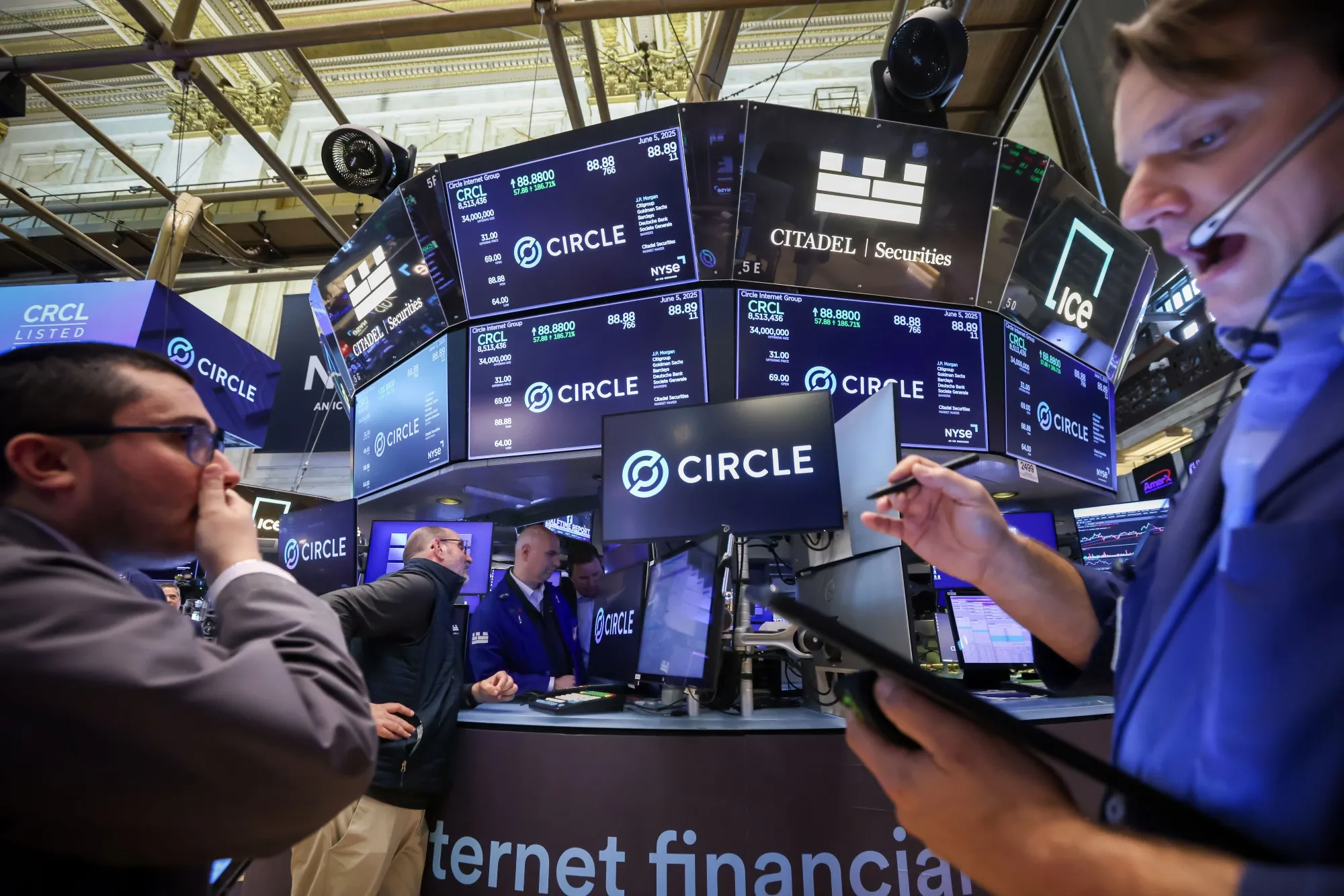
For most investors, the interest in “Circle stock” refers to the company’s ongoing efforts to list its shares on a major U.S. stock exchange. This journey has been a marathon rather than a sprint, reflecting the complexities of being a pioneer in a highly scrutinized industry.
The Failed SPAC Deal and the Shift to Traditional IPO
In 2021, Circle initially planned to go public through a merger with a Special Purpose Acquisition Company (SPAC) called Concord Acquisition Corp. At the time, the deal valued Circle at approximately $9 billion. However, due to the “crypto winter” of 2022 and the rigorous oversight of the SEC, the deal was mutually terminated. Far from being a defeat, this allowed Circle to focus on strengthening its balance sheet and preparing for a more traditional Initial Public Offering (IPO).
Current Regulatory Environment and SEC Oversight
In early 2024, Circle officially filed a confidential draft registration statement with the SEC for its IPO. This move signaled that the company believes it is ready to meet the highest standards of public disclosure. The timing is critical; as the U.S. Congress debates the “Clarity for Stablecoins Act,” Circle is positioning itself as the “compliant” alternative to offshore competitors like Tether (USDT). Being a publicly traded company would give Circle a level of transparency and legitimacy that could attract massive institutional capital.
Valuation Expectations for Circle Stock
While the specific ticker symbol and price per share are yet to be finalized for the public, private secondary markets have provided glimpses into Circle’s valuation. Estimates have fluctuated between $5 billion and $10 billion depending on market conditions and the total circulation of USDC. Investors are watching the SEC’s response to the filing closely, as a successful IPO would make Circle the second major crypto-native firm to go public in the U.S., following Coinbase’s landmark listing in 2021.
Analyzing the Investment Thesis for Circle

Investing in Circle stock is a bet on the long-term utility of digital assets. It is less about the price of a specific coin and more about the volume of value moving through digital rails.
The Growth of the Digital Asset Ecosystem
The total addressable market for Circle is essentially the entire global money supply. As more corporations integrate blockchain for payroll, supply chain financing, and remittances, the demand for a regulated, dollar-backed digital asset grows. If USDC becomes the “reserve currency” of the internet, Circle stock could benefit from a network effect where increased utility leads to higher reserve balances and, consequently, higher interest income.
Competitive Landscape: Circle vs. Tether and Traditional Banks
Circle faces stiff competition from two sides. On one side is Tether (USDT), which currently holds a larger market share but operates with less transparency and regulatory oversight in the U.S. On the other side are traditional banking giants like JPMorgan Chase, which are developing their own “JPM Coin.” Circle’s advantage lies in its “blockchain-agnostic” approach and its focus on being an open-source protocol that any developer can build upon, unlike the “walled gardens” of traditional banks.
Risks and Volatility in the Fintech Sector
No investment is without risk. For Circle, the primary risk is interest rate sensitivity. If the Federal Reserve aggressively cuts interest rates, Circle’s profit margins on its reserves could shrink. Furthermore, the “de-pegging” event in March 2023—where USDC briefly lost its $1 value following the collapse of Silicon Valley Bank (where Circle held a portion of its reserves)—highlighted the systemic risks in the banking sector that can spill over into fintech. Prospective stockholders must weigh these operational risks against the growth potential.
How to Access Circle Stock and Pre-IPO Opportunities
Since Circle is currently in the “quiet period” of its IPO filing, shares are not yet available on platforms like Robinhood or Fidelity for the general public. However, there are several ways sophisticated investors are positioning themselves.
Secondary Markets and Private Equity Platforms
Accredited investors can often find Circle shares on secondary marketplaces such as EquityZen, Forge Global, or Linqto. These platforms allow employees and early venture capital investors to sell their private shares to outside investors. While this offers a way to get in “early,” these shares often come with higher fees and less liquidity than public stocks.
Indirect Exposure Through Venture Capital and Partners
Another way to gain exposure to Circle is by investing in the public companies that have backed it. Companies like Goldman Sachs, BlackRock, and Fidelity have participated in Circle’s funding rounds. While investing in BlackRock isn’t a “pure play” on Circle, their strategic partnership—where BlackRock manages a significant portion of the USDC reserve—ensures that as Circle grows, its institutional partners benefit as well.
Preparing for the Official Public Listing
For the retail investor, the best strategy is to monitor the SEC’s Edgar database for the transition from a “confidential” filing to a public S-1 filing. Once the S-1 is public, it will contain audited financial statements, a detailed breakdown of revenue, and the proposed price range for the IPO. This will be the definitive guide for anyone looking to add Circle stock to their long-term portfolio.
The Future of Circle: A Pillar of Modern Finance
The long-term value of Circle stock will ultimately be determined by its ability to transition from a crypto-adjacent firm to a core piece of the global financial architecture.
Expansion into Cross-Border Payments
The “killer app” for Circle is cross-border payments. Currently, sending money from the U.S. to Southeast Asia or Latin America involves multiple intermediary banks and can take days. By using USDC, this can happen in seconds for a fraction of a cent. As Circle partners with payment processors like Visa and Mastercard, the stock could be revalued as a high-growth payments company rather than just a stablecoin issuer.

Integration with Web3 and Decentralized Finance (DeFi)
As the Web3 economy grows, every digital wallet will need a stable unit of account. Circle’s “Programmable Web3 Wallet” platform allows businesses to integrate USDC into their apps effortlessly. This “Software as a Service” (SaaS) model adds a layer of recurring revenue that is highly attractive to Wall Street investors, potentially giving Circle stock a higher valuation multiple than traditional financial services.
In conclusion, Circle stock represents more than just an investment in a stablecoin. It is an investment in the modernization of money itself. While the road to its IPO has been marked by regulatory hurdles and market shifts, the company’s commitment to transparency and compliance has positioned it as a leading contender in the future of finance. For investors looking to capitalize on the digital asset revolution through a regulated, cash-flowing business, Circle is a name that demands close attention.
aViewFromTheCave is a participant in the Amazon Services LLC Associates Program, an affiliate advertising program designed to provide a means for sites to earn advertising fees by advertising and linking to Amazon.com. Amazon, the Amazon logo, AmazonSupply, and the AmazonSupply logo are trademarks of Amazon.com, Inc. or its affiliates. As an Amazon Associate we earn affiliate commissions from qualifying purchases.