
In an era where information is at our fingertips, the challenge for educators and parents is no longer finding information, but finding the right information and presenting it in a way that resonates with a digital-native generation. When we ask, “What is Cinco de Mayo for kids?” we are no longer just looking for a textbook definition. We are looking for an immersive, tech-driven educational experience.
The traditional classroom model of paper-and-crayon activities is being rapidly replaced by sophisticated Educational Technology (EdTech) that allows children to experience history rather than just read about it. For a holiday as frequently misunderstood as Cinco de Mayo—often confused with Mexican Independence Day—technology serves as a vital tool for historical accuracy and cultural appreciation. This article explores how modern technology, from Virtual Reality to AI-driven curriculum builders, is redefining how we teach complex historical narratives to children.
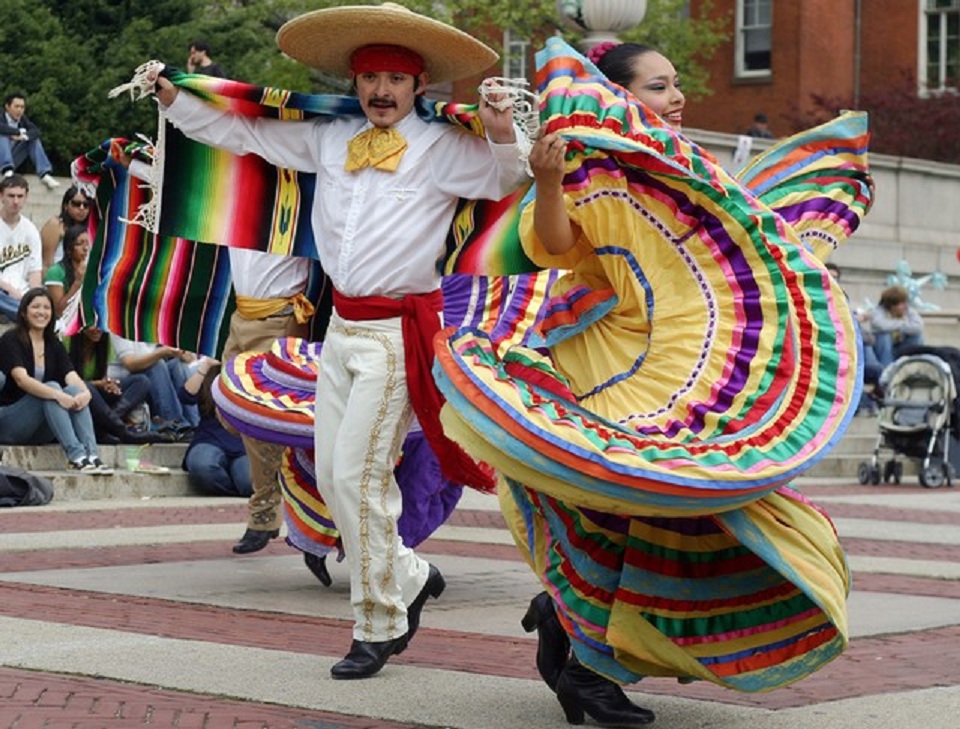
Beyond the Tacos: Why Authentic Cultural Education Matters in the Digital Age
To understand “Cinco de Mayo for kids” through a tech lens, we must first address the “why.” Cultural education in the 21st century is about developing global citizenship. With the world more connected than ever, kids need to understand the nuances of international relations, resilience, and sovereignty.
Moving Past Stereotypes with Curated Digital Content
In the past, cultural celebrations in schools often fell into the trap of “tourist multiculturalism”—focusing solely on food, fashion, and festivals. Tech allows us to dig deeper. High-definition video archives and curated digital libraries enable kids to see the actual landscape of Puebla, Mexico, and understand that the holiday commemorates the 1862 victory over the French Empire. By using platforms like PBS LearningMedia or National Geographic Kids, educators can replace caricatures with high-quality, authentic digital storytelling that respects the dignity of the historical event.
The Role of Global Citizenship in Early Tech Literacy
When kids use tech to learn about other cultures, they aren’t just learning history; they are learning digital literacy. Navigating a website to find the origins of Cinco de Mayo teaches them how to verify sources. In a professional EdTech framework, we categorize this as “Inquiry-Based Learning.” By using search engines and interactive timelines, children learn to ask the right questions: Why was the French army there? Why was the Mexican victory considered an underdog story? This critical thinking is the backbone of modern tech-based education.
Immersive Learning: VR and AR as Windows into Mexican History
The most significant tech trend in cultural education is immersion. For a child, a date on a timeline is abstract. A 360-degree view of a battlefield is a memory.
Virtu-Travel to the Battle of Puebla
Virtual Reality (VR) has transformed the “field trip.” Through headsets like the Meta Quest or even budget-friendly Google Cardboard setups, students can take a “Virtu-Travel” expedition to the forts of Loreto and Guadalupe in Puebla. By virtually standing where General Ignacio Zaragoza stood, the scale of the conflict becomes tangible. This spatial learning helps kids retain historical facts much more effectively than passive reading. Several EdTech startups are currently developing modules that allow students to navigate these historical sites, providing a “living history” experience that was previously impossible.
Augmented Reality and the Art of the Piñata
Augmented Reality (AR) bridges the gap between the physical and digital worlds. Imagine a classroom where a child points a tablet at a printed map of Mexico, and a 3D model of the 1860s landscape pops up. AR apps can also be used to teach the traditional crafts associated with Mexican culture. Instead of just making a physical piñata, kids can use AR modeling tools to design their own, learning about the geometry and physics involved in the construction before ever picking up the glue and paper. This integration of STEM (Science, Technology, Engineering, and Math) with cultural history is a hallmark of modern pedagogical tech.
Gamification: Turning History into an Interactive Adventure
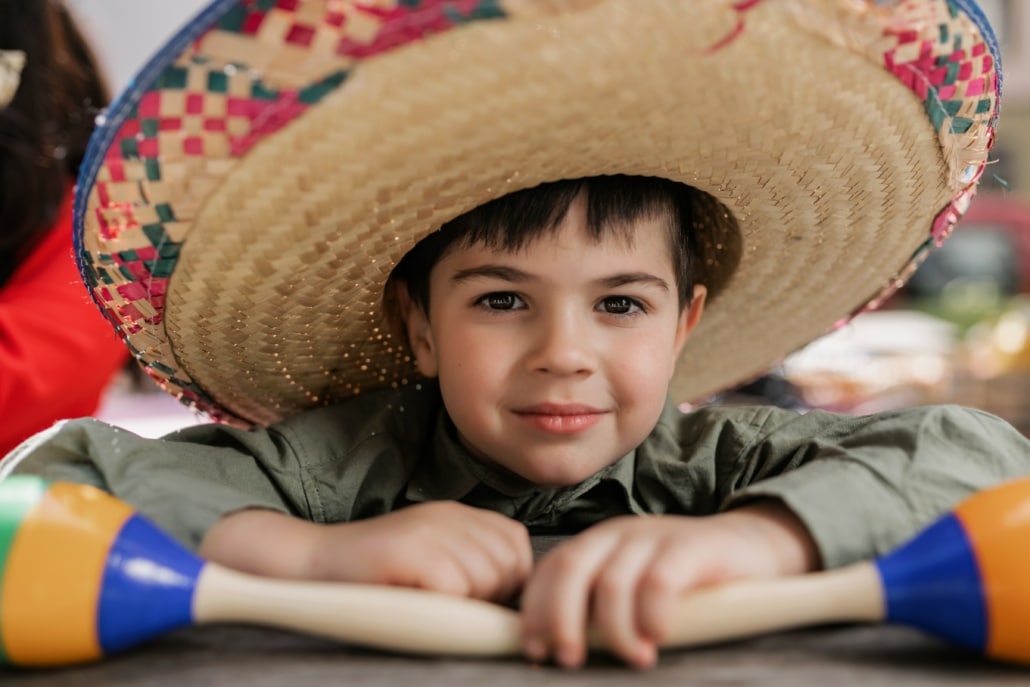
One of the most powerful tools in the tech arsenal for teaching kids is gamification. By turning the story of Cinco de Mayo into an interactive narrative, we ensure high engagement and long-term retention.
Strategy Games and the Battle of May 5th
History is essentially a series of decisions. Gamified learning platforms like Minecraft Education Edition or Roblox (within moderated, educational servers) allow kids to recreate the Battle of Puebla. In these environments, they must manage resources, understand the terrain of the Mexican highlands, and coordinate with peers. This isn’t just “playing”; it’s a simulation of the strategic challenges faced by the Mexican army. By participating in a digital simulation, children grasp the “underdog” nature of the victory—where a smaller, less-equipped force successfully defended their sovereignty against the most powerful military of the time.
Language Learning Apps for Festive Vocabulary
While Cinco de Mayo is a historical event, it is also a gateway to linguistic curiosity. Apps like Duolingo for Schools or Rosetta Stone Kids use gamification—streaks, badges, and leaderboards—to teach kids relevant Spanish vocabulary. Instead of rote memorization, children learn words for “victory” (victoria), “bravery” (valentía), and “freedom” (libertad) within the context of the holiday. This tech-driven approach ensures that the language is learned as a living tool for communication rather than a static list of words.
Digital Safety and Sourcing: Curating Kid-Friendly Cultural Content
As we bring more tech into the discussion of “what is Cinco de Mayo for kids,” we must address the infrastructure of that learning. Not all digital content is created equal, and professional educators prioritize safety and accuracy.
Identifying Credible Educational Platforms
The internet is rife with misinformation regarding Cinco de Mayo. To provide a professional-grade educational experience, parents and teachers should lean on “walled garden” platforms—sites that are vetted for age-appropriateness and factual accuracy. Platforms like BrainPOP or Khan Academy Kids offer curated videos and quizzes that explain the holiday without exposing children to the unfiltered (and often inaccurate) commercialism of the broader web. Utilizing these tools ensures that the “Tech” aspect of learning remains a benefit rather than a distraction.
Using AI to Personalize Cultural Lesson Plans
Generative AI is the newest frontier in EdTech. Teachers can now use AI tools to “level” a text about Cinco de Mayo. For instance, a complex historical document about the French intervention in Mexico can be fed into an AI tool and rewritten at a 3rd-grade reading level in seconds. Furthermore, AI can generate personalized “choose your own adventure” stories for kids, where they play the role of a messenger in 1862. This personalization ensures that the technology meets the child at their specific developmental stage, making the history of Cinco de Mayo accessible to everyone from kindergarteners to middle schoolers.
The Future of Global History in the Modern Classroom
The digital transformation of cultural education is only just beginning. As we look toward the future, the goal is to use technology to foster empathy and deep understanding across borders.
Collaborative Learning Platforms for Cross-Border Classrooms
The “Ultimate” tech experience for a kid learning about Cinco de Mayo is to talk to a peer in Puebla, Mexico. Platforms like Empatico or Skype in the Classroom allow for “Global Buddy” systems. Through high-definition video conferencing, a classroom in New York can connect with a classroom in Mexico. They can share how they are observing the day, exchange digital presentations, and ask each other questions. This use of communication technology strips away the “otherness” of different cultures, turning a historical date into a human connection.

The Synthesis of Tradition and Innovation
Ultimately, explaining “what is Cinco de Mayo for kids” through technology is about synthesis. We are not replacing the story; we are enhancing the delivery. By using VR to see the forts, gamification to understand the strategy, and AI to personalize the narrative, we ensure that the legacy of May 5th—a legacy of courage and independence—is preserved for a new generation. In the professional landscape of EdTech, our goal is to ensure that while the tools change, the truth of the history remains vibrant, accurate, and deeply engaging.
As we move forward, the “Digital Fiesta” will continue to evolve. The kids of today are not just consumers of culture; through technology, they are becoming active participants in a global conversation about history, and that is perhaps the greatest victory of all.
aViewFromTheCave is a participant in the Amazon Services LLC Associates Program, an affiliate advertising program designed to provide a means for sites to earn advertising fees by advertising and linking to Amazon.com. Amazon, the Amazon logo, AmazonSupply, and the AmazonSupply logo are trademarks of Amazon.com, Inc. or its affiliates. As an Amazon Associate we earn affiliate commissions from qualifying purchases.