
In the world of retail marketing, a name is rarely just a label; it is a promise, a positioning statement, and a psychological anchor. Few examples illustrate the power of strategic naming as vividly as the “Chuck Tender Steak.” To the uninitiated, the name suggests a buttery, melt-in-your-mouth experience akin to a Filet Mignon. In reality, the Chuck Tender—derived from the supraspinatus muscle near the shoulder blade—is one of the tougher cuts of the animal.
This discrepancy between the physical product and its linguistic identity provides a masterclass in brand strategy. It demonstrates how organizations can use nomenclature to reposition undervalued assets, influence consumer perception, and navigate the complex intersection of expectation and reality. By deconstructing the brand of the Chuck Tender, we can extract vital lessons for modern marketing, corporate identity, and the art of the rebrand.

The Art of the Rebrand: Why Names Matter
In branding, the “Product” is what you make, but the “Brand” is what the consumer buys. For decades, the meatpacking industry faced a challenge with the chuck primal. While it contained flavorful meat, the anatomy was complex and often perceived as “lesser” than the loin or rib. The Chuck Tender was historically relegated to ground beef or slow-cooking roasts. However, through strategic naming, it was transformed into a “steak.”
Overcoming Negative Perceptions
Every brand carries “baggage”—historical perceptions that can limit growth. For the Chuck Tender, the baggage was its origin. The “chuck” section of a cow is synonymous with toughness and low cost. By appending the word “Tender,” marketers performed a linguistic sleight of hand. They didn’t change the molecular structure of the muscle; they changed the mental framework through which the consumer viewed it.
In corporate branding, this is known as “reframing.” Just as “RadioShack” attempted to pivot to “The Shack” to escape a dated image, or “Burberry” moved from “football hooligan attire” to “high-fashion luxury,” the Chuck Tender uses its name to distance itself from the negative connotations of the “pot roast” category.
The “Mock Tender” vs. “Chuck Tender” Evolution
Before it was widely known as the Chuck Tender, this cut was often called the “Mock Tender.” From a brand strategy perspective, the word “Mock” is a disaster. It implies an imitation, a fake, or something inherently inferior. Branding a product as “Mock” tells the consumer, “This isn’t the real thing.”
The transition to “Chuck Tender” or “Petite Tender” represents a shift from “Defensive Branding” to “Aspirational Branding.” It focuses on what the product is (a specific cut) and what it offers (a resemblance to the tenderloin) rather than what it isn’t. For brand managers, the lesson is clear: never define your brand by its proximity to a competitor; define it by its unique value proposition.
Consumer Psychology and the Power of Suggestion
The success of the Chuck Tender steak relies heavily on the “Halo Effect”—a cognitive bias where our overall impression of a brand influences how we feel and think about its character. Because “Tender” is in the name, consumers are psychologically primed to perceive the meat as more succulent than if it were simply labeled “Shoulder Muscle #4.”
The Linguistic Influence on Perception
Studies in sensory marketing suggest that descriptive labels can actually alter the physical experience of a product. When a consumer sees “Chuck Tender,” their brain prepares for a specific texture. While a name cannot change the physical toughness of a muscle fiber, it can modulate the consumer’s tolerance and focus.
In branding, this is called “Expectancy Theory.” If you brand a software tool as “Intuitive,” users are more likely to persevere through a learning curve because they believe the ease of use is there, waiting to be found. Similarly, the “Chuck Tender” brand name sets a goal for the palate, encouraging the consumer to find the tenderness amidst the chew.
Bridging the Gap Between Expectation and Reality
A significant risk in branding is the “Value Gap”—the distance between what a brand promises and what it delivers. If a Chuck Tender is grilled like a Ribeye, it will be tough, leading to brand dissatisfaction. To mitigate this, the “Chuck Tender” brand must be accompanied by educational marketing.
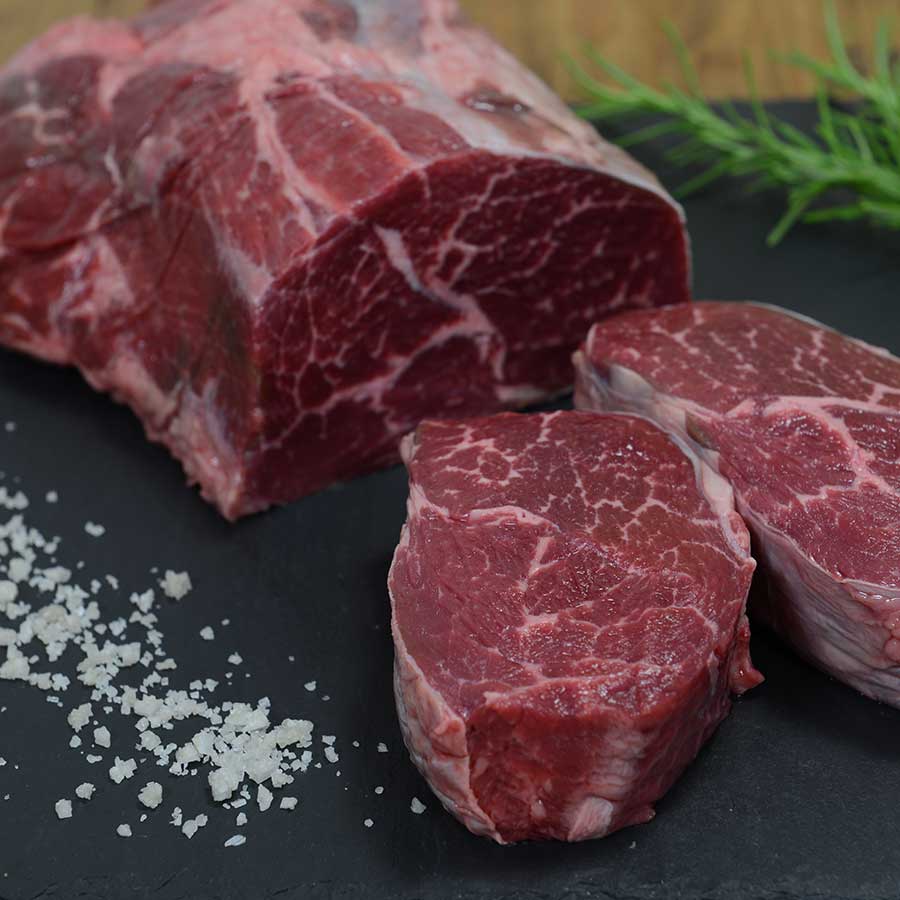
Strategic brands manage expectations by providing the “How-To.” This is why you often see Chuck Tender steaks packaged with instructions for marinating or braising. By guiding the consumer journey, the brand ensures that the product meets the promise of its name. In the corporate world, this equates to “Customer Success” teams that ensure clients use a complex product correctly so they perceive the “Value” promised during the sales cycle.
Market Positioning: Selling Value as Premium
The Chuck Tender occupies a unique niche in the market: the “Value-Premium” segment. It targets a consumer who is price-conscious but unwilling to sacrifice the prestige associated with eating a “steak.” This is a classic brand positioning strategy used by companies like Target (with its “Masstige” designer collaborations) or entry-level luxury car brands.
Identifying the Niche: The Budget-Conscious Gourmet
Not every consumer can afford a Prime Filet Mignon. The Chuck Tender brand creates an “accessible luxury.” It allows the grocery store to sell a cheaper cut at a slightly higher margin than ground beef, and it allows the consumer to feel they are making an “insider” choice.
Effective branding often involves identifying an underserved segment and creating a sub-brand tailored to them. The Chuck Tender doesn’t compete with the Filet; it competes with other mid-tier proteins by borrowing the vocabulary of the elite. This “borrowed equity” is a powerful tool for brands looking to punch above their weight class.
Creating Educational Content as a Brand Pillar
Because the Chuck Tender is a “high-maintenance” brand (meaning it requires specific preparation to be good), its marketing must be rooted in education. We see this in the tech world with products like Notion or Salesforce; they are powerful but require user education to be effective.
The Chuck Tender’s brand identity is strengthened when the “Brand” (the butcher or the grocery chain) acts as an expert advisor. When a brand teaches you something—like how to properly slice a Chuck Tender against the grain—it builds authority and trust. This transforms the transaction from a mere purchase into a relationship.
Lessons for Modern Brand Managers
The story of the Chuck Tender is more than a culinary curiosity; it is a roadmap for brand architecture and strategic communication. It highlights the tension between authenticity and aspiration that every brand must navigate.
Authenticity vs. Aspiration
Is it “dishonest” to call a tough cut “tender”? In branding, there is a fine line between “visionary positioning” and “misleading advertising.” The Chuck Tender stays on the right side of this line by referring to the shape of the muscle (which tapers like a tenderloin) and its potential when handled correctly.
Modern brands must find their “Chuck Tender” balance. You must be aspirational enough to capture attention but authentic enough to maintain trust. If you promise “World-Class Security” but have a data breach every week, your brand will fail. If you call it “Chuck Tender” but it’s impossible to eat, the customer won’t return. The brand name is a debt that the product must eventually pay off.
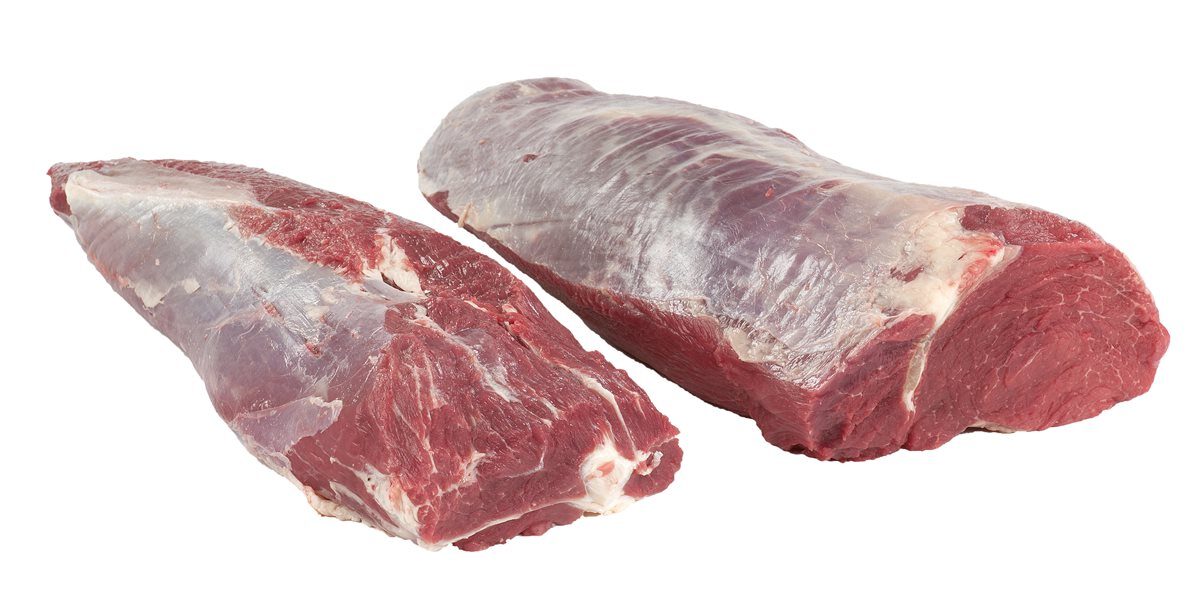
Scaling Through Strategic Identity
The Chuck Tender proves that you can create value without changing the raw materials. By simply re-evaluating the “Brand Identity” of a product, companies can unlock new revenue streams and reach new demographics.
To apply this to your own brand strategy, consider the following:
- Inventory your “Hidden Assets”: What do you currently offer that is undervalued because of its name or category?
- Audit your Nomenclature: Does your product name evoke the benefit or the process? (Hint: The benefit—”Tender”—is usually more powerful than the process—”Chuck.”)
- Manage the User Experience: Are you providing the necessary education to ensure your “value” brand lives up to its “premium” name?
In conclusion, the Chuck Tender steak is a triumph of marketing over anatomy. It serves as a reminder that in a crowded marketplace, the way we label our products determines how they are valued, how they are used, and ultimately, how they are remembered. Whether you are selling software, consulting services, or beef, the lesson remains the same: the right name doesn’t just describe a reality—it creates one.
aViewFromTheCave is a participant in the Amazon Services LLC Associates Program, an affiliate advertising program designed to provide a means for sites to earn advertising fees by advertising and linking to Amazon.com. Amazon, the Amazon logo, AmazonSupply, and the AmazonSupply logo are trademarks of Amazon.com, Inc. or its affiliates. As an Amazon Associate we earn affiliate commissions from qualifying purchases.