
In the architecture of modern business, the “C-suite” represents the apex of professional achievement and financial influence. A C-level job—where the “C” stands for “Chief”—denotes a top-ranking executive responsible for the strategic direction, financial health, and overall performance of an organization. These roles are not merely titles; they are the engines of corporate finance, where decisions involving billions of dollars are made, and where the financial trajectory of a company is determined. From the Chief Executive Officer (CEO) to the Chief Financial Officer (CFO), these positions command the highest salaries in the global market, carry the weight of fiduciary responsibility, and serve as the ultimate arbiters of resource allocation.
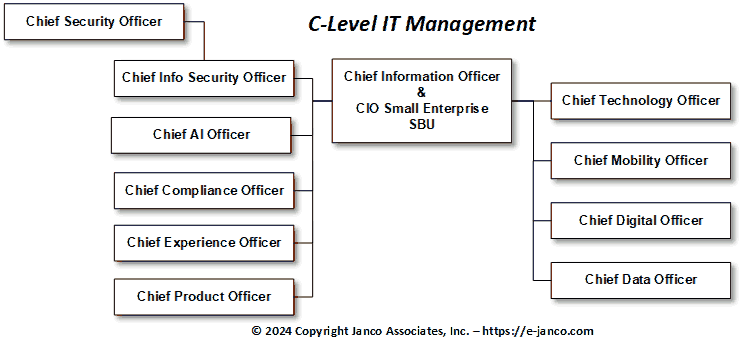
Understanding what a C-level job entails requires looking beyond the prestige and focusing on the complex intersection of leadership, financial stewardship, and long-term value creation. In this exploration, we will dive into the financial mechanics of executive roles, the lucrative compensation structures that define them, and the strategic fiscal impact these leaders have on the global economy.
Defining the C-Suite: The Financial Powerhouse of the Modern Corporation
The C-suite is the core group of individuals who hold the highest level of authority within a company. While their specific titles may vary by industry, their collective focus is the maximization of shareholder value and the maintenance of a healthy balance sheet. For anyone looking at the “Money” aspect of business, the C-suite is where the strategy meets the capital.
The Core Responsibilities of the Chief Financial Officer (CFO)
While the CEO is the face of the company, the CFO is the architect of its financial integrity. A C-level job in finance involves much more than accounting; it is about strategic planning and capital structure. The CFO manages the company’s financial risks, oversees data analysis to drive investment decisions, and ensures that the organization remains solvent and profitable. In the modern era, the CFO is a primary advisor on mergers and acquisitions (M&A), playing a pivotal role in deciding which companies to buy and which assets to divest to increase the company’s net worth.
Fiduciary Duty and Shareholder Value
Every C-level executive carries a fiduciary duty—a legal and ethical obligation to act in the best interest of the company’s stakeholders. This is a critical component of the “Money” niche because it involves the management of institutional and private wealth. C-level leaders are held accountable by a Board of Directors to ensure that every dollar spent generates a return on investment (ROI). Their performance is often measured by the company’s stock price, dividend yields, and quarterly earnings reports, making their daily tasks a high-stakes exercise in financial management.
The Chief Operating Officer (COO) and Efficiency ROI
The COO’s role is often described as “making the money work.” By overseeing the daily operations, the COO focuses on operational efficiency. In the context of business finance, this means reducing the cost of goods sold (COGS), optimizing supply chains to free up cash flow, and ensuring that the operational infrastructure can scale without proportional increases in overhead. For a COO, success is measured by the margin—how much of the revenue is converted into actual profit.
Executive Compensation: Understanding the Financial Rewards of C-Level Roles
One of the most compelling aspects of C-level jobs is the compensation. These roles represent the highest earning potential in the corporate world, but the structure of their “paycheck” is far more complex than a standard salary. It is a sophisticated financial package designed to align the executive’s personal wealth with the company’s performance.
Base Salary vs. Equity and Stock Options
A common misconception is that C-level executives earn their millions through a monthly salary. In reality, the base salary is often just a small fraction of their total compensation. The majority of C-level “Money” comes from equity—stock options and Restricted Stock Units (RSUs). This structure ensures that if the executive makes decisions that increase the company’s market capitalization, their personal net worth increases alongside it. This alignment of interests is fundamental to corporate finance, as it incentivizes leaders to take calculated risks that drive long-term growth.
Performance-Based Bonuses and Deferred Compensation
Beyond equity, C-level jobs often include significant performance-based bonuses. These are tied to specific Key Performance Indicators (KPIs), such as reaching a certain revenue milestone or successfully navigating an Initial Public Offering (IPO). Additionally, many executives utilize deferred compensation plans, which allow them to set aside a portion of their earnings to be paid out at a later date, often for tax optimization purposes. This level of financial planning is a hallmark of the executive experience, treating one’s career earnings as a diversified investment portfolio.
Golden Parachutes and Sign-On Incentives
The financial stakes of hiring a C-level executive are so high that companies often offer “Golden Parachutes”—significant severance packages that protect the executive in the event of a merger or termination. Similarly, to lure top talent from competitors, companies offer massive sign-on bonuses. These financial instruments are part of the broader negotiation in high-level business finance, where the “cost” of leadership is weighed against the potential for massive corporate gains.
The Path to the Top: Investing in Your Professional Capital

Reaching a C-level position is not an accidental occurrence; it is the result of a long-term investment in professional capital. Much like a financial portfolio, a career path toward the C-suite requires a strategic allocation of time, education, and networking.
Academic and Financial Prerequisites
The journey often begins with a significant financial investment in education. Many C-level executives hold MBAs from elite institutions, where the cost of tuition is viewed as “capital expenditure” for their future earning potential. The specialized knowledge gained in corporate finance, macroeconomics, and strategic management provides the foundation necessary to manage a company’s fiscal health. This educational background is essential for understanding the complex financial instruments that C-suite leaders interact with daily.
Networking as a Financial Asset
In the world of high-level business, who you know is often as valuable as what you know. C-level executives spend years building a network of “high-net-worth” individuals, industry peers, and venture capitalists. This network acts as a financial asset, providing access to capital, partnership opportunities, and market intelligence that isn’t available to the general public. For those in C-level roles, maintaining these professional relationships is a form of risk management and opportunity sourcing.
The Role of Executive Coaching and Mentorship
Many aspiring C-level leaders invest in executive coaching, which can cost tens of thousands of dollars per year. This is a targeted investment in “soft skills” that have a hard financial impact. Learning how to negotiate multi-million dollar deals, manage a diverse board of directors, and lead through a financial crisis are skills that directly correlate to the longevity and profitability of an executive’s career.
The Economic Impact of C-Level Decision-Making
The decisions made by C-level executives do not just affect their own bank accounts; they have a profound impact on the global economy and the financial stability of thousands of employees and investors.
Strategic Resource Allocation and Capital Expenditure
A C-level job is, at its heart, about deciding where the money goes. Whether it’s a CEO deciding to pivot the company toward a new market or a CFO approving a billion-dollar factory expansion, these decisions involve “Capital Expenditure” (CapEx). Effective resource allocation ensures that the company stays ahead of the competition and continues to provide a return to its investors. Mismanagement of these funds can lead to bankruptcy, highlighting the immense responsibility that comes with the title.
Risk Management and Financial Stability
C-level leaders are the ultimate risk managers. They must balance the pursuit of profit with the necessity of financial stability. This involves hedging against currency fluctuations, navigating changing tax laws, and ensuring the company has enough liquidity to weather economic downturns. In the “Money” niche, the ability of a C-suite to maintain a strong credit rating for their company is a testament to their skill in fiscal management.
Mergers, Acquisitions, and Exit Strategies
Perhaps the most visible financial impact of a C-level role is in the realm of M&A. Executives are responsible for identifying undervalued companies to acquire or preparing their own company for a lucrative exit. These transactions involve complex valuations, debt financing, and the integration of financial systems. A successful acquisition can skyrocket a company’s value, while a poor one can lead to massive write-offs.
Future Trends in Executive Finance and Leadership
As the financial landscape evolves, so too do the roles within the C-suite. The emergence of new economic priorities is giving rise to specialized C-level positions that focus on niche areas of business finance.
The Rise of the Chief Sustainability Officer (CSO) and ESG Financials
Environmental, Social, and Governance (ESG) criteria are becoming central to investment strategies. The Chief Sustainability Officer is now a common C-level role, tasked with ensuring that the company’s “Green” initiatives also translate into “Green” profit. Investors are increasingly funneling money into companies with high ESG scores, making the CSO a vital player in securing institutional investment and managing the financial risks associated with climate change and social shifts.
Fractional C-Level Roles and the Gig Economy for Executives
A new trend in the “Money” and “Online Income” space is the rise of the “Fractional C-Level” executive. Small-to-medium enterprises (SMEs) that cannot afford a full-time $500k-a-year CFO or CMO are hiring executives on a contract basis. This allows seasoned professionals to manage several companies at once, diversifying their income streams and providing high-level financial strategy to businesses that are in their growth phase. It represents a democratization of the C-suite expertise, allowing more businesses to access top-tier financial guidance.

Digital Assets and the Crypto-Literate C-Suite
As digital currencies and blockchain technology continue to disrupt traditional finance, we are seeing a demand for C-level leaders who understand the financial implications of crypto-assets. From the Chief Technology Officer (CTO) managing digital wallets to the CFO deciding whether to hold Bitcoin on the corporate balance sheet, the intersection of C-level leadership and fintech is the new frontier of corporate money management.
In conclusion, a C-level job is the ultimate destination for those focused on the intersection of leadership and high-stakes finance. It is a world defined by massive responsibility, complex compensation, and the power to shape the economic future of industries. Whether managing a global conglomerate’s treasury or navigating the financial path to an IPO, C-level executives are the definitive masters of the “Money” niche in the corporate world.
aViewFromTheCave is a participant in the Amazon Services LLC Associates Program, an affiliate advertising program designed to provide a means for sites to earn advertising fees by advertising and linking to Amazon.com. Amazon, the Amazon logo, AmazonSupply, and the AmazonSupply logo are trademarks of Amazon.com, Inc. or its affiliates. As an Amazon Associate we earn affiliate commissions from qualifying purchases.