
In the contemporary marketplace, a brand is no longer defined solely by the products it sells or the services it renders. Instead, a brand is a living entity, a collection of values, and a participant in the broader cultural discourse. As diversity, equity, and inclusion (DEI) move from the periphery of human resources to the center of brand strategy, companies are facing a new imperative: understanding the nuances of representation. One of the most overlooked yet critical areas within this shift is the concept of biphobia—not just as a social prejudice, but as a systemic failure in branding, marketing, and corporate communication.
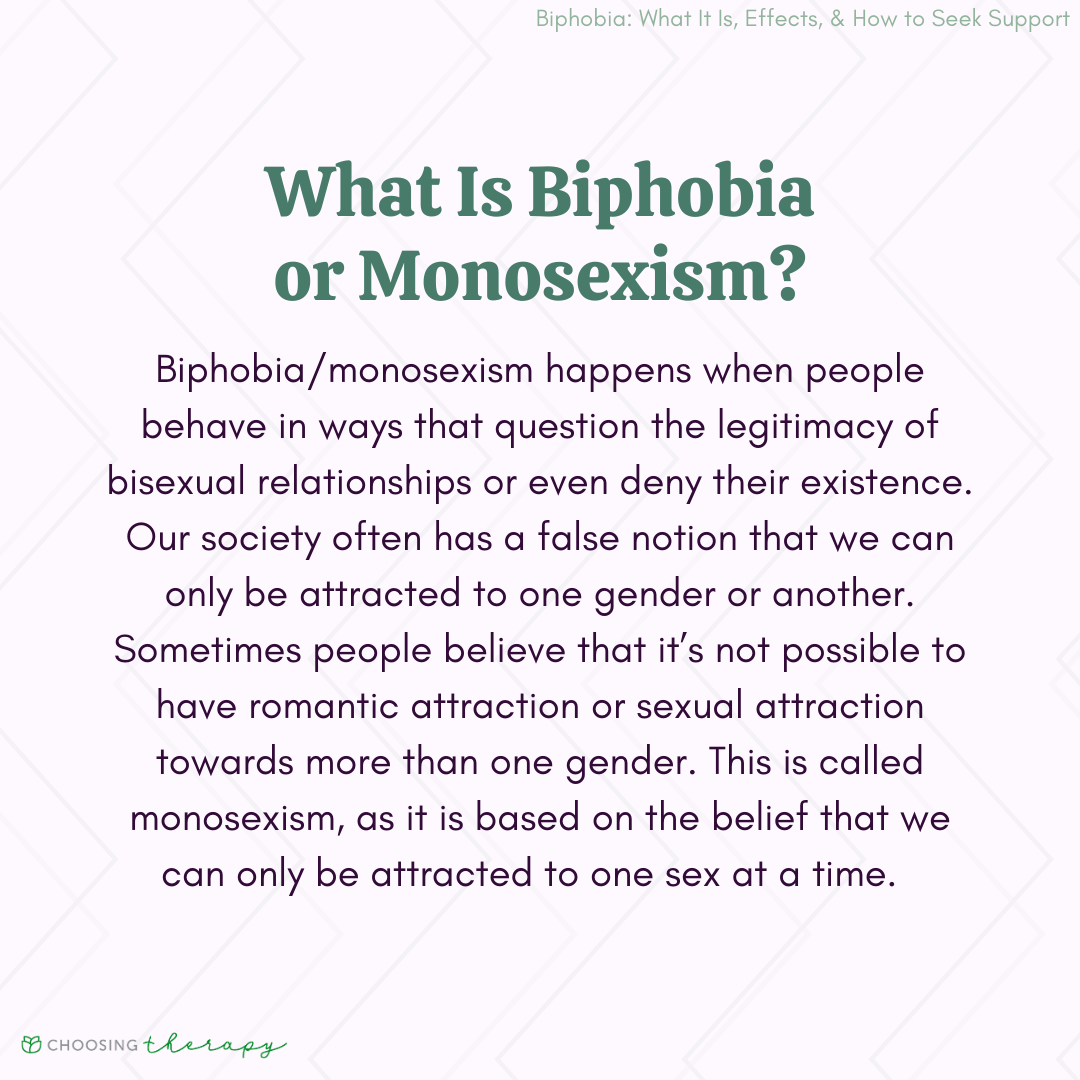
Biphobia, in a branding context, refers to the conscious or subconscious exclusion, erasure, or stereotyping of bisexual individuals within a brand’s narrative. While many corporations have embraced “Pride” marketing, they often fall into the trap of a binary representation—portraying only monosexual (gay or straight) identities. This results in “bi-erasure,” a form of biphobia that signals to a massive segment of the global population that their identity is either invisible or invalid. For a modern brand, failing to address biphobia is not just an ethical oversight; it is a strategic blunder that alienates the fastest-growing demographic of the LGBTQ+ consumer market.
Understanding the “Bi-Erasure” Trap in Marketing Strategy
To build a truly inclusive brand, one must first recognize the mechanics of bi-erasure. In marketing strategy, this often manifests as a “binary bias,” where creative teams default to depicting same-sex couples or opposite-sex couples without ever acknowledging the fluidity of the bisexual experience. This exclusion creates a vacuum where bisexual consumers feel unrepresented, even when a brand claims to be “inclusive.”
The Difference Between Performative Allyship and Genuine Inclusion
Performative allyship occurs when a brand adopts the symbols of a movement—such as the rainbow flag—without doing the structural work to understand the community it claims to support. In the context of biphobia, this is seen when brands launch “Pride collections” that focus strictly on the “G” and “L” of the acronym, while ignoring the “B.” Genuine inclusion, by contrast, requires a brand to integrate bisexual perspectives into its year-round messaging. It involves recognizing that the bisexual community has distinct challenges, such as higher rates of mental health struggles and lower levels of “coming out” in the workplace due to fear of judgment from both straight and gay peers. A brand that understands this can position itself as a safe, authentic haven for these consumers.
Identifying Stereotypes in Visual Identity
Biphobia often creeps into branding through lazy visual shorthand. Common stereotypes include portraying bisexual individuals as “confused,” “hypersexualized,” or “transitory.” When a brand’s visual identity relies on these tropes, it reinforces harmful narratives. For example, a marketing campaign might show a character “choosing” between a man and a woman as a plot point, rather than depicting bisexuality as a stable, valid identity. Overcoming this requires a sophisticated design approach that focuses on authentic storytelling and avoids the “vague-queer” aesthetics that lack real substance.
The Economic and Brand Reputation Risks of Biphobic Narratives
Ignoring biphobia is not a neutral stance; it carries significant economic and reputational risks. As Gen Z enters the workforce and gains purchasing power, the stakes have never been higher. Statistics consistently show that Gen Z is the most queer-identified generation in history, with a significant majority of LGBTQ+ Gen Zers identifying specifically as bisexual. If your brand strategy ignores this reality, you are effectively turning your back on the future of the global economy.
Alienating a High-Value Consumer Segment
The “Pink Pound” or “Rainbow Dollar” is often discussed in marketing circles, but it is frequently miscalculated because it fails to account for the specific spending habits of the bisexual community. Bisexual individuals make up the largest portion of the LGBTQ+ community, yet they receive a fraction of the targeted marketing spend. By failing to address biphobia, brands miss out on cultivating loyalty with a demographic that is looking for brands that “see” them. When a brand demonstrates an understanding of bisexual identity, it doesn’t just gain a customer; it gains a brand advocate in a demographic that is highly active on social media and vocal about its preferences.
Crisis Management: Lessons from Brand Missteps

In the age of social media, a “tone-deaf” campaign can go viral for all the wrong reasons within minutes. Brands that have released biphobic content—whether through a poorly worded tweet or an exclusionary advertisement—often find themselves in a public relations crisis. The fallout is not just a temporary dip in engagement; it is a long-term erosion of trust. Once a brand is labeled as exclusionary or biphobic, it is incredibly difficult to win back that segment of the market. Proactive brand strategy involves rigorous “sensitivity audits” of all content to ensure that biphobic undertones are eliminated before the campaign goes live.
Building a “Bi-Positive” Brand: Strategies for Authenticity
Transitioning from a neutral or accidentally biphobic brand to a “bi-positive” one requires a deliberate shift in brand strategy. It is about more than just changing a logo; it is about changing the brand’s DNA to be more inclusive, empathetic, and representative.
Moving Beyond the “Rainbow Washing” Checklist
The term “rainbow washing” refers to the practice of companies using LGBTQ+ imagery during Pride Month to distract from a lack of internal diversity or meaningful support. To avoid this, a brand must ensure its commitment to the bisexual community is reflected in its internal policies. Does the company offer domestic partner benefits? Does it have a clear policy against discrimination based on sexual orientation? A brand’s external message must be a reflection of its internal culture. If your branding says “we love everyone” but your corporate culture is biphobic, the market will eventually sniff out the hypocrisy.
Leveraging Data and Community Feedback for Better Representation
One of the most effective ways to combat biphobia in branding is to move away from assumptions and toward data-driven insights. This means engaging in market research specifically focused on the bisexual community. What are their pain points? What kind of representation do they want to see? By involving bisexual creators, consultants, and focus groups in the creative process, a brand can ensure its messaging is accurate and resonant. This collaborative approach turns the “target audience” into partners, leading to campaigns that feel organic rather than forced.
Future-Proofing Your Brand Through Intersectionality
The future of branding is intersectional. Biphobia does not exist in a vacuum; it often intersects with racism, sexism, and ableism. A brand that aims to be relevant in 2024 and beyond must understand how these different identities overlap. A “bi-positive” brand strategy that only features white, cisgender, able-bodied individuals is still failing at the goal of true inclusion.
Integrating DEI into the Core Brand DNA
True inclusivity is not a “plugin” that you add to a marketing campaign; it is a core value that should influence every decision, from product development to customer service. When DEI is baked into the brand DNA, avoiding biphobia becomes second nature. It shifts the perspective from “How can we include bisexual people in this ad?” to “How does our brand serve the diverse reality of our customers’ lives?” This fundamental shift creates a more resilient and adaptable brand identity that can weather cultural shifts and evolving social norms.
Measuring the Impact of Inclusive Branding on Customer Loyalty
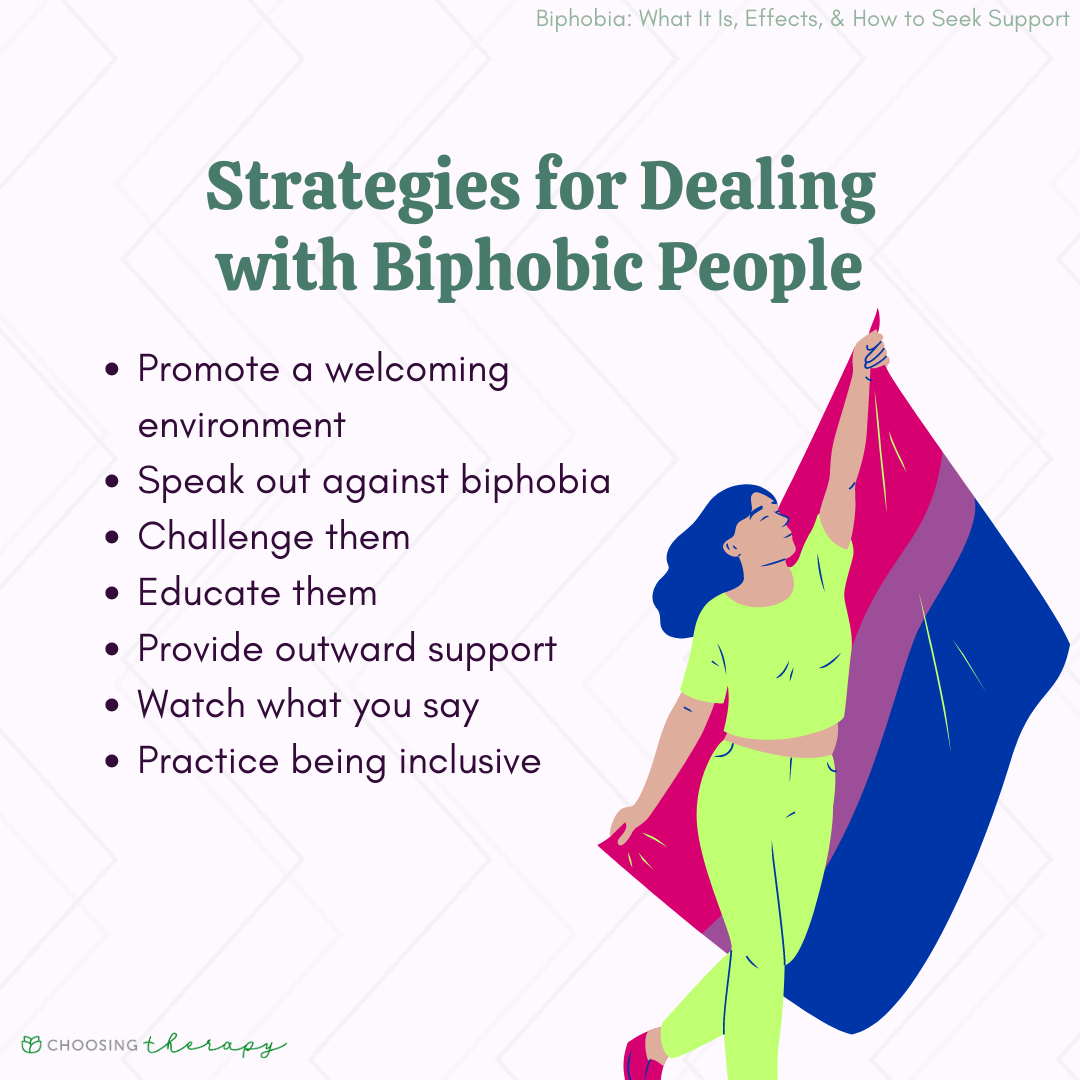
Finally, brands must learn to measure the success of their inclusivity efforts. This goes beyond looking at sales figures. It involves tracking Brand Sentiment Analysis (BSA), Net Promoter Scores (NPS) among diverse demographics, and long-term customer retention rates. Brands that successfully navigate the complexities of bi-inclusion often see a “halo effect,” where their perceived ethical standing increases their appeal even among straight consumers. In a world where “conscious consumerism” is on the rise, being a leader in the fight against biphobia is a powerful way to differentiate your brand in a crowded marketplace.
In conclusion, biphobia in branding is a relic of an era that relied on simplified binaries and exclusionary narratives. As the global market becomes more diverse and socially conscious, the brands that thrive will be those that embrace complexity and authenticity. By understanding what biphobia is and actively working to dismantle it within their marketing, strategy, and corporate identity, companies can build deeper, more meaningful connections with their audience—ensuring not just social progress, but long-term brand equity and financial success.
aViewFromTheCave is a participant in the Amazon Services LLC Associates Program, an affiliate advertising program designed to provide a means for sites to earn advertising fees by advertising and linking to Amazon.com. Amazon, the Amazon logo, AmazonSupply, and the AmazonSupply logo are trademarks of Amazon.com, Inc. or its affiliates. As an Amazon Associate we earn affiliate commissions from qualifying purchases.