
In the contemporary landscape of scientific innovation, biomedical science stands as the bridge between biological theory and clinical application. While historically viewed through the lens of traditional biology, modern biomedical science has evolved into a powerhouse of high-tech integration. It is no longer just about microscopes and Petri dishes; it is a field defined by high-performance computing, artificial intelligence, genetic engineering, and sophisticated digital frameworks. At its core, biomedical science is the rigorous study of the human body’s functions, diseases, and treatments, powered by the most advanced technology humanity has ever developed.
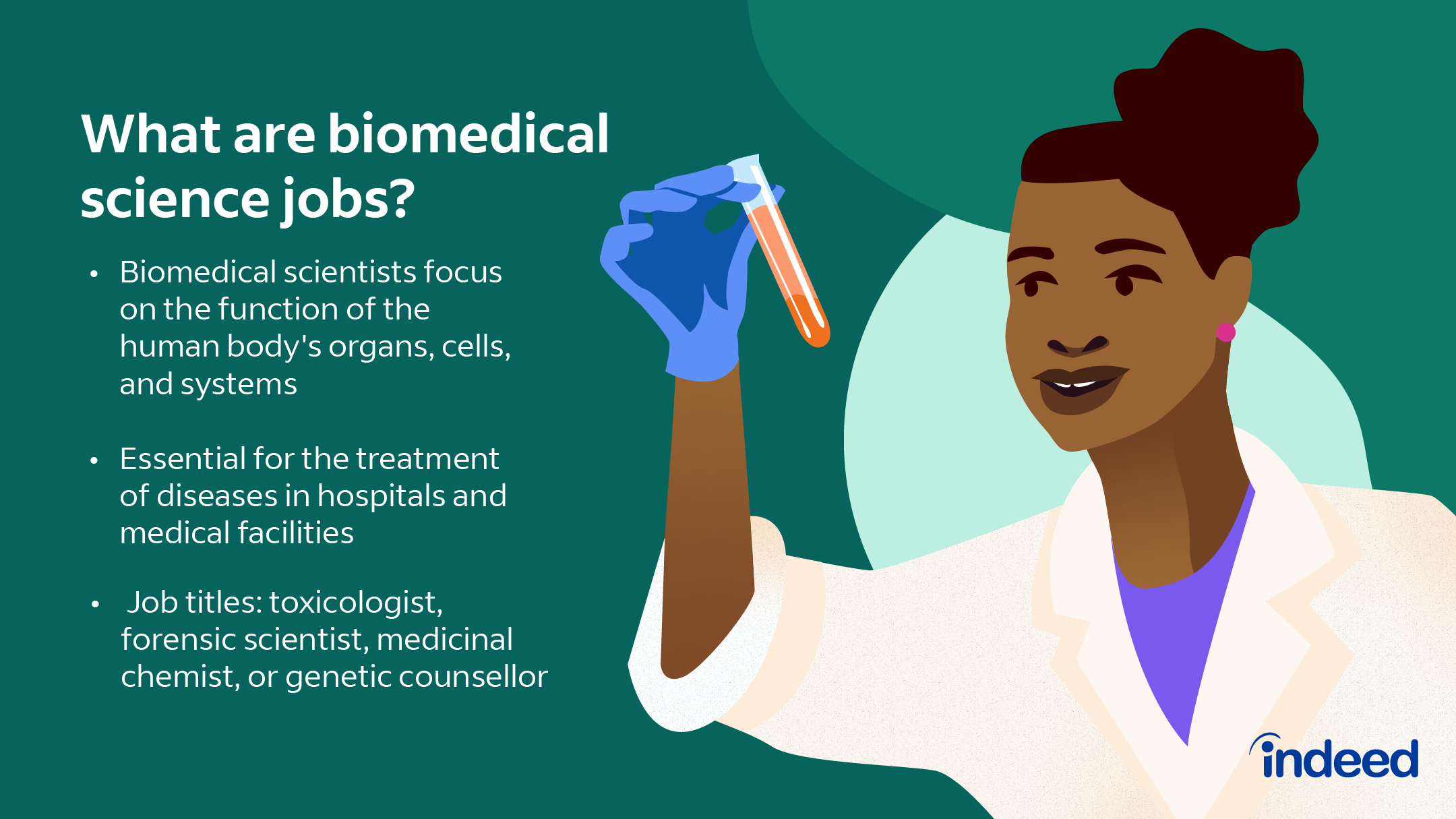
By leveraging technological breakthroughs, biomedical scientists can now decode the human genome in hours, simulate drug interactions in virtual environments, and engineer tissues at the molecular level. This article explores the technological architecture of biomedical science, focusing on how digital tools and engineering trends are reshaping the future of human health.
The Digital Core: Bioinformatics and the Big Data Revolution
At the heart of modern biomedical science lies bioinformatics—the application of computer science and statistics to biological data. As we moved from the 20th-century focus on cellular observation to the 21st-century focus on data, the field became a “big data” industry.
The Role of High-Throughput Sequencing
The most significant technological leap in biomedical science has been the advancement of Next-Generation Sequencing (NGS). This technology allows for the rapid sequencing of DNA and RNA. From a tech perspective, this is a massive data processing task. A single human genome generates roughly 200 gigabytes of raw data. Biomedical scientists use specialized software pipelines to align these sequences, identify mutations, and compare them against massive global databases. Without advanced cloud computing and storage solutions, the genomic revolution would be impossible.
Computational Modeling and Systems Biology
Biomedical science utilizes complex algorithms to model biological systems. Systems biology uses mathematical models to simulate how different components of a biological system (like genes, proteins, and metabolites) interact. Using programming languages like Python and R, researchers build simulations that can predict how a specific pathogen might spread through a cellular network or how a metabolic pathway might react to a new chemical compound. This “in silico” (on the computer) testing reduces the need for “in vivo” (animal) or “in vitro” (test tube) testing in the early stages of research.
Artificial Intelligence and Machine Learning in Diagnostics and Discovery
The integration of Artificial Intelligence (AI) and Machine Learning (ML) has transformed biomedical science from a reactive field into a predictive one. AI tools are now capable of identifying patterns that are invisible to the human eye, accelerating both the speed and accuracy of medical research.
AI-Driven Drug Discovery
Traditionally, bringing a new drug to market took over a decade and cost billions of dollars. AI is disrupting this timeline. Machine learning models can scan libraries of millions of molecular structures to predict which ones will effectively bind to a target protein associated with a disease. For example, Google’s AlphaFold, an AI system, solved the “protein folding problem”—a 50-year-old challenge in biology—by predicting the 3D structures of proteins with incredible accuracy. This technological breakthrough allows biomedical scientists to design targeted therapies with surgical precision.
Predictive Diagnostics and Computer Vision
In the realm of pathology and radiology, computer vision (a subset of AI) is becoming a standard tool. Biomedical technology now includes software that can analyze medical images—such as MRIs, CT scans, and biopsy slides—to detect early signs of cancer or neurological decay. These AI tools are trained on millions of labeled images, allowing them to achieve a level of diagnostic accuracy that rivals or exceeds that of experienced clinicians. By automating the “search” phase of diagnostics, scientists can focus on the “solution” phase.
Personalized Medicine and Precision Health
Tech-driven biomedical science is moving us away from “one-size-fits-all” medicine toward personalized healthcare. By using machine learning to integrate a patient’s genetic profile with their lifestyle data and environmental factors, scientists can predict which treatments will be most effective for that specific individual. This is the ultimate realization of digital health: the transition from treating symptoms to optimizing the unique biological code of every patient.
Engineering Life: The Software of Synthetic Biology

One of the most exciting niches within biomedical science is synthetic biology, where scientists view DNA not just as a biological blueprint, but as a biological code that can be programmed.
CRISPR and the Logic of Gene Editing
CRISPR-Cas9 technology is often described as a pair of “molecular scissors,” but in the tech world, it is more accurately described as a “search and replace” function for DNA. This technology allows biomedical scientists to target specific sequences of the genome and edit them. The technological trend here is the move toward “programmable” medicine. We are developing the ability to write code (DNA) that instructs cells to behave in specific ways—such as teaching immune cells to recognize and destroy tumor cells (CAR-T cell therapy).
Bioprinting and Tissue Engineering
The convergence of 3D printing and biomedical science has led to the development of bioprinting. This involves using “bio-inks”—materials containing living cells—to print tissue structures layer by layer. The software used in bioprinting must account for the complex fluid dynamics of living cells and the structural requirements of biological scaffolds. In the near future, this technology aims to print functional organs, such as kidneys or heart patches, directly from a patient’s own cells, eliminating the risk of transplant rejection.
The Internet of Medical Things (IoMT) and Bio-Sensors
Biomedical science is increasingly moving out of the lab and into the pockets and onto the wrists of patients. The Internet of Medical Things (IoMT) represents the fusion of biomedical science with IoT (Internet of Things) technology.
Wearable Tech and Real-Time Monitoring
From smartwatches that monitor heart rhythms to continuous glucose monitors (CGMs) that sync with smartphones, bio-sensors are providing a constant stream of physiological data. Biomedical scientists use this data to conduct “decentralized” clinical trials. Instead of a patient visiting a clinic once a month, scientists can monitor their biological response to a treatment 24/7 in real-time. This provides a high-resolution view of human health that was previously unattainable.
Nanotechnology and Targeted Delivery
At the microscopic level, nanotechnology is being used to create “smart” drug delivery systems. These are essentially nano-scale machines designed to navigate the human body. These devices can be programmed to release their payload only when they encounter a specific biological trigger, such as the acidic environment of a tumor. This reduces the side effects of medications by ensuring the “tech” only activates exactly where it is needed.
Digital Security, Ethics, and the Future of Bio-Data
As biomedical science becomes increasingly digital, it faces the same challenges as the broader tech industry: data security, privacy, and ethical implementation.
Protecting Genomic Privacy
Biological data is the most personal data an individual possesses. As we sequence more genomes, the risk of “genetic hacking” or unauthorized access to biological blueprints becomes a major concern. Biomedical science now incorporates advanced cybersecurity measures, including end-to-end encryption and decentralized data storage, to protect sensitive health information. Digital security is no longer an afterthought; it is a fundamental component of biomedical research infrastructure.
Blockchain in Biomedical Research
Blockchain technology is finding a unique niche in biomedical science by ensuring the integrity of clinical trial data. By using a decentralized ledger, researchers can prove that their data has not been tampered with or cherry-picked. This transparency is crucial for regulatory approval and public trust. Furthermore, blockchain allows patients to retain ownership of their biological data, granting or revoking access to researchers via smart contracts.
The Ethical Algorithm
As we automate more of the biomedical process, the “ethics of the algorithm” becomes paramount. Scientists must ensure that the AI tools used in biomedical research are free from bias—ensuring that diagnostic tools work equally well for all ethnicities and genders. The technological trend is toward “Explainable AI” (XAI), where the decisions made by a biomedical algorithm can be understood and audited by human scientists.
Conclusion
Biomedical science is the ultimate fusion of the biological and the digital. It is a field where software engineers, data scientists, and biologists work side-by-side to solve the most complex puzzles of human existence. By embracing technology trends—from the massive scale of bioinformatics to the precision of CRISPR and the intelligence of AI—biomedical science is not just observing life; it is learning to optimize it. As we look toward the future, the boundary between “tech” and “bio” will continue to blur, ushering in an era of unprecedented health, longevity, and scientific understanding.
aViewFromTheCave is a participant in the Amazon Services LLC Associates Program, an affiliate advertising program designed to provide a means for sites to earn advertising fees by advertising and linking to Amazon.com. Amazon, the Amazon logo, AmazonSupply, and the AmazonSupply logo are trademarks of Amazon.com, Inc. or its affiliates. As an Amazon Associate we earn affiliate commissions from qualifying purchases.