
The global energy landscape is undergoing a radical transformation, driven by the urgent need for decarbonization and the evolution of “Clean-Tech.” At the forefront of this shift is biodiesel, a renewable, biodegradable fuel that serves as a direct technological alternative to petroleum-based diesel. To understand what biodiesel is made of is to explore a sophisticated intersection of organic chemistry, agricultural technology, and mechanical engineering.
Unlike fossil fuels, which are extracted from ancient carbon deposits, biodiesel is a contemporary tech product derived from lipid-rich biomass. Through a process known as transesterification, complex fats are converted into a high-performing fuel compatible with modern internal combustion engines. This article explores the technical composition of biodiesel, the advanced feedstocks fueling its production, and the engineering standards that ensure its viability in a high-tech world.

The Chemical Architecture: Understanding Transesterification
To understand the “what” of biodiesel, we must first look at the “how.” Biodiesel is not merely “vegetable oil in a fuel tank.” Raw oils are too viscous for modern high-pressure common rail (HPCR) injection systems. Therefore, biodiesel is technically defined as Mono-alkyl esters of long-chain fatty acids.
The Transesterification Process
The core technology behind biodiesel production is transesterification. In this chemical reaction, a glyceride (fat or oil) reacts with an alcohol (typically methanol) in the presence of a catalyst (usually sodium or potassium hydroxide). The process breaks the molecular bonds of the triglyceride, stripping away the glycerin backbone and leaving behind three individual fatty acid methyl ester (FAME) molecules. This technical refinement reduces the viscosity of the oil to match that of petroleum diesel, ensuring it can atomize correctly within an engine’s combustion chamber.
The Role of Catalysts and Methanol
The efficiency of biodiesel production relies heavily on the precision of the chemical catalysts used. Modern “Tech” in this space is moving toward heterogeneous catalysts and enzymatic processes. These advanced methods allow for a cleaner separation of fuel from the byproduct, glycerin, and reduce the water-intensive washing steps traditionally required in chemical refining.
Glycerin: The Tech Byproduct
A significant aspect of biodiesel tech is the management of its primary byproduct: crude glycerin. While once considered waste, refined glycerin is now a valuable component in the pharmaceutical, cosmetic, and even plastics industries. The ability to refine this byproduct is a key metric in the technical efficiency of a biodiesel production facility.
Feedstock Evolution: From Edible Oils to Waste Tech
The question of what biodiesel is made of is increasingly answered by the diversity of its feedstocks. The industry has evolved through “generations” of technology, each aiming to reduce the carbon footprint and avoid competition with food supplies.
First-Generation: Agricultural Tech and Vegetable Oils
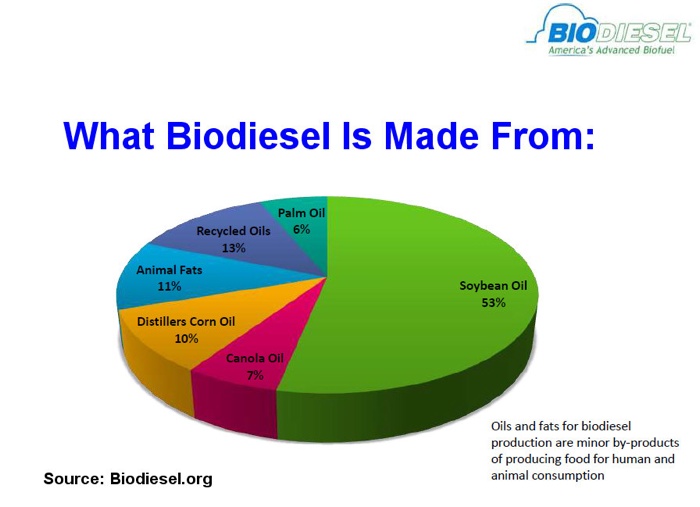
Historically, biodiesel was primarily made from virgin vegetable oils. In the United States, soybean oil dominates the market, while in Europe, rapeseed (canola) oil is the primary source. These oils are refined using standard agricultural processing tech, providing a highly consistent and predictable fuel. However, the tech trend is shifting toward more sustainable, non-food sources.
Second-Generation: Waste Grease and Animal Fats
The most significant technological leap in recent years has been the ability to process “Yellow Grease” (used cooking oil) and “Brown Grease” (trap grease). These materials are chemically complex and often contain high levels of Free Fatty Acids (FFAs). Advanced pretreatment tech, such as acid esterification, is required to neutralize these FFAs before they can undergo the standard transesterification process. Similarly, tallow (animal fat) provides a high-energy feedstock that requires sophisticated heating and filtration tech to remain viable for fuel use.
Third-Generation: Algae and Synthetic Biology
The “frontier tech” of biodiesel lies in Algal Biofuels. Algae can produce up to 30 times more oil per acre than land-based crops. The technology involves bioreactors where specific strains of algae are engineered to maximize lipid production. While still scaling toward commercial viability, algae represent the pinnacle of biotechnological innovation in the biofuel sector, potentially offering a carbon-neutral fuel source that doesn’t require arable land.
Engineering Standards and Quality Control
Biodiesel is a highly regulated technical product. Because it must interface with precision-engineered automotive hardware, its composition must meet rigorous international standards, most notably ASTM D6751 in the United States and EN 14214 in Europe.
The ASTM D6751 Standard
This technical specification defines the required properties of pure biodiesel (B100) before it is blended with conventional diesel. It tracks variables such as:
- Flash Point: Ensuring the fuel is safe to handle and store.
- Cetane Number: A measure of the fuel’s ignition delay; biodiesel typically boasts a higher cetane number than petroleum diesel, leading to smoother combustion.
- Cloud Point: The temperature at which wax crystals begin to form. This is a critical technical metric for cold-weather performance.
Oxidative Stability Tech
One of the technical challenges of bio-based fuels is their tendency to oxidize over time. To solve this, chemical engineers integrate antioxidants into the fuel’s “recipe.” Advanced additives ensure that the fuel remains stable during long-term storage, preventing the formation of gums and sediments that could clog fuel filters or injectors.
Sulfur Reduction Technology
One of the greatest technical advantages of biodiesel is its inherent lack of sulfur. While petroleum diesel must undergo expensive hydro-treating to meet “Ultra-Low Sulfur Diesel” (ULSD) standards, biodiesel is naturally sulfur-free. This simplifies the exhaust after-treatment tech in modern trucks, such as Diesel Particulate Filters (DPF) and Selective Catalytic Reduction (SCR) systems, by reducing the particulate load.
Integration with Modern Engine Systems
As engine technology evolves, so does the science of biodiesel blending. Most modern diesel engines are designed to run on B5 (5% biodiesel) or B20 (20% biodiesel) without any mechanical modifications, but the tech integration goes deeper than just the fuel tank.
Lubricity and Engine Longevity
Modern engines use high-pressure fuel pumps that rely on the fuel itself for lubrication. The refining process for petroleum-based ULSD often strips away natural lubricants. Biodiesel, even in low blends like B2, serves as a high-tech lubricity enhancer. The chemical structure of the fatty acid esters provides a protective layer on metal surfaces, significantly extending the lifespan of fuel injectors and pumps.
Software Calibration and Electronic Control Units (ECUs)
In high-performance or heavy-duty applications, the engine’s ECU may be calibrated to recognize the oxygenated nature of biodiesel. Because biodiesel contains roughly 11% oxygen by weight, it promotes more complete combustion. Advanced engine sensors monitor exhaust gas temperatures and oxygen levels in real-time, adjusting fuel injection timing to optimize the performance of the bio-blend.
Cold Weather Engineering
A common technical hurdle for biodiesel is its performance in sub-zero temperatures. Because it is made from organic fats, it has a higher “gel point” than fossil diesel. To mitigate this, engineers utilize two primary technologies:
- Cold Flow Improvers (CFIs): Chemical polymers that prevent wax crystals from interlocking.
- Winter Blending: Utilizing sophisticated sensors at fuel terminals to adjust the blend ratio (e.g., switching from B20 to B5) based on localized weather telemetry.
The Future: Digitalization, AI, and IoT in Biodiesel Production
The next phase of biodiesel technology isn’t just about the fuel—it’s about the data. The “Industry 4.0” movement is transforming how biodiesel is manufactured and distributed.
AI-Driven Yield Optimization
Modern biorefineries are integrating Artificial Intelligence (AI) to monitor the transesterification process. Sensors track temperature, pressure, and chemical conversion rates in real-time. Machine learning algorithms can then adjust the catalyst input or reaction time to account for variations in feedstock quality, ensuring a consistent end product even when using volatile waste-oil sources.
Blockchain in the Supply Chain
To prove the “green” credentials of biodiesel, tech firms are implementing blockchain to track the lifecycle of the feedstocks. From the collection of used cooking oil at a restaurant to the final delivery at a fuel station, a digital ledger ensures that the biodiesel is truly made from sustainable materials. This “Digital Thread” is crucial for regulatory compliance and carbon credit markets.
IoT for Storage and Distribution
Internet of Things (IoT) sensors are now standard in biodiesel storage tanks. These devices monitor moisture levels (as biodiesel is hygroscopic) and temperature, sending automated alerts to facility managers to prevent fuel degradation. This level of technical oversight ensures that the biodiesel made today retains its integrity until the moment of combustion.

Conclusion
Biodiesel is far more than a simple alternative to oil; it is a triumph of modern clean-tech engineering. By understanding that biodiesel is made of refined fatty acid methyl esters derived from a diverse array of biological feedstocks—ranging from soybean oil to lab-grown algae—we see a fuel that is as technologically advanced as the engines it powers.
Through the precision of transesterification, the rigor of ASTM standards, and the integration of AI and digital supply chains, biodiesel has solidified its place in the future of sustainable tech. As we continue to refine the chemical and mechanical processes involved, the “ingredients” of biodiesel will continue to evolve, pushing the boundaries of what is possible in the quest for a carbon-neutral world.
aViewFromTheCave is a participant in the Amazon Services LLC Associates Program, an affiliate advertising program designed to provide a means for sites to earn advertising fees by advertising and linking to Amazon.com. Amazon, the Amazon logo, AmazonSupply, and the AmazonSupply logo are trademarks of Amazon.com, Inc. or its affiliates. As an Amazon Associate we earn affiliate commissions from qualifying purchases.