
In the rapidly evolving landscape of the 21st century, the definition of an ethical question has shifted from the halls of philosophy departments into the server rooms of Silicon Valley. For decades, the tech industry operated under the mantra of “move fast and break things.” However, as software, artificial intelligence, and global connectivity began to reshape the very fabric of human society, the industry realized that what was broken could not always be easily fixed.
An ethical question in technology is not merely a query about whether a piece of software functions correctly or if a hardware component is efficient. Instead, it is a question that probes the intersection of technological capability and human values. It asks not “Can we build this?” but rather “Should we build this, and what are the consequences for humanity if we do?”
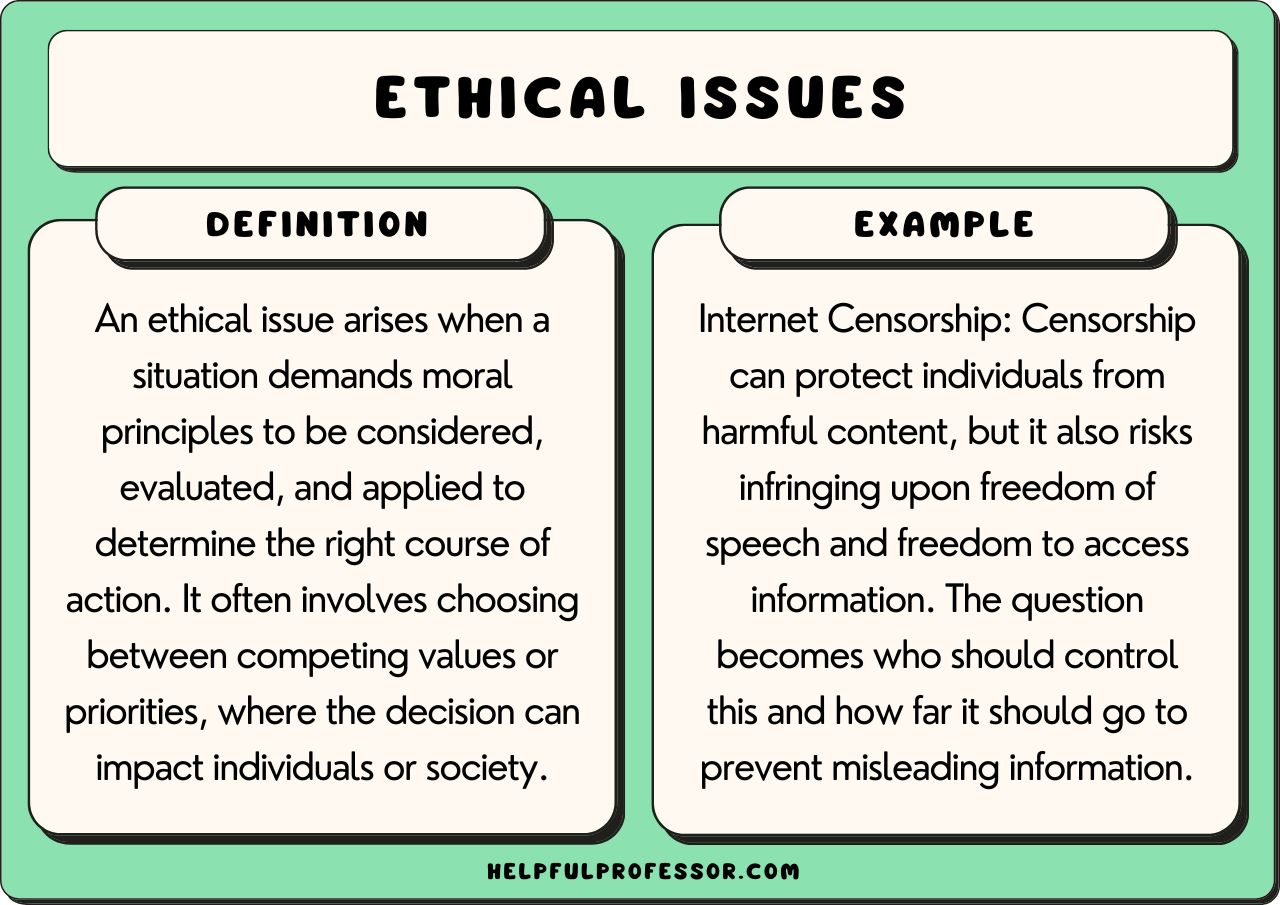
As we navigate an era defined by AI, big data, and pervasive digital surveillance, understanding how to identify and answer these ethical questions has become the most critical skill for developers, stakeholders, and users alike.
1. Defining the Ethical Question in a Digital Landscape
To understand the nature of an ethical question within the tech niche, one must first distinguish it from a technical or economic question. A technical question asks about feasibility: “Can this algorithm process a million transactions per second?” An economic question asks about profitability: “Will this app generate a high return on investment?” An ethical question, however, asks about the impact on rights, justice, and well-being.
The Shift from Functionality to Responsibility
In the early days of computing, ethics were often viewed as secondary to innovation. The primary goal was functionality. However, as tech became the intermediary for our social interactions, our finances, and our political discourse, the responsibility of the creator expanded. An ethical question today often involves examining the “externality” of a product—the unintended side effects that ripple through society. For instance, when designing a social media recommendation engine, the ethical question isn’t just how to keep users engaged, but whether that engagement comes at the cost of mental health or democratic stability.
Identifying Stakeholders Beyond the Direct User
Traditional software development often focuses on the “user experience” (UX). While this is a hallmark of good design, an ethical inquiry requires looking beyond the person holding the smartphone. It involves identifying “indirect stakeholders”—people who may never use the technology but are nonetheless affected by its deployment. When a city implements a facial recognition system for “smart city” efficiency, the ethical questions involve the privacy rights of every citizen walking the street, not just the operators of the software.
2. Algorithmic Integrity and the Bias Dilemma
One of the most pressing categories of ethical questions in modern tech surrounds the use of algorithms and machine learning. As we delegate more decision-making power to automated systems, we must confront the reality that code is rarely neutral.
The Myth of Machine Neutrality
There is a common misconception that because computers operate on logic and mathematics, they are inherently objective. However, an ethical question arises when we realize that algorithms are trained on human-generated data. If the historical data used to train a hiring AI contains gender or racial biases, the AI will not only replicate those biases but potentially amplify them. The ethical question here is: “How do we ensure that our mathematical models do not codify and automate historical injustices?”
Mitigating Historical Data Prejudices
Addressing bias is not just a technical “patch”; it is a continuous ethical process. Tech companies must ask themselves how much transparency they owe to the public regarding their training data. If an AI used in the judicial system predicts recidivism rates, the ethical imperative is to prove that the model is not unfairly targeting specific demographics. This requires a transition from “black box” models to “explainable AI,” where the reasoning behind a machine’s decision can be audited and challenged by human beings.
3. Privacy, Data Sovereignty, and the Ethics of Surveillance

In the digital economy, data is often described as the “new oil.” However, unlike oil, data is inextricably linked to human identity and personal liberty. This creates a fertile ground for complex ethical questions regarding privacy.
Consent vs. Informed Understanding
Most users interact with ethical questions every time they click “I Agree” on a Terms of Service page. But is a 50-page legal document truly a vehicle for informed consent? An ethical approach to tech development questions the power imbalance between a massive corporation and an individual user. Ethical tech design seeks to move beyond “opt-out” defaults toward a model of data sovereignty, where users have meaningful control over what information is harvested and how it is utilized.
The Paradox of Personalization
Technology offers us unprecedented levels of personalization, from tailored news feeds to custom shopping experiences. Yet, this personalization requires massive data collection. The ethical question emerges in the trade-off: At what point does helpful personalization become invasive surveillance? When a fitness tracker collects heart rate data, it provides health insights; however, if that data is sold to an insurance company to raise a user’s premiums, a significant ethical boundary has been crossed. Tech ethics requires setting firm boundaries on the secondary use of personal information.
4. Autonomous Systems and the Accountability Gap
As we move toward a world of autonomous vehicles, automated drones, and AI-driven medical diagnostics, the nature of an ethical question shifts toward the concept of agency and accountability.
The Problem of the “Moral Machine”
The “Trolley Problem” is a classic philosophical thought experiment, but in the tech world, it is a practical design challenge for autonomous vehicle engineers. If a self-driving car must choose between hitting a pedestrian or swerving and harming its passengers, how should the code be written? This is a quintessential ethical question because there is no “correct” mathematical answer—only a value-based one. Tech companies are now in the position of having to program “morality” into machines, a task that requires input from ethicists, sociologists, and the public, not just programmers.
Preserving Human Agency in a “Nudged” World
Artificial intelligence is increasingly used to “nudge” human behavior, whether it is an algorithm suggesting the next video to watch or a productivity tool suggesting how to word an email. The ethical question here concerns the erosion of human autonomy. If a machine is constantly making small decisions for us, are we still the primary agents of our own lives? Ethical technology should aim to augment human capability rather than replace human judgment, ensuring that the “human in the loop” remains a central tenet of system design.
5. Building an Ethical Framework for Future Innovation
Identifying ethical questions is only the first step; the second is creating a framework to resolve them. As the tech industry matures, the integration of ethical checkpoints into the development lifecycle is becoming a standard practice for the world’s leading firms.
Ethics by Design
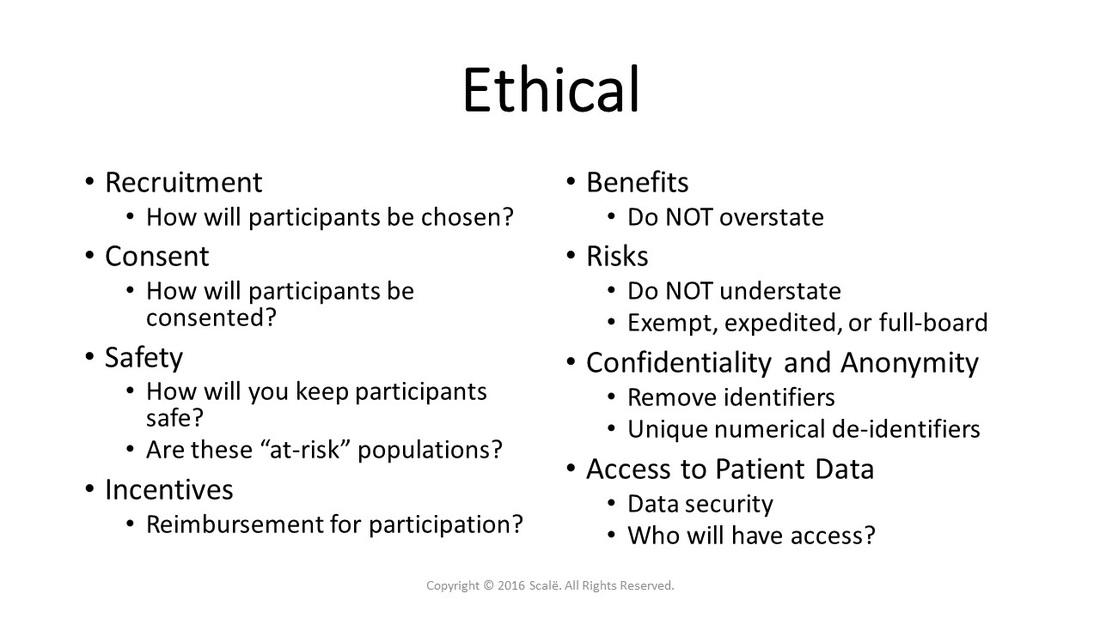
“Ethics by Design” is a movement that suggests ethical considerations should be baked into the product from the initial brainstorming phase, rather than being treated as a PR fix after a scandal. This involves conducting “Algorithmic Impact Assessments” and “Privacy Impact Assessments” before a single line of code is written. It asks the development team to envision the worst-case scenarios and the potential for misuse, creating safeguards that prevent the technology from being weaponized or causing unintended harm.
The Role of Global Regulation and Standards
While individual companies must take responsibility, the scale of modern technology often requires collective action. Ethical questions in tech frequently lead to calls for regulation, such as the GDPR in Europe or various AI safety accords. These frameworks provide a “floor” for ethical behavior, ensuring that competition does not lead to a “race to the bottom” where companies sacrifice safety and privacy for market share. The ongoing ethical question for the tech industry is how to balance the need for rapid innovation with the necessity of robust, democratic oversight.
Conclusion: The Perpetual Inquiry
An ethical question in the world of technology is never truly “solved.” As long as we continue to innovate, new dilemmas will arise. Today, we grapple with generative AI and data privacy; tomorrow, we may face ethical questions regarding brain-computer interfaces or the colonization of digital metaverses.
To be a leader in the tech space is to be a perpetual student of ethics. It requires a commitment to transparency, a willingness to prioritize human well-being over short-term growth, and the courage to stop a project if it poses a fundamental threat to the public good. By continuously asking “what is the ethical thing to do?” we ensure that technology remains a tool for human flourishing rather than a source of human fragmentation. The future of tech will not be defined by the speed of our processors, but by the depth of our integrity.
aViewFromTheCave is a participant in the Amazon Services LLC Associates Program, an affiliate advertising program designed to provide a means for sites to earn advertising fees by advertising and linking to Amazon.com. Amazon, the Amazon logo, AmazonSupply, and the AmazonSupply logo are trademarks of Amazon.com, Inc. or its affiliates. As an Amazon Associate we earn affiliate commissions from qualifying purchases.