
In an increasingly digitized and noisy world, the quest for silence—or rather, the perfect kind of sound—has led to the proliferation of the white noise maker. Far from being a simple bedside novelty, the modern white noise maker is a sophisticated piece of technology designed to manipulate the auditory environment. Whether through mechanical airflow or complex digital algorithms, these devices serve as a primary tool for focus, sleep hygiene, and privacy. This article explores the technical architecture, the physics of sound masking, and the future of auditory tech within the white noise industry.
The Evolution of Acoustic Masking Technology
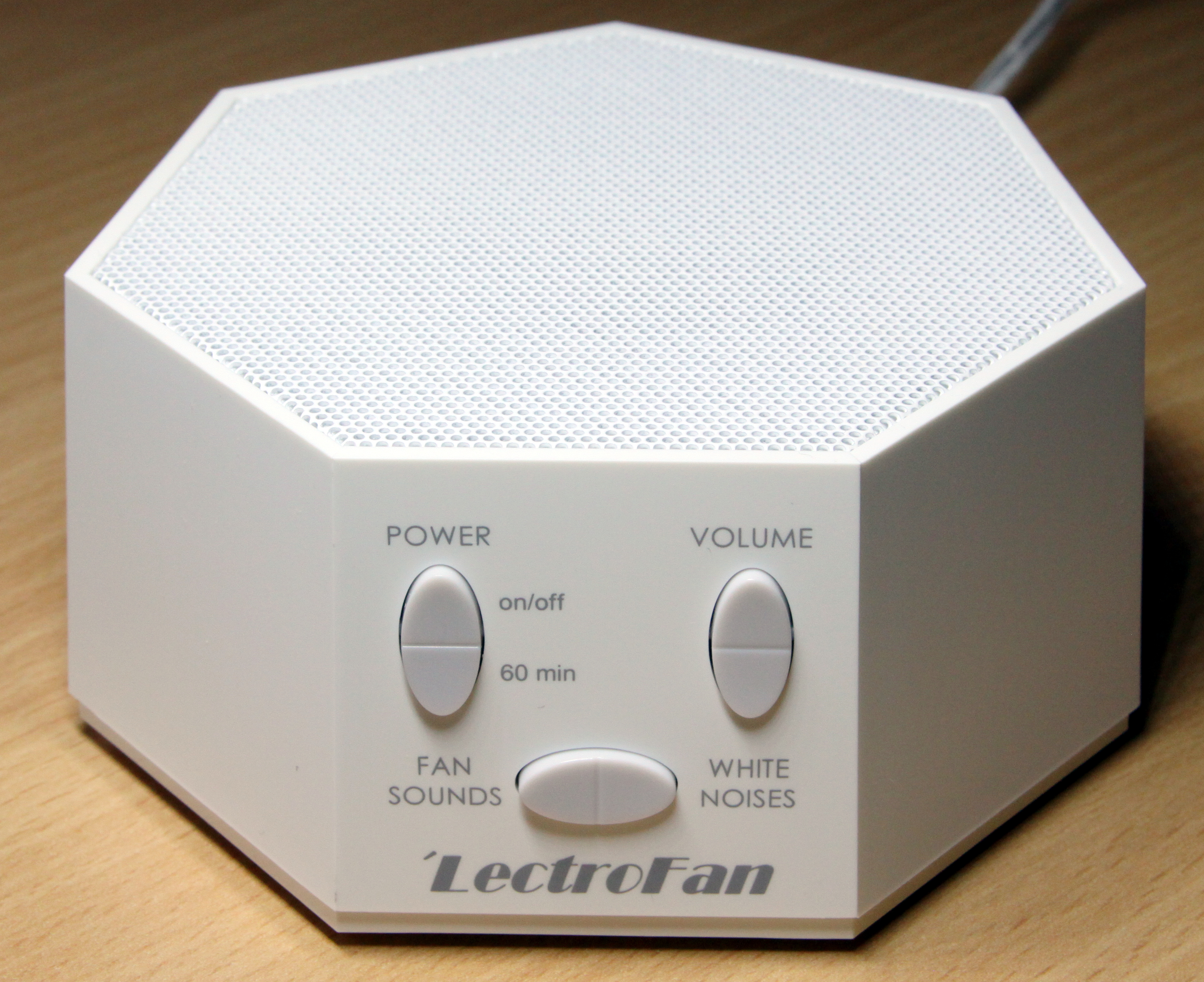
The history of white noise makers is a journey from rudimentary mechanical engineering to advanced digital signal processing. At its core, the technology is designed to produce a consistent, unobtrusive background sound that “masks” disruptive noises from the environment.
Mechanical Engineering: The Legacy of the Fan-in-a-Box
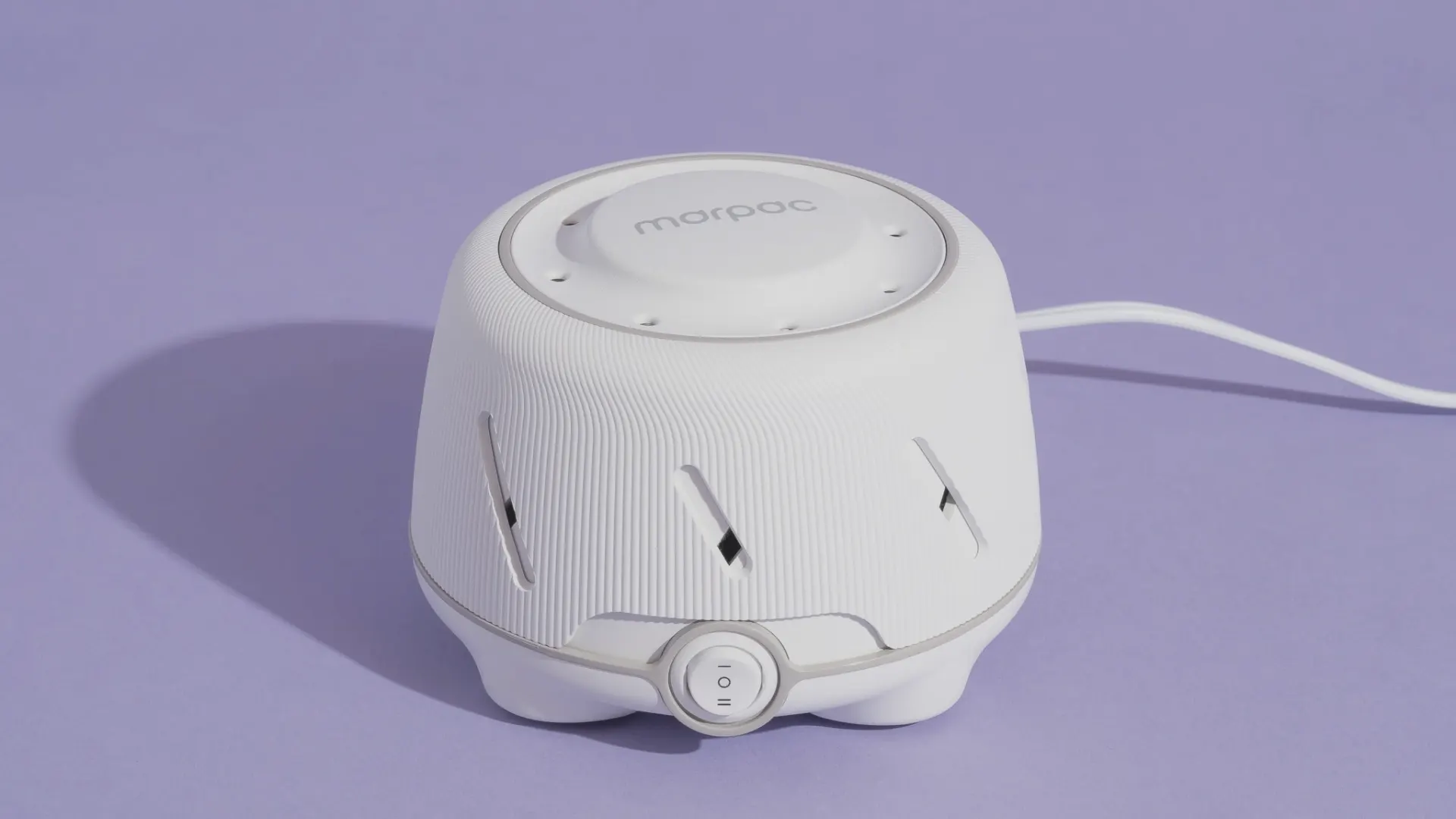
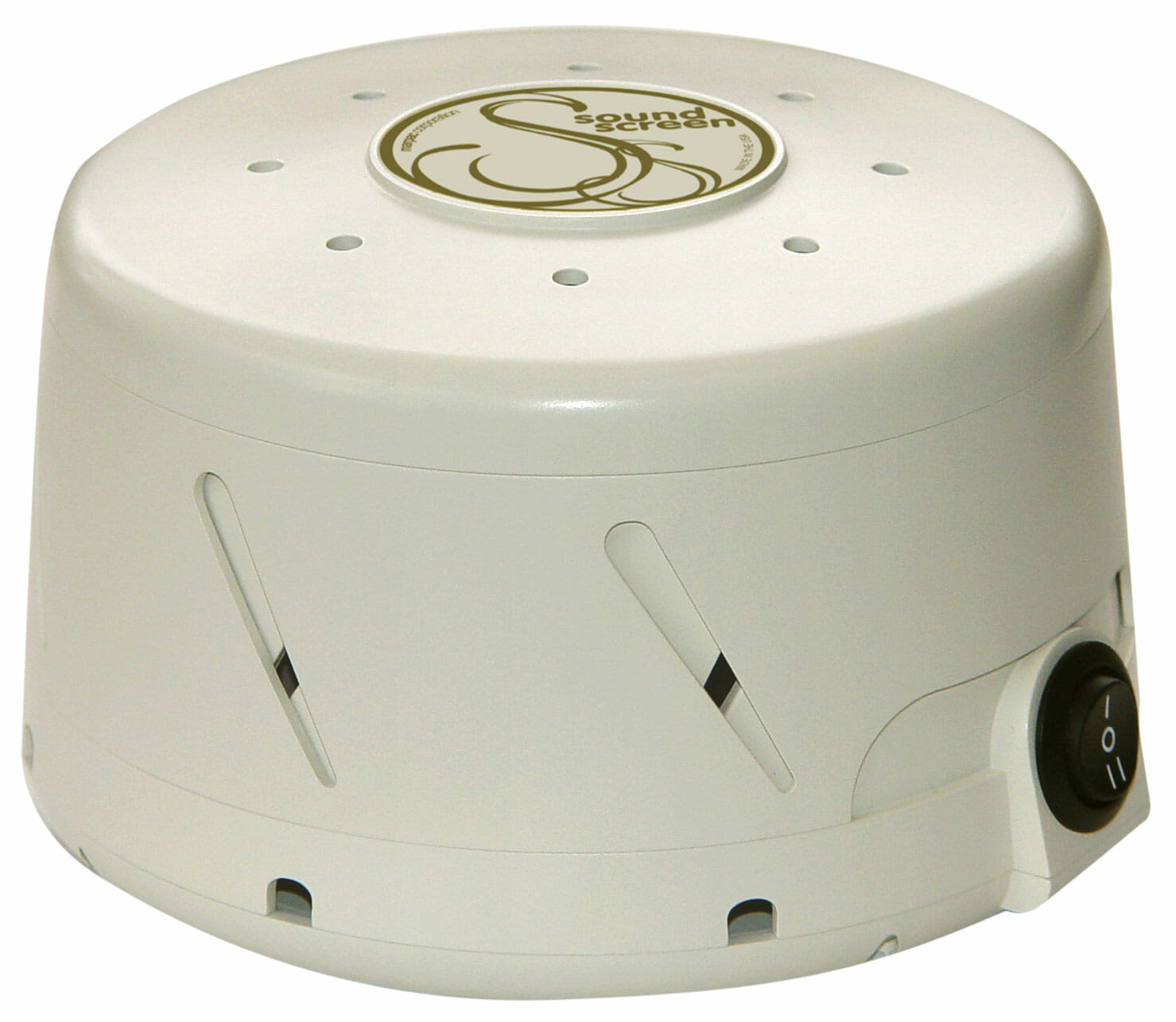
The origins of the white noise maker are surprisingly analog. The iconic Marpac Dohm, invented in the early 1960s, set the standard for mechanical sound conditioning. These devices utilize a physical internal fan housed within an acoustic chamber. By rotating a series of vents or changing the speed of the motor, the user can physically alter the airflow. This creates a natural, “rushing air” sound that is devoid of the digital “looping” found in cheaper electronic alternatives. The mechanical white noise maker remains a favorite among purists because it produces a truly random sound wave through physical turbulence, rather than a recorded sequence.
Digital Signal Processing (DSP) and Sound Synthesis
As technology transitioned into the digital age, white noise makers evolved into complex electronic devices. Modern digital sound machines use Digital Signal Processing (DSP) to generate sound. Instead of a physical fan, these devices use integrated circuits (ICs) to synthesize sound waves or play back high-fidelity recordings. High-end digital machines use non-looping technology, ensuring that the listener’s brain does not identify a repeating pattern, which can inadvertently trigger wakefulness or annoyance. These devices often include multiple sound profiles, ranging from simulated rainfall to “brown noise” or “pink noise,” all controlled through a user-friendly digital interface.
Decoding the Spectrum: The Physics of Sound Engineering
To understand why a white noise maker is effective, one must understand the technical distinction between various “colors” of noise. While “white noise” is used as a generic term, sound engineers and tech developers categorize these signals based on their power spectral density.
Defining White, Pink, and Brown Noise
In the world of audio engineering, White Noise contains equal power across all frequencies in the audible spectrum (from 20 Hz to 20,000 Hz). Technically, it sounds similar to radio static. However, many users find pure white noise too “harsh” or “tinny” because the human ear is more sensitive to high frequencies.
This has led to the development of devices capable of producing “Pink Noise” and “Brown Noise.” Pink noise decreases in power as the frequency increases, creating a sound that feels more balanced and natural, like steady rain. Brown noise (or Red noise) has even more power at lower frequencies, resulting in a deep, bass-heavy rumble reminiscent of a distant thunderstorm or a low-flying aircraft. Modern gadgets often allow users to toggle between these frequencies to find the specific “color” that matches their hearing profile.
The Mechanics of Frequency Masking
The primary technological function of a white noise maker is “sound masking.” This is not the same as active noise cancellation (which uses out-of-phase sound waves to “cancel” incoming noise). Instead, masking works by raising the ambient noise floor. When a white noise maker is active, the brain becomes saturated with a steady stream of data. When a sudden “peak” noise occurs—such as a door slamming or a car horn—the difference between the ambient level and the peak level is minimized. Because the delta between the background and the spike is smaller, the auditory cortex is less likely to be “startled,” allowing the user to remain in a state of deep sleep or focused concentration.
The Intersection of IoT and Auditory Wellness
The latest generation of white noise makers has moved beyond standalone hardware. They are now integrated components of the Internet of Things (IoT) ecosystem, offering a level of customization and automation previously impossible.
Smart Home Integration and Ecosystems
Modern white noise makers, such as those produced by brands like Hatch or SNOOZ, are essentially smart gadgets. They connect via Bluetooth or Wi-Fi to a smartphone app, allowing for remote operation. Users can set “routines” where the device gradually increases in volume as bedtime approaches or shifts frequency to wake the user up gently. These devices often integrate with smart home hubs like Amazon Alexa, Google Home, or Apple HomeKit. This connectivity allows the white noise maker to act as part of a holistic environment, syncing with smart lights and thermostats to optimize the user’s surroundings.
App-Based Solutions and Algorithmic Generation
The white noise maker is no longer tethered to a physical box. The software industry has revolutionized this space through mobile apps and web platforms. Advanced apps utilize the processing power of a smartphone to generate sound algorithmically in real-time. Instead of playing a simple MP3 file, these apps use “generative audio” where the software creates a never-ending, non-repeating soundscape. This tech is particularly useful for travelers who cannot carry hardware but require the same acoustic consistency provided by a dedicated device.
Technical Specifications: Choosing High-Fidelity Sound Machines
When evaluating white noise tech, hardware specifications matter. Just as one would look at the RAM of a computer or the resolution of a screen, the internal components of a sound machine determine its effectiveness.
Driver Quality and Acoustic Resonators
The speaker (or driver) inside a digital white noise maker is the most critical component. Low-quality speakers often struggle with the low-frequency demands of brown noise, resulting in a “crackling” or “thin” sound. High-fidelity white noise makers utilize full-range drivers and internal acoustic resonators to produce a rich, deep sound. Some premium models even feature passive radiators to enhance the bass response without increasing the device’s footprint.
Non-Looping Technology and Memory Management
One of the biggest technical flaws in budget white noise machines is “looping.” This occurs when a short recording of sound (say, 30 seconds) is played on a loop. The human brain is an expert pattern-recognizer; once it identifies the “click” or the specific bird chirp in a loop, the masking effect is broken. High-end tech addresses this by using large internal storage for multi-hour recordings or, more impressively, using on-board processors to generate “randomized” noise that never repeats. This requires sophisticated memory management and a dedicated audio CPU.
The Frontier of AI and Personalized Soundscapes
As we look toward the future of auditory technology, the white noise maker is poised to become even more intelligent. The integration of Artificial Intelligence (AI) and biometric feedback is the next major milestone in this niche.
Machine Learning and Adaptive Audio
Imagine a white noise maker that listens to its environment. New experimental tech utilizes external microphones and machine learning algorithms to analyze the specific noises in a room. If the device detects a high-pitched construction noise outside, the AI can instantly adjust the frequency output of the white noise to specifically target and mask that frequency. This “adaptive masking” ensures that the device is always providing the optimal acoustic shield for the specific environment.
Wearable Integration and Biometric Feedback Systems
The future of the white noise maker may be wearable. Companies are already developing “sleep buds”—tiny, ergonomic earbuds designed to be worn all night. These devices don’t just play sound; they monitor heart rate, blood oxygen, and sleep stages. Using this biometric data, the white noise maker can adjust its volume or frequency “on the fly.” If the wearable detects that the user is entering a light sleep stage where they are easily disturbed, it can subtly increase the masking volume to protect the sleep cycle.
In conclusion, a white noise maker is far more than a simple gadget. It is a sophisticated intersection of mechanical engineering, acoustic physics, and digital innovation. From the humble rotating fans of the 1960s to the AI-driven, cloud-connected devices of today, the technology continues to evolve. As we gain a deeper understanding of how the brain processes sound, the white noise maker will remain an essential tool in our technological arsenal, providing a sanctuary of sound in a chaotic world.
aViewFromTheCave is a participant in the Amazon Services LLC Associates Program, an affiliate advertising program designed to provide a means for sites to earn advertising fees by advertising and linking to Amazon.com. Amazon, the Amazon logo, AmazonSupply, and the AmazonSupply logo are trademarks of Amazon.com, Inc. or its affiliates. As an Amazon Associate we earn affiliate commissions from qualifying purchases.