
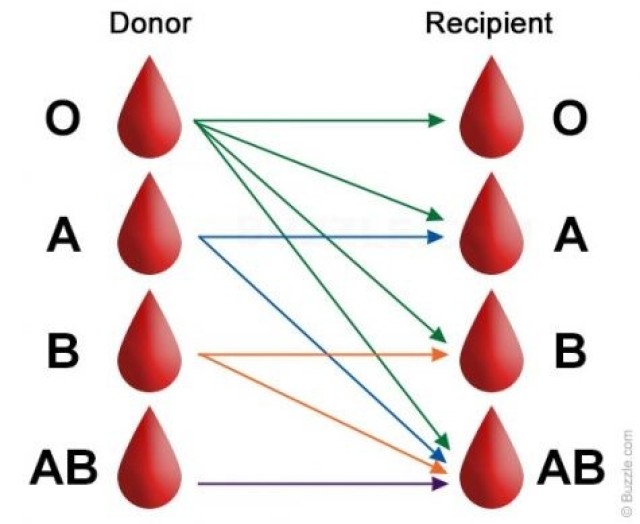
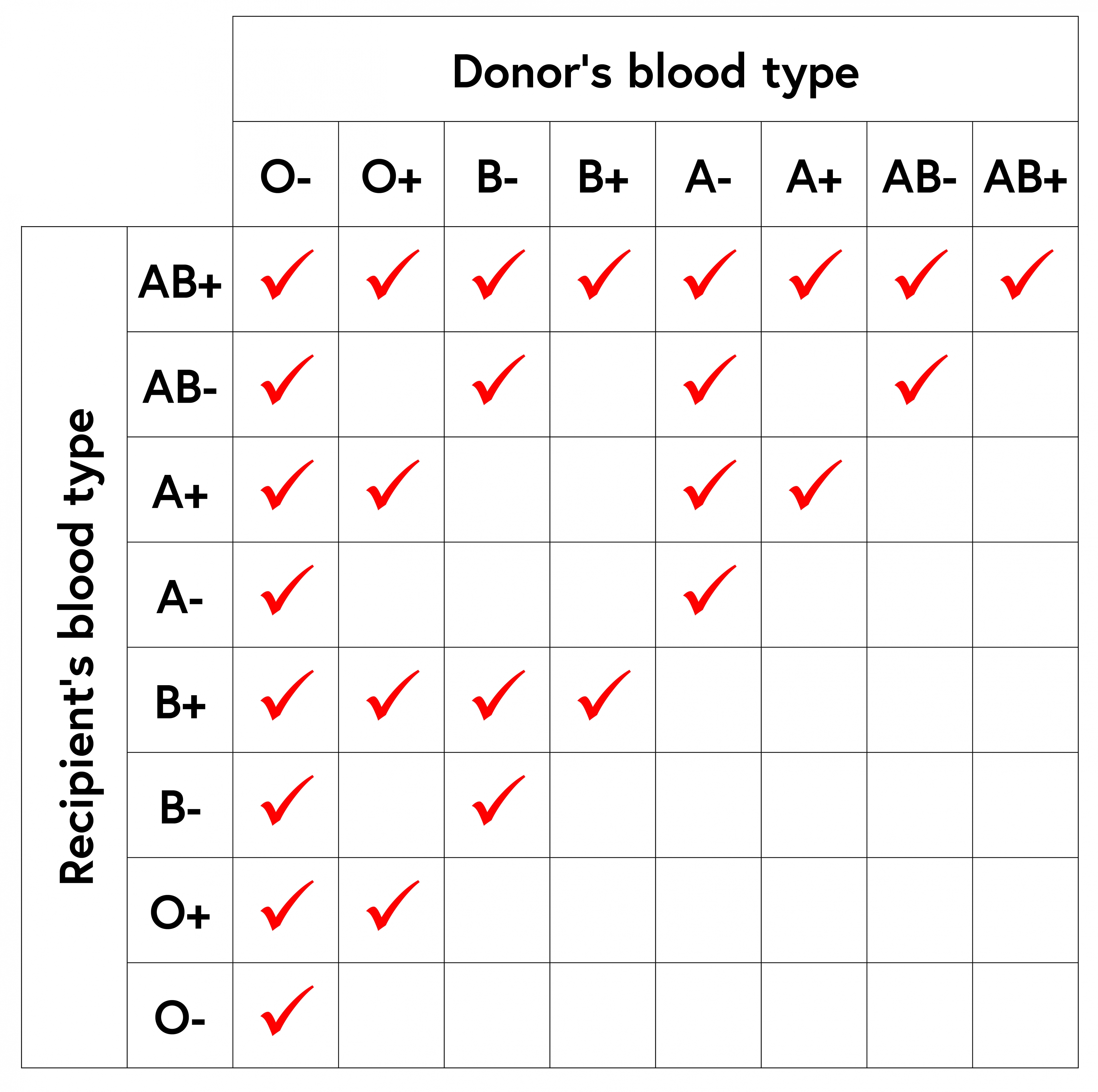
In the traditional medical sense, the “universal blood type” refers to O-negative—the rare and precious resource that can be administered to any patient regardless of their own blood group. However, in the rapidly evolving landscape of healthcare technology, the concept of a “universal blood type” is no longer just a biological fact; it is becoming a technological frontier. From artificial intelligence and synthetic biology to blockchain-secured logistics, the tech sector is fundamentally transforming how we identify, produce, and distribute life-saving blood products.
This article explores the intersection of hematology and high technology, examining how digital innovation is solving the “universal” problem of blood shortages and cross-matching errors.

The Digital Revolution in Blood Management and Logistics
For decades, the primary challenge of the universal blood type was supply and demand. Because only 7% of the population has O-negative blood, hospitals frequently face critical shortages. Technology is now stepping in to optimize the “Cold Chain”—the complex logistical network required to keep blood viable.
AI and Predictive Analytics in Supply Chain Logistics
The most significant tech trend in blood management is the implementation of Artificial Intelligence (AI) and Machine Learning (ML). Software platforms are now capable of analyzing vast datasets—including historical usage patterns, local emergency trends, and even weather forecasts—to predict when a specific hospital will run low on O-negative blood.
By using predictive algorithms, healthcare systems can move away from reactive restocking to proactive distribution. Tech startups are developing “Smart Inventory” systems that automatically re-route blood supplies from regions with a surplus to urban centers facing high trauma rates, ensuring that the universal donor type is always where it is needed most.
Blockchain for Safe and Traceable Transfusions
Security and traceability are paramount when handling blood. Any error in matching a donor to a recipient can be fatal. Blockchain technology is being integrated into the blood supply chain to create an immutable ledger of every unit of blood.
From the moment a “universal” donor gives blood to the moment it is transfused, every step is recorded on a decentralized network. This digital “passport” includes the blood’s temperature history, expiration date, and genetic markers. By utilizing smart contracts, the system can automatically flag a mismatch or a compromised unit, adding a layer of digital security that was previously impossible.
Synthetic Biology: Engineering the “Universal” Solution
Perhaps the most exciting tech-driven development is the quest to create a universal blood type in a laboratory setting. If technology can produce blood, the biological limitations of human donation become obsolete.
Lab-Grown Blood and the Role of Bioreactors
The field of synthetic biology is leveraging advanced bioreactors to grow red blood cells from stem cells. This “tech-blood” is designed to be O-negative by default, effectively creating an unlimited supply of universal blood. Recent breakthroughs in microfluidics and cellular engineering have allowed scientists to scale this process.
The tech stack involved here is immense, requiring precise computational modeling to simulate the human circulatory system’s oxygen-carrying capacity. As these technologies mature, we move closer to a “Blood-as-a-Service” (BaaS) model, where universal blood is manufactured on-demand in high-tech facilities rather than harvested from volunteers.
CRISPR and the Quest for Type O Conversion
Another technological marvel is the use of CRISPR-Cas9 gene-editing tools. Researchers are utilizing enzyme-based software to “strip” the A and B antigens from other blood types (A, B, and AB). By using targeted molecular “scissors,” scientists can effectively turn any blood type into a universal O-type.
This process relies heavily on bioinformatics—the use of software to understand complex biological data. High-throughput screening technology allows researchers to test thousands of enzymes simultaneously to find the most efficient way to convert blood at scale, potentially solving the global blood shortage through genetic engineering.
Remote Diagnostics and Smart Devices in Hematology
The identification of a patient’s blood type is the first critical step in any medical emergency. In a tech-driven world, this process is moving out of the lab and into the palm of our hands.
Smartphone-Based Point-of-Care Testing (POCT)
New software applications and peripheral hardware are turning smartphones into mobile laboratories. Using specialized optical sensors and AI-driven image recognition, a single drop of blood can be analyzed in seconds. These apps use computer vision to detect the agglutination of blood cells when exposed to specific antibodies.
For emergency responders in remote areas, this technology is a game-changer. Instead of waiting for a lab result, they can use their mobile devices to confirm a patient’s blood type and immediately determine if they can receive the universal O-negative units stored in the ambulance.
Wearable Tech for Real-Time Blood Monitoring
We are entering an era of “Internalized Tech,” where wearables do more than just count steps. Emerging biosensors are being developed to monitor blood health in real-time. These sensors can detect markers of anemia or changes in blood chemistry.
For regular donors of universal blood, wearable tech can provide notifications on when their hemoglobin levels are optimal for donation, gamifying the donation process through apps and ensuring that the most valuable “universal” donors are engaged and healthy.
Data Security and Ethical Considerations in the Hematological Cloud
As hematology becomes increasingly digitized, the focus shifts to the security of the data itself. A person’s blood type, genetic markers, and health history are some of the most sensitive pieces of data in existence.
Protecting Sensitive Genetic Information
The rise of “Digital Twins”—virtual models of a patient’s biological systems—requires massive amounts of data storage. Tech companies are now implementing Zero-Knowledge Proofs (ZKP) and advanced encryption to protect this information. When a hospital queries a database to see if a patient can receive universal blood, the system confirms the “yes/no” without ever exposing the patient’s full genetic profile to the network.
This digital security architecture is essential for maintaining public trust in the high-tech medical ecosystem. As we move toward a world where “universal blood” might be a synthetic product, the intellectual property (IP) of the genetic sequences used to create that blood must also be protected from cyber threats and industrial espionage.
Interoperability Standards in Global Health Tech
One of the greatest hurdles in tech is “siloed data”—information that cannot be shared between different systems. To truly leverage the power of the universal blood type, global health tech standards like FHIR (Fast Healthcare Interoperability Resources) are being adopted.
These protocols ensure that a “universal donor” in London is recognized as such if they have an accident in Tokyo. By standardizing how blood data is coded and shared across cloud platforms, technology is creating a truly universal health network that mirrors the biological versatility of O-negative blood.
Conclusion: The Convergence of Biology and Bitrate
What is a universal blood type? In the 20th century, the answer was a biological fluke of the O-negative group. In the 21st century, the answer is a sophisticated synergy of biotechnology, data science, and automated logistics.
As we have seen, the “universal” nature of blood is being enhanced by:
- AI that predicts where blood is needed before a crisis occurs.
- Synthetic biology that seeks to manufacture universal units in a lab.
- Mobile tech that identifies blood types in the field instantly.
- Blockchain that secures the entire lifecycle of a transfusion.
The future of medicine lies in this transition from “finding” the universal blood type to “creating” and “managing” it through technology. As software continues to eat the world, it is also learning to sustain our lifeblood, ensuring that the universal donor—whether human or machine—is always ready to save a life.
aViewFromTheCave is a participant in the Amazon Services LLC Associates Program, an affiliate advertising program designed to provide a means for sites to earn advertising fees by advertising and linking to Amazon.com. Amazon, the Amazon logo, AmazonSupply, and the AmazonSupply logo are trademarks of Amazon.com, Inc. or its affiliates. As an Amazon Associate we earn affiliate commissions from qualifying purchases.