
In the landscape of modern commerce, where algorithms dictate consumer preferences and “frictionless” transactions are the ultimate goal, brands often find themselves suffering from a crisis of soul. As we move deeper into the digital age, the distance between a company and its customer has never been shorter in terms of data, yet wider in terms of emotional resonance. To find the solution to this modern branding paradox, we must look backward to a specific, highly stylized figure of the early 20th century: the soda jerk.

While the term might sound archaic or even derogatory to the uninitiated, the soda jerk was the original master of brand experience. Operating at the intersection of showmanship, mixology, and community management, these individuals did more than serve carbonated beverages; they curated the identity of the American pharmacy and department store. By analyzing the “soda jerk” through the lens of brand strategy, we can uncover timeless principles of customer engagement, sensory branding, and the power of the human touch in an increasingly automated world.
The Anatomy of an Iconic Brand Representative
A brand is rarely defined by its logo alone; it is defined by its ambassadors. In the golden age of the soda fountain, the soda jerk was the living embodiment of the brand’s values. They were the frontline of the customer experience, and their persona was meticulously crafted to convey cleanliness, efficiency, and personality.
Beyond the Uniform: Creating a Visual Identity
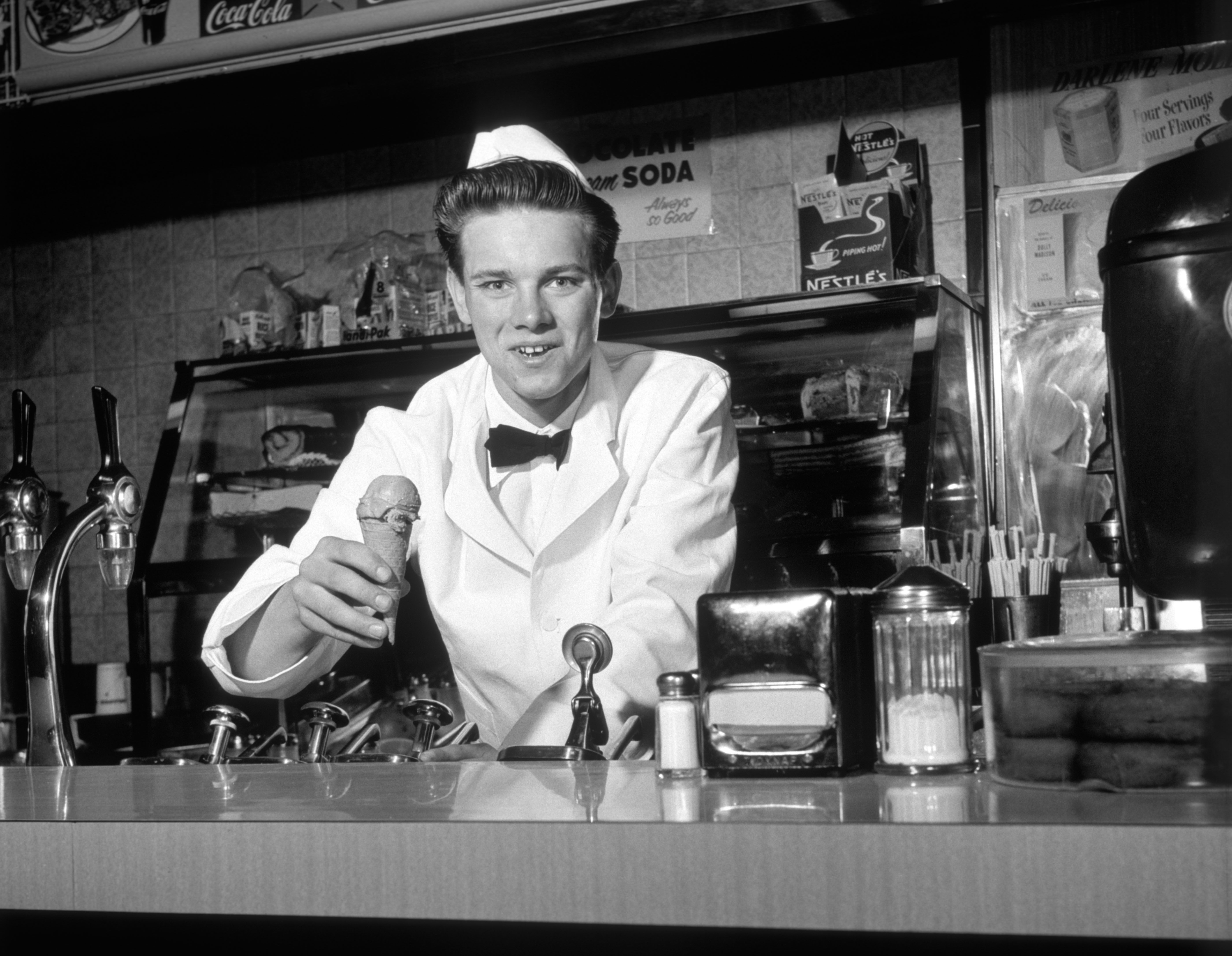
Long before modern retail chains mandated specific dress codes to ensure brand consistency, the soda jerk was a master of visual signaling. Clad in crisp white linens, paper hats, and polished bowties, the soda jerk’s attire was a strategic choice. In an era where public health and hygiene were becoming paramount concerns for consumers, this “medical” aesthetic signaled safety and quality.
For modern brands, the lesson is clear: every physical touchpoint is a message. The soda jerk’s uniform wasn’t just clothing; it was a trust-building asset. When a customer walked into a pharmacy, the visual clarity of the soda jerk’s presentation immediately reduced the cognitive load of the consumer, signaling that they were in a professional, high-standard environment.
The Performance of Service: Turning Utility into Entertainment
The term “soda jerk” actually derives from the physical “jerking” motion required to operate the heavy handles of the soda fountain. However, the best in the business turned this mechanical necessity into a choreographed performance. They would flip glasses, pour syrups from heights, and engage in “slanguage”—a proprietary jargon that made the customer feel like an insider in an exclusive club.
In branding, this is known as “operational transparency” mixed with “theatricality.” By making the creation of the product part of the experience, the soda jerk increased the perceived value of the beverage. Modern brands like Starbucks or Lush have successfully mimicked this by ensuring that the “making” of the product is visible and sensorial, transforming a simple purchase into a memorable event.
Building Community Through Micro-Interactions
One of the most difficult challenges for a brand is to transition from being a “vending machine” (a place where people buy things) to a “destination” (a place where people want to be). The soda jerk was the catalyst for this transformation in the early 20th-century retail space.
The Social Hub: How Soda Fountains Defined Local Brand Loyalty
During the mid-1900s, the soda fountain was the “third place”—the social anchor between home and work. The soda jerk acted as the informal mayor of this space. They knew the names of the regulars, remembered their favorite concoctions, and facilitated conversations between patrons.
This level of community management built an impenetrable moat of brand loyalty. Customers didn’t just go for the Coca-Cola; they went for the recognition and the social environment. Today, brand strategy often focuses on “community building” through Facebook groups or Discord servers, but these often lack the high-touch, personalized intimacy that the soda jerk provided. The lesson for modern marketers is that true brand community is built on the foundation of individual recognition and consistent, small-scale human interactions.
Emotional Design: The Psychology of the “Perfect Pour”
The soda jerk understood the psychology of “the little extra.” Whether it was a slightly larger scoop of ice cream or an extra dash of cherry syrup, these small gestures created a “peak-end” effect in the customer’s memory. In branding, these are known as “delight moments.”
When a brand goes beyond the contractual obligation of the transaction to provide an unexpected benefit, it triggers a powerful emotional response. The soda jerk was an expert at reading the room; if a customer looked down, a little extra flair or a complimentary topping was used as a tool for brand affinity. This emotional agility is something that even the most advanced AI chatbots struggle to replicate, highlighting the enduring need for human intuition in high-end brand strategy.
Nostalgia as a Strategic Brand Asset
The image of the soda jerk is now inextricably linked with “Americana.” For modern brands, tapping into this archetype isn’t just about being “retro”; it’s about leveraging the psychological power of nostalgia to create a sense of stability and warmth.
Leveraging the “Golden Age” in Modern Marketing
Nostalgia is a potent marketing tool because it filters out the complexities of the past, leaving only the “good feelings.” Brands that adopt the soda jerk aesthetic—think of Shake Shack or Johnny Rockets—are not just selling food; they are selling a return to a perceived simpler time.
By utilizing the design language of the soda fountain (chrome, neon, checkered floors, and the “jerk” persona), these brands bypass the analytical mind and speak directly to the consumer’s longing for connection and tradition. This is a strategic move to differentiate from the cold, sterile minimalism that dominates the tech and fast-food industries today.
Authenticity vs. Artifice: The Fine Line in Retro Branding
However, using the soda jerk archetype comes with risks. If a brand adopts the visual trappings of the era without the accompanying commitment to service, it feels like a hollow “theme park” version of reality. Authenticity in branding requires a deep alignment between the visual promise and the operational delivery.
To successfully leverage the soda jerk legacy, a brand must ensure that its staff is empowered to act with the same level of autonomy and personality as the original jerks. If the service is scripted and robotic, the “retro” branding becomes an ironic mask rather than a genuine identity. The goal is to capture the spirit of the soda jerk—the expert, the host, and the craftsman—rather than just the outfit.
Applying the Soda Jerk Philosophy to Digital-First Brands
It is easy to see how a physical restaurant can learn from the soda jerk, but how does this apply to the world of SaaS, e-commerce, and digital platforms? The core principles of the soda jerk—personalization, expertise, and performance—are perhaps even more critical in the digital realm where “brand soul” is often missing.
Humanizing the Algorithm: The Digital “Jerk”
The modern equivalent of the soda jerk’s personalized recommendation is the recommendation engine. However, most algorithms feel like surveillance rather than service. To “humanize” the digital experience, brands need to inject personality into their interfaces.
This can be achieved through micro-copy that reflects a brand “voice,” or through “Easter eggs” in the user interface that provide the same sense of delight as that extra cherry on a sundae. A digital brand that communicates like a person—with wit, empathy, and a clear point of view—occupies the same psychological space as the local soda jerk. It moves the relationship from a transaction to a rapport.
Omni-channel Intimacy: Scaling Personalized Service
The ultimate challenge for a modern brand is scaling the “soda jerk” experience. How do you provide that neighborhood feel to ten million customers? The answer lies in “omni-channel intimacy.” This involves using data not just to sell, but to serve.
When a customer contacts support or visits a site, the brand should “remember” them in a way that feels helpful, not creepy. This digital recognition mimics the way a soda jerk would have a regular’s order ready before they even sat down. By utilizing CRM tools to empower customer-facing employees with context and history, a global corporation can replicate the localized, high-touch experience of a 1940s soda fountain.

Conclusion: The Future of Branding is Human-Centric
The era of the soda jerk may have passed, but the fundamental human needs they satisfied—the need for recognition, for a bit of theater in the mundane, and for a sense of belonging—are more prevalent than ever. As brands continue to compete in an overcrowded marketplace, the winners will be those who move beyond the “what” of their product and master the “how” of their delivery.
The soda jerk reminds us that branding is a social contract. It is a promise of a specific type of feeling. Whether you are building a boutique coffee shop or a multi-billion dollar software platform, the lessons of the soda fountain remain relevant: dress for the role, perform with passion, know your customers by name, and never forget the power of a little bit of “jerk” in your service. In a world of automated efficiency, the brands that dare to be human are the ones that will truly endure.
aViewFromTheCave is a participant in the Amazon Services LLC Associates Program, an affiliate advertising program designed to provide a means for sites to earn advertising fees by advertising and linking to Amazon.com. Amazon, the Amazon logo, AmazonSupply, and the AmazonSupply logo are trademarks of Amazon.com, Inc. or its affiliates. As an Amazon Associate we earn affiliate commissions from qualifying purchases.