
In the contemporary economic landscape, the concept of a single, lifelong revenue stream is rapidly becoming obsolete. Whether driven by the rising cost of living, the desire for faster debt elimination, or the pursuit of financial independence, more individuals are asking the pivotal question: “How can I make some extra money on the side?”
Side hustles are no longer just “extra” work; they are strategic maneuvers in a broader plan for financial resilience. Diversifying your income provides a buffer against economic volatility and opens doors to professional growth that a traditional 9-to-5 might not offer. This guide explores the most viable avenues for generating additional income, categorized by the level of investment, time commitment, and long-term scalability.

1. Leveraging the Gig Economy for Immediate Cash Flow
The gig economy has democratized access to work, allowing anyone with a vehicle, a smartphone, or a few spare hours to monetize their time. While these roles are often viewed as “active” income—meaning you only get paid when you are working—they offer unparalleled flexibility and low barriers to entry.
On-Demand Service Platforms
The most visible sector of the side-income world involves logistics and transportation. Platforms like Uber, Lyft, and DoorDash remain staples for those seeking immediate liquidity. The key to maximizing earnings in this sector is optimization. Top earners do not just drive aimlessly; they analyze peak hours, understand surge pricing patterns, and minimize their overhead costs, such as fuel and vehicle maintenance, to ensure their net profit remains healthy.
Task-Based Labor and Local Services
If driving isn’t your preference, manual labor and specialized local tasks provide another lucrative avenue. Platforms like TaskRabbit connect individuals with neighbors who need help with furniture assembly, moving, or basic home repairs. For those with specialized domestic skills, pet sitting and dog walking through apps like Rover have become professionalized side businesses. These roles often command higher hourly rates than delivery services because they require a higher degree of trust and interpersonal reliability.
The Micro-Task Market
For those who prefer to work from a laptop without committing to long-term projects, micro-tasking sites offer a way to earn small amounts of money for completing simple digital tasks. This includes data entry, image tagging, or participating in market research surveys. While the pay per task is low, the cumulative effect can provide a modest supplemental income during downtime, such as commuting or watching television.
2. Monetizing Professional Expertise through Freelancing
For individuals with specialized skills, the most efficient way to make extra money is to sell those skills on a contractual basis. Freelancing allows you to leverage your existing professional background—whether in writing, accounting, marketing, or project management—to serve a global market.
Identifying High-Value Skills
The profitability of a side hustle is often directly correlated to the scarcity of the skill. Copywriters, digital marketers, and bookkeepers are in high demand as small businesses look to outsource specialized functions rather than hiring full-time staff. By positioning yourself as a specialist rather than a generalist, you can command premium rates. For example, a “general writer” may earn a few cents per word, whereas a “B2B financial technical writer” can charge hundreds of dollars per article.
Navigating Freelance Marketplaces
Platforms like Upwork, Fiverr, and Toptal serve as intermediaries, connecting freelancers with clients. The challenge for many is the “race to the bottom” regarding pricing. To succeed and make significant extra money, you must treat your profile as a business. This involves building a robust portfolio, garnering positive reviews, and eventually moving off-platform to work directly with clients to avoid service fees.
Virtual Assistance and Administrative Support
As more businesses move online, the demand for virtual assistants (VAs) has skyrocketed. This is an ideal side hustle for organized individuals who can manage schedules, handle email correspondence, or perform social media management. Unlike sporadic freelance projects, VA roles often offer “retainer” models, providing a predictable monthly income that is highly valuable for personal budgeting and financial planning.
3. Building Scalable Online Ventures and Digital Products

The ultimate goal for many side hustlers is to move away from trading time for money. Scalable ventures allow you to create something once and sell it repeatedly, effectively decoupling your income from your hours worked.
Content Creation and Affiliate Marketing
If you have a passion for a specific niche—be it personal finance, gardening, or woodworking—creating a content-driven platform can lead to substantial side income. Through blogging, YouTube, or podcasting, you can build an audience. Once an audience exists, you can monetize through affiliate marketing, where you earn a commission for recommending products. The “money” aspect here is in the data: understanding conversion rates, click-through rates, and SEO to drive consistent traffic.
E-commerce and Dropshipping
Selling physical goods has been revolutionized by platforms like Shopify, Etsy, and Amazon FBA. For those who are creative, Etsy offers a marketplace for handmade or vintage items. For those more interested in the mechanics of trade, dropshipping or private labeling allows you to sell products without holding inventory. This model requires a keen understanding of profit margins, advertising costs (CAC), and supply chain management to ensure the “extra money” isn’t swallowed by overhead.
Digital Products and Online Education
One of the highest-margin side businesses is the sale of digital products. This includes E-books, online courses, templates, or stock photography. Once the initial work is completed, the cost of selling an additional unit is nearly zero. If you are an expert in a specific software or have a unique methodology for a business process, packaging that knowledge into a downloadable course can generate passive income for years to come.
4. Generating Passive Income through Strategic Investing
Not all side income requires “hustle” in the traditional sense. If you have some capital saved, you can make your money work for you. This is the cornerstone of wealth building and long-term financial security.
Dividend-Paying Stocks and REITs
Investing in the stock market specifically for cash flow is a proven strategy. By focusing on dividend-growth stocks, you receive a portion of a company’s profits regularly. Similarly, Real Estate Investment Trusts (REITs) allow you to earn a share of the income produced by commercial or residential real estate without the headache of being a landlord. This income is truly passive, requiring only periodic portfolio rebalancing.
Peer-to-Peer Lending and High-Yield Accounts
In a high-interest-rate environment, even keeping your “extra money” in the right place can generate more money. High-yield savings accounts (HYSAs) and Certificates of Deposit (CDs) currently offer attractive returns with zero risk to the principal. For those with a higher risk appetite, peer-to-peer (P2P) lending platforms allow you to act as the bank, lending your money to individuals or small businesses in exchange for interest payments.
Real Estate and Asset Rental
If you own property, you possess a significant income-generating asset. This doesn’t just mean renting out a spare bedroom on Airbnb. You can rent out storage space in your garage, your driveway for parking in busy cities, or even high-end equipment like cameras or power tools through specialized rental marketplaces. This maximizes the “utility” of things you already own, turning liabilities into income-producing assets.
5. Financial Management for the Side Hustler
Earning extra money is only half the battle; managing it is what leads to true financial freedom. Without a plan, “side money” often disappears into lifestyle creep—spending more just because you earn more.
Understanding Tax Obligations
One of the most overlooked aspects of making money on the side is the tax implication. In most jurisdictions, side hustle income is considered self-employment income and is subject to different tax rates than a standard W-2 salary. It is essential to set aside a percentage (often 25-30%) of every “extra” dollar earned into a separate account for tax season. Furthermore, keeping meticulous records of business-related expenses can help lower your taxable income.
The Power of Reinvestment
To turn a side hustle into a significant financial engine, you should resist the urge to spend the profits immediately. Reinvesting those earnings back into the business—whether through better equipment, paid advertising, or professional development—accelerates growth. Alternatively, funnelling side income directly into a retirement account like a Roth IRA or a Solo 401(k) can lead to exponential wealth growth due to the power of compounding.
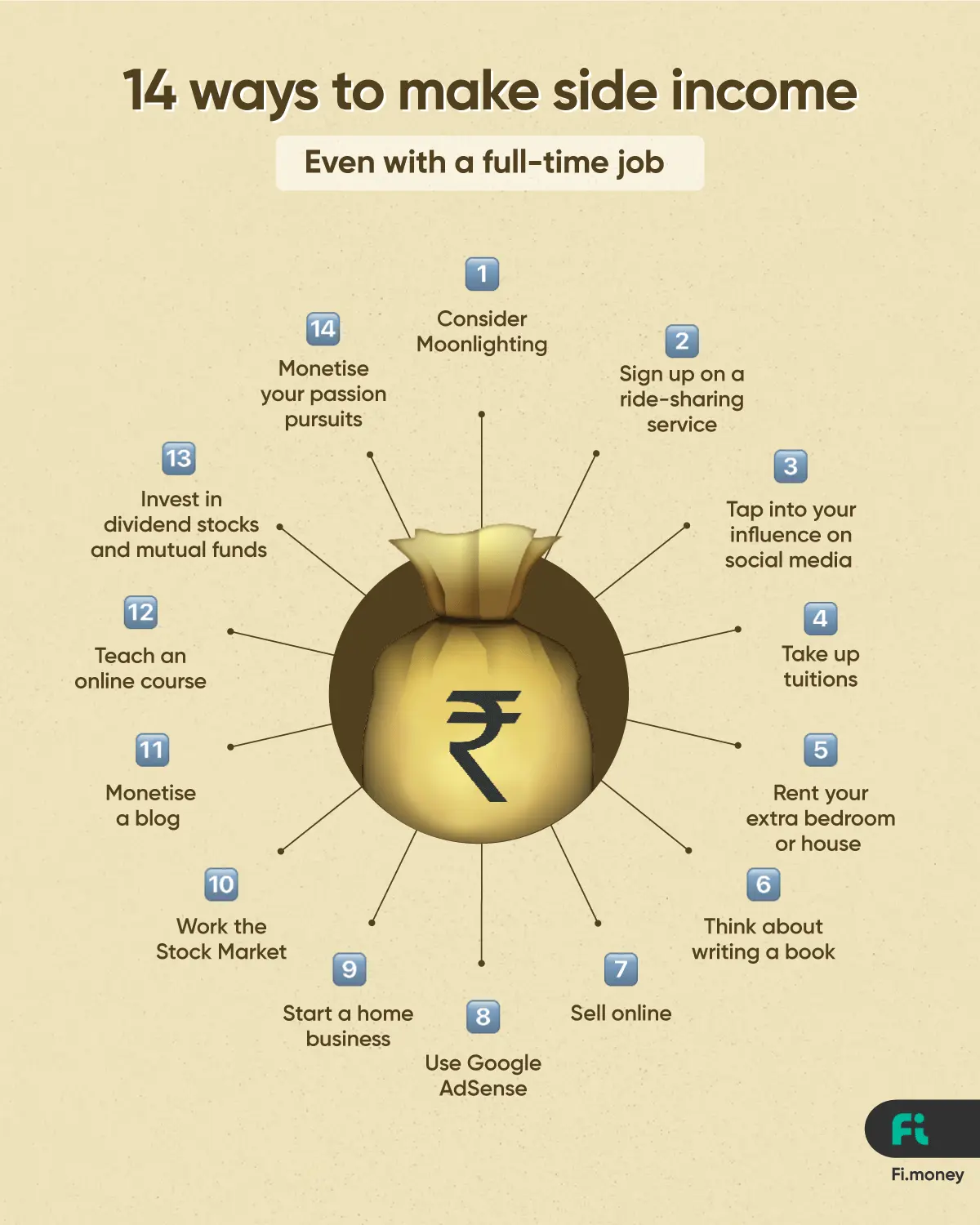
Goal Setting and Scaling
Why are you making extra money? Is it to pay off a $5,000 credit card debt? To save for a house down payment? Or to eventually quit your day job? Setting clear financial milestones ensures that your side hustle remains a focused pursuit rather than a source of burnout. Once a side hustle consistently generates a certain level of income, you must decide whether to keep it as a “side” venture or scale it into a full-scale business enterprise.
In conclusion, making extra money on the side is a multi-faceted endeavor that requires a blend of initiative, skill, and financial literacy. By identifying the right niche—whether it’s the immediate returns of the gig economy, the professional rates of freelancing, or the long-term scalability of digital products and investments—you can create a robust financial future. The key is to start small, stay consistent, and manage your new income streams with the discipline of a seasoned investor.
aViewFromTheCave is a participant in the Amazon Services LLC Associates Program, an affiliate advertising program designed to provide a means for sites to earn advertising fees by advertising and linking to Amazon.com. Amazon, the Amazon logo, AmazonSupply, and the AmazonSupply logo are trademarks of Amazon.com, Inc. or its affiliates. As an Amazon Associate we earn affiliate commissions from qualifying purchases.