
In the world of marketing and brand strategy, a name is rarely just a label; it is a vessel for identity, history, and consumer perception. However, few examples in the beverage industry illustrate the friction between “edgy” marketing and cultural insensitivity as starkly as the cocktail known as the “Irish Car Bomb.” While the drink itself—a combination of Guinness, Irish cream, and Irish whiskey—has become a staple in many North American bars, its name serves as a cautionary tale for brand strategists.
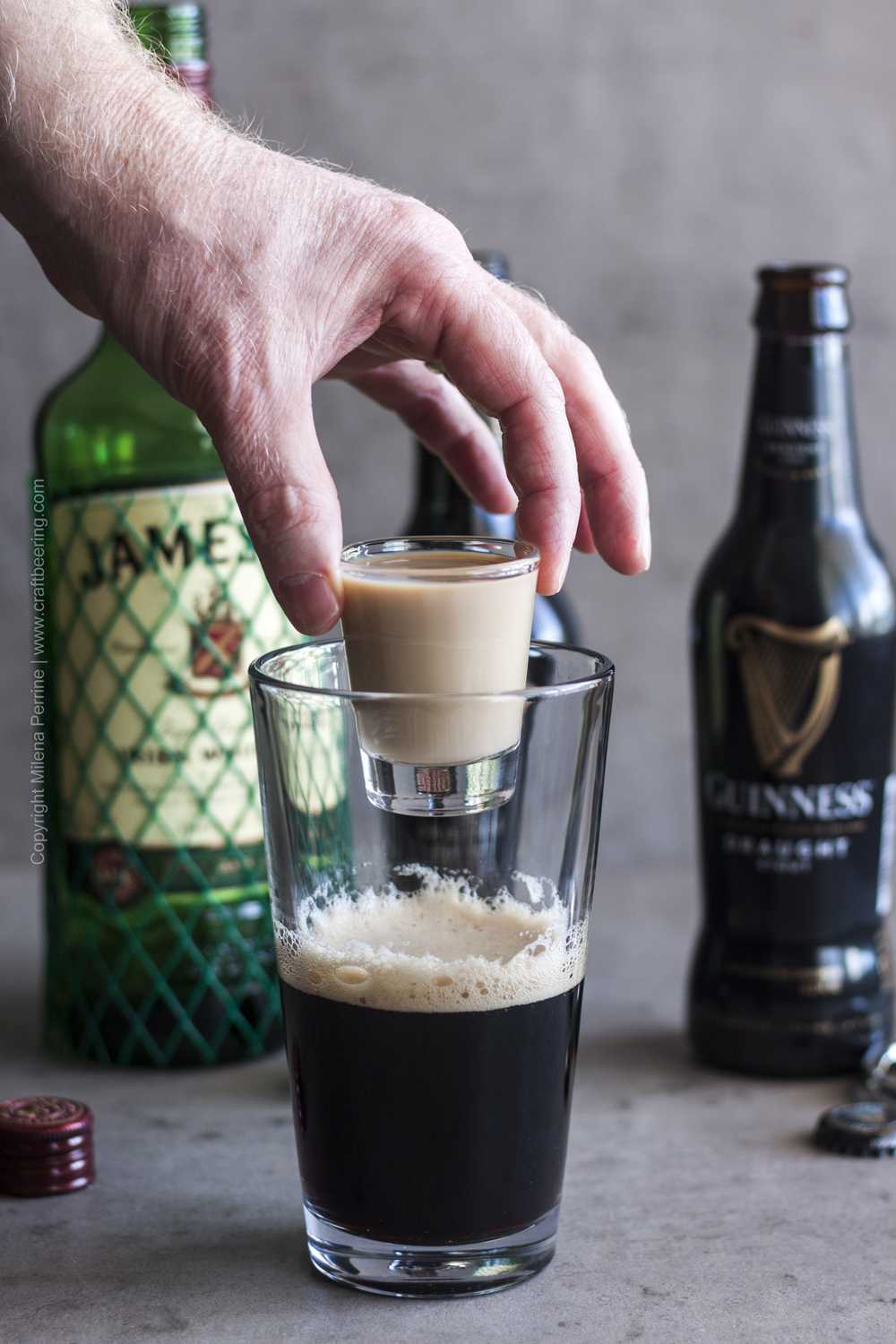
This article examines the branding architecture of the “Irish Car Bomb,” exploring how a name can alienate entire demographics, the corporate response from the brands involved, and the broader lessons for modern businesses navigating the complexities of global identity and cultural heritage.
1. The Anatomy of a Branding Disaster: Understanding the Context
To understand why the “Irish Car Bomb” is a toxic brand name in many parts of the world, one must look at the historical context from which it was derived. The name refers to the “Troubles,” a decades-long violent conflict in Northern Ireland characterized by bombings and paramilitary activity. For those who lived through this era, the term “car bomb” is not a kitschy bar order; it is a reminder of trauma and civilian loss.
The Psychology of “Shock” Branding
In the 1970s and 80s, when the drink was reportedly first mixed in an American bar, the name was likely chosen for its shock value. In branding, “shock marketing” is a tactic used to break through the noise of a crowded market. By choosing a name that felt rebellious or transgressive, the creators gained immediate notoriety. However, this notoriety came at the expense of long-term brand health and international scalability.
Geographical Brand Disconnect
One of the most fascinating aspects of this case study is the disconnect between the “American brand” of the drink and its reception in Ireland. In the United States, the name is often divorced from its historical reality, treated as a generic term for a themed “bomb shot.” In Ireland, however, ordering the drink by that name is widely considered an offensive act. This highlights a critical failure in brand strategy: failing to account for how a name translates across different cultural and geographical landscapes.
2. The Corporate Identity Crisis: How Guinness and Jameson Protect Their Brands
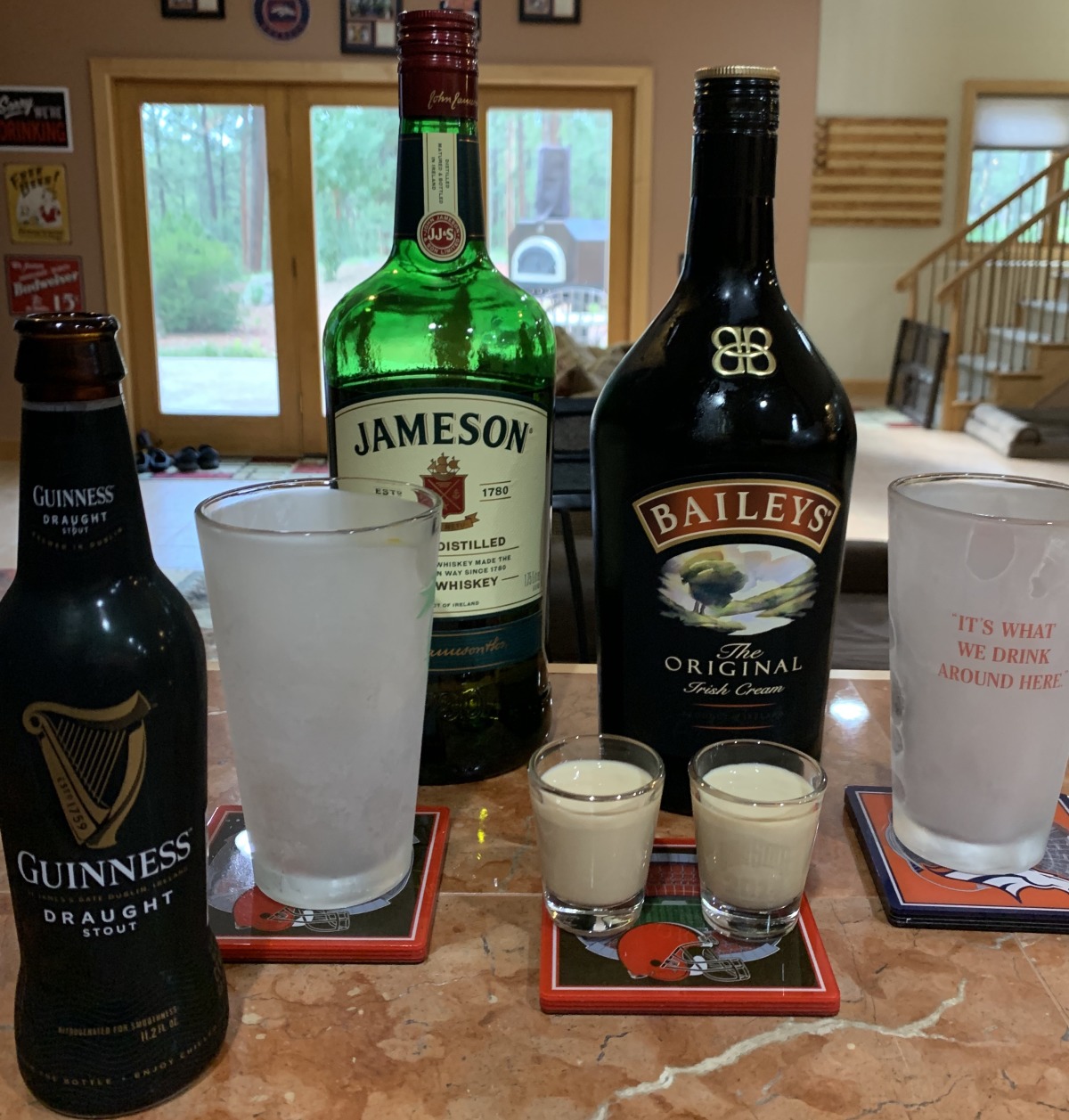
When we analyze the “Irish Car Bomb” from a corporate perspective, we must look at the three primary brands associated with it: Guinness (Diageo), Baileys (Diageo), and Jameson (Pernod Ricard). For these multi-billion-dollar corporations, the association with this specific cocktail name presents a significant PR challenge and a threat to their carefully curated brand equity.
Brand Protection and Distancing
Neither Diageo nor Pernod Ricard has ever officially sanctioned or promoted the “Irish Car Bomb.” In fact, they have actively distanced themselves from it. From a brand strategy standpoint, this is essential. These companies invest heavily in “Premiumization” and “Heritage Branding.” Associating their refined products with a drink that references sectarian violence undermines their efforts to be seen as sophisticated, global entities.
The Role of Corporate Responsibility in Mixology
Modern brand strategy requires companies to take a stand on social issues. For global beverage leaders, this means discouraging the use of their products in ways that promote insensitivity. By refusing to include the recipe in official marketing materials and encouraging bartenders to use alternative names, these corporations are practicing “Brand Safeguarding.” They understand that a brand’s value is tied to its reputation for social responsibility.
Managing Secondary Brand Association
One of the hardest things for a company to control is how its product is used by third parties (in this case, bars and consumers). This is known as “secondary brand association.” Even if Guinness doesn’t want to be part of an “Irish Car Bomb,” the consumer’s brain links the two. To counter this, these brands focus on promoting “Signature Serves”—official, curated ways to drink their products (like the Guinness “Perfect Pour” or a “Jameson and Ginger Ale”)—to reclaim the narrative.
3. The Rebranding Pivot: Transitioning to the “Dublin Drop”
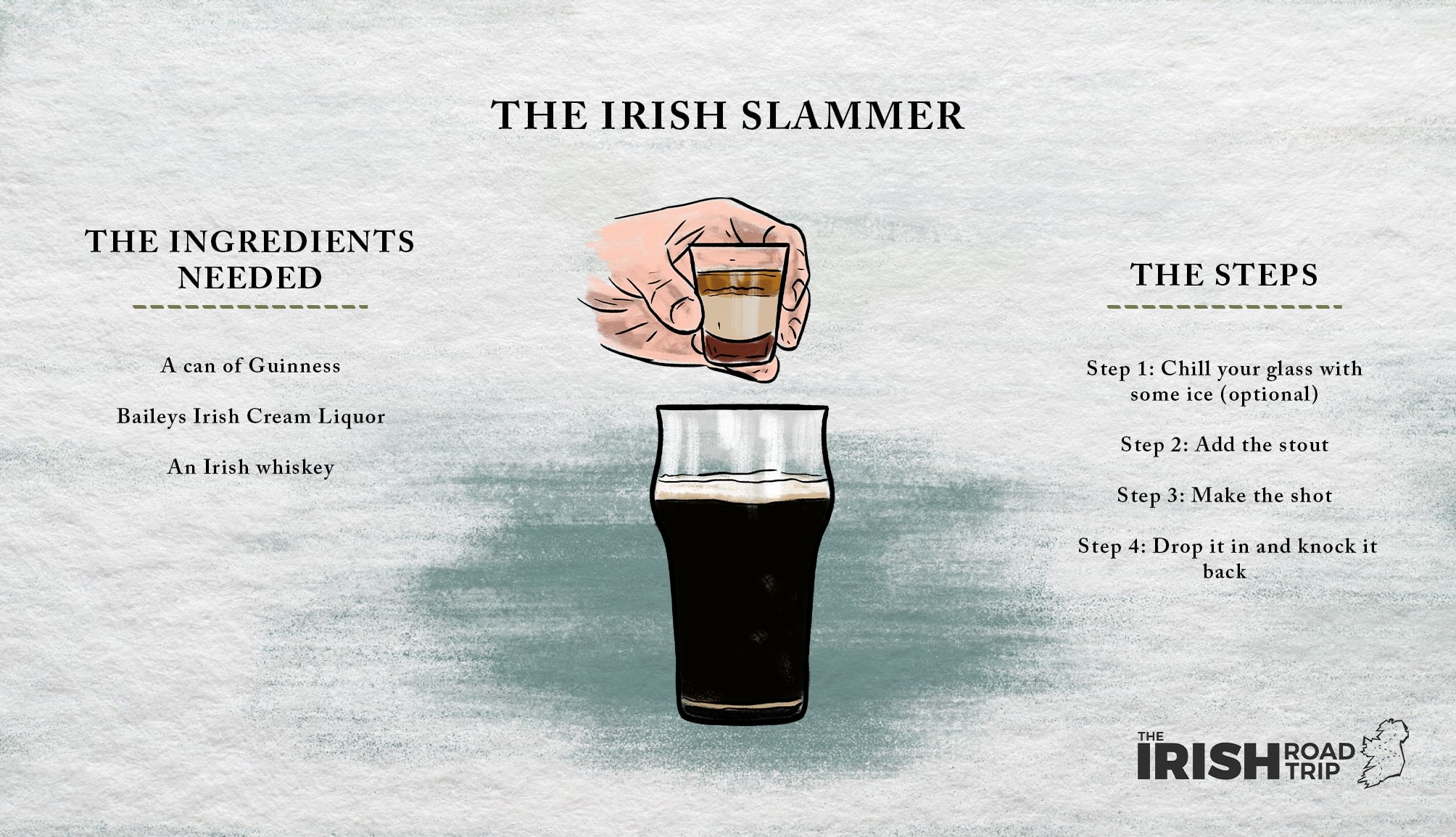
In recent years, there has been a significant movement within the hospitality and branding industries to rename the drink. The most common alternative is the “Dublin Drop.” This shift represents a classic rebranding exercise: maintaining the “product” (the ingredients and experience) while stripping away the negative “brand associations.”
The Mechanics of Successful Rebranding
Rebranding a cultural phenomenon is significantly harder than rebranding a company. To successfully shift the “Irish Car Bomb” to the “Dublin Drop,” brand advocates have focused on:
- Cultural Alignment: Aligning the name with the positive aspects of Irish identity (the city of Dublin) rather than historical trauma.
- Professionalization: Encouraging professional mixologists to lead the change, making the new name the standard in high-end establishments.
- Consumer Education: Using the renaming process as an opportunity to educate consumers on why the original name was problematic, thereby building brand loyalty through ethical awareness.
The Impact of “Cancel Culture” on Legacy Names
In the current branding climate, “cancel culture” acts as a powerful regulator. Brands that fail to evolve often face public backlash. The move away from the “Irish Car Bomb” name is part of a larger trend where brands are auditing their portfolios for offensive imagery or terminology. This isn’t just a moral choice; it is a financial one. A brand that is perceived as offensive loses market share in an increasingly conscious consumer base.
4. Lessons for Brand Strategists and Entrepreneurs
The case of the “Irish Car Bomb” provides several high-level takeaways for anyone involved in brand development, marketing, or corporate identity.
Research Beyond Your Bubble
A brand name that sounds “cool” or “edgy” in one market may be catastrophic in another. Comprehensive brand research must include a cultural audit. Strategists should ask: Does this name have historical baggage? Does it offend a specific demographic? How will it be perceived in the country of its origin?
The Longevity of Ethics
Shock branding might provide a short-term spike in awareness, but it rarely builds sustainable brand equity. Brands built on controversy are fragile. In contrast, brands built on respect, authenticity, and cultural intelligence tend to have much longer lifecycles.
Identity Is Not Just What You Say, But What You Do
Guinness and Jameson have maintained their prestige despite being used in this controversial cocktail because their core brand identities are so strong. They have successfully communicated their values through every other touchpoint—advertising, packaging, and community involvement—ensuring that the “Irish Car Bomb” remains a fringe association rather than a core component of their identity.
5. Conclusion: The Future of Cultural Sensitivity in Branding
As the world becomes more interconnected, the margin for error in branding continues to shrink. The “Irish Car Bomb” serves as a permanent reminder that names have power. For brand managers, the goal is no longer just to be remembered, but to be remembered for the right reasons.
Moving forward, we can expect to see a continued “cleaning up” of industry nomenclature. Whether it is in the beverage industry, the fashion world, or the tech sector, the brands that win will be those that prioritize empathy and cultural intelligence. The transition from the “Irish Car Bomb” to more inclusive names like the “Dublin Drop” is not just about political correctness; it is about smart, sustainable brand strategy in a globalized economy.
By understanding the weight of our words, we can build brands that don’t just sell products, but also respect the people and histories they represent. In the modern marketplace, a brand’s greatest asset is its reputation, and a reputation built on sensitivity is a foundation that can weather any storm.
aViewFromTheCave is a participant in the Amazon Services LLC Associates Program, an affiliate advertising program designed to provide a means for sites to earn advertising fees by advertising and linking to Amazon.com. Amazon, the Amazon logo, AmazonSupply, and the AmazonSupply logo are trademarks of Amazon.com, Inc. or its affiliates. As an Amazon Associate we earn affiliate commissions from qualifying purchases.