
In the complex ecosystem of modern business finance, few topics are as critical—or as frequently misunderstood—as the Goods and Services Tax (GST). For business owners, financial controllers, and independent entrepreneurs, navigating the tax landscape is a foundational requirement for maintaining liquidity and ensuring compliance. Among the various pillars of GST law, the concept of a “GST Exemption” stands out as a pivotal element that directly impacts pricing strategies, profit margins, and supply chain management.
A GST exemption refers to specific goods or services that are not subject to tax under the GST framework. While this may sound like a straightforward “tax-free” benefit, the financial implications are nuanced. Understanding what constitutes an exemption, how it differs from other tax statuses, and how it affects your bottom line is essential for anyone managing business finances.

The Fundamentals of GST Exemptions: Definitions and Classifications
To understand GST exemptions, one must first understand the mechanics of the tax itself. GST is typically a value-added tax levied at every stage of the supply chain. However, governments often designate certain supplies as “exempt” to achieve specific socio-economic goals. When a product or service is exempt, the seller does not charge GST to the customer.
Absolute vs. Conditional Exemptions
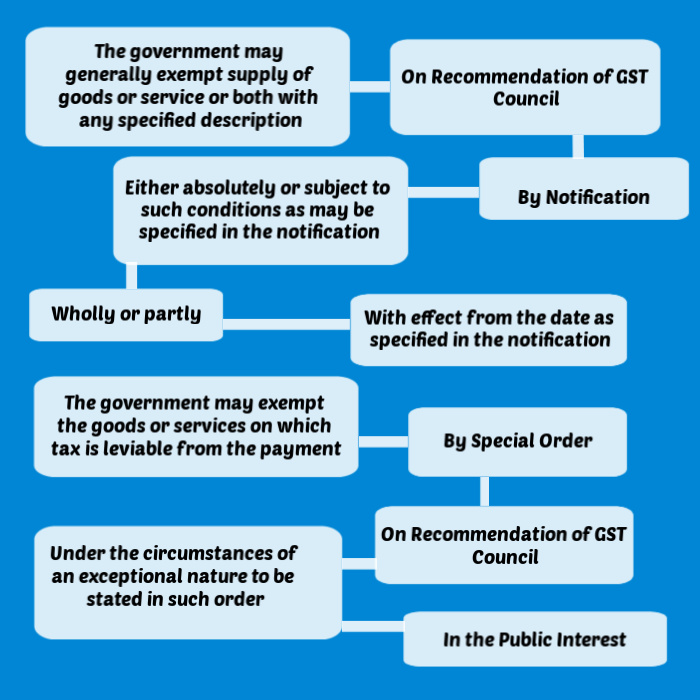
GST exemptions generally fall into two categories: absolute and conditional. An absolute exemption applies to the supply of specific goods or services regardless of who provides them or to whom they are provided. For example, basic unprocessed food items are often under an absolute exemption in many jurisdictions to ensure food security.
On the other hand, conditional exemptions are tied to specific criteria. This might include the nature of the recipient (e.g., services provided to a non-profit organization) or the value of the transaction. In business finance, tracking these conditions is paramount, as failing to meet a single requirement can turn an exempt transaction into a taxable one, leading to unforeseen liabilities.
Goods vs. Services
Exemptions are not applied uniformly across all sectors. In the realm of “Goods,” exemptions usually target necessities such as fresh produce, milk, and salt. In the “Services” sector, exemptions are often found in healthcare, education, and certain residential real estate transactions. For a business operating in these sectors, the financial structure must account for the fact that while they do not collect tax from their clients, they also face unique restrictions regarding the tax they pay to their own suppliers.
Why Do GST Exemptions Exist? Policy and Economic Perspectives
Governments do not grant GST exemptions arbitrarily. Every exemption is a calculated policy tool designed to influence the economy or protect vulnerable populations. From a business finance perspective, understanding the “why” behind these exemptions helps in forecasting legislative changes and adapting long-term financial strategies.
Social Welfare and Basic Necessities
The most common reason for GST exemptions is to reduce the regressive nature of consumption taxes. Because lower-income households spend a larger percentage of their income on basic needs, taxing these items would place a disproportionate burden on them. By exempting healthcare, primary education, and essential groceries, the government ensures that the cost of living remains manageable. For businesses in these niches, this creates a stable market but also introduces specific regulatory oversight to prevent the abuse of these tax-free statuses.
Encouraging Small Business Growth
Another significant form of exemption is based on the “threshold limit.” Most GST jurisdictions allow small businesses with an annual turnover below a certain amount (e.g., $50,000 or $100,000) to remain outside the GST net. This is a critical side-hustle and small business finance strategy. It allows new players to compete on price by not having to add tax to their invoices, and it relieves them of the administrative burden of monthly tax filings. However, as a business grows and approaches this threshold, the transition into a GST-registered entity requires a total overhaul of financial reporting and pricing models.
Navigating the Differences: Exempt vs. Zero-Rated vs. Non-GST
One of the biggest pitfalls in business finance is confusing “Exempt” supplies with “Zero-Rated” or “Non-GST” supplies. While all three result in zero tax being charged to the customer, their impact on the internal accounting of a business is vastly different.
Input Tax Credits (The Critical Distinction)
The most vital concept to grasp here is the Input Tax Credit (ITC). In a standard GST model, a business pays tax on its inputs (raw materials, rent, utilities) and collects tax on its outputs. It then pays the difference to the government.

When a supply is Zero-Rated (such as exports), the tax rate is 0%, but the business can still claim credits for the GST they paid on their inputs. This is the “gold standard” for business cash flow.
When a supply is Exempt, the business does not charge tax, but they are also prohibited from claiming any credits on their inputs. This means the GST paid on the office rent or electricity becomes a “sunk cost” that must be absorbed into the business’s expenses.
Implications for Profitability
If your business primarily provides exempt services, your cost of operation is effectively higher than a business providing taxable or zero-rated services because you cannot recover the tax spent on business expenses. This requires a much tighter control over procurement and a higher degree of precision in margin calculation. Finance professionals must treat the “lost” input tax as a direct expense, which can significantly alter the break-even analysis of a project.
How Businesses Should Manage GST-Exempt Supplies
Proper management of GST-exempt supplies is a cornerstone of robust financial health. It requires a combination of meticulous record-keeping, the right financial tools, and a proactive approach to compliance.
Record Keeping and Compliance
For businesses that deal in both taxable and exempt supplies—known as “mixed supplies”—the accounting can become a nightmare. You must accurately apportion your input tax credits. For example, if you rent a building that serves as both a health clinic (exempt) and a retail pharmacy (taxable), you cannot claim 100% of the GST on the rent as a credit. You must use a formula (usually based on turnover ratios) to determine how much credit you are entitled to.
Modern financial software and AI-driven accounting tools are becoming indispensable here. They allow for the tagging of transactions at the point of entry, ensuring that at the end of the quarter, the “GST-exempt” portion of expenses is automatically calculated, reducing the risk of audit triggers.
Common Pitfalls in GST Filing
The most common mistake businesses make is over-claiming input tax credits. Revenue services are particularly aggressive in auditing businesses that report high exempt turnover but still claim full credits on their business overheads. Another pitfall is failing to update the status of goods. Tax categories change; a product that was exempt last year might be reclassified as taxable this year. Staying updated through financial newsletters and tax advisories is a non-negotiable part of business finance management.
The Global Perspective: Regional Variations in GST/VAT
While the principles of GST are global, the application of exemptions varies wildly by country. For businesses engaged in international trade or digital services, understanding these regional differences is a key part of financial planning.
Regional Variations: India, Australia, and Beyond
In India, the GST council frequently moves items between different “slabs” (5%, 12%, 18%, 28%) and the exempt category. This creates a volatile environment for pricing. In contrast, Australia’s GST system is relatively stable but has strict definitions for “GST-free” (zero-rated) versus “Input Taxed” (exempt) supplies, particularly in the financial services sector.
Singapore offers a unique “Major Exporter Scheme” which functions as a form of exemption to ease cash flow for businesses that import and export large volumes of goods. Understanding these local nuances can save a company millions in avoided penalties and optimized tax structures.
Future Trends in Tax Reform
As digital economies grow, many governments are reconsidering their exemption lists. There is a global trend toward broadening the tax base, which means fewer exemptions. For instance, digital “side hustles” that were once under the radar are now being pulled into the GST net through lower thresholds. Business leaders must build flexibility into their financial models to account for a future where currently exempt services might become taxable.
Conclusion: Strategy Over Compliance
In the world of money and business finance, a GST exemption should not be viewed merely as a “day off” from tax collection. Instead, it should be viewed as a strategic variable. While it offers a price advantage to the end consumer, it places a unique burden on the business to manage unrecoverable costs and complex apportionment rules.
By mastering the distinction between exempt and zero-rated supplies, leveraging financial technology for precise tracking, and staying ahead of legislative shifts, businesses can turn tax compliance into a competitive advantage. Whether you are a solo entrepreneur or a corporate CFO, the ability to navigate GST exemptions with precision is a hallmark of financial literacy and a prerequisite for long-term fiscal success.
aViewFromTheCave is a participant in the Amazon Services LLC Associates Program, an affiliate advertising program designed to provide a means for sites to earn advertising fees by advertising and linking to Amazon.com. Amazon, the Amazon logo, AmazonSupply, and the AmazonSupply logo are trademarks of Amazon.com, Inc. or its affiliates. As an Amazon Associate we earn affiliate commissions from qualifying purchases.