
In the complex ecosystem of modern finance, the role of a forensic accountant has evolved from a niche specialty into a cornerstone of corporate integrity and legal accountability. Often described as the “CSI of the accounting world,” forensic accountants merge the meticulous nature of auditing with the investigative rigor of law enforcement. However, beyond the intrigue of uncovering white-collar crime and tracing laundered funds, prospective professionals and seasoned veterans alike are primarily concerned with the bottom line: what is a forensic accountant’s salary?
In this comprehensive guide, we analyze the financial landscape of this career path through the lens of personal finance and business economics. We will explore how education, geography, and specialization dictate earning power, and why this profession remains one of the most lucrative and stable sectors within the financial services industry.

The Financial Architecture of a Forensic Accounting Career
The salary of a forensic accountant is not a static figure; it is a dynamic value influenced by experience levels and the specific complexity of the cases handled. Because forensic accounting requires a unique blend of accounting knowledge, legal intuition, and psychological insight, the market is willing to pay a premium for these skills.
Entry-Level Compensation: Building the Foundation
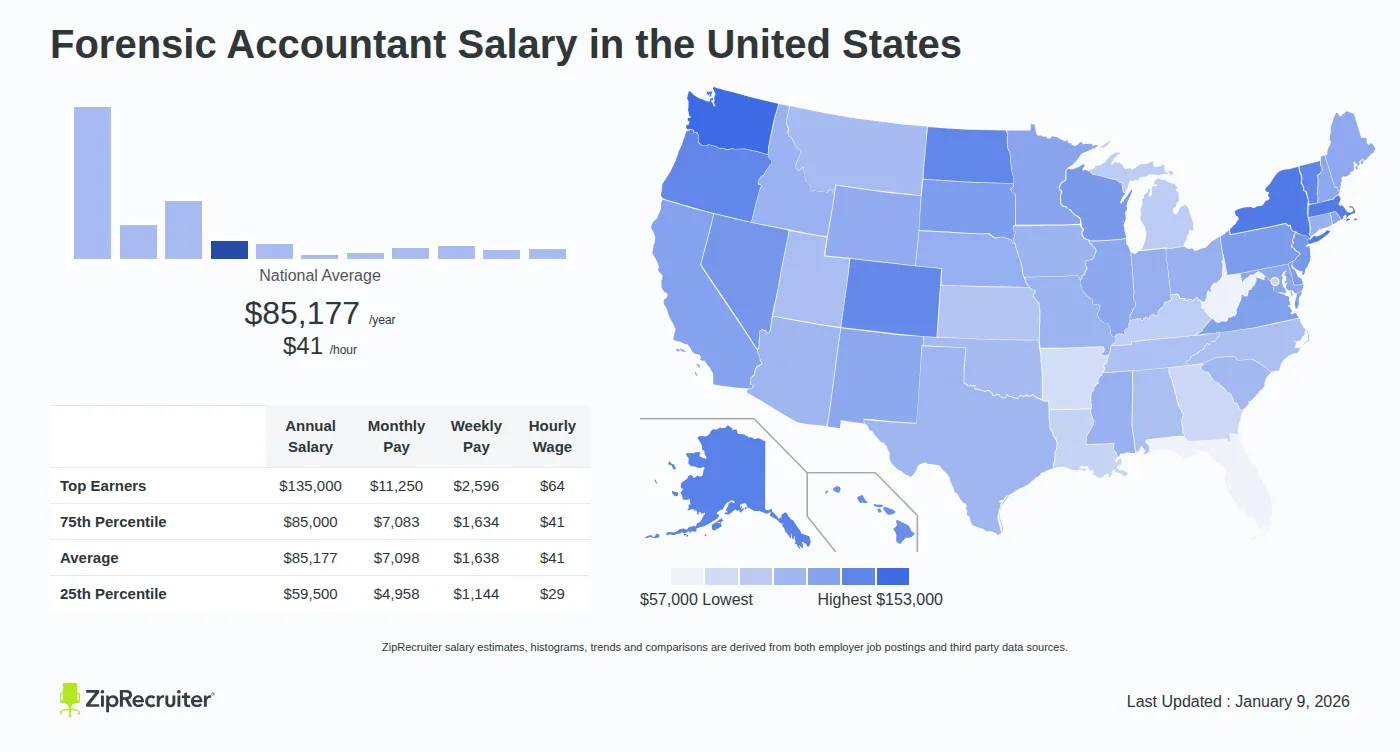
For those just entering the field, typically with a Bachelor’s degree in accounting or finance, the starting salary is competitive compared to traditional auditing roles. In the United States, an entry-level forensic accountant can expect a starting salary ranging from $60,000 to $75,000 per year.
At this stage, the “Money” aspect of the career is focused on the Return on Investment (ROI) of one’s education. Most entry-level professionals spend their first few years under the tutelage of senior investigators, learning the nuances of data recovery, financial statement analysis, and the basics of courtroom testimony. While the base pay is solid, the true value at this stage lies in the rapid accumulation of specialized knowledge that acts as a catalyst for future salary hikes.
Mid-Career Growth and the Six-Figure Threshold
Once a professional reaches the 5-to-10-year mark, their market value increases significantly. Mid-career forensic accountants often see their salaries jump into the $95,000 to $135,000 range. This leap is usually contingent upon obtaining professional certifications and demonstrating an ability to manage complex investigations independently.
At this level, the professional is no longer just a “number cruncher”; they are a strategic asset. They lead teams in investigating corporate fraud, insurance claims, and matrimonial disputes. The ability to translate complex financial anomalies into a narrative that a judge or jury can understand is exactly what commands this higher pay grade.
Senior Leadership and Expert Witness Fees
At the pinnacle of the profession—Partners at major firms, Directors of Forensic Services, or independent consultants—salaries often exceed $200,000 to $250,000 annually. However, for those at the top, the “salary” is only one part of the total compensation package.
Senior forensic accountants often earn substantial income through expert witness fees. When a seasoned professional is called to testify in high-stakes litigation, they may charge anywhere from $300 to $700 per hour. In a single high-profile case, the billable hours for testimony and preparation can equate to a significant portion of a standard annual salary, making the upper echelon of this field exceptionally wealthy.
Geographic and Industry Drivers of Earning Potential
While the nature of the work remains consistent, the “where” and “for whom” you work drastically alter your financial trajectory. The demand for forensic accounting is global, but the capital available to pay for it is concentrated in specific sectors and hubs.
The Impact of Location on Purchasing Power
Salary figures must always be viewed through the lens of the cost of living and local market demand. In major financial hubs like New York City, London, or Hong Kong, forensic accountants command salaries that are 20% to 40% higher than the national average. For instance, a manager in a Manhattan-based forensic firm might earn $160,000, while a professional with the same experience in a mid-sized Midwestern city might earn $115,000.
However, from a personal finance perspective, the higher salary in a “Tier 1” city doesn’t always lead to higher net savings. Professionals must weigh the gross income against the tax implications and housing costs of these financial centers to determine their true economic gain.

Private Practice vs. Public Sector
The choice between working for a government agency (like the FBI, IRS, or SEC) and a private firm (like the “Big Four” or boutique forensic firms) is a classic debate in business finance.
- The Private Sector: Offers higher base salaries, larger performance bonuses, and a faster track to high-wealth status. However, it often comes with “billable hour” pressure and higher volatility.
- The Public Sector: While the base salary for an FBI Forensic Accountant might be lower (typically following the GS-scale, starting around $70,000–$90,000), the total financial package includes federal benefits, robust pensions, and student loan forgiveness programs. For many, the long-term “hidden income” of a government pension outweighs the immediate cash of the private sector.
The ROI of Specialized Certifications
In the world of personal finance and career development, certifications are investments. In forensic accounting, these investments offer some of the highest ROIs in the professional world.
Certified Public Accountant (CPA)
The CPA is the “gold standard.” While not strictly a forensic designation, it is the foundation upon which most forensic careers are built. Statistics consistently show that CPAs earn 10% to 15% more than their non-certified counterparts. In the context of a 30-year career, this single certification can be worth over a million dollars in additional lifetime earnings.
Certified Fraud Examiner (CFE)
The CFE, issued by the Association of Certified Fraud Examiners (ACFE), is the most recognized specialized credential in the field. According to the ACFE’s Compensation Guide, professionals with the CFE credential earn 34% more than those without it. This is a remarkable statistic for a certification that can be earned in less than a year, representing an incredible “side hustle” style boost to one’s primary income.
Certified in Financial Forensics (CFF)
Offered by the AICPA, the CFF is specifically for CPAs who specialize in forensics. This credential signals to high-end clients and law firms that the accountant has met rigorous standards of experience and education. Holders of the CFF are often the first choice for high-paying expert witness roles and multi-million dollar corporate fraud investigations.
Forensic Accounting as a Business and Side Hustle
One of the most attractive aspects of forensic accounting within the “Money” niche is its scalability. Unlike traditional corporate roles, forensic accounting lends itself well to entrepreneurship and diversified income streams.
Launching a Private Consultancy
Many forensic accountants, after gaining a decade of experience, choose to leave the corporate world to start their own firms. This moves the individual from a “salary” mindset to a “business owner” mindset. As a solo practitioner, a forensic accountant can keep a significantly higher percentage of their billable rate. If a firm bills a client $350/hour for your time but pays you a $120,000 salary, you are only capturing a fraction of your value. By going independent, a professional can work fewer hours while maintaining or even increasing their previous annual income.
The “Expert Witness” Side Hustle
Even for those employed in full-time corporate roles, there are often opportunities (depending on employment contracts) to act as a consultant or researcher for legal cases. Forensic accountants possess a “portable” skill set. In the digital age, much of the data recovery and analysis can be done remotely, allowing for high-income side work in litigation support, bankruptcy processing, or data breach financial quantification.
Future Outlook: Protecting Your Financial Future
In an era where AI and automation are threatening many traditional accounting roles, forensic accounting remains remarkably “future-proof.” AI is excellent at processing large datasets, but it lacks the “professional skepticism” and the ability to testify in a court of law—elements that are central to forensic work.
Market Demand and Salary Stability
The global increase in cybercrime and financial regulation (such as the Sarbanes-Oxley Act and GDPR) ensures a permanent floor for the demand for forensic services. This demand translates directly into salary stability. During economic downturns, while other sectors are laying off staff, the forensic sector often grows as financial pressures lead to an uptick in corporate fraud and insurance claims.
Conclusion: A High-Value Financial Path
Ultimately, a career in forensic accounting is a strategic choice for anyone focused on long-term financial growth and professional security. With entry-level salaries starting strong and the potential for mid-career six-figure earnings—bolstered by the massive upside of expert witness fees and private practice—it stands as one of the most financially rewarding paths in the modern business world.
By treating your career as a financial portfolio—investing in the right certifications, choosing the right geographic markets, and moving toward high-value specializations—you can ensure that your “forensic accountant salary” is not just a paycheck, but a powerful engine for personal wealth and professional influence.
aViewFromTheCave is a participant in the Amazon Services LLC Associates Program, an affiliate advertising program designed to provide a means for sites to earn advertising fees by advertising and linking to Amazon.com. Amazon, the Amazon logo, AmazonSupply, and the AmazonSupply logo are trademarks of Amazon.com, Inc. or its affiliates. As an Amazon Associate we earn affiliate commissions from qualifying purchases.