
In the world of information technology, we often speak of “patches,” “updates,” and “system upgrades” to improve the functionality of a piece of software. In the realm of biotechnology—a sector rapidly merging with digital tech through synthetic biology—a similar process has existed for billions of years. This process is known as bacterial transformation.
At its core, bacterial transformation is the process by which a bacterium takes up foreign genetic material (DNA) from its environment and incorporates that DNA into its own genome. In the context of modern technology, this is the biological equivalent of a computer downloading a new driver to gain a new capability. Today, this natural phenomenon has been harnessed by tech-driven laboratories to manufacture everything from life-saving medicines to sustainable biofuels, making it one of the most critical “tools” in the deep-tech stack of the 21st century.

The Mechanics of Genetic Engineering: Understanding Bacterial Transformation
To understand the tech behind bacterial transformation, one must first view DNA as the ultimate source code. Bacteria are remarkably adept at horizontal gene transfer, which is the movement of genetic information between organisms rather than from parent to offspring. Transformation is one of the three primary methods of horizontal gene transfer, alongside transduction and conjugation.
The Biological Definition of Transformation
In a natural setting, when a bacterial cell dies, it often lyses (breaks open), releasing its DNA into the surrounding environment. Other nearby bacteria can pick up these fragments of “environmental DNA.” If this new code provides a survival advantage—such as resistance to an antibiotic—the recipient bacterium integrates it and passes it on to its progeny. In the tech world, this is akin to an open-source community where snippets of code are shared and integrated to improve the resilience of the entire network.
Competence: Preparing the Host for the “Update”
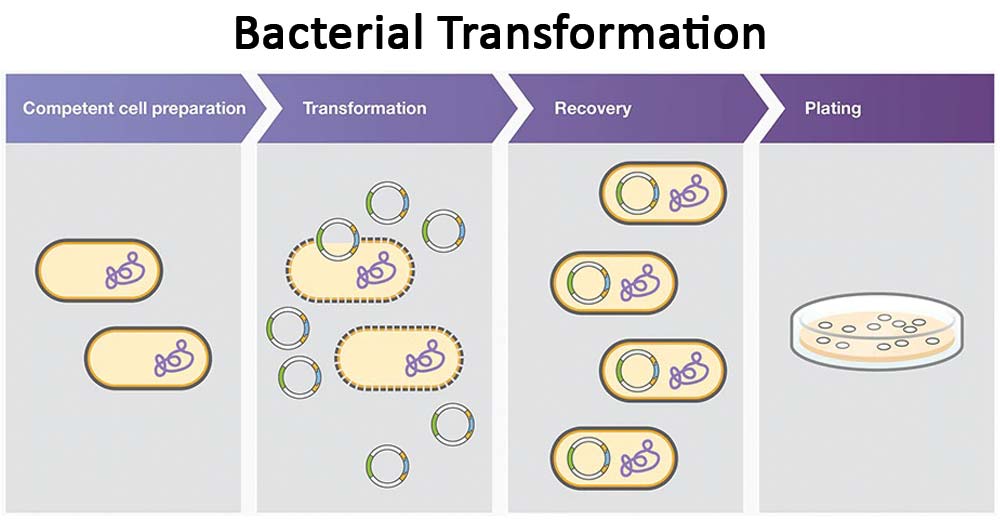
Not every bacterium is ready to accept new DNA at any given time. A state of “competence” must be reached. Natural competence is a genetically programmed state where the bacteria produce specific proteins (transformasomes) that act as the hardware interface to pull DNA across the cell membrane.
In biotechnology, however, we often use “artificial competence.” This is a laboratory-induced state where scientists use chemical or physical interventions to “unlock” the cell wall. By treating cells with calcium chloride or using electrical pulses, researchers create temporary pores in the cellular “firewall,” allowing engineered DNA to enter.
The “Tech Stack” of Synthetic Biology: Vectors and Delivery
In the software industry, code needs a container or a delivery vehicle to reach its destination securely. In the field of bacterial transformation, we use “vectors.” The most common vector is a plasmid—a small, circular piece of DNA that exists independently of the main bacterial chromosome.
Plasmids as Data Carriers
Plasmids are the “USB drives” of the biological world. In a laboratory setting, scientists engineer these plasmids to contain specific “features.” These usually include:
- The Gene of Interest: The actual “software” (e.g., the code for producing human insulin).
- A Selectable Marker: Usually an antibiotic resistance gene. This acts as a “checksum” or verification tool. If the bacteria grow on a plate containing the antibiotic, the scientist knows the “download” was successful.
- An Origin of Replication: The “boot sequence” that tells the cell to start copying this new piece of data.
By utilizing these modular components, bio-engineers can treat living cells as programmable hardware, inserting specialized scripts to perform complex tasks.
Heat Shock and Electroporation: The Installation Methods
The “installation” of a plasmid into a competent cell typically follows two high-tech protocols:
- Heat Shock: This method involves a rapid temperature shift. The bacteria are kept on ice and then suddenly plunged into a 42°C (107.6°F) environment. This thermal stress creates a pressure imbalance that “sucks” the DNA into the cell. It is a crude but effective way of bypassing cellular security.
- Electroporation: This is the more advanced, “high-bandwidth” version of the process. An electrical field is applied to the bacteria, momentarily destabilizing the cell membrane and creating large pores. This method is highly efficient and is often used when trying to transform large batches of cells or when working with complex, multi-part genetic circuits.
Applications in Modern Tech and Medicine: The Living Factory
The reason bacterial transformation is a cornerstone of the modern tech economy is its ability to turn microorganisms into “living factories.” Instead of building massive chemical synthesis plants, we can program a trillion bacteria to do the work for us at a microscopic scale.
Biomanufacturing: Bacteria as Living Factories
The most famous success story of bacterial transformation is the production of human insulin. Before the 1970s, insulin was harvested from the pancreases of slaughtered cows and pigs. Through transformation technology, the human gene for insulin was “uploaded” into E. coli bacteria. These transformed bacteria now read the human code and churn out identical human insulin in massive fermentation vats.
This same “tech” is being applied to the production of enzymes for laundry detergents, proteins for lab-grown meat, and even specialized chemicals for the semiconductor industry. We are moving away from traditional manufacturing and toward a “biological foundry” model.
CRISPR and the Future of Programmable Life
While transformation traditionally involves adding a separate plasmid, newer tech like CRISPR-Cas9 utilizes transformation to deliver the “editing tools” themselves. Once the CRISPR system is transformed into the bacteria, it can precisely edit the host’s existing genome. This represents a transition from simply adding a “plugin” to fundamentally rewriting the “operating system” of the organism. This level of precision is driving the next wave of “Deep Tech” startups that aim to cure genetic diseases and engineer plants that can scrub carbon from the atmosphere more efficiently.
The Intersection of AI and Bio-Transformation
We are currently witnessing a massive convergence between Artificial Intelligence (AI) and biotechnology. The process of bacterial transformation is being optimized through machine learning algorithms that predict the best DNA sequences for successful integration.
AI-Driven Genetic Design
In the past, designing a plasmid was a process of trial and error. Today, AI tools like AlphaFold and generative design models allow scientists to simulate how a transformed gene will behave before a single pipette is touched. These tools can predict protein folding and metabolic pathways, ensuring that once the “transformation” occurs, the bacteria will perform the desired function without crashing the “system” (the cell’s metabolic balance).
High-Throughput Robotic Labs
Transformation is no longer just a manual task performed by a scientist at a bench. “Cloud labs” and robotic platforms now perform thousands of transformations simultaneously. These automated systems use microfluidics and robotic arms to prepare competent cells, apply heat shock, and screen for successful “downloads.” This is scaling biotechnology at a rate comparable to Moore’s Law in the semiconductor industry.
Digital Security and Ethical Guardrails in Bio-Tech
As we treat biology more like information technology, we must also confront the “cybersecurity” risks associated with it. Bacterial transformation is a powerful tool, but in the wrong hands, it poses significant risks.
Bio-Hacking and Security Risks
The democratization of transformation technology means that the tools required to “reprogram” life are becoming cheaper and more accessible. This has led to the rise of the “bio-hacker” community. While most are hobbyists or researchers, the potential for malicious actors to transform bacteria into harmful pathogens is a major concern for global security. Agencies are now developing “digital signatures” for synthetic DNA, allowing them to track who is ordering specific sequences and for what purpose—essentially a “firewall” for the biological world.

Governance in the Age of Synthetic Life
How do we regulate a technology that allows us to create new life forms? As transformation and synthetic biology advance, the tech industry and governments are struggling to define the boundaries. Ethical considerations regarding the release of “transformed” organisms into the wild are at the forefront of international policy. Ensuring that these “living updates” do not disrupt existing ecosystems is the biological equivalent of ensuring that a software update doesn’t break the internet’s global infrastructure.
Bacterial transformation is far more than a laboratory experiment; it is the fundamental “write” operation in the language of life. By mastering this process, we have unlocked the ability to treat the natural world as a programmable platform, ushering in an era of technology that is grown, not just built.
aViewFromTheCave is a participant in the Amazon Services LLC Associates Program, an affiliate advertising program designed to provide a means for sites to earn advertising fees by advertising and linking to Amazon.com. Amazon, the Amazon logo, AmazonSupply, and the AmazonSupply logo are trademarks of Amazon.com, Inc. or its affiliates. As an Amazon Associate we earn affiliate commissions from qualifying purchases.