
For decades, the question “what height to mow the lawn” was answered by a manual lever on a gas-powered machine and a homeowner’s intuition. However, in the contemporary landscape of smart cities and automated homes, the height of a blade of grass is no longer just a gardening preference—it is a data point. As the Internet of Things (IoT), autonomous robotics, and predictive analytics permeate every facet of our lives, the “green industry” is undergoing a digital transformation.
The intersection of horticulture and high technology has birthed a new era of precision landscaping. Today, determining the optimal mowing height involves sophisticated algorithms that factor in localized weather patterns, soil moisture sensors, and the specific genetic profile of the turf. This shift from mechanical tools to integrated tech stacks is redefining how we maintain residential and commercial outdoor spaces.
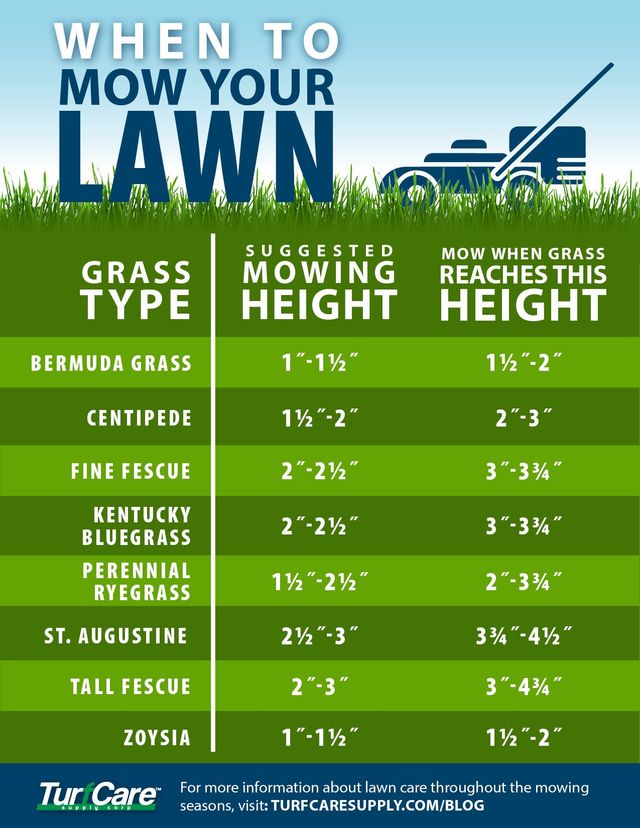
The Digital Variable: Why Mowing Height is Now an Algorithmic Output
In the traditional sense, mowing height was a static choice. In the tech-driven paradigm, mowing height is a dynamic variable managed by edge computing and real-time data feeds. The “optimal height” is now determined by the intersection of hardware sensors and cloud-based processing.
Sensor Integration and Real-Time Soil Analytics
Modern lawn care ecosystems utilize a network of buried or surface-level IoT sensors that monitor nitrogen levels, moisture content, and soil temperature. These sensors relay data to a central hub—often a smartphone app or a localized server—which then calculates the grass’s growth rate. If the data indicates a period of high stress due to heat or drought, the “Smart System” automatically adjusts the mower’s deck height via electronic actuators. This prevents the “scalping” of the lawn, a common human error that leads to root shock. By keeping the blade height higher during high-heat cycles, the tech ensures the soil remains shaded, preserving moisture and reducing the energy required for irrigation.
LiDAR and Terrain Mapping
High-end autonomous mowers are now equipped with Light Detection and Ranging (LiDAR) and SLAM (Simultaneous Localization and Mapping) technologies. These are the same systems used in self-driving cars. When a robotic mower assesses a lawn, it creates a 3-D topographical map. The tech allows the mower to understand the “micro-climates” within a single yard. For instance, grass in a high-traffic, sun-drenched area might need to be kept at 3.5 inches to maintain resilience, while shaded areas near a structure can be kept shorter. The software manages these transitions seamlessly, adjusting the cutting deck in real-time as the unit traverses different zones.
Autonomous Innovation: The Engineering of Robotic Mowing Systems
The shift toward technology in lawn maintenance is most visible in the rapid adoption of Robotic Lawn Mowers (RLMs). These are not merely “Roombas for the grass”; they are sophisticated pieces of mobile robotics engineering designed to optimize the health of the turf through “frequent-clip” logic.
RTK-GPS and Centimeter-Level Precision
Older generations of robotic mowers relied on boundary wires buried in the ground, which acted as a simple “on/off” switch for the mower’s movement. Modern professional-grade units utilize Real-Time Kinematic (RTK) GPS. By using a local base station to correct satellite signals, these mowers achieve a positioning accuracy of within 1 to 2 centimeters. This precision allows for systematic striping patterns—previously only possible by human professionals—and ensures that the height of the cut is uniform across the entire property, regardless of undulations in the ground.
Computer Vision and Neural Networks
Beyond just cutting grass, the latest tech involves the integration of onboard cameras and neural networks. These mowers can distinguish between a blade of grass and a foreign object, such as a fallen branch, a pet, or a child’s toy. More impressively, AI-driven vision systems can identify weed infestations. When the system detects a patch of clover or crabgrass, it can log the GPS coordinates and send a notification to the user’s dashboard, or in some experimental models, adjust its cutting height specifically for that patch to prevent weed seed dispersal.
The “Little and Often” Logic
The core technological advantage of robotic systems is the “little and often” approach. Unlike a human who might mow once a week, removing 40% of the grass height at once, an autonomous unit mows daily, removing only a few millimeters. This creates a constant mulch of “micro-clippings” that are rich in nutrients. The software governs this frequency, ensuring the grass is always at its “biological peak” height, which maximizes photosynthesis and minimizes the need for chemical fertilizers.
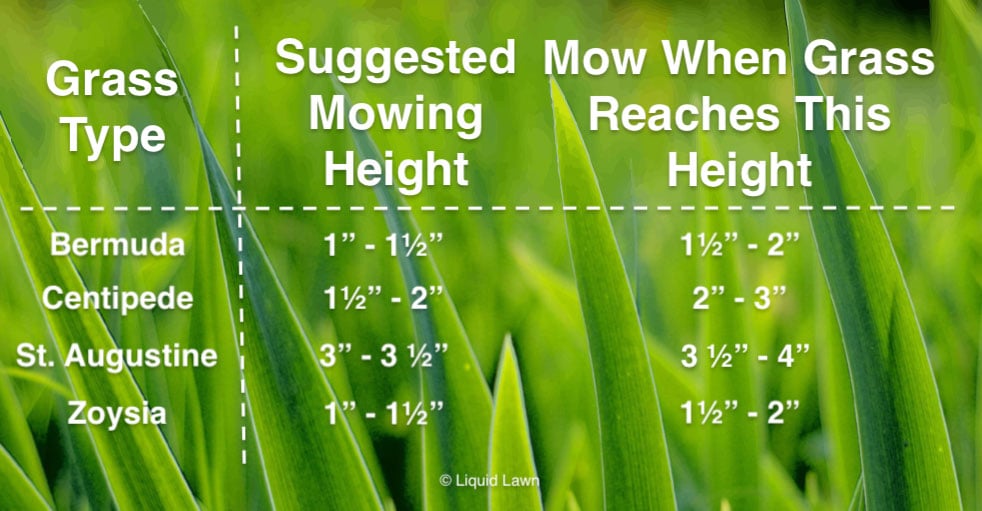
Data-Driven Landscaping: The Software and SaaS Revolution
While the hardware is impressive, the real disruption in the industry is happening in the software layer. For commercial landscaping enterprises, the question of “what height to mow” is part of a larger logistical and financial optimization problem solved by Software as a Service (SaaS) platforms.
Predictive Growth Modeling
Advanced landscaping software now incorporates predictive growth models. By pulling data from global weather APIs and historical growth patterns for specific grass cultivars (like Kentucky Bluegrass vs. St. Augustine), the software can predict exactly when a lawn will reach a height that requires intervention. This allows companies to move from a “schedule-based” model to a “need-based” model. If the software predicts slow growth due to a cold snap, it can automatically reschedule a fleet of mowers, saving fuel, labor, and equipment wear.
Fleet Management and Telematics
For organizations managing large-scale assets like golf courses or corporate campuses, telematics provide a bird’s-eye view of operations. Every mower is a connected node in a network. Managers can monitor the cutting height of 50 different machines across 10 different sites from a single tablet. This ensures brand and aesthetic consistency. If a specific mower is cutting too low (which could lead to turf disease and costly replacement), the software triggers an alert, allowing for remote calibration of the deck height before damage occurs.
API Integration with Smart Home Ecosystems
The consumer side of this tech involves deep integration with smart home platforms like Apple HomeKit, Google Home, or Amazon Alexa. A homeowner can now use a voice command to ask, “What is the current health of my lawn?” The system responds with data on the current height, the last time it was cut, and a recommendation for the next cycle based on the upcoming weather forecast. This level of connectivity turns the lawn into another “smart zone” of the house, managed with the same digital precision as the thermostat or security system.
The Future of Green Tech: Sustainability and Precision Engineering
The drive toward technological precision in lawn height and maintenance is not just about aesthetics or convenience; it is a critical component of the “Green Tech” movement. As we face increasing pressure to conserve water and reduce carbon emissions, the tech sector is providing the solutions.
Electrification and Carbon Neutrality
The transition from internal combustion engines to high-capacity lithium-ion batteries in mowers is a major tech trend. Electric mowers, controlled by smart power management software, are significantly more efficient. Because they are quieter and produce zero emissions at the point of use, they can operate during “off-peak” hours, such as early morning or late night, without violating noise ordinances. The software optimizes the battery discharge rate based on the resistance of the grass; for instance, if the mower detects higher, thicker grass, it intelligently increases torque to maintain a clean cut.
Bio-Mimicry and Edge Computing
Looking further ahead, we are seeing the emergence of “swarm robotics” in landscaping. Instead of one large mower, a swarm of small, highly intelligent robots works together to maintain a field. These robots use edge computing to communicate with each other, ensuring that no blade of grass is missed and that the entire area is maintained at a mathematically perfect height. This bio-mimetic approach (similar to how bees or ants operate) reduces soil compaction and allows for a level of precision that was previously unimaginable.
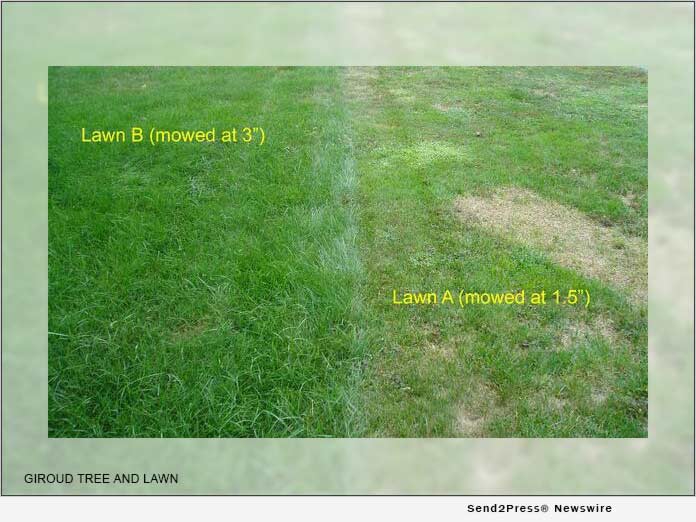
Conclusion: The New Standard of Precision
The question of “what height to mow lawn” has been fundamentally re-engineered for the digital age. It is no longer a matter of a cursory glance at the yard; it is an exercise in data science, robotics, and integrated software systems. By leveraging IoT sensors, RTK-GPS, and predictive analytics, we are moving toward a future where our green spaces are managed with the same level of technical sophistication as a high-tech manufacturing plant.
As these technologies continue to mature and become more accessible, the “smart lawn” will become a standard feature of the modern home. In this new era, the height of the grass is a testament to the power of precision engineering—a perfect blend of nature and the machine. For the tech-savvy property owner or the forward-thinking landscape architect, the blade of grass is no longer just a plant; it is a vital part of a connected, optimized, and sustainable ecosystem.
aViewFromTheCave is a participant in the Amazon Services LLC Associates Program, an affiliate advertising program designed to provide a means for sites to earn advertising fees by advertising and linking to Amazon.com. Amazon, the Amazon logo, AmazonSupply, and the AmazonSupply logo are trademarks of Amazon.com, Inc. or its affiliates. As an Amazon Associate we earn affiliate commissions from qualifying purchases.