
The intricate tapestry of Better Call Saul, a prequel to the iconic Breaking Bad, offers far more than just a compelling narrative of a lawyer’s descent. Within its richly drawn characters and morally ambiguous universe, we find profound insights into human nature, ambition, and, perhaps most strikingly, the delicate art of personal and corporate branding. One character whose tragic arc provides an exceptionally potent, albeit dark, case study is Charles “Chuck” McGill. His story, marked by brilliance, envy, and ultimate self-destruction, serves as a stark illustration of how a carefully cultivated brand — both individual and organizational — can be meticulously built, brutally compromised, and ultimately shattered.
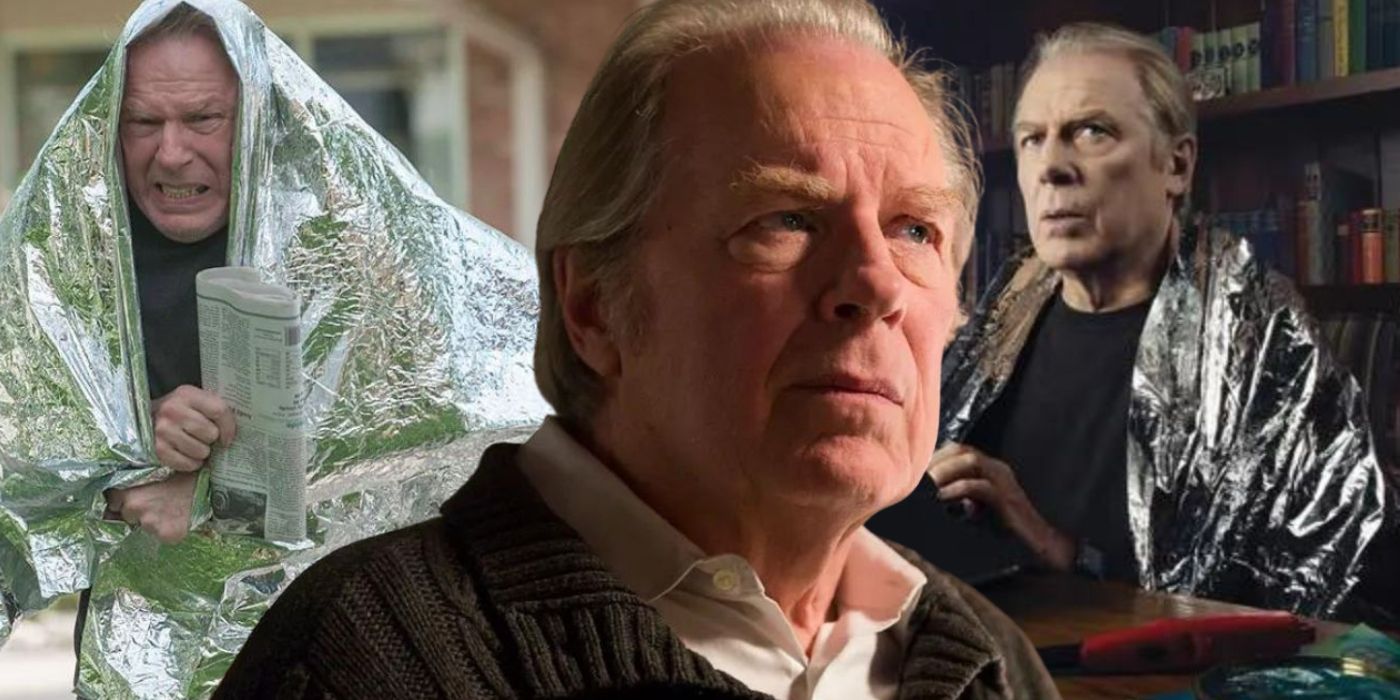
Chuck McGill, co-founder of the prestigious Hamlin, Hamlin & McGill (HHM), begins the series as an almost mythical figure in the legal world. He is a man of towering intellect, uncompromising ethics (at least in principle), and an unwavering commitment to the letter of the law. His brand is synonymous with integrity, legal prowess, and the gold standard of professional conduct. However, the narrative expertly unravels this pristine image, revealing the fragile ego and deep-seated insecurities that fester beneath the surface, ultimately leading to his tragic downfall and, by extension, profoundly impacting the corporate identity he helped establish.
The Architect of His Own Brand: Chuck McGill’s Professional Identity
Chuck McGill’s initial portrayal is one of unassailable professional stature. He is introduced not merely as a lawyer but as a legal titan, a respected elder statesman whose name alone carries immense weight in New Mexico’s legal circles. This reputation, carefully built over decades, represents his personal brand – a brand that is meticulously crafted and fiercely protected.
A Legacy Forged in Law: Establishing Chuck’s Initial Brand
From the outset, Chuck’s brand is defined by intellectual superiority and an almost puritanical adherence to legal ethics. He co-founded HHM, a firm that bears his name, solidifying his identity as an indispensable pillar of its corporate brand. Clients sought HHM for its reputation, and a significant portion of that reputation was directly attributable to Chuck’s unparalleled legal mind and perceived moral high ground. He represented the pinnacle of what a lawyer should be: brilliant, principled, and utterly dedicated to the law. This perceived perfection made him an icon within his profession, a mentor to many, and the bedrock upon which HHM’s formidable corporate identity was built. His brand was a beacon of reliability and unwavering standards, a formidable asset in the competitive legal landscape.
The Double-Edged Sword of Reputation: How Chuck’s Brand Becomes a Barrier
While Chuck’s formidable reputation was undeniably his greatest asset, it also proved to be a critical flaw, a double-edged sword that ultimately contributed to his undoing. His brand of uncompromising integrity fostered an environment where he struggled with self-awareness and adaptation. He believed himself to be beyond reproach, leading to an inability to critically examine his own motives or acknowledge his own shortcomings. This rigid adherence to an idealized version of his personal brand made him inflexible, particularly concerning his younger brother, Jimmy.
The chasm between Chuck’s self-perception and his actions widened as the series progressed. His reputation, once a source of strength, became a cage. He couldn’t reconcile his elevated brand with the reality of his brother’s “slippin’ Jimmy” tendencies, nor could he accept that his own perception of justice might be flawed or, worse, selectively applied. This rigidity meant he couldn’t adapt to changing circumstances or perspectives, ultimately isolating him and setting him on a collision course with his own identity and the people around him.
Erosion of the Personal Brand: The Decline of Chuck McGill
Chuck’s personal branding, once robust and revered, began to unravel through a series of self-inflicted wounds and unyielding principles. This decline wasn’t sudden but a gradual chipping away, revealing the vulnerabilities that lay hidden beneath his polished exterior.
The Self-Inflicted Wounds of Envy and Insecurity
Perhaps the most destructive force eroding Chuck’s personal brand was his deep-seated envy and insecurity regarding Jimmy. While outwardly projecting an image of magnanimous, if exasperated, concern for his brother, Chuck secretly resented Jimmy’s effortless charm and burgeoning success. He viewed Jimmy’s methods as a direct affront to the sanctity of the law and, by extension, to his own highly principled brand. This resentment festered, manifesting as manipulative behavior, passive-aggression, and outright sabotage.
Chuck’s emotional instability, initially masked by his alleged electromagnetic hypersensitivity (EMS), became increasingly evident. His actions, driven by personal animosity rather than purely ethical considerations, betrayed the very integrity his brand purported to represent. For instance, his elaborate scheme to expose Jimmy’s illegal activities, while legally justifiable from his perspective, was fundamentally rooted in a desire to discredit and destroy his brother, rather than purely uphold justice. This emotional component introduced significant “brand inconsistency,” weakening his perceived authority and ethical standing among those privy to his true motivations.
The Paralysis of Principle: A Cautionary Tale
Chuck’s unwavering, and often hypocritical, adherence to a narrow set of principles proved to be another critical factor in the demise of his personal brand. He operated under a strict, black-and-white interpretation of the law, where there was no room for nuance, forgiveness, or human imperfection, especially concerning Jimmy. This inflexibility, while superficially appearing as strength, ultimately paralyzed his ability to adapt, empathize, or even self-reflect.
His insistence on doing things “by the book,” even when it led to inhumane or self-destructive outcomes, alienated those who might have supported him, including Kim Wexler and even Howard Hamlin to an extent. He failed to recognize that true integrity often requires empathy and a willingness to understand alternative perspectives. His brand, once seen as a benchmark for professional excellence, devolved into an emblem of rigid dogma and personal vendetta, rendering him increasingly isolated and unsympathetic in the eyes of the audience, and eventually, the characters within the story.
Public Perception vs. Private Reality: The Growing Chasm
As Chuck’s mental and emotional state deteriorated, a significant chasm emerged between his public image as a brilliant, if eccentric, legal mind and the increasingly erratic and manipulative reality of his private behavior. His alleged EMS condition, while initially garnering sympathy, eventually became a vehicle for his control and a symbol of his irrationality. During his public disbarment hearing against Jimmy, this disconnect became painfully clear. While he attempted to portray himself as a victim of Jimmy’s deceit, his own vitriol and unhinged testimony exposed the depth of his personal issues.
This public display of his unraveling not only damaged his personal brand but also called into question the judgment of those who continued to support him. The perception of Chuck as an infallible legal genius was irrevocably shattered, replaced by an image of a brilliant man consumed by his own demons and destructive impulses. His brand moved from aspirational to cautionary, demonstrating the fragility of reputation when internal conflicts are allowed to manifest publicly without proper management or self-awareness.
Collateral Damage: Impact on the Hamlin, Hamlin & McGill Corporate Brand
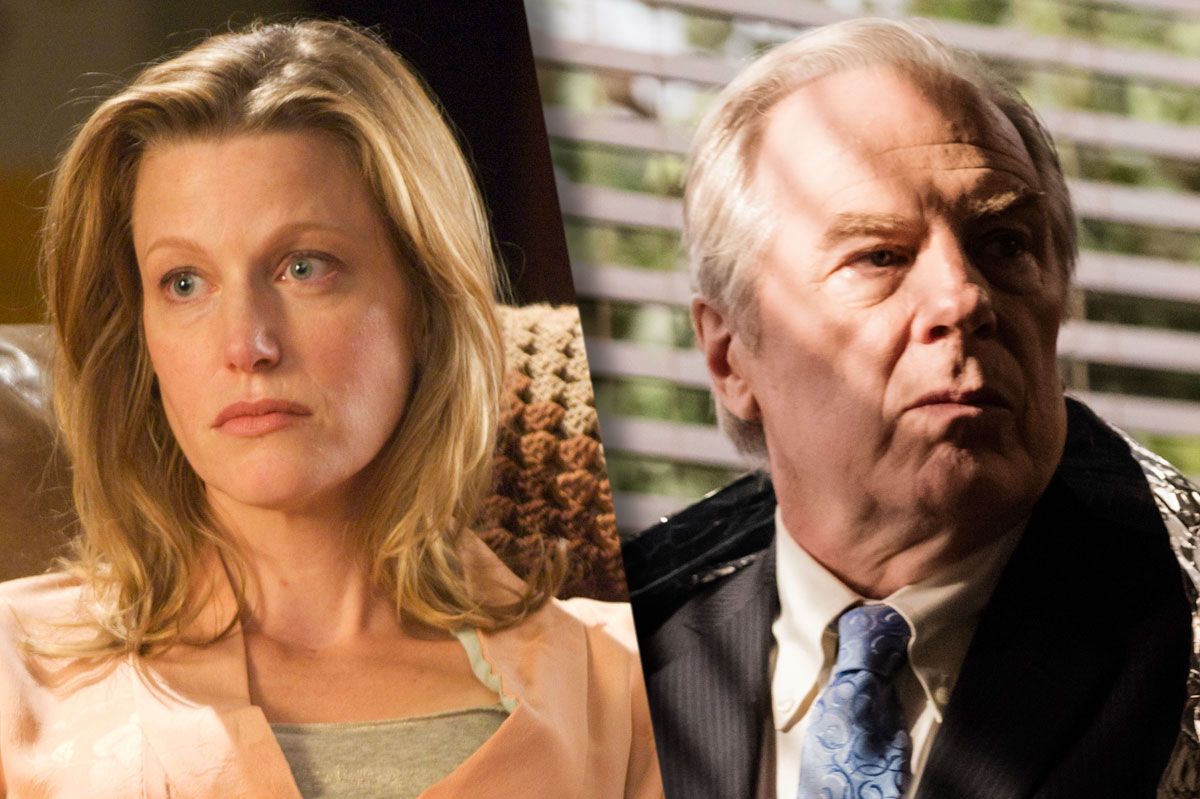
Chuck McGill’s personal brand erosion had significant ripple effects, extending far beyond his individual reputation to directly impact the corporate brand he co-founded. His personal struggles became HHM’s burden, challenging its integrity, stability, and public image.
Internal Discord and External Repercussions
Chuck’s escalating feud with Jimmy and his increasingly volatile behavior created immense internal discord within HHM. His absence from the office due to his EMS, coupled with his persistent attempts to sabotage Jimmy’s career, diverted significant firm resources and attention. The internal drama surrounding the McGill brothers became an open secret, leading to an uncomfortable and often hostile work environment. This internal strife inevitably had external repercussions, as employees and partners alike struggled to maintain professional composure amidst the personal vendetta unfolding within the firm. The corporate brand, once an exemplar of stability and success, began to show cracks under the pressure of Chuck’s personal battles. Clients and potential partners might question the firm’s leadership and internal cohesion, perceiving a lack of focus or stability.
Navigating a PR Nightmare: Howard Hamlin’s Burden
Howard Hamlin, the managing partner of HHM, found himself in the unenviable position of managing a rolling public relations nightmare stemming from Chuck’s eccentricities and legal disputes. Howard was tasked with shielding HHM’s corporate brand from the fallout of Chuck’s declining mental health and his vicious campaign against Jimmy. This involved covering for Chuck’s absence, managing his demanding and often irrational requests, and ultimately, defending the firm against the collateral damage of Chuck’s actions.
Howard’s efforts to maintain HHM’s image were monumental, showcasing the immense challenge of crisis management when a key figure becomes a liability. He had to balance loyalty to his partner with the imperative to protect the firm’s reputation and financial interests. The stress of this situation visibly weighed on Howard, highlighting the disproportionate impact one individual’s brand deterioration can have on an entire corporate entity.
The Cost of Brand Protection: Financial and Ethical Dilemmas
The attempt to protect the HHM corporate brand from Chuck’s implosion came with significant financial and ethical costs. The firm continued to pay Chuck’s partnership share despite his extended absence, a financial drain justified only by the desire to maintain the illusion of stability and respectability. Furthermore, HHM became entangled in Chuck’s legal battle against Jimmy, incurring legal fees and reputational risk. The firm’s partners were forced to make difficult ethical compromises, navigating Chuck’s sometimes irrational demands while trying to preserve their own professional integrity.
Ultimately, HHM had to buy out Chuck’s partnership, an expensive and emotionally taxing endeavor. This decision, driven by the need to amputate the toxic limb that Chuck had become to the corporate brand, underscored the profound financial and reputational cost of failing to address a key individual’s personal brand erosion sooner. It was a drastic measure to preserve the long-term viability and integrity of the HHM name.
The Final Act: A Brand’s Tragic End and Lasting Legacy
Chuck McGill’s story culminates in a devastating tragedy, offering poignant lessons about the limits of personal resilience and the profound impact of self-destruction on an individual’s brand and the wider ecosystem.
The Ultimate Self-Destruction: A Brand Unable to Reconcile
Chuck’s final, desperate actions, culminating in his tragic death by suicide, represent the ultimate act of self-destruction. His brand, once a beacon of legal excellence, had become entirely consumed by his personal demons, envy, and inability to reconcile with the world around him, particularly with Jimmy. His physical and mental decline paralleled the deterioration of his personal brand, culminating in an inability to exist within the framework he had so rigidly defined for himself.
His death signifies the tragic end of a brand that was too brittle to adapt, too proud to bend, and ultimately, unable to survive its own internal contradictions. It serves as a stark reminder that true strength in branding, whether personal or corporate, often lies in adaptability, self-awareness, and the capacity for growth, rather than rigid adherence to a static ideal.
Posthumous Brand Reassessment: Reshaping the Narrative
Chuck’s death forced a profound reassessment of his legacy and, by extension, the HHM brand. For Jimmy, Chuck’s demise solidified his path towards becoming Saul Goodman, hardening his resolve and stripping away the last vestiges of his desire for his brother’s approval. For Howard Hamlin, Chuck’s death carried a heavy burden of guilt and responsibility, significantly impacting his personal and professional life and, by extension, the perception of HHM’s leadership.
The narrative surrounding Chuck shifted from one of a living legend battling a difficult illness to that of a tragic figure whose brilliance was tragically overshadowed by his personal flaws. This posthumous re-evaluation reshaped how other characters, and the audience, perceived his contributions and failings, highlighting the enduring impact of a life, even in its absence, on the brand narrative.

Lessons from a Fallen Icon: Branding Beyond the Law
Chuck McGill’s story offers invaluable lessons for anyone interested in personal branding, corporate identity, and reputation management. It teaches us about:
- The Fragility of Reputation: How decades of meticulous brand building can be undone by unchecked personal flaws and unresolved internal conflicts.
- The Perils of Inflexibility: The danger of a brand that is too rigid, unable to adapt to new realities or acknowledge imperfections, leading to isolation and ultimate destruction.
- The Cost of Envy and Insecurity: How negative emotions, if left unmanaged, can poison one’s personal brand and spill over to inflict damage on associated corporate entities.
- The Interconnectedness of Personal and Corporate Branding: How the personal brand of a key leader is intrinsically linked to the health and perception of the organization they represent.
- The Importance of Self-Awareness: The critical need for individuals, especially those in leadership positions, to honestly assess their strengths and weaknesses, and to seek help when personal issues threaten professional integrity.
Chuck McGill’s journey in Better Call Saul is a powerful, albeit somber, reminder that a brand is not merely a logo or a set of achievements; it is a living entity, constantly shaped by actions, perceptions, and the underlying character of the individual or organization it represents. His tragic fate underscores the profound importance of emotional intelligence, adaptability, and ethical consistency in maintaining a resilient and respected brand, lessons that resonate far beyond the fictional legal world of Albuquerque.
aViewFromTheCave is a participant in the Amazon Services LLC Associates Program, an affiliate advertising program designed to provide a means for sites to earn advertising fees by advertising and linking to Amazon.com. Amazon, the Amazon logo, AmazonSupply, and the AmazonSupply logo are trademarks of Amazon.com, Inc. or its affiliates. As an Amazon Associate we earn affiliate commissions from qualifying purchases.