
For the modern investor, few events on the Wall Street calendar generate as much gravity, volatility, and discourse as a Tesla (TSLA) earnings report. As a bellwether for the electric vehicle (EV) industry, a heavyweight in the S&P 500, and a retail investor favorite, Tesla’s financial disclosures are more than just numbers on a spreadsheet—they are market-moving events that can shift billions of dollars in valuation in a single after-hours session. Understanding when and how Tesla reports its earnings is fundamental for anyone looking to navigate the complexities of the stock market.
Understanding Tesla’s Quarterly Earnings Cycle
Tesla operates on a standard fiscal year that aligns with the calendar year, ending on December 31. Like most publicly traded companies in the United States, Tesla is required by the Securities and Exchange Commission (SEC) to file quarterly reports (Form 10-Q) and an annual report (Form 10-K). For investors, these dates represent the “moments of truth” where the company’s ambitious narratives meet the cold reality of the balance sheet.
The Four Fiscal Quarters
Tesla’s reporting is divided into four distinct periods. The first quarter (Q1) ends on March 31, the second (Q2) on June 30, the third (Q3) on September 30, and the fourth (Q4) on December 31. However, the actual “report date”—the day the press release is issued and the conference call is held—typically occurs several weeks after the quarter has officially closed. This delay allows the company’s accounting teams to finalize the data and ensure compliance with auditing standards.
Typical Announcement Windows
While Tesla does not have a “fixed” date etched in stone a year in advance, they follow a highly predictable pattern. Generally, Tesla reports its earnings between 18 and 25 days after the quarter ends. This usually lands in the middle to late part of January, April, July, and October. Historically, Tesla favors Wednesdays for their earnings releases, typically dropping the Shareholder Deck shortly after the market closes at 4:00 PM ET, followed by a live question-and-answer session with executives at 5:30 PM ET.
The Preliminary Delivery Report
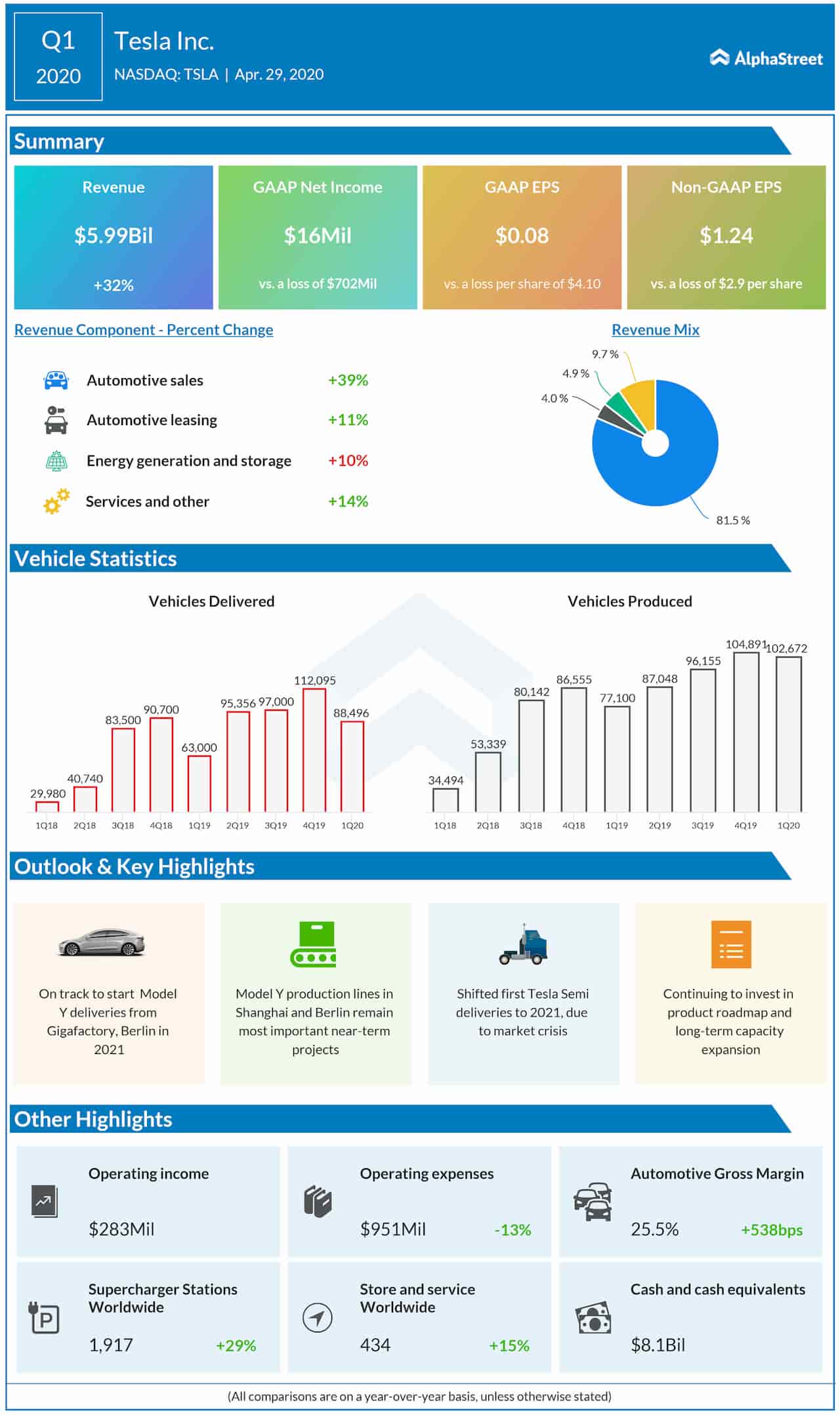
An important nuance for Tesla investors is the “preliminary delivery and production” report. Usually released within the first three days of a new quarter, this report provides the raw numbers of how many vehicles were built and delivered. While this is not the full earnings report, it often acts as a precursor. Because vehicle sales are Tesla’s primary revenue driver, these numbers allow analysts to fine-tune their revenue and profit estimates weeks before the official earnings date.
Key Metrics Every Investor Should Watch
When the earnings date finally arrives, the sheer volume of data can be overwhelming. To separate the signal from the noise, seasoned investors focus on a handful of “Money” metrics that dictate the stock’s long-term value and short-term price action.
Earnings Per Share (EPS) and Net Income
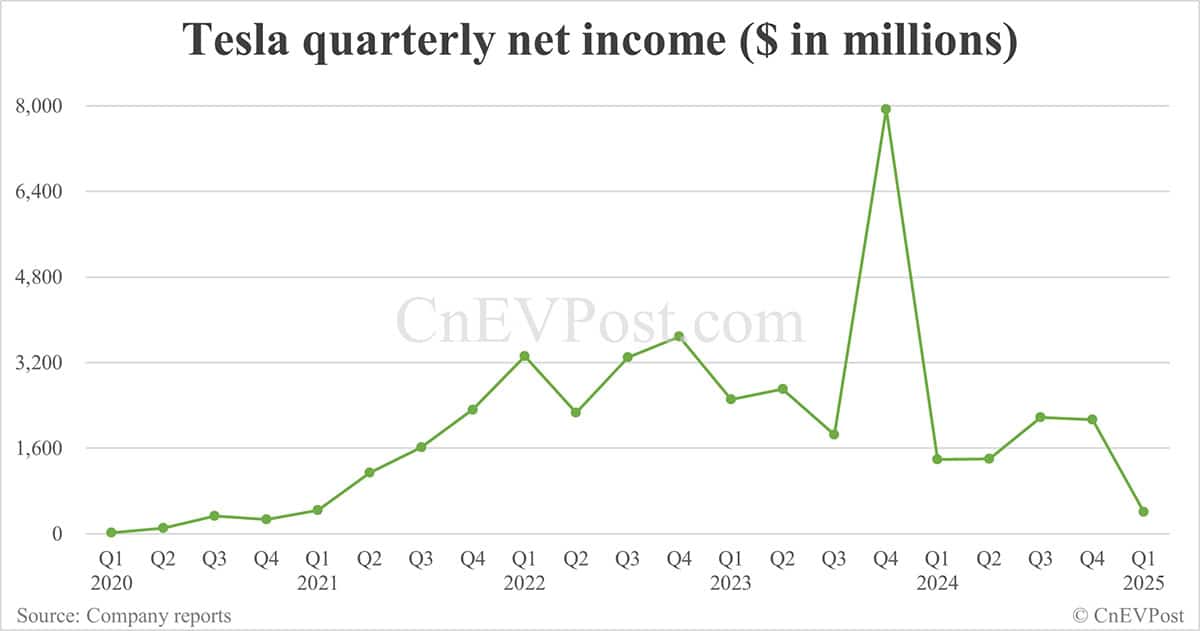
The “bottom line” remains the most scrutinized figure. EPS tells investors how much profit Tesla generated for every outstanding share of stock. Analysts provide “estimates,” and the market’s immediate reaction often depends on whether Tesla “beats” or “misses” these expectations. However, in the niche of business finance, it is equally important to look at GAAP versus non-GAAP earnings. GAAP earnings include all standard accounting costs, while non-GAAP often excludes one-time items or stock-based compensation, providing a different perspective on operational efficiency.
Automotive Gross Margins and GAAP Profitability
For years, the primary bull case for Tesla was its industry-leading margins. Investors watch the “Automotive Gross Margin (Excluding Regulatory Credits)” with eagle eyes. This metric reveals how much profit Tesla makes on each car sold after accounting for the costs of production. If margins are shrinking, it may suggest that price cuts are hurting the bottom line or that production costs are rising. Conversely, expanding margins usually signal that Tesla’s manufacturing innovations, like “gigacasting,” are paying off.
Regulatory Credits and Energy Revenue
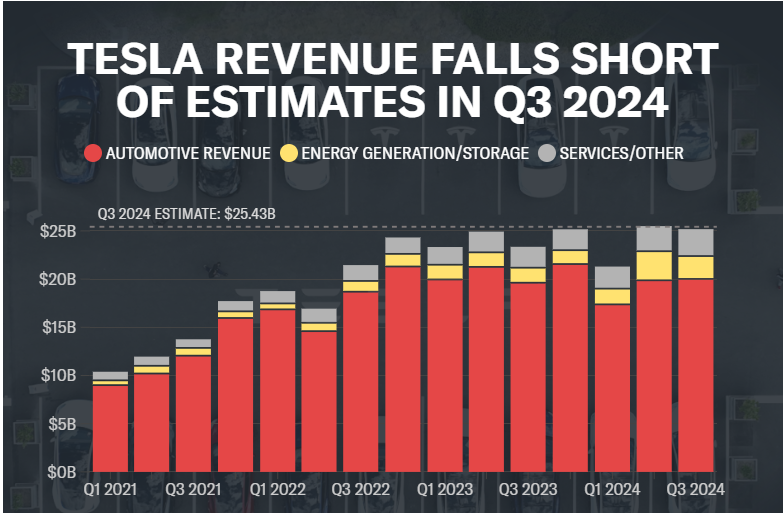
A unique aspect of Tesla’s financial health is its sale of Zero Emission Vehicle (ZEV) credits to other automakers who cannot meet environmental regulations. While this is “pure profit,” many analysts prefer to see Tesla’s core business becoming profitable without this “subsidized” income. Furthermore, as Tesla expands its “Energy” segment—including Megapack and Powerwall installations—the revenue growth and margin profile of this division have become increasingly relevant to the company’s total valuation.
How to Track the Tesla Earnings Date
Because the exact date can fluctuate by a few days each quarter, investors must know where to find the most accurate information. Relying on outdated blog posts can lead to missing crucial trading windows.
Official Tesla Investor Relations
The single most reliable source for the earnings date is the Tesla Investor Relations (IR) website. Approximately two weeks before the report, Tesla will issue a short press release titled “Tesla Announces Date for [Quarter] Financial Results.” This release will include the date, the time, and the link to the live webcast. Savvy investors often bookmark the IR “Events and Presentations” page to check for updates during the first week of the reporting month.
Financial News Aggregators and Brokerage Alerts
For those who do not want to manually check the IR site, most major financial platforms like Bloomberg, Reuters, and CNBC provide earnings calendars. Additionally, if you hold TSLA shares through a brokerage like Fidelity, Charles Schwab, or Robinhood, you can usually set up push notifications. These platforms will alert you the moment the date is confirmed and again when the PDF Shareholder Deck is released to the public.
Market Impact and Volatility: The “Tesla Effect”
Tesla is notoriously volatile around earnings. It is not uncommon for the stock to swing 5% to 10% in a single session following a report. This volatility creates both risks and opportunities for those focused on personal finance and active investing.
Pre-Earnings Anticipation and Post-Earnings Reaction
The “run-up” to earnings often sees increased trading volume as institutional investors and retail traders position themselves. This period is characterized by “implied volatility” (IV) in the options market. Once the numbers are released, a phenomenon known as “IV crush” often occurs, where the price of options drops significantly regardless of the stock’s direction, simply because the uncertainty of the event has passed. Understanding this dynamic is crucial for those using side hustles like options trading to generate income.
Influence on the S&P 500 and Tech Sector
Tesla’s earnings do not happen in a vacuum. Because of its massive market capitalization, Tesla’s performance can pull the entire Nasdaq 100 or S&P 500 up or down. If Tesla reports strong profits and high demand, it often lifts other EV stocks and high-growth tech companies. If Tesla warns of a slowdown, it can trigger a broader market sell-off. For investors with diversified portfolios, Tesla earnings day is an important health check for the broader “risk-on” sentiment in the market.
Strategic Considerations for Retail Investors
Knowing the date is the first step; knowing what to do with that information is the second. Tesla’s earnings calls are unique because they often blend hard financial data with forward-looking commentary on AI, robotics, and global macroeconomics.
Long-term Holding vs. Short-term Trading
For the long-term “buy and hold” investor, a single quarterly report is just one data point in a multi-year story. These investors use the earnings date as an opportunity to review the company’s fundamentals and ensure the original investment thesis remains intact. On the other hand, short-term traders may use the earnings date to play the volatility, utilizing strategies like “straddles” or “strangles” to profit from large price movements in either direction.
Preparing for the Earnings Call and Q&A
The real “alpha”—or market-beating information—often comes during the Q&A session of the earnings call. Tesla frequently takes questions from retail shareholders via the “Say” platform, allowing everyday investors to ask about capital expenditure, future vehicle programs, or share buybacks. Listening to the tone of the executives and their clarity regarding future guidance is often more telling than the numbers themselves. A company that provides clear, confident guidance on future cash flows is generally viewed more favorably by the market than one that remains vague during periods of economic uncertainty.
In conclusion, “when Tesla reports earnings” is a question that signals the start of a major financial event. By understanding the cycle, focusing on the right metrics, and tracking the dates through official channels, investors can better manage their portfolios and capitalize on the opportunities presented by one of the world’s most dynamic companies. Whether you are looking for a side hustle in swing trading or managing a long-term retirement fund, the Tesla earnings report is an essential fixture in the world of money.
aViewFromTheCave is a participant in the Amazon Services LLC Associates Program, an affiliate advertising program designed to provide a means for sites to earn advertising fees by advertising and linking to Amazon.com. Amazon, the Amazon logo, AmazonSupply, and the AmazonSupply logo are trademarks of Amazon.com, Inc. or its affiliates. As an Amazon Associate we earn affiliate commissions from qualifying purchases.