
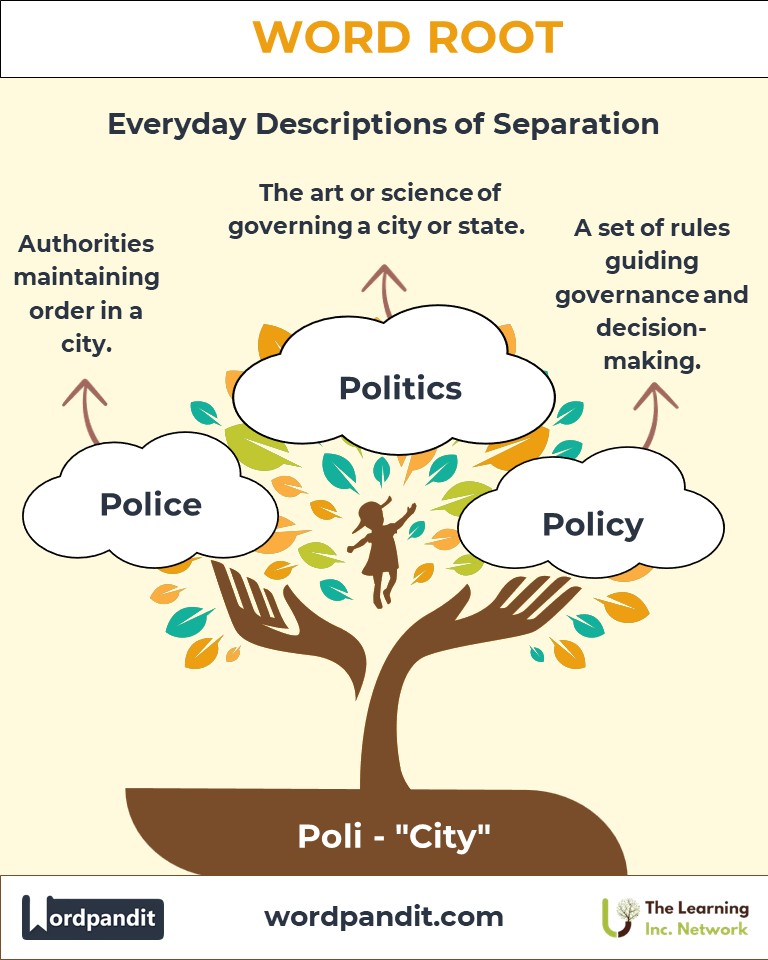
In the classical sense, the word “polis” refers to the ancient Greek city-state—a self-governing community of citizens. However, in the modern landscape of technology, software engineering, and digital infrastructure, the term has undergone a radical transformation. Today, when tech innovators, data scientists, and digital democracy advocates ask, “What does the word polis mean?” they are rarely referring to the geography of ancient Athens. Instead, they are discussing a sophisticated open-source platform, a framework for collective intelligence, and a technological solution to the fragmentation of the digital public square.

In the contemporary tech niche, “Polis” represents the intersection of machine learning and civic discourse. It is a tool designed to solve the “scaling problem” of human conversation. As we move deeper into the era of Web3 and AI-driven governance, understanding the technological weight of this word is essential for anyone involved in software development, digital security, or tech-led community management.
The Evolution of Polis: From Ancient City-State to Modern Digital Infrastructure
To understand the technological application of the word, we must first look at how the concept has been ported into the digital stack. In the realm of software and network theory, a “polis” is no longer defined by physical walls, but by the protocols and data structures that allow individuals to interact, deliberate, and reach consensus.
Redefining the “Polis” for the Information Age
In modern technology trends, “Polis” is primarily recognized as a powerful open-source platform used for large-scale public consultation. Developed by organizations like the Computational Democracy Project, the “Polis” software uses advanced statistics and machine learning to map out the “landscape” of opinion within a group. Unlike traditional social media platforms that thrive on engagement through conflict, the Polis framework is engineered to identify areas of consensus.
In this context, the word means a “digital space for structured deliberation.” It represents a shift away from the “town square” model of the internet—which is often chaotic and unmoderated—toward a “structured forum” where data visualization helps participants see where they agree with their peers.
The Shift from Geographic Borders to Digital Networks
The digital polis transcends geography. In the tech world, this refers to the creation of “network states” or decentralized autonomous organizations (DAOs). Here, the word “polis” signifies a governance layer in the software. When developers talk about building a “digital polis,” they are referring to the codebase that dictates how users vote, how resources are allocated, and how rules are enforced without a central authority. It is the architectural blueprint of a digital community, existing entirely within the cloud and secured by cryptographic protocols.
The Polis Platform: Using AI to Map Public Opinion and Foster Consensus
When we look at specific AI tools, “Polis” is the name of a specific software suite that has become a gold standard in civic tech. It is a prime example of how machine learning can be used for social good rather than just consumer targeting.
How the Polis Algorithm Works
The core of the Polis tech stack is its unique approach to data. When users participate in a Polis-based conversation, they don’t just leave comments in a linear thread. Instead, they “vote” on a series of short statements provided by other participants. The backend of the software then uses a machine learning technique called Principal Component Analysis (PCA) to group users based on their voting patterns.
This is a significant departure from standard sentiment analysis. Instead of just telling you what people are saying, Polis shows you who is saying it in relation to everyone else. It creates a real-time, multi-dimensional map of the community. In this technological context, “polis” means a “dynamically visualized data set of collective human intent.”
Breaking the Echo Chamber through Computational Topology
One of the most pressing issues in digital security and social tech is the “echo chamber” effect created by traditional algorithms. Polis is designed to do the opposite. Its algorithm is programmed to highlight “consensus statements”—points of agreement that bridge different groups.
By using clustering algorithms (specifically K-means clustering), the software identifies viewpoints that are supported across the entire spectrum of participants. For tech professionals, this represents a breakthrough in “Consensus Technology,” a niche field focused on using software to mitigate polarization and sybil attacks (where one user creates multiple identities to sway an outcome).
Case Studies: Implementing Digital Polis in Software and Civic Tech
The theoretical definition of “polis” is best understood through its real-world technological applications. From national governments to open-source software communities, the implementation of “Polis” as a tool has redefined how we view digital collective intelligence.
vTaiwan: A Blueprint for Open-Source Democracy
The most famous application of the Polis software is the vTaiwan project. This is an open-source, decentralized consultation process used by the Taiwanese government to regulate complex tech issues, such as the entry of Uber into the market and the regulation of fintech.
In this case study, “polis” was the engine that allowed thousands of citizens to participate in the legislative process. The software’s ability to handle massive scale without descending into “trolling” or noise proved that digital governance tools could be both secure and efficient. It demonstrated that a “polis” could be a modular piece of a nation’s digital infrastructure, acting as a bridge between the citizenry and the legal code.
Corporate Applications: Managing Stakeholder Input via AI
Beyond government, the word “polis” is entering the corporate tech lexicon. Large-scale software companies and hardware manufacturers are using Polis-like frameworks to manage internal feedback and product roadmaps.
When a tech company with 50,000 employees needs to decide on a new remote-work policy or a shift in its tech stack, traditional surveys are often inadequate. By deploying a digital polis, the organization can use AI to categorize employee sentiment into distinct “logical clusters.” This allows leadership to identify high-integrity consensus points that would be lost in a standard top-down communication model.
The Future of the Digital Polis: Security, Scalability, and AI Ethics
As we look toward the future of technology trends, the word “polis” will increasingly be associated with the “Governance Layer” of the internet. However, scaling these tools requires addressing significant challenges in digital security and ethical AI.
Ensuring Data Integrity and Security in Digital Forums
For a digital polis to be effective, it must be resistant to manipulation. This brings the word into the realm of digital security. How do we ensure that the “citizens” of a digital polis are real humans and not AI-driven bots?
Techniques such as “Proof of Personhood” and biometric verification are being integrated into Polis-style platforms. In this niche, “polis” refers to a “vetted network of authenticated actors.” Developers are currently working on integrating zero-knowledge proofs (ZK-proofs) into these platforms to allow users to vote and participate anonymously while still proving they are authorized members of the community.
The Role of Decentralized Tech in Scaling the Polis
The next frontier for the “polis” concept is the integration with blockchain and distributed ledger technology (DLT). By hosting the Polis algorithm on a decentralized network, developers can ensure that the results are immutable and transparent.
This is the ultimate evolution of the word: a “Polis on the Chain.” It removes the need for a trusted third party to host the server. Instead, the “polis” becomes a self-sustaining, autonomous piece of software that lives on a global network, accessible to anyone with an internet connection. This aligns with the broader tech trend of decentralization and the movement toward a more resilient, user-owned internet.

Conclusion: Why the Word Polis is the Key to the Next Tech Frontier
To answer the question, “What does the word polis mean?” in a modern tech context, one must look past the history books and into the codebase. Today, a “polis” is a sophisticated blend of machine learning, data visualization, and decentralized governance. It is a software solution to the most human of problems: how to live together and make decisions in a complex, crowded world.
Whether it is being used to regulate the gig economy in Taiwan, manage a DAO’s treasury, or help a software team decide on their next sprint, the “Polis” represents the future of how we interact with technology. It is the transition from “social media”—which treats us as consumers—to “civic tech,” which treats us as active participants in a digital society. As AI continues to evolve, the tools we use to aggregate human intelligence will become the most important software we ever build. The word “polis,” therefore, is no longer a relic of the past; it is the definitive framework for the digital future.
aViewFromTheCave is a participant in the Amazon Services LLC Associates Program, an affiliate advertising program designed to provide a means for sites to earn advertising fees by advertising and linking to Amazon.com. Amazon, the Amazon logo, AmazonSupply, and the AmazonSupply logo are trademarks of Amazon.com, Inc. or its affiliates. As an Amazon Associate we earn affiliate commissions from qualifying purchases.