
The economic relationship between the United States and Russia has undergone a seismic shift over the last decade, transitioning from a complex partnership to a landscape defined by aggressive sanctions and strategic de-risking. Historically, the trade flow between these two nations was characterized by the exchange of raw materials and industrial inputs for high-tech goods and services. However, following the events of February 2022, the “Money” aspect of this relationship has been fundamentally re-engineered. For investors, business leaders, and financial analysts, understanding exactly what the US still buys from Russia—and why those specific goods remain exempt from total bans—is critical to navigating the modern global economy.
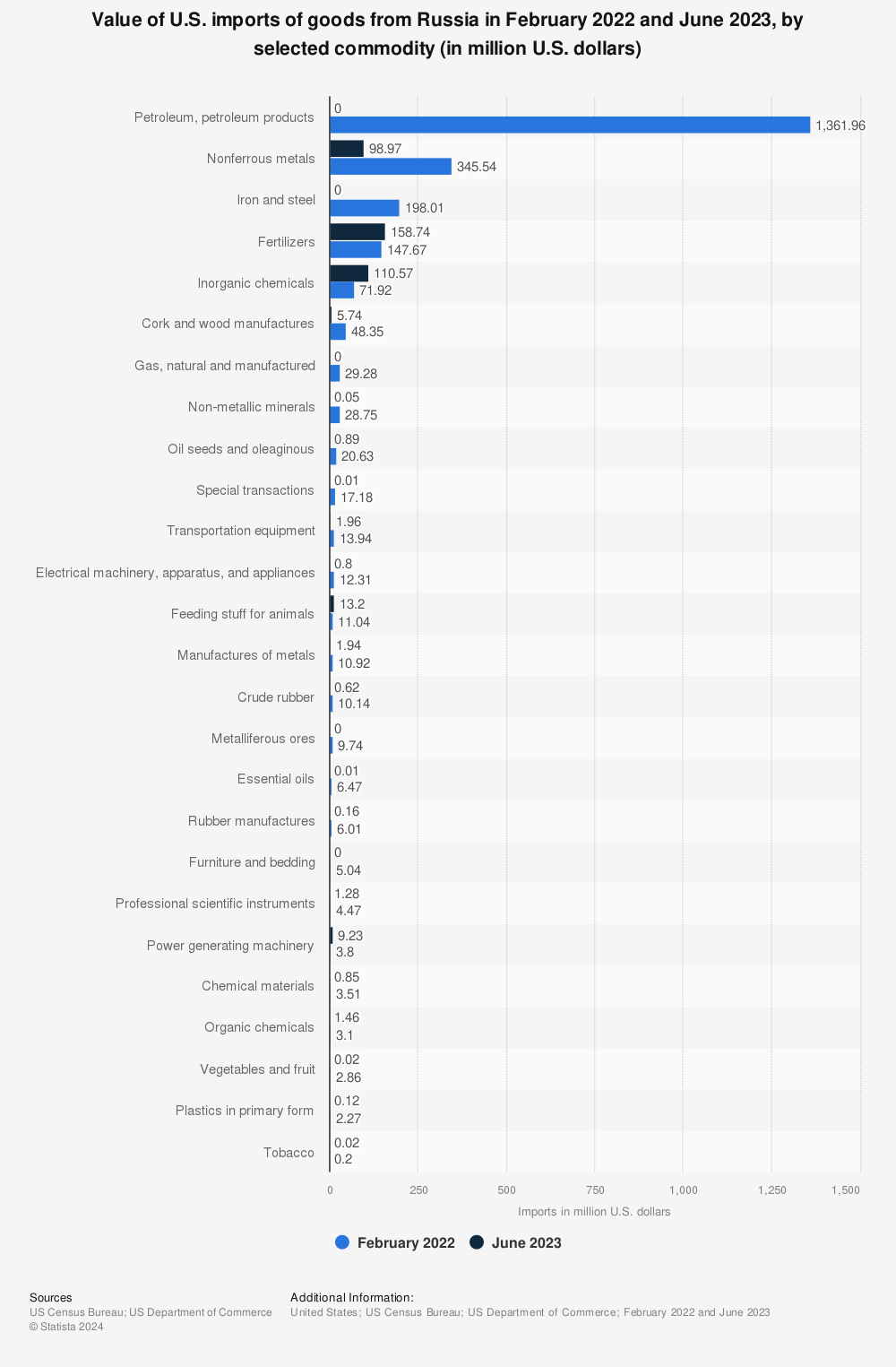
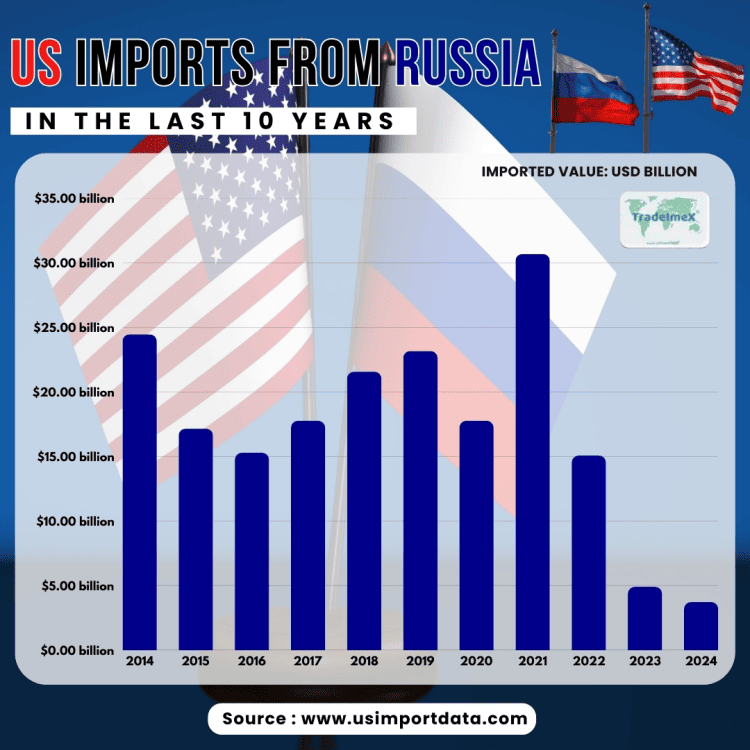
Despite the rhetoric of complete economic decoupling, total trade has not dropped to zero. Instead, it has been distilled down to a few essential categories where the United States maintains a strategic dependency. This article explores the financial intricacies of these imports, the economic logic behind their continued flow, and the broader implications for US market stability.
1. The Paradox of Energy: Nuclear Fuel and the Economics of Uranium
While the US has successfully banned the import of Russian crude oil, petroleum products, and coal, a significant financial loophole remains in the realm of nuclear energy. For years, Russia has been a dominant player in the global enriched uranium market, providing the fuel necessary for the United States’ massive fleet of nuclear reactors.
The Financial Cost of Enrichment Services
The US nuclear industry relies heavily on Russia’s State Atomic Energy Corporation, Rosatom. From a business finance perspective, Russia holds a competitive advantage in the “downstream” portion of the nuclear fuel cycle—specifically the conversion and enrichment of uranium. Approximately 20% to 24% of the enriched uranium used by US commercial nuclear reactors is sourced from Russia. For US utility companies, switching to domestic or allied sources is not just a matter of logistics; it is a significant capital expenditure. The cost of enrichment services (SWU – Separative Work Units) spiked following the geopolitical tension, forcing US energy firms to hedge their bets through long-term contracts and increased capital allocation toward alternative suppliers in Western Europe and Canada.
Strategic Autonomy vs. Market Pricing
The financial dilemma for the US government lies in the balance between national security and energy prices. Abruptly cutting off Russian uranium imports could lead to a surge in electricity prices, impacting both industrial productivity and consumer spending power. Consequently, while the US has passed legislation to ban these imports, the law includes waivers through 2027 if no alternative source is available. This “orderly retreat” allows the US to invest in domestic enrichment capacity—such as Centrus Energy—while maintaining the financial stability of the current energy grid.
2. Industrial Commodities and the Strategic Metals Market
Beyond energy, the United States remains a buyer of several key industrial metals and minerals that are vital to the American manufacturing sector. These materials are often the silent engines of the “Money” niche, as their availability dictates the production costs of everything from automobiles to aerospace components.
Palladium and Platinum: The Automotive Financial Chain
Russia is one of the world’s largest producers of palladium, a critical component in catalytic converters for gasoline-powered vehicles. For the US automotive industry, the financial stakes are high. If the supply of Russian palladium were to be completely severed, the cost of manufacturing internal combustion engines would skyrocket, leading to “cost-push” inflation within the consumer market. From an investment perspective, the volatility in palladium prices reflects the sensitivity of this trade link. While companies are looking for “thrifting” methods (using less metal) or substituting with platinum, the immediate financial dependency remains a reality of the 2024 trade balance.
Fertilizers and the Economics of Food Security
Perhaps one of the most significant categories of US imports from Russia is fertilizer—specifically potash, phosphates, and nitrogen-based nutrients. The US agricultural sector is a multi-billion dollar engine, and fertilizer is its primary overhead cost. Russia is a low-cost producer of these inputs due to its vast natural gas reserves. To prevent a global food price crisis, the US Treasury Department has largely exempted agricultural commodities from sanctions. Financially, this ensures that US farmers can maintain their margins without passing exorbitant costs onto the consumer, which helps stabilize the Consumer Price Index (CPI).
Pig Iron and Steel Production
In the steel industry, “pig iron” is a crucial raw material used in electric arc furnaces to produce high-quality steel. Historically, the US has imported significant quantities of pig iron from Russia and Ukraine. Following the disruption of Ukrainian supply chains, the US continued to rely on Russian pig iron to feed its domestic steel mills. For US steel producers, this is a matter of bottom-line efficiency. Finding alternative sources, such as Brazil, often involves higher shipping costs and different chemical compositions, which can impact the ROI of steel production facilities.
3. The Mechanics of Trade: Sanctions, Payments, and Financial Friction
Understanding what the US buys from Russia requires an understanding of how it pays for it. The financial infrastructure of US-Russia trade has been dismantled, making every transaction a complex exercise in compliance and risk management.
Navigating the SWIFT Disruption
The removal of major Russian banks from the SWIFT messaging system has created “financial friction.” For a US company to buy Russian fertilizer or palladium, it must navigate a minefield of correspondent banking hurdles. This has led to an increase in transaction costs and longer settlement times. From a business finance standpoint, this “liquidity trap” means that capital is tied up longer in the trade cycle, reducing the overall efficiency of the supply chain.
The Role of Third-Party Intermediaries
A notable trend in the “Money” niche is the rise of “re-export” economies. While direct US-Russia trade has dwindled, trade through intermediaries in countries like Turkey, the UAE, and India has surged. While the US technically buys less directly from Russia, the global commodity market is fungible. For example, Russian oil refined in India may still find its way into global supply chains that the US interacts with. For financial analysts, this obscures the true trade deficit and complicates the assessment of how “de-coupled” the two economies actually are.
Corporate Risk and Reputation Management
Beyond legal sanctions, there is the “reputational tax.” Many US brands have engaged in “self-sanctioning”—choosing to stop buying Russian goods even when it is legally permitted. This decision is often driven by ESG (Environmental, Social, and Governance) criteria and the fear of consumer backlash. From a brand-equity-as-financial-asset perspective, the risk of being associated with Russian imports can outweigh the cost savings of the cheaper raw materials.
4. The Future of US-Russia Trade: De-risking and Re-shoring
The long-term financial strategy of the United States is clear: “friend-shoring” and “de-risking.” The goal is to move the “Money” away from adversarial markets and toward more stable, allied economic partners.
Investing in Domestic Alternatives
The US government is increasingly using industrial policy—such as the Inflation Reduction Act (IRA) and the CHIPS Act—to subsidize the domestic production of materials currently imported from Russia. This represents a massive shift in capital allocation. Instead of sending billions of dollars abroad for minerals and energy, the US is incentivizing private equity and venture capital to build local mines, refineries, and processing plants.
The Long-Term Economic Outlook
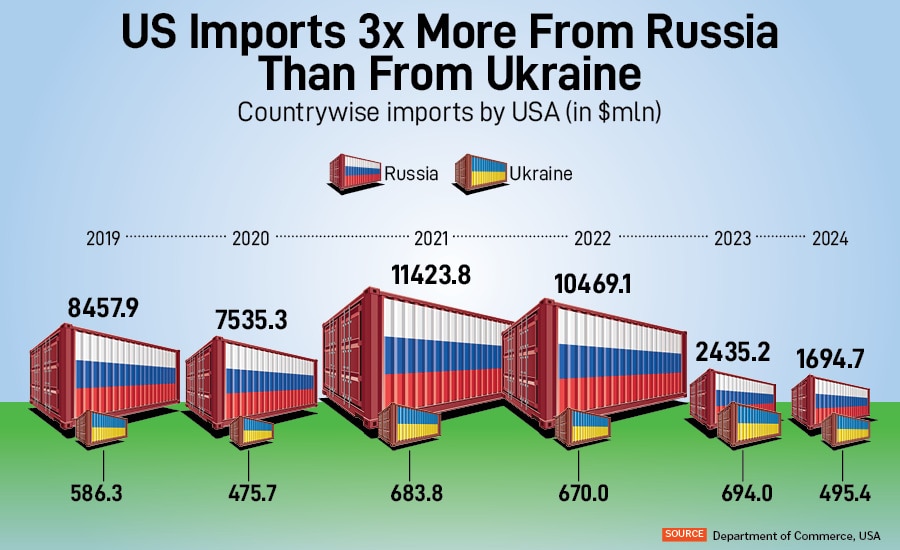
As the US continues to diversify its sourcing for uranium, fertilizers, and metals, the trade volume with Russia will likely continue its downward trajectory. However, the transition is expensive. The “green premium” and the “security premium” are real economic costs that businesses and consumers must bear. In the world of finance, this transition represents a move from a “just-in-time” global efficiency model to a “just-in-case” resilience model.
Conclusion
While the headline “What does the US buy from Russia?” might suggest a simple list of products, the reality is a complex web of economic dependencies and strategic calculations. From the nuclear fuel that powers American homes to the fertilizers that sustain its food supply, the financial ties that remain are those that the US cannot yet afford to cut. For those in the “Money” niche, these remaining trade links are the most important indicators of global market stress and the high cost of geopolitical realignment. As the US builds out its own industrial capacity, the map of global trade will continue to be redrawn, with significant implications for investors, corporations, and the global flow of capital.
aViewFromTheCave is a participant in the Amazon Services LLC Associates Program, an affiliate advertising program designed to provide a means for sites to earn advertising fees by advertising and linking to Amazon.com. Amazon, the Amazon logo, AmazonSupply, and the AmazonSupply logo are trademarks of Amazon.com, Inc. or its affiliates. As an Amazon Associate we earn affiliate commissions from qualifying purchases.