
In the expansive landscape of modern sandbox gaming, few titles have achieved the technical depth and cultural staying power of Minecraft. Central to its enduring success is the game’s intricate system of progression, which often requires players to master complex mechanics and rare digital assets. One of the most enigmatic and powerful items in the game’s technical ecosystem is the “Heart of the Sea.”
While casual players might view it as a mere collectible, the Heart of the Sea represents a sophisticated piece of digital engineering within the game’s software framework. It serves as the primary component for the Conduit—a structural device that provides environmental buffs and defensive capabilities. In this guide, we will explore the technical functionality of the Heart of the Sea, the mechanics of Conduit activation, and how this item fundamentally changes the user experience within the game’s aquatic biomes.
Understanding the Core: The Origin and Rarity of the Heart of the Sea
The Heart of the Sea is a rare item that cannot be crafted; it must be discovered through the exploration of the game’s generated world. This reliance on procedural generation and RNG (Random Number Generation) makes it a high-value asset in the game’s technical progression.
The Logic of Buried Treasure Maps
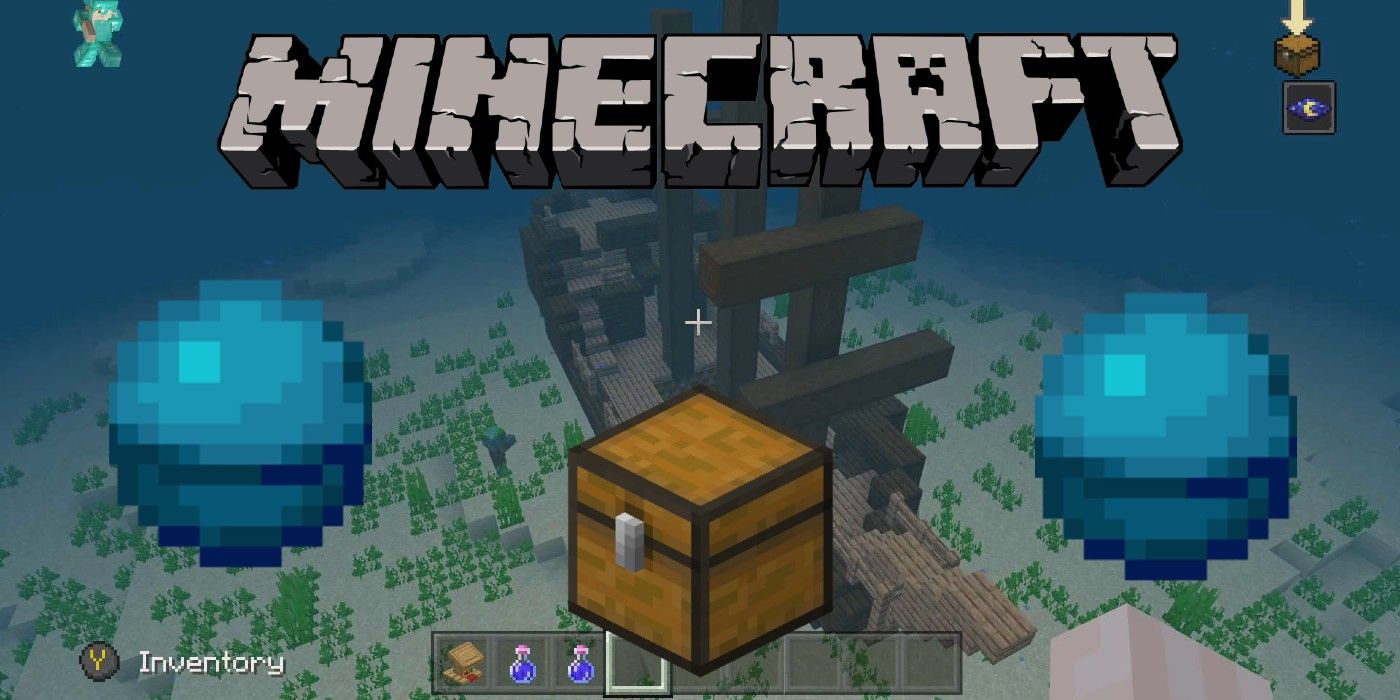
To obtain a Heart of the Sea, a player must first interact with the game’s “Loot Table” system. This usually begins by exploring shipwrecks or underwater ruins—structures generated by the game’s world-building algorithms. Within these structures, players find “Buried Treasure Maps.” These maps are not static images; they are dynamic data sets that point to a specific coordinate in the world where a “Buried Treasure” chest is located.
The Heart of the Sea is a guaranteed drop within these chests. From a technical standpoint, this ensures that the item remains scarce yet attainable through systematic exploration. It forces the player to engage with the game’s coordinate system and environmental navigation tools, moving beyond simple survival into more advanced spatial interaction.
The Item’s Properties and Stackability
In the game’s code, the Heart of the Sea is treated as a unique non-stackable item (in most versions). This means each item occupies a full slot in the player’s inventory, emphasizing its weight and importance. Unlike common blocks like dirt or stone, the Heart of the Sea has a “glint” effect, signaling to the user that it possesses “Enchanted” status within the software’s metadata. This visual feedback is a crucial part of the game’s UI/UX design, indicating that the item is a catalyst for higher-level functions.
The Engineering of the Conduit: Crafting and Activation
The sole purpose of the Heart of the Sea is to act as the core for a Conduit. Crafting and activating a Conduit is a multi-step engineering project that requires a specific understanding of spatial geometry and block interaction.
Crafting the Device
To create a Conduit, a player must combine one Heart of the Sea with eight Nautilus Shells at a crafting table. Nautilus Shells are typically acquired through fishing mechanics or by defeating “Drowned” mobs (underwater zombies). This crafting recipe serves as a “resource sink,” requiring the player to have mastered both exploration (for the Heart) and combat or resource gathering (for the Shells).
Building the Prismarine Frame
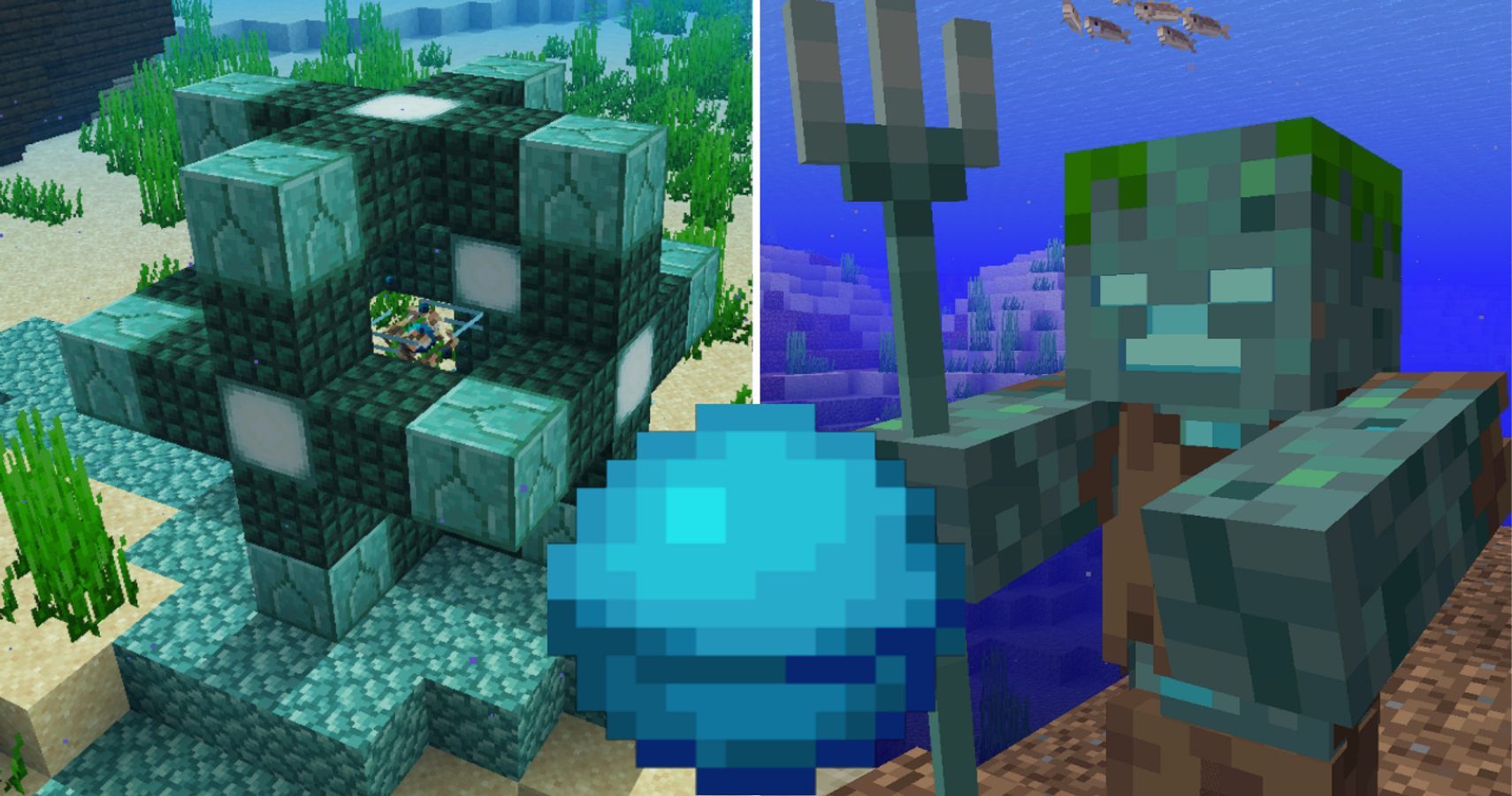
Once crafted, the Conduit remains inert until it is placed within a specific structural framework. This framework must be constructed in a 5x5x5 volume of water and consists of Prismarine, Prismarine Bricks, Dark Prismarine, or Sea Lanterns.
The technical requirements for activation are precise:
- Water Source: The Conduit must be completely submerged in water (source blocks or flowing water).
- The Frame: A minimum of 16 blocks arranged in a ring or cross-pattern is required to activate the basic “Conduit Power.”
- Maximum Efficiency: To reach the maximum range and activate the Conduit’s defensive capabilities, the frame must be expanded to 42 blocks.
This “multi-block structure” logic is a staple of advanced game tech. It requires the software to constantly check the surrounding coordinates of the Conduit block to see if the “legal” block types are present. Once the 16-block threshold is met, the Heart of the Sea within the Conduit “opens,” and the “Conduit Power” status effect is broadcast to all players within a specific radius.
The Technical Impact of Conduit Power: Effects on Gameplay
Once activated, the Heart of the Sea (via the Conduit) functions as a localized server-side buff. It fundamentally alters the physics and environmental rules for any player within its range.
Environmental Optimization
The primary benefit of the Heart of the Sea is “Conduit Power.” This is a composite status effect that combines three distinct technical advantages:
- Water Breathing: The game’s “oxygen” timer is frozen, allowing for indefinite underwater exploration.
- Night Vision: The light levels underwater are artificially boosted for the player’s camera, bypassing the standard light-attenuation shaders used in deep-water rendering.
- Haste: The player’s mining speed is increased, counteracting the natural “drag” that the game’s engine applies to block-breaking animations while submerged.
By combining these three effects, the Conduit allows players to treat the underwater environment with the same technical ease as the terrestrial environment. This is essential for large-scale underwater “megabases” or technical builds.
The Defensive Radius
When the Conduit frame is fully optimized (using 42 blocks), it gains an offensive capability. The device will scan a 8-block radius for “hostile” entities (such as Drowned or Guardians) that are in contact with water or rain. If a hostile entity is detected, the Conduit performs a “targeted attack,” dealing damage every two seconds. This is a sophisticated piece of AI interaction where the Conduit acts as a stationary “sentry” entity, managing its own proximity-based targeting system.
Game Design and Virtual Ecosystems: The Strategic Value
From a developer’s perspective, the Heart of the Sea is a tool used to guide player behavior and increase the “longevity” of the software. By introducing items that require specific environmental conditions, developers ensure that players explore every facet of the digital world.
Incentivizing Oceanic Exploration
Before the introduction of the Heart of the Sea and the “Update Aquatic” patch, Minecraft’s oceans were largely empty voids. The inclusion of the Heart of the Sea provided a technical “win condition” for oceanic travel. It turned the sea from an obstacle into a resource-rich environment. This shift is a masterclass in game design, showing how a single item and its associated mechanics can revitalize a massive portion of a game’s map.
Resource Management and Late-Game Scaling
The Heart of the Sea is also a key component in “late-game” scaling. In the early stages of a technical Minecraft playthrough, the player is limited by basic biological constraints (hunger, air). As the player progresses and masters the game’s tech, they unlock items like the Heart of the Sea that effectively “patch” these limitations. This sense of progression—moving from a vulnerable avatar to a player who can manipulate the environment—is what keeps the technical community engaged with the software for years.
Digital Mastery: Strategies for Utilizing Oceanic Tech
To truly leverage what the Heart of the Sea does, advanced users employ several strategies to maximize the efficiency of their Conduits and their overall “technical footprint” in the game.
Overlapping Conduit Networks
A single Conduit has a maximum range of 96 blocks. However, in large-scale server environments or massive private builds, technical players will often set up “Conduit Grids.” By calculating the exact coordinates for multiple Heart of the Sea placements, players can create a seamless zone of “Conduit Power” that spans thousands of blocks across an ocean floor. This requires precise data management and an understanding of the game’s “chunk loading” mechanics.
Automation and Technical Integration
Advanced players often integrate Conduits into automated farms. For example, a Guardian farm (which yields large amounts of XP and Prismarine) is significantly safer and more efficient if a Conduit is present to provide breathing and defensive support. The Heart of the Sea thus becomes a vital cog in the machine of Minecraft “industrialization,” where players use game mechanics to automate the collection of resources.
Conclusion: The Heart of the Sea as a Technical Landmark
The Heart of the Sea is far more than a decorative orb. It is a sophisticated catalyst within Minecraft’s software architecture that bridges the gap between exploration and environmental mastery. By understanding what the Heart of the Sea does—from its discovery via RNG maps to its role as the core of a proximity-based buff system—players can transition from casual participants to technical experts.
In the broader context of technology and gaming, the Heart of the Sea illustrates how complex systems can be layered within a simple interface. It rewards spatial reasoning, resource management, and a deep understanding of game logic. Whether you are building an underwater city or simply looking to survive the depths, the Heart of the Sea remains one of the most powerful and technically interesting assets in the world of digital sandbox gaming.
aViewFromTheCave is a participant in the Amazon Services LLC Associates Program, an affiliate advertising program designed to provide a means for sites to earn advertising fees by advertising and linking to Amazon.com. Amazon, the Amazon logo, AmazonSupply, and the AmazonSupply logo are trademarks of Amazon.com, Inc. or its affiliates. As an Amazon Associate we earn affiliate commissions from qualifying purchases.