
The journey to parenthood is often one filled with hope, anticipation, and sometimes, unexpected challenges. For millions worldwide, In Vitro Fertilization (IVF) offers a beacon of possibility, transforming dreams of family into reality. However, alongside the emotional complexities, prospective parents often confront a formidable financial hurdle: the cost of IVF. Understanding “what does in vitro cost” is not merely about a single number; it’s about dissecting a multifaceted financial landscape that encompasses medical procedures, medications, ancillary services, and often, significant personal sacrifice. This article delves into the various financial components of IVF, offering a comprehensive guide to help individuals and couples navigate this substantial investment.
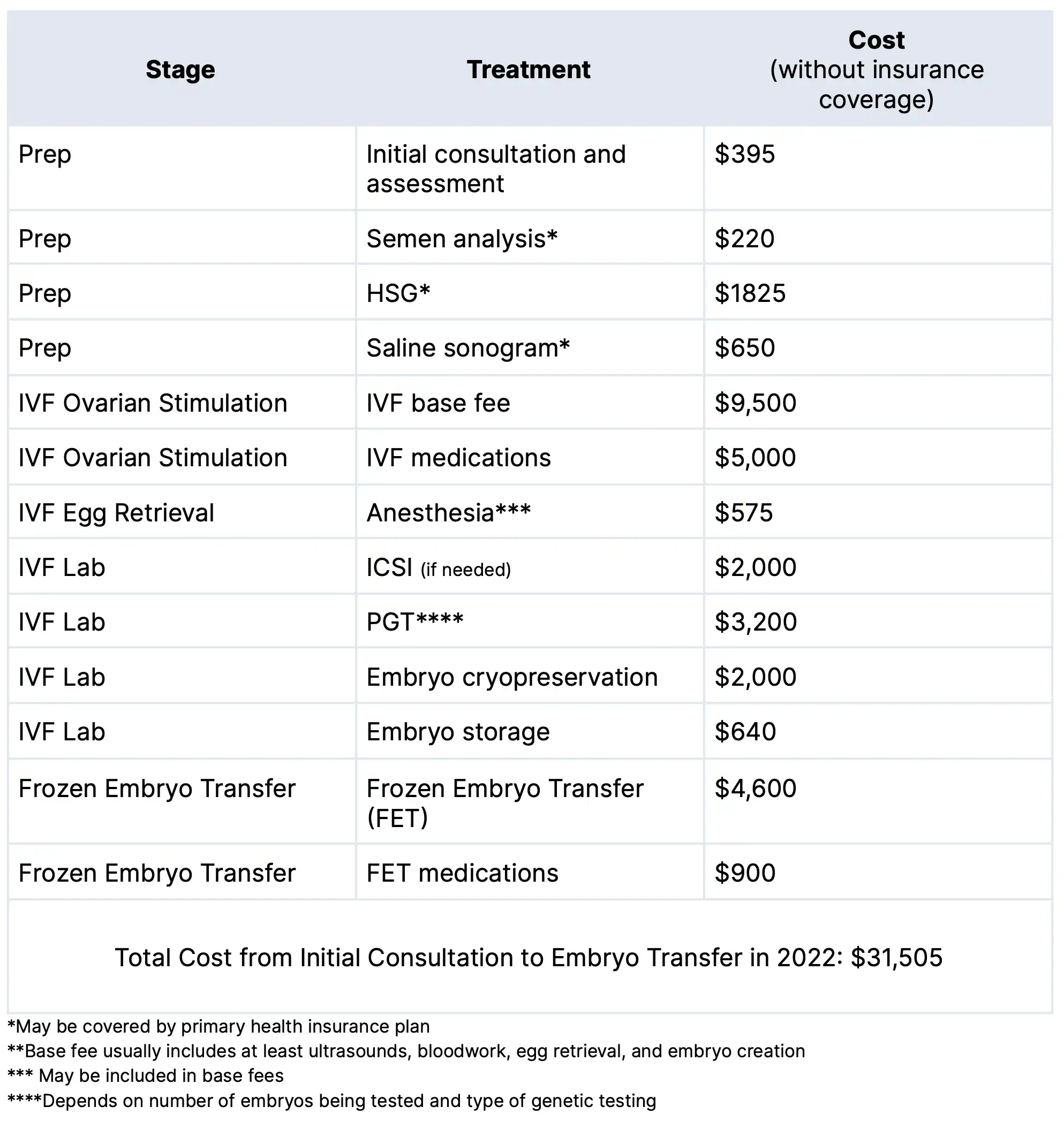
The Core Investment: Understanding Direct IVF Procedure Costs
At its heart, the cost of IVF is driven by a series of sophisticated medical procedures designed to facilitate conception outside the body. These direct costs form the baseline expenditure, yet they can vary dramatically based on location, clinic reputation, and the specific needs of the patient.
The Baseline Cycle Fee: What’s Included?
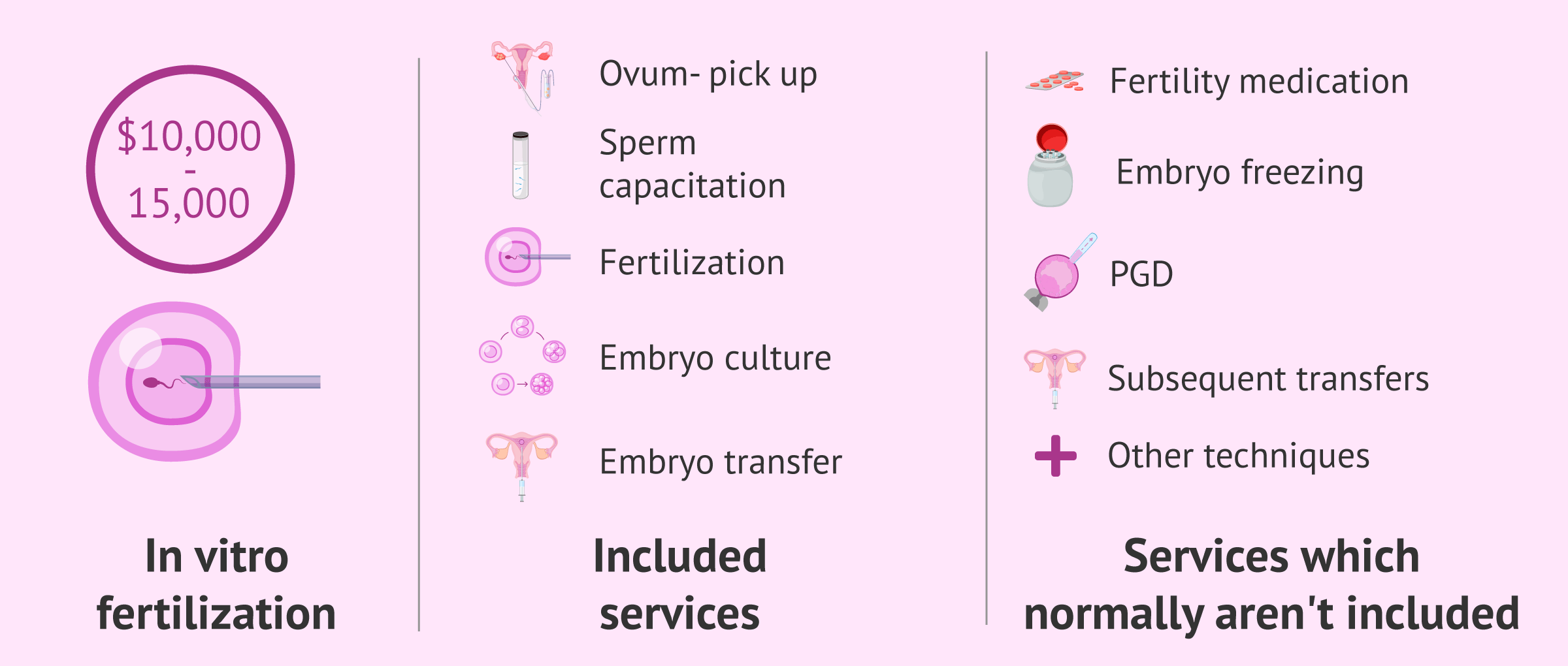
A standard IVF cycle typically involves several key stages, each contributing to the overall fee. This “cycle fee” often covers a bundled set of services, though the specifics can differ between clinics. Generally, it includes:
- Initial Consultations and Diagnostic Testing (pre-cycle): While some initial consultations might be billed separately, many clinics incorporate preliminary assessments into the cycle fee. This includes blood tests, ultrasounds, and semen analysis to determine the underlying causes of infertility.
- Ovarian Stimulation and Monitoring: This phase involves the administration of fertility drugs to stimulate the ovaries to produce multiple eggs. Regular blood tests and transvaginal ultrasounds are conducted to monitor follicle growth and hormone levels, ensuring optimal timing for egg retrieval.
- Egg Retrieval: A minor surgical procedure performed under sedation, where mature eggs are aspirated from the ovaries. This fee covers the operating room, anesthesiologist, and the fertility specialist’s time.
- Fertilization and Embryo Culture: In the lab, retrieved eggs are fertilized with sperm (either through conventional insemination or Intracytoplasmic Sperm Injection – ICSI) and cultured for several days to develop into embryos.
- Embryo Transfer: One or more viable embryos are transferred into the woman’s uterus. This procedure is typically done without anesthesia and marks a critical step in the IVF process.
- Post-Transfer Care: Follow-up blood tests to confirm pregnancy are usually included.
The average cost for a single, unstimulated IVF cycle can range significantly, typically falling between $12,000 to $18,000 USD in the United States. However, this is merely a starting point, as numerous other factors can inflate this figure.
Medication Costs: A Significant Variable
While the procedure fee covers the medical services, the cost of medications is often billed separately and represents one of the most unpredictable and substantial components of IVF. These drugs are crucial for ovarian stimulation, preventing premature ovulation, and supporting the uterine lining after embryo transfer.
- Gonadotropins: These are the primary hormones used to stimulate egg production. Depending on the dosage and duration required, these can cost anywhere from $3,000 to $7,000 per cycle. Brand-name medications are more expensive than generics, but generics are not always available for all fertility drugs.
- Antagonists/Agonists: Used to prevent premature ovulation, these medications can add another $500 to $1,500.
- Progesterone: Administered after egg retrieval to support the uterine lining and aid in embryo implantation, typically costs $200 to $800.
- Other Medications: These might include antibiotics, pain relievers, or specialized formulations, adding further to the total.
Because medication protocols are highly individualized, the total drug cost is notoriously difficult to estimate upfront and can vary based on a woman’s age, ovarian reserve, and response to treatment.
Monitoring, Retrieval, and Transfer Fees
Although often bundled into the baseline cycle fee, it’s crucial to understand the intensity of monitoring and the specialized nature of retrieval and transfer. Frequent ultrasounds and blood tests are required to track progress, ensure safety, and maximize success rates. If a patient requires more extensive monitoring due to a complex case or slower response, these fees can accrue. The involvement of highly specialized embryologists and reproductive endocrinologists, coupled with state-of-the-art laboratory equipment, underlies the high cost of these critical steps.
Beyond the Basics: Unveiling Hidden and Ancillary Expenses
The “sticker price” of an IVF cycle rarely tells the whole story. Many essential services and potential add-ons contribute significantly to the total financial outlay. These “hidden” costs can catch prospective parents by surprise if not properly accounted for during initial financial planning.
Pre-Cycle Testing and Consultations
Before an IVF cycle even begins, a battery of tests is usually required for both partners to accurately diagnose infertility and rule out other medical conditions. These can include:
- Advanced Blood Work: Hormonal profiles, infectious disease screenings (HIV, Hepatitis), genetic carrier screening (Cystic Fibrosis, Fragile X), and ovarian reserve markers (AMH, FSH).
- Imaging: Hysterosalpingogram (HSG) to check fallopian tube patency, saline infusion sonogram (SIS) to evaluate the uterine cavity, or MRI.
- Male Factor Testing: Detailed semen analysis, sperm DNA fragmentation test, or genetic testing.
- Specialist Consultations: Referrals to genetic counselors, reproductive immunologists, or other specialists if underlying issues are identified.
Each of these tests can range from a few hundred to several thousand dollars, potentially adding $1,000 to $5,000 or more before the primary IVF cycle even commences.
Genetic Testing and Embryo Freezing
As technology advances, so do the options available to enhance IVF success and ensure healthy pregnancies. These elective services, while beneficial, come with additional price tags.
- Preimplantation Genetic Testing (PGT):
- PGT-A (Aneuploidy): Screens embryos for chromosomal abnormalities (e.g., Down syndrome), often recommended for older women or those with a history of recurrent miscarriage. This can cost $3,000 to $8,000 per cohort of embryos, plus a biopsy fee.
- PGT-M (Monogenic/Single Gene Defects): Used to test for specific genetic diseases when one or both parents are carriers (e.g., Cystic Fibrosis). This is a more complex test and can range from $4,000 to $10,000 or more, often with a setup fee.
- Embryo Freezing (Cryopreservation): If multiple viable embryos are produced, patients often choose to freeze the surplus for future cycles. This involves an initial freezing fee ($500 to $1,500) and an annual storage fee ($300 to $800).
- Frozen Embryo Transfer (FET): If a frozen embryo is used in a subsequent cycle, there’s a separate FET procedure fee, typically ranging from $3,000 to $6,000, plus medication costs.
Donor Services and Surrogacy Considerations
For individuals or couples requiring donor eggs, donor sperm, or a gestational carrier, the costs escalate dramatically.
- Egg Donor Costs: This is highly variable, including agency fees, donor compensation, legal fees, donor medical screening, and sometimes travel expenses for the donor. The total can range from $25,000 to $50,000, in addition to the standard IVF cycle cost.
- Sperm Donor Costs: Generally less expensive, ranging from $500 to $1,500 per vial, depending on the sperm bank and donor characteristics.
- Surrogacy: The most financially demanding path, encompassing a surrogate’s compensation, agency fees, legal contracts, insurance for the surrogate, medical fees, and potential travel. Total costs can easily exceed $100,000 to $150,000, making it a significant financial commitment.
Travel, Accommodation, and Time Off Work
While not direct medical expenses, these indirect costs can add up, especially if patients need to travel to a specialized clinic.
- Travel: Flights, gas, and ground transportation.
- Accommodation: Hotel stays, particularly for cycles requiring multiple visits or an extended stay near the clinic.
- Lost Wages: Time off work for appointments, procedures, and recovery, which can impact income, especially for hourly workers or small business owners.
- Childcare: If existing children require care during appointments or procedures.
These often-overlooked expenses can add several hundred to several thousand dollars to the overall cost, depending on proximity to the clinic and duration of treatment.
Strategies for Funding Your IVF Journey
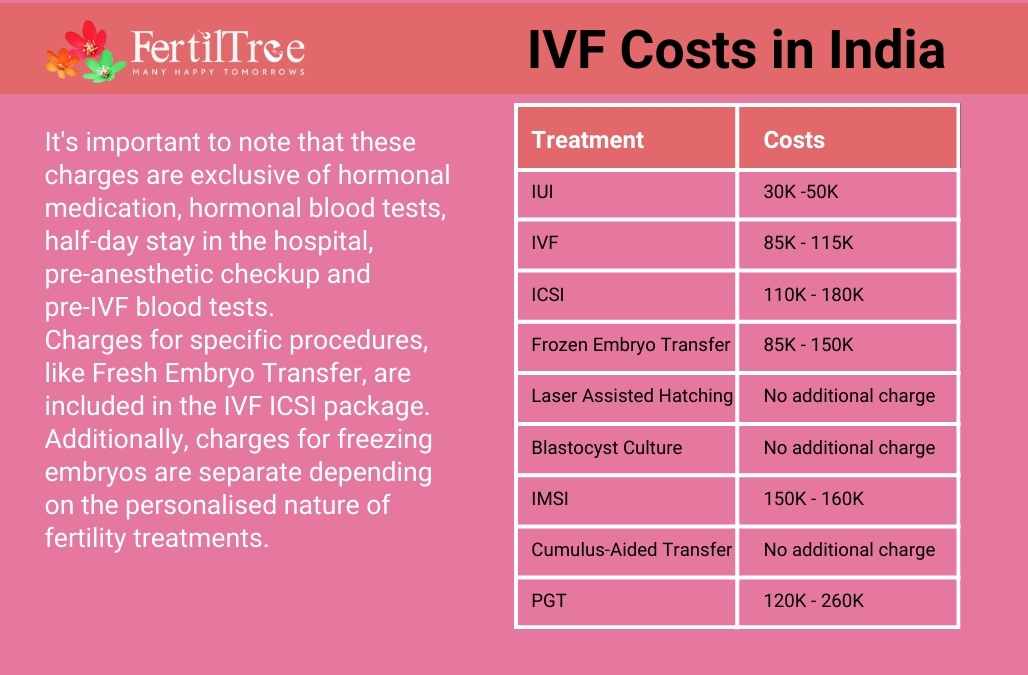
Given the substantial financial burden, understanding funding options is paramount. A proactive approach to financial planning can significantly alleviate stress and increase accessibility to treatment.
Leveraging Insurance Coverage: Understanding Your Benefits
Insurance coverage for IVF is a complex and often frustrating aspect. While some states mandate coverage, many do not, and even with coverage, limitations abound.
- Mandated States: A handful of U.S. states have laws requiring insurance companies to cover or offer coverage for infertility treatment, including IVF. The specifics of these mandates vary widely, detailing the types of services covered, maximum benefit amounts, and eligibility criteria.
- Voluntary Coverage: In states without mandates, coverage is at the discretion of the employer or insurance provider. Some larger employers offer comprehensive fertility benefits as part of their benefits package.
- Navigating Policies: Even with coverage, patients must carefully review their policy for deductibles, co-pays, co-insurance, lifetime maximums, and exclusions (e.g., genetic testing, donor services). Many policies cover diagnostic testing but not treatment, or only cover a limited number of cycles. It is crucial to engage with the insurance provider and the fertility clinic’s financial counselor early on.
Exploring Financing Options: Loans and Payment Plans
For those without adequate insurance, various financing avenues exist.
- Medical Loans: Specialized lenders offer loans specifically for fertility treatments. These can be secured or unsecured and may have varying interest rates and repayment terms.
- Personal Loans/Lines of Credit: Banks and credit unions offer personal loans that can be used for any purpose, including IVF.
- Clinic Payment Plans: Some fertility clinics offer in-house payment plans or work with third-party financing companies to provide structured payment options.
- Credit Cards: While an option, this can be risky due to high interest rates if not paid off quickly.
Grant Programs and Employer Benefits
Beyond traditional financing, a growing number of resources aim to support individuals financially.
- Fertility Grants: Non-profit organizations offer grants to help cover IVF costs. These are typically competitive and have specific eligibility criteria based on income, location, or medical diagnosis. Examples include RESOLVE: The National Infertility Association, BabyQuest Foundation, and Cade Foundation.
- Employer Fertility Benefits: A rising trend, many companies, particularly in tech and finance, are offering robust fertility benefits, including coverage for IVF, egg freezing, and adoption assistance. These benefits can significantly reduce out-of-pocket expenses.
- Flexible Spending Accounts (FSAs) and Health Savings Accounts (HSAs): These tax-advantaged accounts can be used to pay for qualified medical expenses, including IVF treatments and medications, potentially saving individuals a significant amount in taxes.
The Power of Personal Savings and Budgeting
For many, a combination of savings and meticulous budgeting forms the foundation of their IVF financial plan. Creating a detailed budget that accounts for all potential costs, both direct and indirect, is essential. This might involve adjusting lifestyle expenses, postponing other major purchases, or increasing income through side hustles.
Navigating the Financial Labyrinth: State-Specific Regulations and Clinic Variations
The cost of IVF is not uniform; it’s a dynamic figure influenced by geographic location, the regulatory environment, and individual clinic practices. Understanding these variations can inform decision-making.
Mandatory Coverage States vs. Voluntary Adoption
As mentioned, states with mandated fertility coverage can significantly alter the financial landscape. For example, states like Massachusetts, Illinois, and New Jersey have comprehensive mandates, while others have more limited requirements or none at all. Patients residing in states without mandates may consider traveling to states where coverage is compulsory, although this introduces the aforementioned travel and accommodation costs.
Clinic Pricing Models and Transparency
Clinic pricing can vary by thousands of dollars for the same services, even within the same city. Factors influencing this include:
- Clinic Reputation and Success Rates: Highly sought-after clinics with superior success rates may charge a premium.
- Location: Clinics in major metropolitan areas or regions with a higher cost of living generally have higher fees.
- Bundled vs. Unbundled Services: Some clinics offer all-inclusive packages for a single cycle, while others itemize every single service, which can make comparisons challenging.
- Technology and Lab Facilities: Clinics investing in cutting-edge technology and advanced embryology labs may pass these costs onto patients.
It’s crucial to request a detailed, itemized cost breakdown from any prospective clinic, including an estimate for medications, and inquire about their financial counseling services.
The Cost-Benefit of Multiple Cycles
One of the most disheartening financial realities of IVF is that success is not guaranteed in a single cycle. Many individuals require multiple cycles to achieve pregnancy. This means that the total cost can multiply rapidly. Some clinics offer “multi-cycle discount plans” or “risk-sharing programs” where patients pay a higher upfront fee for multiple cycles (e.g., 2-3 cycles) and may receive a partial or full refund if they don’t achieve a live birth within a specified number of cycles. While these programs can offer peace of mind, they require a substantial initial investment.
The Priceless Investment: Weighing the Emotional and Financial Returns
Beyond the numbers, the decision to pursue IVF is profoundly personal, with emotional implications that often overshadow financial considerations. Yet, acknowledging and planning for the financial stress is critical for overall well-being.
The Emotional Toll of Financial Stress
The emotional burden of infertility is immense, and adding significant financial stress can exacerbate anxiety, depression, and relationship strain. Couples often grapple with difficult choices, such as liquidating savings, taking on debt, or delaying other life goals. Open communication, couples counseling, and support groups can be invaluable resources in navigating this complex interplay of emotions and finances. It’s important to recognize that the cost isn’t just monetary; it’s also measured in emotional capital.
Long-Term Financial Planning Post-IVF
Successfully achieving a pregnancy through IVF doesn’t mark the end of the financial journey; it signals the beginning of new expenses related to pregnancy, childbirth, and raising a child. Factoring these future costs into the initial financial plan can prevent future financial strain. This might include budgeting for prenatal care, delivery costs, baby supplies, and ongoing childcare.
The Value of Hope and Family Building
Ultimately, for many, the cost of IVF, no matter how substantial, is viewed as an investment in a deeply desired future. The hope of building a family, experiencing parenthood, and fulfilling a fundamental human desire often transcends the pure monetary value. While it’s essential to be financially prepared and make informed decisions, the intrinsic value placed on having children makes IVF a unique and often priceless endeavor for those who embark on this path.
In conclusion, understanding “what does in vitro cost” requires a thorough investigation into direct medical fees, often substantial medication expenses, and a myriad of hidden and ancillary charges. It demands meticulous financial planning, diligent exploration of insurance benefits, and a realistic assessment of various funding options. While the financial journey can be daunting, with careful preparation and a comprehensive understanding of the landscape, aspiring parents can navigate these challenges with greater confidence, focusing their energy on the ultimate goal: building their family.
aViewFromTheCave is a participant in the Amazon Services LLC Associates Program, an affiliate advertising program designed to provide a means for sites to earn advertising fees by advertising and linking to Amazon.com. Amazon, the Amazon logo, AmazonSupply, and the AmazonSupply logo are trademarks of Amazon.com, Inc. or its affiliates. As an Amazon Associate we earn affiliate commissions from qualifying purchases.