
In the intricate tapestry of brand strategy and visual communication, every element plays a pivotal role in shaping perception, influencing emotion, and ultimately, driving consumer behavior. Among these elements, color stands as a silent yet potent ambassador, capable of conveying a universe of meaning without uttering a single word. And within the vast spectrum of colors, gold holds a singular, almost mythical status. More than just a hue, the color gold is a sophisticated language, speaking volumes about luxury, quality, prestige, and achievement. Understanding “what does gold color mean” is not merely an exercise in chromatic interpretation; it’s an essential journey for any brand aiming to carve out a distinct identity, connect with its target audience on a deeper level, and ultimately, elevate its market position.
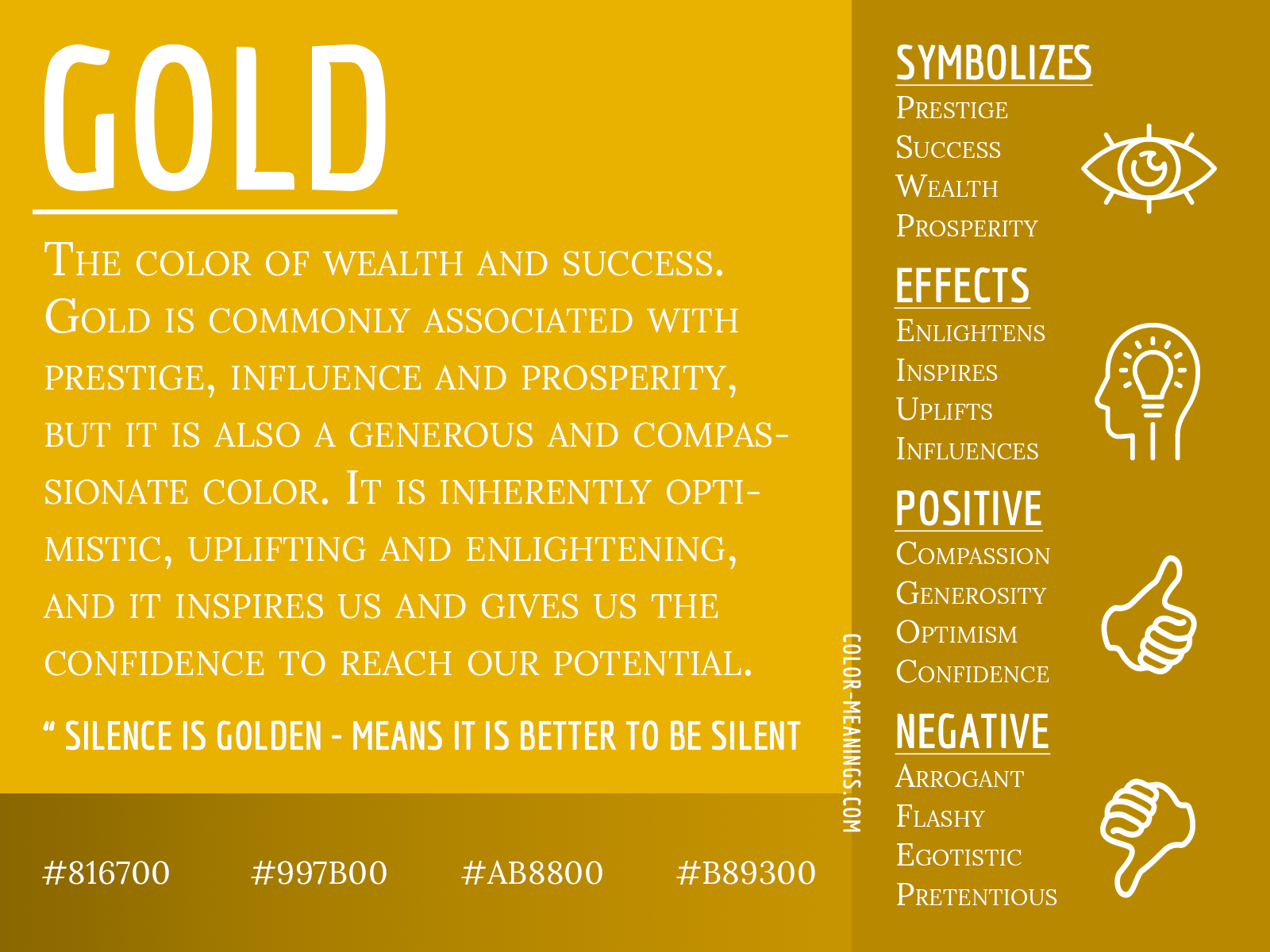
This exploration delves into the profound psychological and cultural associations of gold, tracing its historical roots and dissecting its strategic applications in contemporary branding. We will uncover how brands meticulously harness its radiant power, from crafting iconic logos to designing immersive customer experiences, ensuring that every glint of gold reinforces a desired message of excellence and distinction.
The Timeless Symbolism of Gold: A Historical Perspective
The allure of gold is not a modern phenomenon; it is deeply embedded in human history, culture, and mythology. For millennia, its unique metallic luster, rarity, and resistance to corrosion have bestowed upon it an almost sacred quality, making it a universal symbol long before the advent of modern branding.
Ancient Roots: Royalty, Divinity, and Power
From the earliest civilizations, gold was inextricably linked with power, divinity, and the elite. Ancient Egyptians revered gold as the flesh of the gods, particularly the sun god Ra, using it extensively in funerary masks, sarcophagi, and temple decorations for pharaohs and deities. Its incorruptible nature symbolized immortality and the eternal. Similarly, in Mesopotamia, Mesoamerica, and various Asian cultures, gold adorned royalty, spiritual leaders, and sacred artifacts, signifying their divine connection and temporal authority. Empires from Rome to the Incas understood that adorning oneself or one’s sacred objects with gold was a direct assertion of status, wealth, and undeniable power. It wasn’t just decorative; it was a declaration.
Renaissance and Beyond: Wealth and Status
As societies evolved, gold transitioned from being solely a symbol of divine or monarchical power to also represent immense personal wealth and elevated social status. During the European Renaissance, merchants and burgeoning aristocrats showcased their prosperity through intricate gold jewelry, gilded furniture, and artworks. The Baroque and Rococo periods further amplified this trend, with lavish use of gold leaf in architecture, interior design, and fashion, transforming spaces and individuals into living testaments of opulence. The ability to possess and display gold became a clear indicator of one’s economic standing and refined taste. This association with affluence and sophistication continued through the industrial age and into the modern era, laying a robust foundation for its contemporary use in luxury branding.
Modern Interpretations: Luxury and Achievement
In the 20th and 21st centuries, while still retaining its historical gravitas, gold’s meaning has broadened to encompass modern notions of luxury, success, and achievement. Gold medals at the Olympics, golden anniversaries, and gold standard certifications all speak to the pinnacle of excellence and recognition. In branding, this translates into a powerful shortcut for communicating premium quality, high value, and aspirational appeal. A product or service adorned with gold is immediately positioned at the top tier, suggesting that it embodies the best, the most exclusive, and the most desirable. It taps into the innate human desire for excellence, reward, and elevated experience.
Psychological Impact: How Gold Influences Perception
Beyond its historical significance, the color gold possesses a remarkable ability to influence human psychology and perception in a myriad of ways. Its visual characteristics and cultural associations combine to evoke specific emotions and mental frameworks, making it an invaluable tool in a brand’s arsenal.
Evoking Feelings of Luxury and Exclusivity
Perhaps the most immediate psychological impact of gold is its powerful evocation of luxury and exclusivity. When consumers encounter gold, whether in a logo, packaging, or an advertisement, their minds automatically associate it with high-end, premium, and often, limited-edition items. This perception of exclusivity is crucial for brands targeting affluent markets or those aiming to cultivate an image of bespoke quality. Gold suggests that a product is not for everyone; it is for those who appreciate the finer things, who are willing to invest in superior quality and design. It creates an aspirational halo around the brand, making consumers feel that by acquiring the product, they are gaining access to an exclusive club.
Signifying Quality and Premium Value
Closely tied to luxury is the perception of superior quality and premium value. The rarity and inherent worth of the metal gold translate directly to the color. Brands using gold imply a commitment to excellence, meticulous craftsmanship, and the use of the finest materials. This is particularly effective in industries where perceived quality is paramount, such as jewelry, haute couture, gourmet food, and high-performance technology. Consumers are often willing to pay a higher price for products adorned with gold, subconsciously believing that the investment reflects the product’s enduring quality and intrinsic worth. It signals that no shortcuts were taken, and no expense was spared in its creation.
The Aura of Success and Sophistication
Gold is also the color of triumph and achievement. From academic accolades to professional recognition, gold signifies reaching the pinnacle of success. When integrated into a brand, it imbues it with an aura of sophistication and accomplishment. This resonates with consumers who aspire to success themselves or who wish to align with brands that embody these values. It suggests that the brand is established, reputable, and has achieved a level of mastery in its field. For corporate branding, particularly in financial services, legal firms, or consulting, gold can convey trustworthiness, stability, and the promise of delivering winning results.
Gold’s Connection to Optimism and Warmth
While often associated with grandeur, gold also carries a subtle warmth and optimism derived from its connection to the sun. Unlike the cool detachment of silver, gold radiates a welcoming, positive energy. This can add a touch of approachability to its otherwise imposing luxury. When used skillfully, gold can communicate not just wealth, but also generosity, prosperity, and a bright future. This duality allows brands to maintain an air of sophistication while also fostering a positive and inviting brand personality, suggesting that success is not just about material gain but also about well-being and positive energy.
Strategic Application of Gold in Branding
The effective deployment of gold in branding is not accidental; it is a calculated strategic decision. Brands carefully consider how, where, and when to introduce gold to maximize its impact and reinforce their desired messaging across various touchpoints.
Logo Design: Crafting an Emblem of Prestige

The logo is often the cornerstone of a brand’s visual identity, and for many luxury and premium brands, gold is the color of choice. A gold logo immediately conveys a sense of heritage, quality, and exclusivity. Brands like Rolex, Versace, and Godiva chocolates leverage gold in their emblems to signify their long-standing commitment to excellence and their position at the top of their respective industries. The choice of gold in a logo is a bold statement, declaring the brand’s aspiration to be perceived as invaluable and timeless. It’s not just about aesthetics; it’s about embedding the brand with an intrinsic sense of worth from its very foundation.
Packaging: Communicating Premiumness and Desire
Beyond the logo, packaging is where gold truly shines in communicating premiumness and driving desire. From the subtle gold accents on a perfume bottle to the elaborate gold foil on a whiskey label or a high-end cosmetic box, gold instantly elevates the perceived value of the product within. It triggers an expectation of quality and luxury before the product is even opened. This is particularly effective in impulse purchases or gift-giving scenarios, where the visual appeal of gold encourages consumers to choose the “special” option. The tactile experience of gold-foiled packaging also adds a sensory dimension, reinforcing the feeling of indulgence and sophistication.
Digital Presence: Web Design and User Experience
In the digital realm, the application of gold requires a nuanced approach. While physical gold has a tangible shimmer, digital gold must be rendered carefully to avoid looking gaudy or cheap. High-end brands use subtle gold accents, gradients, and textures in their web design, apps, and digital advertisements to maintain their luxurious aesthetic without overwhelming the user. Gold can be used for calls-to-action, key navigational elements, or subtle background patterns to draw attention to premium features, exclusive content, or high-value offers. The goal is to translate the offline perception of gold into a sleek, elegant online experience that reinforces the brand’s premium standing.
Corporate Identity: Internal and External Messaging
Gold extends beyond consumer-facing elements into a brand’s broader corporate identity. This includes stationery, business cards, internal communications, and even the décor of corporate offices. For financial institutions, law firms, or luxury service providers, incorporating gold elements in their corporate identity reinforces their gravitas, reliability, and success. It sends a consistent message, both internally to employees and externally to partners and clients, that the company operates at the highest standards and achieves outstanding results. This holistic application ensures that the brand’s golden promise is woven into the very fabric of its operations and presentation.
Nuances and Variations: Mastering the Golden Palette
While gold carries a strong singular meaning, its application is far from monolithic. A skilled brand strategist understands that gold is a spectrum, and its various iterations can convey subtly different messages. Mastering the golden palette involves choosing the right shade, finish, and pairing to achieve the desired effect.
Matte Gold vs. Shimmering Gold: Different Impressions
The finish of gold dramatically alters its psychological impact. Shimmering, metallic gold is overtly luxurious, attention-grabbing, and celebratory. It screams opulence, dynamism, and high glamour. This is ideal for brands that want to make a bold statement, such as fashion houses, jewelry brands, or event planners. It evokes a sense of festivity and extravagance.
In contrast, matte gold or a brushed gold finish offers a more understated, sophisticated, and contemporary take on luxury. It suggests refinement, modernity, and quiet confidence rather than overt display. Matte gold can communicate authenticity, craftsmanship, and a discerning taste that values substance over flash. It’s often preferred by brands that want to convey a sense of contemporary luxury, such as premium tech gadgets, minimalist high-end homeware, or artisanal products. The choice between shimmer and matte depends on the specific brand personality and its target audience’s aesthetic preferences.
Pairing Gold with Other Colors: Enhancing Its Message
Gold rarely operates in isolation; its impact is significantly amplified or nuanced by the colors it accompanies.
- Gold with Black: This is the quintessential combination for ultimate luxury, power, and elegance. Black provides a dramatic contrast that makes gold pop, emphasizing its richness and exclusivity. Think high-end watches, premium spirits, or sophisticated fashion brands.
- Gold with White/Cream: This pairing evokes purity, cleanliness, and a delicate sense of luxury. It’s often seen in bridal wear, high-end skincare, or minimalist luxury interiors, suggesting a refined and ethereal beauty.
- Gold with Deep Blues/Greens: These combinations suggest regality, tradition, and established wealth. Deep blues can add a sense of trustworthiness and calm to gold’s opulence, while deep greens can tie it to nature, heritage, and growth. This is common in heritage brands, financial institutions, or prestigious educational institutions.
- Gold with Pastel Shades: For a softer, more feminine, or approachable luxury, gold can be paired with blush pinks, soft lavenders, or mint greens. This creates a gentle sophistication, often used in cosmetics, confectionery, or boutique fashion brands targeting a younger, chic demographic.
Avoiding Overuse: The Fine Line Between Opulence and Ostentation
The power of gold lies in its perceived rarity and preciousness. Consequently, its overuse can diminish its impact and even backfire, transforming elegance into gaudiness or opulence into ostentation. A judicious approach is paramount. Brands that use gold effectively treat it as an accent—a highlight, a flourish, a touch of brilliance—rather than the main color. It’s about strategic placement and subtle integration, allowing gold to draw attention to key elements without overwhelming the overall design. When every element is gold, nothing truly stands out as special. The art of using gold is in knowing when to apply it and, more importantly, when to hold back, ensuring that its presence always feels deliberate, sophisticated, and truly premium.
Case Studies: Brands That Master Gold
Examining brands that have successfully integrated gold into their identity offers invaluable lessons in its strategic application and enduring power. These examples span various industries, demonstrating the versatility and consistent message gold conveys.
High-End Fashion and Jewelry
Brands like Chanel, Dior, and particularly Rolex are quintessential examples of gold mastery. Rolex’s use of gold in its watches is not just about material value; it’s about conveying a legacy of precision, timeless elegance, and unparalleled craftsmanship. The gleam of a gold Rolex watch is instantly recognizable as a symbol of success and achievement. In fashion, gold embellishments, hardware, and logos by brands like Versace and Louis Vuitton signal luxury, exclusivity, and a bold, opulent style that transcends fleeting trends. The gold on their products assures consumers of authenticity and superior quality.
Premium Automotive and Tech
While perhaps less overt, gold subtly permeates the premium automotive and technology sectors. Automotive brands may use gold accents in interior trim, badge detailing, or special edition models to signify ultimate luxury and performance. For tech, companies like Apple introduced gold finishes for iPhones and MacBooks, cleverly translating the concept of premium material and superior design into the digital age. This wasn’t just a color choice; it was a positioning statement, affirming these products as design-forward, high-value items within a competitive market. The gold finish communicated sophistication and high-status, aligning with Apple’s aspiration to be a luxury tech brand.

Financial Services and Professional Firms
In industries where trust, stability, and success are paramount, gold becomes a powerful visual metaphor. Prestigious financial institutions, wealth management firms, and esteemed law practices often incorporate gold into their logos, branding materials, and office environments. The color symbolizes prosperity, security, and proven track records of success. Brands like Visa use gold in their premium card tiers, signaling elevated status and exclusive benefits to cardholders. Here, gold serves to reassure clients of a firm’s reliability and ability to deliver profitable outcomes, fostering confidence and a sense of partnering with excellence.
In conclusion, “what does gold color mean?” in the realm of branding is a multifaceted inquiry that reveals a color rich in historical significance, psychological depth, and strategic utility. It is a universal language of luxury, quality, success, and aspiration. For brands aiming to communicate premiumness, exclusivity, and an unwavering commitment to excellence, understanding and artfully deploying the color gold is not just an option, but a strategic imperative. When used with discernment and intention, gold doesn’t just add color; it adds value, prestige, and an enduring gleam to a brand’s identity, cementing its place in the minds and hearts of its discerning audience.
aViewFromTheCave is a participant in the Amazon Services LLC Associates Program, an affiliate advertising program designed to provide a means for sites to earn advertising fees by advertising and linking to Amazon.com. Amazon, the Amazon logo, AmazonSupply, and the AmazonSupply logo are trademarks of Amazon.com, Inc. or its affiliates. As an Amazon Associate we earn affiliate commissions from qualifying purchases.