
In the modern professional landscape, credentials serve as more than just proof of education; they are the cornerstones of a person’s professional brand. When someone asks, “What does Ed.D. mean?” they are often looking for the literal definition—a Doctor of Education. However, in the realms of brand strategy, corporate leadership, and personal marketing, an Ed.D. signifies much more than a degree. It represents a strategic pivot toward high-level authority, specialized expertise, and the ability to apply complex theory to real-world organizational challenges.
Unlike the Ph.D. (Doctor of Philosophy), which is traditionally rooted in original research and academia, the Ed.D. is an applied doctorate. From a branding perspective, this distinction is vital. It positions the holder as a “scholar-practitioner”—someone who doesn’t just study problems but possesses the structured authority to solve them. In an era where “thought leadership” is a crowded marketplace, the Ed.D. provides a unique competitive edge for professionals looking to elevate their personal brand and corporate standing.
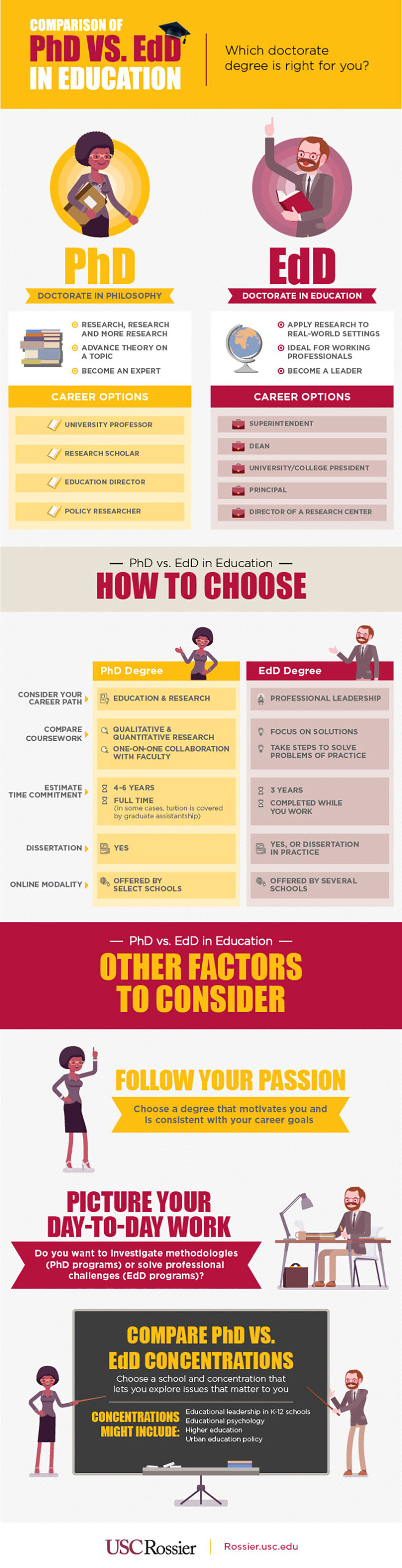
Beyond the Classroom: Redefining the Ed.D. as a Strategic Brand Asset
For decades, the Ed.D. was seen exclusively through the lens of K-12 administration or higher education faculty. However, the contemporary professional brand has evolved. Today, the Ed.D. is being leveraged by CEOs, Chief Learning Officers, executive coaches, and high-level consultants. It has become a symbol of mastery in organizational change, human capital development, and strategic leadership.
The Shift from Academic to Applied Leadership
From a brand strategy standpoint, the “Applied” nature of the Ed.D. is its greatest selling point. When a professional markets themselves with an Ed.D., they are signaling to clients and stakeholders that they possess a rigorous framework for decision-making. In corporate identity, this translates to “evidence-based leadership.” Instead of relying on anecdotal experience or “gut feelings,” a leader with an Ed.D. carries a brand promise of methodical, researched, and validated strategies. This shifts their professional narrative from “I think this works” to “The research and data-driven frameworks I specialize in show this is the path to success.”
Establishing Credibility in Non-Traditional Spaces
We are seeing a surge of Ed.D. holders in industries like technology, healthcare, and retail. In these sectors, the “Education” in the title is often interpreted as “Learning and Development” or “Systems Innovation.” For a consultant, having those three letters after their name serves as a visual shorthand for expertise. It functions as a trust signal. In the psychology of branding, trust signals reduce the “barrier to entry” for potential clients. The title provides an immediate layer of vetting, allowing the professional to bypass the initial skepticism that often greets uncredentialed experts in the consulting world.
Building a Personal Brand with the “Doctor” Prefix
The use of the title “Doctor” is a powerful tool in personal branding, but it must be wielded with strategic intention. In marketing, the way we present our names is our first point of contact with an audience. For an Ed.D. holder, the title “Doctor” creates an “Authority Bias”—a cognitive bias where people are more likely to be influenced by or trust the opinion of an authority figure.
The Authority Bias: How Titles Influence Perception
In the digital space—LinkedIn, personal websites, and keynote speaking circuits—first impressions are made in milliseconds. An Ed.D. provides an immediate “halo effect.” When an audience sees “Dr. [Name],” they subconsciously attribute traits of intelligence, persistence, and high-level competence to that individual before they have even spoken a word.
For personal branding, this means the Ed.D. acts as a force multiplier. If two consultants provide the same advice, the one with the doctorate is often perceived as providing more “premium” or “vetted” insight. This allows for higher price positioning. In the world of brand strategy, this is known as “prestige pricing.” The degree isn’t just about the knowledge gained; it’s about the market’s willingness to pay a premium for the perceived security that comes with academic validation.
Navigating the Ethical Use of Credentials in Marketing
Effective branding requires authenticity. For those with an Ed.D., the challenge is integrating the title without appearing unapproachable. The modern brand needs to be both authoritative and relatable. Strategic brand positioning for an Ed.D. involves highlighting the “Practical” side of the degree.

Successful personal brands often use the title “Doctor” in formal settings—such as book covers, white papers, and speaking engagements—while maintaining a conversational and accessible tone in social media interactions. This “Accessible Expert” persona is one of the most effective brand archetypes today. It says, “I have the highest level of expertise, but I am here to apply it to your specific, everyday problems.”
Corporate Identity and the Ed.D.: Leading Change in Large Organizations
In the context of corporate identity, the Ed.D. is a signal of an organization’s commitment to sophisticated talent management and organizational health. Companies that employ Ed.D. holders in executive positions often project a brand image of being “thoughtful,” “people-centric,” and “strategically grounded.”
Cultivating a Culture of Continuous Learning
When an organization’s leadership team includes individuals with an Ed.D., it strengthens the corporate brand as a “Learning Organization.” This is a powerful recruiting tool. Top-tier talent is increasingly looking for workplaces that prioritize professional development and intellectual growth. By positioning Ed.D. leaders at the helm of Human Resources or Operations, a company brands itself as an environment where theory meets practice, and where employee growth is managed by experts in the science of learning and motivation.
The Executive Ed.D. as a Signal of Strategic Competence
Many corporations now look for the Ed.D. when hiring for roles related to Diversity, Equity, and Inclusion (DEI), Change Management, and Corporate Strategy. In these roles, the “Education” component of the degree is rebranded as “Systems Change.” The degree signifies that the leader understands the complexities of human behavior within large systems.
From a brand perspective, this protects the company’s reputation. Stakeholders—including investors and board members—feel more secure knowing that sensitive organizational shifts are being guided by someone with a doctoral-level understanding of social dynamics and institutional change. The Ed.D. becomes a “brand insurance policy,” signaling that the company’s strategies are rooted in proven educational and psychological principles.
Case Studies: Successful Personal Brands Rooted in Education
To understand what “Ed.D.” means in the real world of branding, we can look at how successful professionals have pivoted the degree into high-value market positions. These individuals have moved beyond the literal meaning of the degree to create a brand that resonates with global audiences.
The Consultant as a Subject Matter Expert
Consider the high-level corporate consultant who specializes in “Leadership Development.” Without a doctorate, they are competing with thousands of other “coaches.” By obtaining and highlighting an Ed.D., their brand shifts. They become a “Doctor of Organizational Leadership.”
This shift allows them to publish in academic journals while simultaneously writing for Harvard Business Review or Forbes. This dual-presence brand strategy is incredibly lucrative. It allows the professional to inhabit two worlds: the high-trust world of academia and the high-revenue world of corporate consulting. Their brand becomes a bridge between theory and profit.
From Educator to Global Thought Leader
Many of the world’s most famous “thought leaders” hold an Ed.D. They use the degree as the foundation for their “Signature System.” In brand strategy, a Signature System is a proprietary methodology that a professional uses to solve a specific problem.
An Ed.D. provides the research skills necessary to develop these systems and the credentialing necessary to sell them to Fortune 500 companies. Their brand is built on the idea that they have “cracked the code” of human performance or organizational efficiency through years of doctoral study. For these individuals, “Ed.D.” doesn’t just mean they went to school; it means they have the authority to rewrite the rules of their industry.
In conclusion, when we ask “What does Ed.D. mean?” the answer depends entirely on the context of the brand. In the professional world, it is a badge of strategic authority, a tool for premium market positioning, and a symbol of applied expertise. Whether used to build a personal brand as a consultant or to bolster a corporate identity as a leader of change, the Ed.D. is one of the most powerful intellectual assets a professional can possess. It is the bridge between the world of deep research and the world of high-impact business results.
aViewFromTheCave is a participant in the Amazon Services LLC Associates Program, an affiliate advertising program designed to provide a means for sites to earn advertising fees by advertising and linking to Amazon.com. Amazon, the Amazon logo, AmazonSupply, and the AmazonSupply logo are trademarks of Amazon.com, Inc. or its affiliates. As an Amazon Associate we earn affiliate commissions from qualifying purchases.